Why travelling to Reggio Calabria on a budget is one of Italy’s most underrated destinations
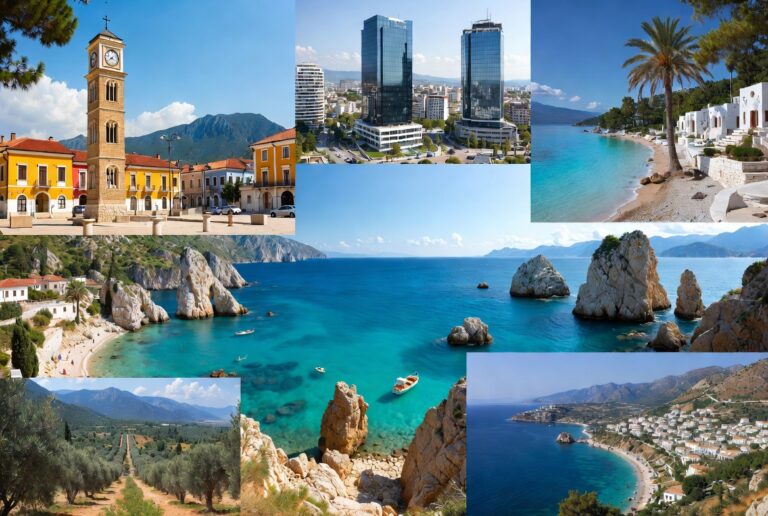
If you told me a year ago that one of the cheapest, most relaxed, and most beautiful coastal cities in Italy was hiding down at the very tip of the boot, I honestly wouldn’t have believed you. Everyone talks about Venice, Rome, Florence, the Amalfi Coast… but Reggio Calabria is sitting there like a quiet overachiever, offering turquoise water, insanely good food, friendly locals, and prices that make you double-check the bill because they seem too low for Italy.
If you’re planning a wider trip, check how much a trip to Europe costs to set your overall budget.
To keep the budget realistic, compare current accommodation prices in Reggio Calabria on Booking.com.
Reggio Calabria isn’t a polished tourist hotspot — and that’s exactly why it’s perfect for budget travelers. No overpriced gelato, no crowds elbowing you off the sidewalk, and no “tourist tax” on every espresso. It feels like you’re discovering real Italy… the kind that still has neighborhood bakeries selling pastries for €1 and beachfront promenades filled with locals, not tour groups.
If you’re planning a 2026 trip and want Italy without the inflated price tag, this guide breaks down exactly how to do Reggio Calabria on a budget — where to sleep, what to eat, hidden beaches to explore, cheap day trips, and tips that save money without sacrificing fun.
Let’s get into it.
1. Getting to Reggio Calabria without spending a fortune
1.1 Flying in
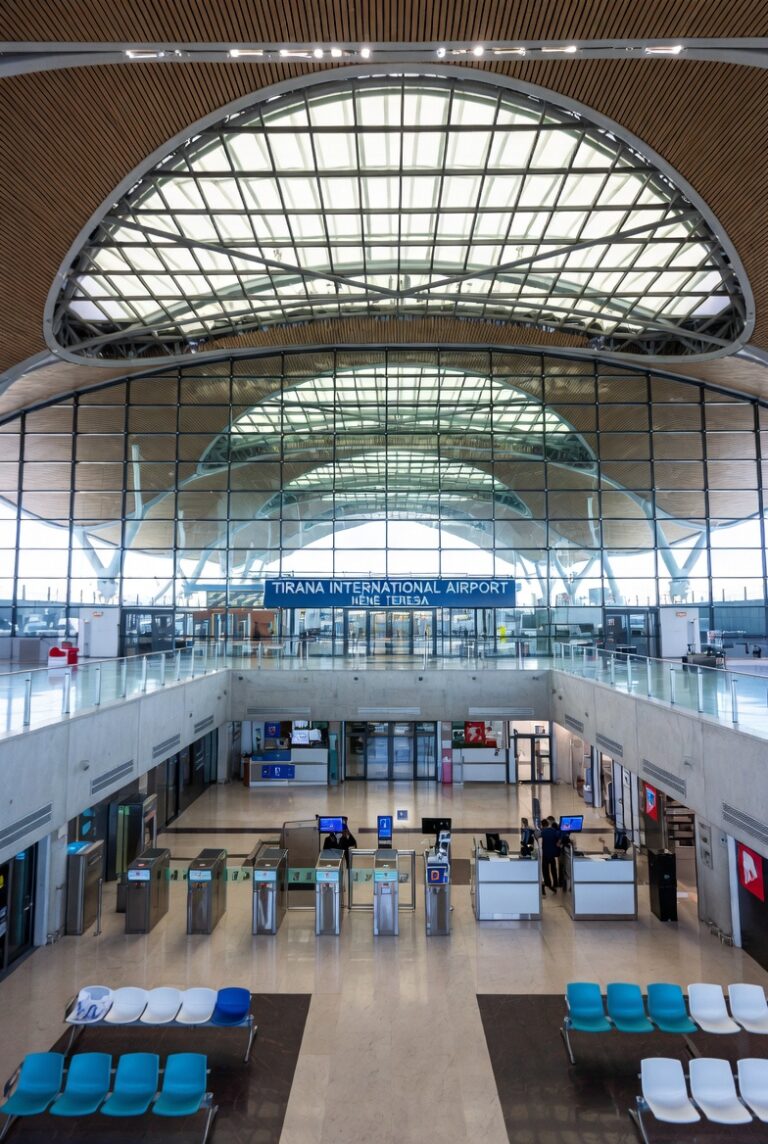
The closest airport is Reggio di Calabria Airport (REG) — tiny, convenient, and usually cheaper than flying into Naples or Rome and taking a long train. Budget airlines aren’t huge here, but occasional deals pop up from Milan, Bologna, or Venice.
If flights are expensive, the trick is:
- Fly into Lamezia Terme (SUF) instead — often much cheaper.
- Take a train to Reggio Calabria (about 1.5–2 hours, usually under €12).
1.2 Train travel
Italy’s train system is affordable, and regional trains to Reggio can be as low as €8–€25 depending on where you start. You can snag deals on:
- Trenitalia regional trains
- Intercity trains (usually the best balance of speed and price)
Money-saving tip:
If you’re coming from Sicily, the train literally boards a ferry to cross the strait. It’s one of the coolest and cheapest “train rides + boat trip” combos you’ll ever experience — and it’s included in the ticket price.
For more money-saving strategies, read these budget travel hacks before booking flights.
2. Budget accommodation: where to stay without breaking the bank
Travelling to Reggio Calabria on a budget isn’t very hard as they don’t have a lot of 5-star hotels, which is actually great news if you’re trying to save money. You’ll mostly find:
- Affordable B&Bs
- Small family-run guesthouses
- Apartments on Booking or Airbnb
Best budget-friendly neighborhoods:
• Lungomare / Waterfront Area
Perfect if you want sunset views, beach access, and cafés within a few steps. Expect to pay around €40–€70 per night.
• City Center
Close to shops, the National Museum, and budget eateries. Rooms usually €35–€60.
• Pentimele
A little outside the main area but cheaper and calmer.
Insider accommodation tip:
Because Reggio has way fewer tourists than Rome or Florence, you can negotiate prices—especially if you’re staying 3+ nights or traveling slightly off-season (May, June, September).
If you’re looking for more cheap destinations, see best budget-friendly European vacations.
3. What to eat in Reggio Calabria — delicious, local & shockingly affordable
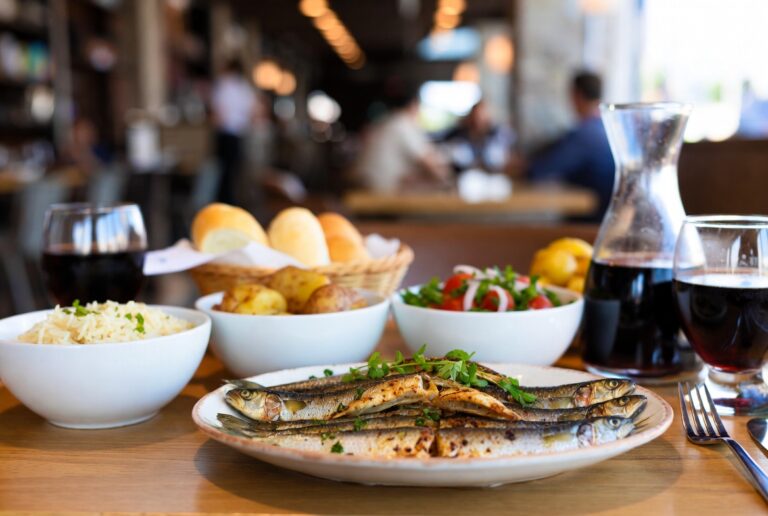
Calabria is famous for flavors that are bold, spicy, and rustic. Think chili peppers, red onions, citrus, seafood, and homemade pasta. And the best part? You can eat ridiculously well on a budget.
Must-try cheap foods in Reggio:
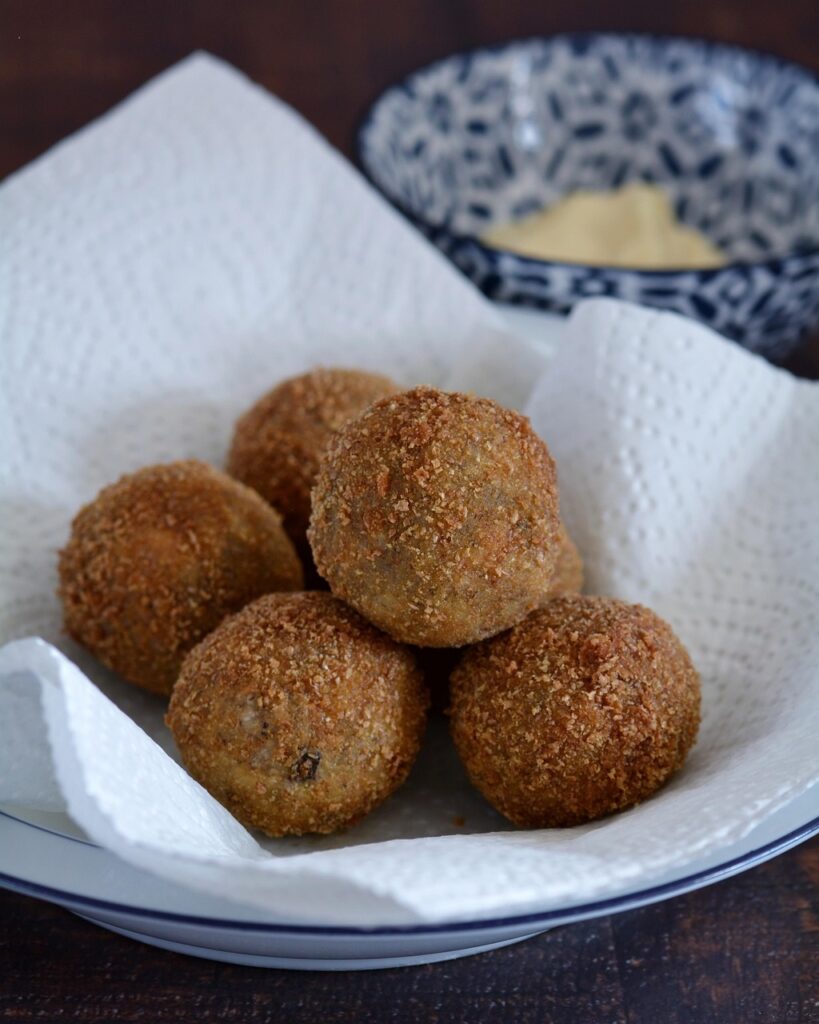
1. Arancini (Arancine) — €1.50–€3
Sicily gets all the credit, but Calabria’s versions are just as good. Perfect backpacker fuel.
2. Panino con Pesce Spada (Swordfish Sandwich) — €5–€7
Trust me: life-changing.
3. Gelato — €2–€3
Try bergamot flavor — Reggio is one of the only places in the world that cultivates it.
4. Pasta alla ‘Nduja — €7–€10
Spicy, rich, and unforgettable.
5. Aperitivo — €5–€8
A drink plus snacks? Yes, please.
Best cheap eats & local places to go:
- Gelato Cesare — legendary gelateria on the waterfront
- L’A Gourmet L’Accademia — affordable pasta & seafood
- At hosterias off the side streets — menus are often half the price of tourist-heavy restaurants in northern Italy
Budget tip:
Avoid restaurants directly on the main promenade. Walk 2–3 streets inland and everything gets cheaper — and more authentic.
4. Reggio Calabria on a budget -> free & low-cost things to do
Here’s the part that makes budget travelers fall in love: most of the best things to do here are free or extremely cheap.
4.1 Walk the Lungomare Falcomatà (free)
The waterfront promenade is Reggio’s pride — palm trees, beaches, street performers, open-air cafés, and views straight across to Sicily. Sunset here is breathtaking.
Bring a gelato and people-watch. It feels like you’ve stepped into a movie.
4.2 Visit the National Archaeological Museum (around €8)
Home of the iconic Riace Bronzes — ancient Greek warrior statues that look like they came straight out of a superhero film. Even if you’re not a museum person, this one is worth it.
4.3 Beaches (free)
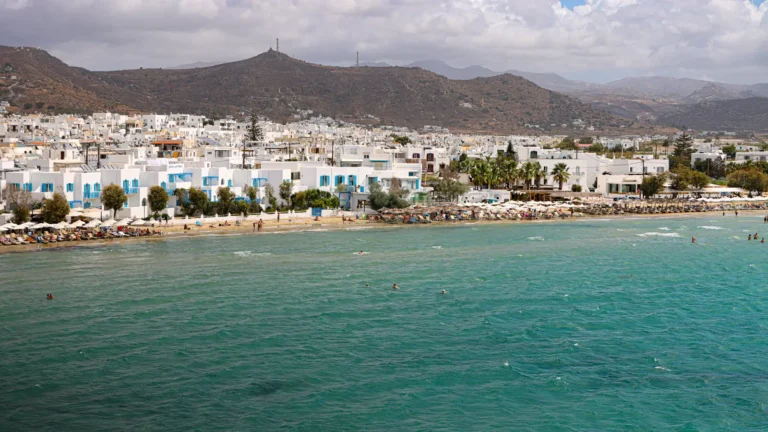
Reggio has several beaches right in the city, so you don’t need to pay for umbrellas or clubs. The water is clear, calm, and warm from late spring to early autumn.
Best ones:
- Reggio Calabria Beach
- Pentimele Beach
- Lazzaro Beach (a short bus ride)
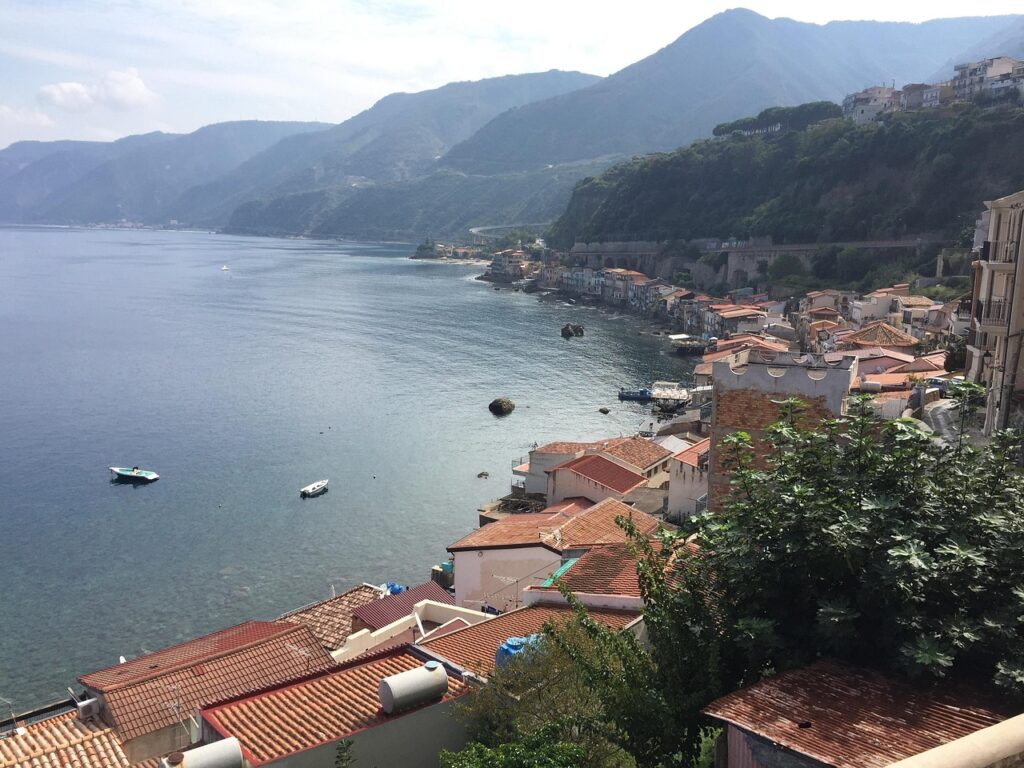
4.4 Explore Scilla (cheap day trip)
A fairy-tale fishing village just 20–25 minutes by train. Perfect for:
- Swimming
- Photography
- Seafood
- Wandering tiny streets
The district called Chianalea looks like a postcard — imagine Venice but with fishing boats and no crowds.
4.5 Go to Reggio’s Castello Aragonese (€2–€3)
One of the city’s landmarks with great views at sunset.
4.6 Hike Aspromonte National Park (free)
For nature lovers, the nearby mountains offer trails, waterfalls, forests, and lookout points. Just bring water — Calabrian heat is no joke.
5. Getting around Reggio Calabria on a budget
Walking
The city is compact enough that you can walk almost everywhere.
Buses
Tickets usually cost €1.50–€2 and cover most neighborhoods.
Trains for day trips
Scilla, Villa San Giovanni, and coastal stops cost only €2–€4 each way.
Renting a scooter
A fun option if you want freedom, usually €25–€35 per day — but not necessary unless you’re exploring outside the city.
6. Best time to visit Reggio Calabria for good weather & low prices
May–June & September–October
These are the golden months:
- Cheaper accommodation
- Perfect beach weather
- Fewer crowds
- Easier to get deals
July–August
Hot, more crowded, and slightly pricier — but still cheaper than northern Italy.
Winter
Quiet, cool, and peaceful — great for budget travelers but less beach-friendly.
Spring is especially good for exploring Europe — see best places to visit in Europe in spring.
7. A sample budget breakdown (per day)
Here’s what a typical day in Reggio Calabria on a budget look like:
- Accommodation: €30–€50
- Food: €10–€20
- Transport: €2–€5
- Attractions: €0–€5
- Misc (gelato, snacks, drinks): €5–€10
Total: €50–€80 per day
For Italy, that’s insanely good.
8. 3-Day budget itinerary for Reggio Calabria (2026)
Day 1: Explore the city + waterfront
- Walk the Lungomare
- Gelato Cesare
- Visit the Riace Bronzes
- Sunset on the beach
- Cheap dinner at a local trattoria
Day 2: Scilla + Beaches
- Morning train to Scilla
- Explore Chianalea
- Swim at Marina Grande
- Seafood lunch (cheap & fresh)
- Back to Reggio for aperitivo
Day 3: Mountains or Coastal Chill
Options:
- Hike in Aspromonte National Park
- Beach hop around Lazzaro
- Explore the Castello Aragonese
- Pasta dinner with local wine
9. Why Reggio Calabria Is Perfect for budget travelers
- It’s far less touristy, meaning lower prices everywhere
- Walkable city = huge savings
- Amazing food that doesn’t cost a fortune
- Beaches right in the city
- Affordable day trips
- True Italian culture, not the “tourist version”
It’s one of those places that stays with you — warm, raw, authentic, and ridiculously good value.
Compared with other destinations, this is much cheaper than many cities — read is Europe expensive to visit for comparison.
Reggio Calabria on a budget
Reggio Calabria isn’t the Italy most tourists picture. It’s better — more real, more affordable, and way less crowded. If you’re planning a trip to Italy but want to stretch your budget without sacrificing views, culture, or incredible food, this coastal city is absolutely worth a spot on your 2026 travel list. Southern Italy is significantly cheaper than cities like Rome, Florence or Venice, which is why Calabria is becoming popular with budget travelers.
If you’re planning a multi-country itinerary, read how much a trip to Europe costs.
Pack your swimsuit, grab a gelato, and enjoy Italy the way locals do — slowly, warmly, and without breaking the bank.
FAQs
Is southern Italy cheaper than northern Italy?
Yes — accommodation and food in southern Italy can be 30–40% cheaper.
Is Reggio Calabria worth visiting?
Yes — it offers beaches, food and culture without crowds or high prices.
How many days do you need in Reggio Calabria?
2–3 days is ideal for most travelers.