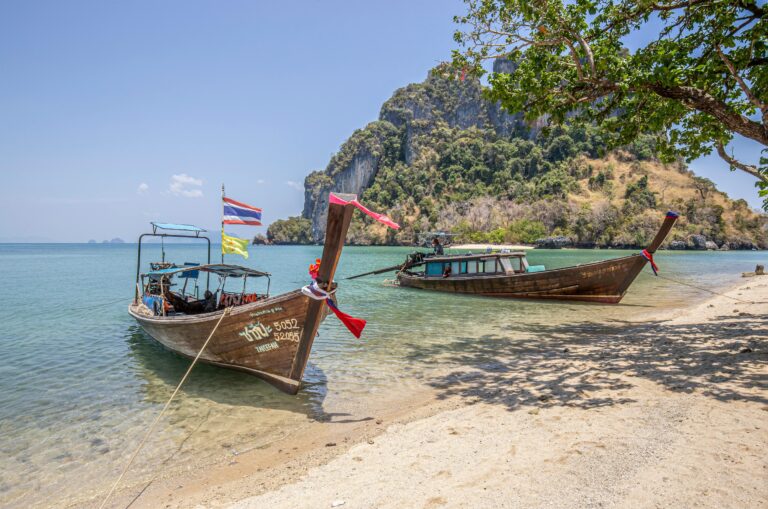
The train is the best budget choice from Da Nang to Hue if you want coastal scenery. Hue is roughly 100 km away by road, depending on the route. Regular daytime trains take about 2½–3¼ hours, while some heritage services take longer. Buses and limousine vans usually take around 2–3 hours; a private car over the Hai Van Pass gives you the most flexibility for viewpoints and stops.
The Hai Van tunnel provides a quicker road crossing, but misses the mountain-road panorama. Decide whether this is a transfer or a sightseeing day before booking. Hoi An has no passenger railway station: if you start there and want the train, travel to Da Nang first.

Da Nang to Hue: quick comparison
| Option | Travel time | Typical price | Departs from | Best for |
|---|---|---|---|---|
| Train | About 2½–3¼ hours on regular services; heritage trains can take nearly 4 hours | Regular-seat examples VND 81,000–96,000; heritage example VND 234,000 | Da Nang railway station | Scenery on a budget |
| Bus or limousine van | Usually 2–3 hours; some buses take longer | Khang examples VND 140,000–150,000 per person; other fares vary by date | Operator office, meeting point or agreed hotel | Frequent departures |
| Private car via Hai Van tunnel | About 2–2½ hours, depending on pickup and traffic | Sun Travel sedan from US$59 per car | Your hotel or airport | Direct door-to-door travel |
| Private car or jeep via Hai Van Pass, with stops | Car example 2½–3½ hours; longer sightseeing itineraries take most of the day | Scenic sedan example VND 1,100,000 per car; jeep price varies by itinerary | Agreed pickup address | Viewpoints and flexible stops |
| Motorbike tour | Allow a sightseeing day | Varies by date and route; Hoi An–Hue operator example US$45 per person | Agreed hotel or meeting point | A guided road adventure |
Times and prices checked on November 4, 2026. Schedules change, so confirm your date before booking.
👉 Compare Da Nang to Hue trains, buses and transfers on Bookaway
Train and shared-vehicle prices are per passenger; private-car prices are per vehicle. Compare the same pickup area, luggage allowance and itinerary. A cheap tunnel transfer and an all-day pass tour are different products.
Da Nang to Hue by train
The railway follows the coast around the Hai Van mountains, with sea views, tunnels and glimpses of Lang Co. Choose a daylight departure for the scenery. A late-night train gets you between the cities, but loses the main reason to choose this route.
Regular northbound services run daily, alongside the HĐ heritage trains. The following are examples from the November timetable; check the current timetable for your travel date rather than treating them as guaranteed departures.
| Train | Da Nang departure | Hue arrival | Scheduled journey |
|---|---|---|---|
| SE10 | 08:59 | 12:10 | 3h 11m |
| SE4 | 12:28 | 15:05 | 2h 37m |
| SE2 | 13:21 | 15:49 | 2h 28m |
| HĐ2 heritage train | 07:05 | 11:03 | 3h 58m |
| HĐ4 heritage train | 15:20 | 18:15 | 2h 55m |
The heritage departures are published on Vietnam Railways’ heritage-train website. Regular-service examples and fares can be compared through Vexere’s Da Nang–Hue train listings; book directly through Vietnam Railways if your chosen service is available there.
Published regular soft-seat examples are VND 81,000 for SE10 and VND 96,000 for SE4 or SE2. A heritage soft-seat example is VND 234,000. Fares vary by date, seat and passenger category, and booking platforms may add fees.
An air-conditioned soft seat is usually sufficient for this short journey. Some long-distance trains also offer four-berth or six-berth sleeper compartments, but a berth is unnecessary unless the extra space matters to you. Select the actual class shown for the departure you choose.
For the best chance of sea views travelling north from Da Nang, choose the right-hand side facing the direction of travel; southbound from Hue, choose the left. Seat orientation can be confusing on a carriage diagram, so ask the seller rather than relying on seat numbers alone.
Both stations are in their respective cities, but neither is your hotel entrance. Arrange the final taxi or walk after checking your accommodation’s location. Carry the identification used for booking, keep the ticket available offline, and arrive before departure with time to find the platform.
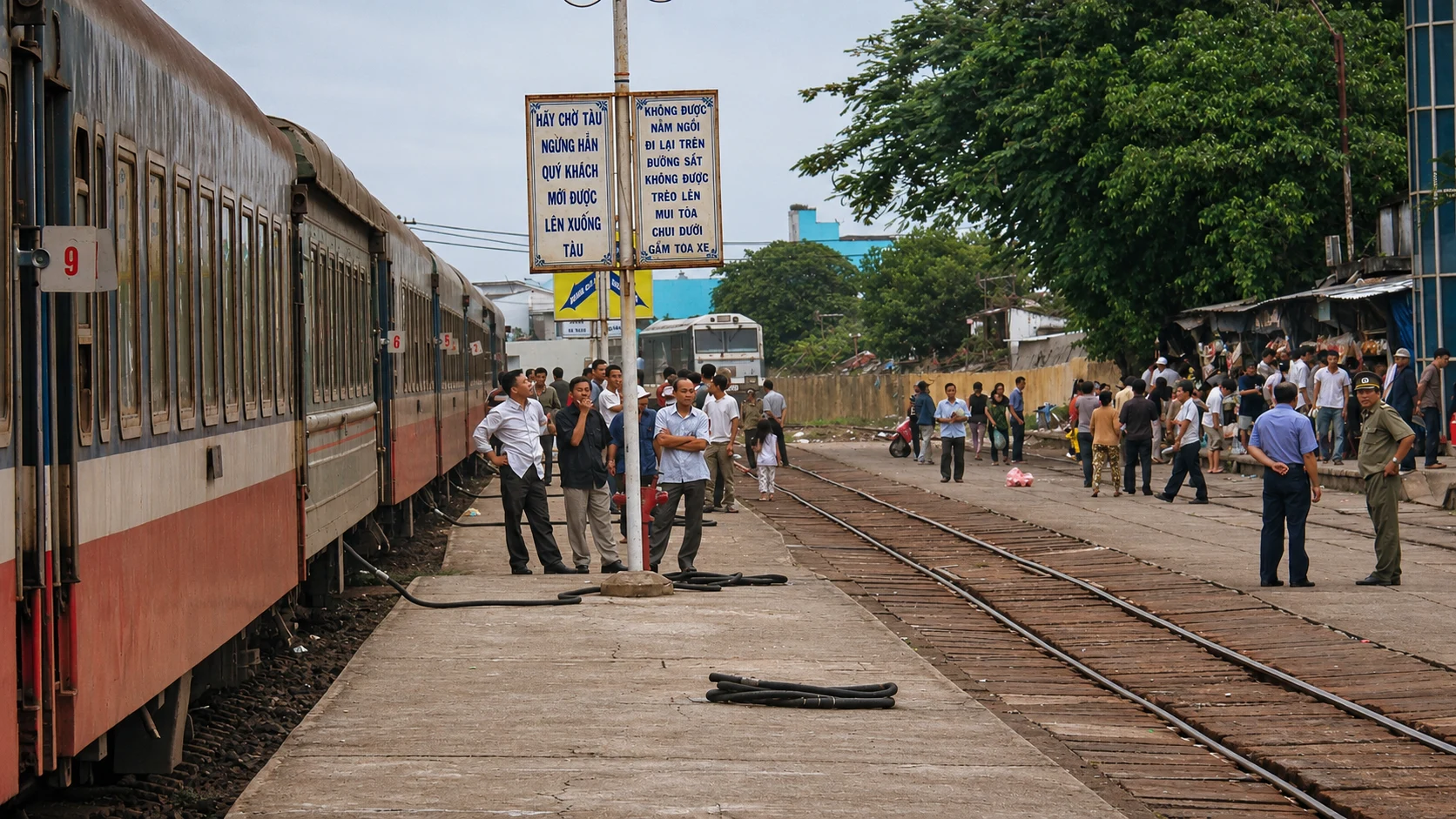
Da Nang to Hue by bus or limousine van
A shared van is convenient if its pickup and drop-off points suit your hotels. Most ordinary road transfers use the tunnel, so do not expect the same coastal views as the railway or a pass tour.
Khang Limousine advertises shared seven-seat vehicles at VND 140,000 and limousine seats at VND 150,000, with service throughout the day from 04:30 to 21:00. Confirm availability, the precise pickup window and whether your address is within its collection area.
HAV Travel, Hung Thinh Phat Limousine and Thuan Phat Limousine also appear on route listings. Vehicle size, comfort and boarding arrangements differ. Compare the operator and seat type, not just the word “limousine”.
Allow roughly 2–3 hours for many shared transfers, with longer journeys possible for buses or multiple hotel collections. Hotel pickup is included only when the selected product explicitly says so. Otherwise, expect an office, roadside stop or meeting point.
👉 Compare Da Nang to Hue trains, buses and transfers on Bookaway
Ask about suitcase space before paying: spacious passenger seats do not guarantee a large luggage compartment. Keep a Vietnam eSIM available for pickup messages and maps, and save the operator’s contact details offline.
Private car and the Hai Van Pass
Choose the tunnel when reaching Hue efficiently matters most. Choose the pass road when you want mountain views and time outside the car. State your preference explicitly: a standard private transfer does not automatically include the scenic road.
Sun Travel’s price list gives a Da Nang–Hue tunnel sedan starting rate of US$59 per vehicle. Separately, Da Nang Hoi An Trips advertises a scenic-pass sedan at VND 1,100,000, a larger vehicle at VND 1,300,000, and a 2½–3½-hour itinerary. These are different operators’ offers, not a universal tariff.
Common stops include the Hai Van summit, Lang Co Bay and Lap An Lagoon. Marble Mountains are south of central Da Nang, so adding them to a northbound trip means extra time or a different starting point; they fit more naturally into a Hoi An–Hue itinerary.
Agree on stops, waiting time, tolls, parking, luggage capacity and attraction tickets before booking. A driver is not automatically a sightseeing guide. If you are extending a northern journey, the Hanoi to Hoi An and Da Nang guide helps connect this short leg with the longer route.
Hai Van Pass by motorbike or jeep tour
An Easy Rider tour normally means travelling as a passenger behind a local rider. A self-ride tour means operating your own motorbike, sometimes following a guide. Confirm which version the price covers.
Hue Easy Rider Tour advertises Hoi An–Hue motorbike trips from US$45 per person. A Da Nang pickup or shorter itinerary needs its own quote; do not assume the same fare or stops. Meals and attraction admission may be extra.
Some operators carry bags securely on the bike; others arrange separate luggage transport. Before departure, confirm the method, any extra charge and the delivery address. Keep documents, medication and valuables with you in a small waterproof bag.
A jeep offers the pass scenery without riding a motorcycle. For comparison, Hue Top Tours publishes VND 4,300,000 per jeep for its full-day Hue–Hoi An itinerary, with up to three passengers. A Da Nang–Hue jeep quote varies by date and programme.
Self-riders need a licence valid in Vietnam for the actual motorcycle category and appropriate insurance. Requirements depend on the issuing country; an international permit is not automatically valid, as explained in the UK government’s Vietnam road-travel advice. Wear a properly fitted helmet, avoid night riding and reconsider the pass in heavy rain or fog. Read is Vietnam safe to visit for wider planning.
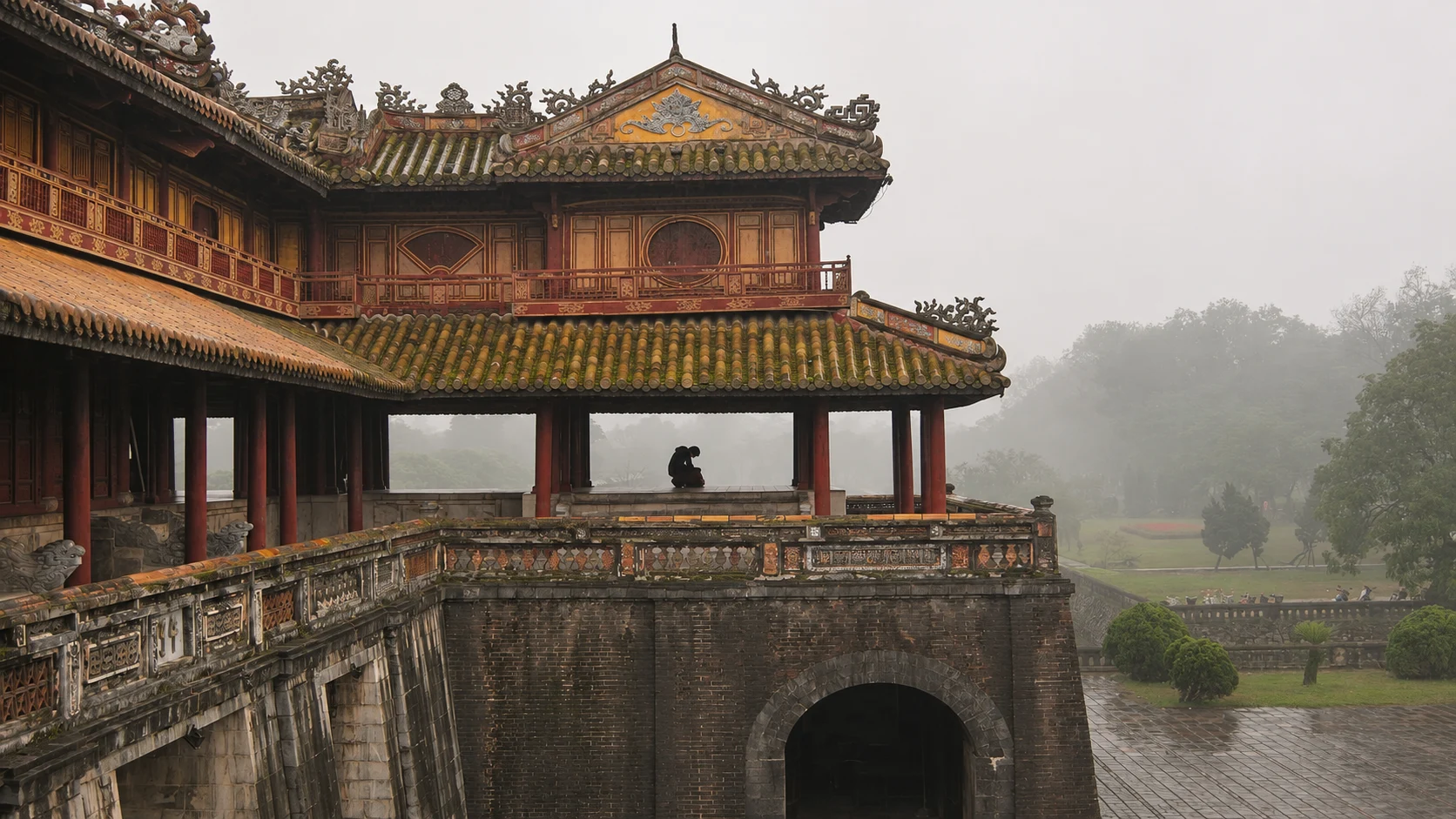
Hue to Hoi An (and Hoi An to Hue)
There is no direct train to Hoi An. A direct car or bus avoids changing vehicles in Da Nang; the train adds coastal scenery but requires an onward road transfer.
A direct private car through the tunnel is the simplest luggage-friendly option. Hoi An–Hue is around 130 km by road; Sun Travel lists about 2½ hours and a sedan starting at US$68 in that direction. Pickup, traffic and stops affect the total, and the reverse fare should be confirmed separately.
Direct buses and shared vans generally take around 3–4½ hours, depending on the service. Fares vary by date; compare the actual Hue–Hoi An departures on 12Go. Check whether drop-off is at your hotel or a meeting point outside the old town.
For the rail option, take the train between Hue and Da Nang, then continue by car or shuttle. Allow about 45 minutes for the station–Hoi An road leg, plus time to connect; traffic can extend it. Pay for the train and road transfer separately unless the ticket explicitly includes both.
The same choices work northbound from Hoi An. Leave a buffer before a booked train, especially after hotel pickup. Scenic cars, motorbikes and jeeps can turn either direction into a full-day outing. Include these extras when estimating how much a trip to Vietnam costs.
Check hotels in Hue before choosing your arrival point. For another northern excursion, the Hanoi to Ha Long Bay guide covers a separate journey from the capital.
Which option should you choose?
- Budget and scenery: choose a daytime regular train and add station transfers.
- Convenience: choose a shared van with clearly confirmed pickup and drop-off.
- Family or luggage: book a private car, specifying tunnel or pass.
- A sightseeing day: choose a scenic car, jeep or passenger motorbike tour with agreed stops.
FAQ
How long is the train from Da Nang to Hue?
Regular examples take about 2½–3¼ hours. Heritage services vary: the published HĐ4 takes 2h 55m, while HĐ2 takes 3h 58m, so check your selected departure.
Is the Hai Van Pass worth it?
Yes, if coastal viewpoints and stops are part of the trip you want. Choose the tunnel when speed matters, and reconsider an exposed-road tour in poor weather.
What is the cheapest way from Da Nang to Hue?
A regular train seat is often the cheapest choice, with published examples from VND 81,000. Include transport to and from the stations before comparing it with a shared van.
How far is Hue from Da Nang?
The road journey is roughly 100 km, depending on your starting point and route. A pass itinerary with detours covers a different distance from a direct tunnel transfer.
Can you do a day trip from Da Nang to Hue?
Yes, but allow a full day and choose an early start. A private car offers the most flexibility; with trains or buses, confirm the return before committing to sightseeing.
How do you get from Hoi An to Hue?
Take a direct bus, shared van or private car, or travel to Da Nang station for a train to Hue. A pass tour is another option when the journey itself is part of the day’s sightseeing.
For more routes, costs and practical planning, explore all our Vietnam travel guides.