For most first-time visitors, the best areas to stay in Mexico City are Roma Norte and Condesa: leafy, walkable neighbourhoods full of cafés, restaurants and boutique hotels, close to the main sights by taxi or metro. Choose the Centro Histórico if you want to be next to the Zócalo, the cathedral and the museums; Polanco for luxury hotels, upmarket dining and the Anthropology Museum; Juárez for central, slightly cheaper stays near Reforma; and Coyoacán for a quieter, village-like base near the Frida Kahlo Museum. These areas are generally safe for visitors who take normal city precautions.
Best areas to stay in Mexico City at a glance
| Area | Best for | Atmosphere | Price level |
|---|---|---|---|
| Roma Norte | First-timers, food and nightlife | Lively, leafy, cafés and bars | Mid-range to upmarket |
| Condesa | First-timers, couples, parks | Art deco streets, parks, slightly calmer than Roma | Mid-range to upmarket |
| Centro Histórico | Sightseeing, history, short stays | Busy by day, quieter at night | Budget to mid-range |
| Polanco | Luxury, business, families | Upmarket, polished, safe | Expensive |
| Juárez and Reforma | Central location, value | Mixed: trendy streets, offices and avenues | Mid-range |
| Coyoacán | Culture, slower pace, longer stays | Colonial squares, markets, local feel | Mid-range |
| San Rafael and Santa María la Ribera | Budget, local life | Residential, less touristy | Budget |
Roma Norte
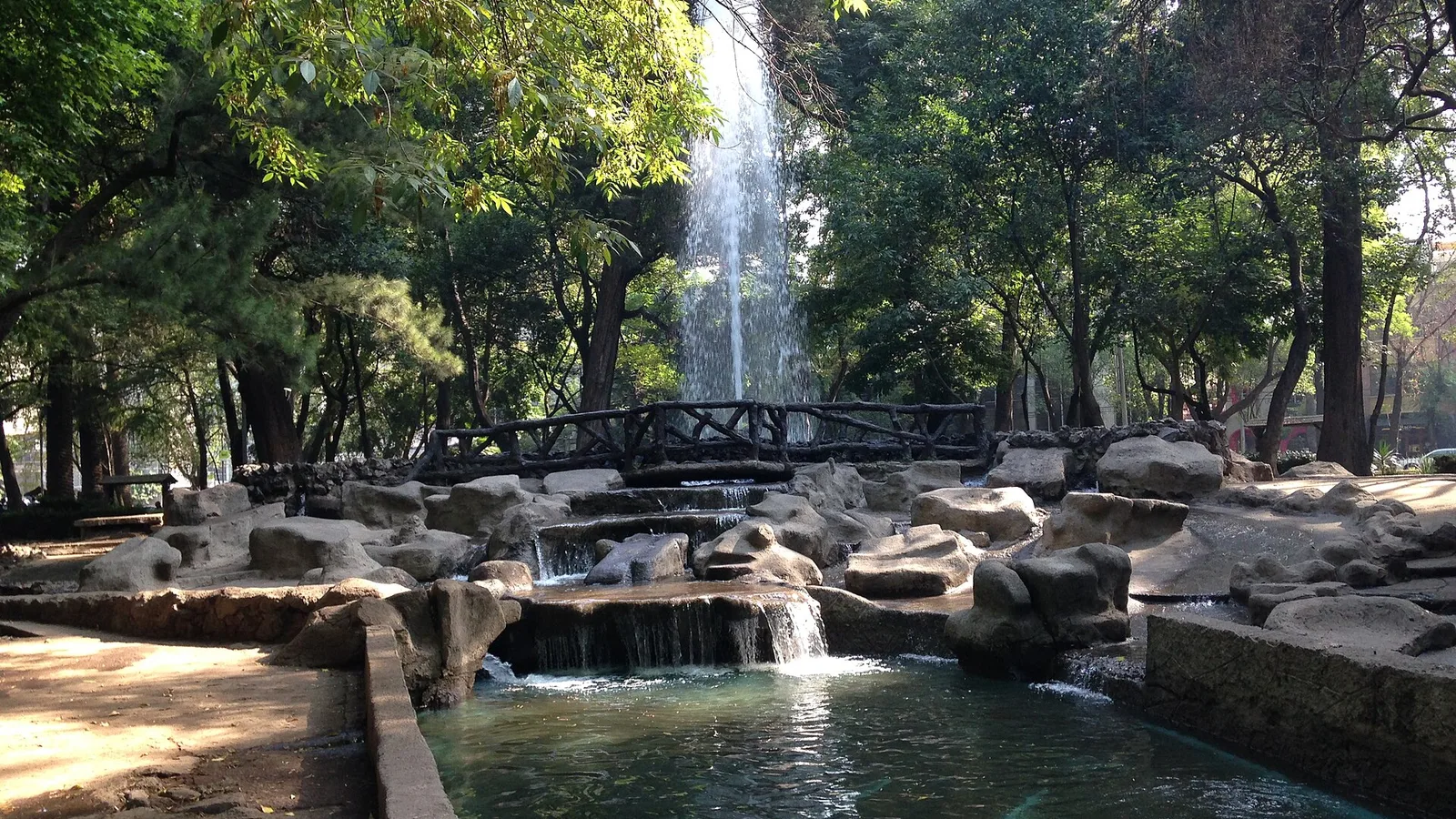
Roma Norte is the favourite base for many visitors: tree-lined streets of early-20th-century mansions, independent cafés, some of the city’s best restaurants and bars, and plenty of boutique hotels and apartments. It is central, walkable and well connected by metro, Metrobús and cheap ride-hailing to the Centro Histórico, Chapultepec and Coyoacán. The downsides are noise on weekend nights in the busiest blocks and prices that are higher than in other neighbourhoods. Roma Sur, to the south, is quieter and cheaper.
Condesa
Next door to Roma, Condesa is built around two parks, Parque México and Parque España, with an oval avenue (Amsterdam) that is popular for walks and runs. It has art deco apartment buildings, dog walkers, cafés and restaurants, and a slightly more residential feel than Roma. It is an excellent choice for couples and anyone who wants a green, walkable base.
Roma Norte vs Condesa: which is better?
They are side by side and you can walk between them in 15 minutes, so you won’t go wrong with either. Choose Roma Norte for more bars, nightlife and a wider choice of restaurants; choose Condesa for parks, a calmer atmosphere and a more residential feel. Both are generally considered among the safer areas of the city for visitors.
Centro Histórico
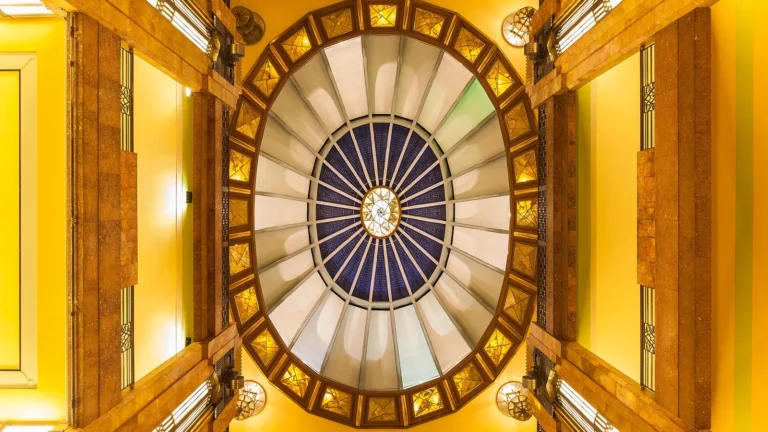
The historic centre has the Zócalo, the Metropolitan Cathedral, the Templo Mayor ruins, the Palacio Nacional and the Palacio de Bellas Artes, plus many museums, churches and cantinas, all within walking distance. Staying here is convenient for sightseeing and often good value, with hotels in restored colonial buildings. Streets are busy during the day but empty out at night outside the main pedestrian streets such as Madero, so take a taxi in the evening and be careful with your belongings in crowds.
Polanco
Polanco is Mexico City’s most upmarket neighbourhood, with international hotel chains, luxury shopping on Avenida Presidente Masaryk, many of the city’s top restaurants and a strong security presence. It borders Chapultepec Park and is close to the National Museum of Anthropology. It is a good choice for families, business travellers and anyone who prefers a polished, quieter base, though it is less atmospheric and further from the Centro Histórico than Roma or Condesa.
Juárez, Reforma and San Rafael
Juárez sits between Roma and Paseo de la Reforma, the grand avenue with the Angel of Independence. Its Zona Rosa has long been the centre of the city’s LGBTQ+ scene, and the streets around Havre and Marsella have trendy restaurants and cafés. Hotels along Reforma are convenient for business and transport. San Rafael and Santa María la Ribera, further north-west, are cheaper, more residential areas with local markets and fewer tourists.
Coyoacán
Coyoacán, in the south of the city, is a former village with cobbled streets, colonial squares, a busy market and the Frida Kahlo Museum (the Blue House). It is lovely for a slower stay, but it is 30–60 minutes by car from the Centro Histórico, depending on traffic, so it works best if you have more time or have visited before.
Where would you stay in Mexico City for a week?
For a week, Roma Norte or Condesa is the most practical base: you can walk to dozens of restaurants, reach the Centro Histórico and Chapultepec quickly, and take day trips to Teotihuacán, Xochimilco or Puebla. If you want to try two areas, a common split is a few nights in the Centro Histórico for sightseeing, then the rest in Roma or Condesa.
How long should you stay in Mexico City?
Three to five days is ideal for a first visit: one day for the Centro Histórico, one for Chapultepec and the Anthropology Museum, one for Coyoacán and Xochimilco, and one for the pyramids of Teotihuacán. Four days is not too much; many visitors find they could happily stay a week. Then continue to Oaxaca or the beaches of the Caribbean: see Mexico City to Cancún.
Is Mexico City safe for tourists?
The neighbourhoods above are generally safe for visitors, and Mexico City (CDMX) is rated Level 2 (“Exercise increased caution”) by the U.S. State Department. The most common problems are pickpocketing and phone theft in crowded places such as the metro and markets, and express-kidnapping scams involving street taxis. Use ride-hailing apps or official taxi stands (“sitios”), keep your phone out of sight on busy streets, use ATMs inside banks or malls, and avoid unfamiliar areas at night. Visitors are generally welcomed warmly, including Americans.
Where to avoid staying in Mexico City
Most visitors don’t need to stay outside the central neighbourhoods. Areas such as Tepito, Doctores (beyond the main streets near Roma), parts of the Centro Histórico east of the Zócalo at night, and outer districts such as Iztapalapa are best avoided as a base. Hotels near the airport are convenient only for an early flight.
Compare hotels in Roma Norte on Booking.com · All Mexico City hotels
FAQ
What is the best area to stay in Mexico City for first-timers?
Roma Norte or Condesa, for their mix of safety, walkability, food and central location.
Is it better to stay in Polanco or Roma Norte?
Polanco for luxury hotels and a quieter, polished feel; Roma Norte for atmosphere, independent restaurants and nightlife.
How do you get from the airport to Roma or Condesa?
From Benito Juárez Airport (MEX), take an authorised airport taxi (pay at the booth inside the terminal) or a ride-hailing app from the designated pick-up area; the trip takes about 25–45 minutes depending on traffic.
How much does a trip to Mexico cost?
Mexico City is good value compared with the beach resorts. See how much a trip to Mexico costs and our Mexico currency guide.