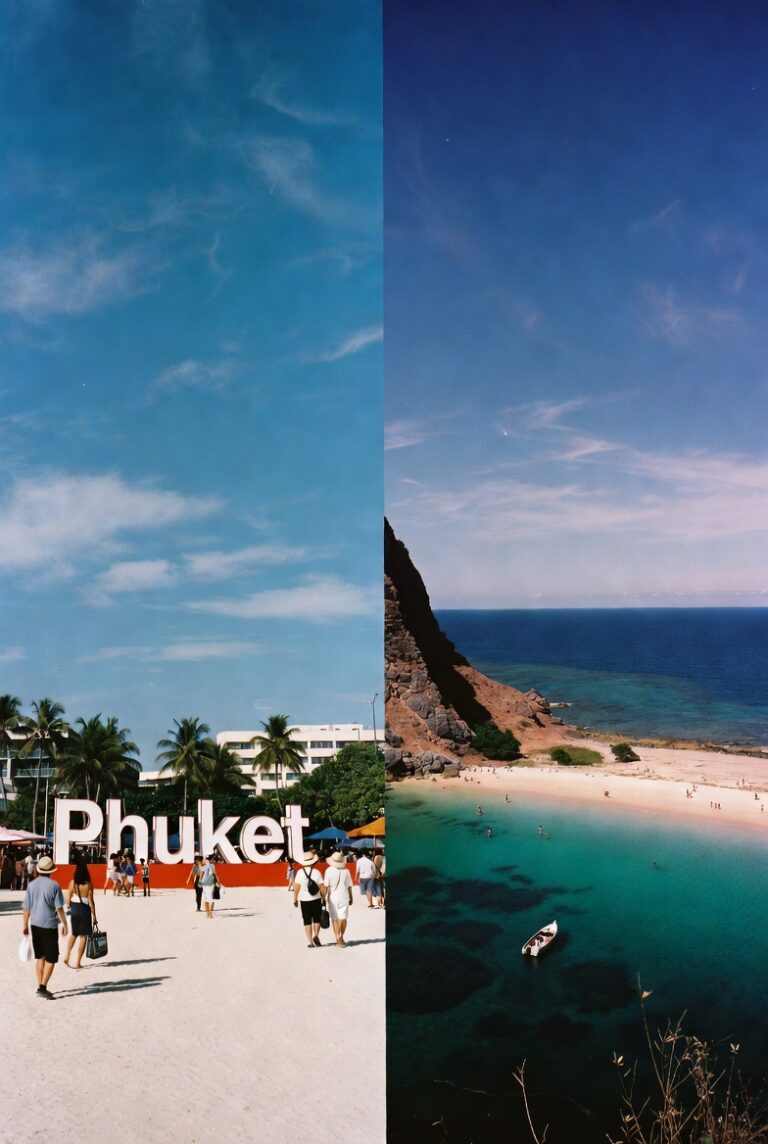
A realistic Southeast Asia budget in 2026 is $25–45 per day for a backpacker on a low-cost mainland route and $60–120 per day for a mid-range traveler. Two weeks can cost about $650–1,600 before international flights, while a one-month backpacking trip can range from roughly $1,100 to $3,000. The route matters more than the regional average: Vietnam, Laos and Cambodia cost far less than Singapore or an island-heavy itinerary.
If you expect to withdraw or spend in local currency, check Wise’s current card and conversion options in advance.
| Trip style | Daily budget | 2-week budget | 1-month budget |
|---|---|---|---|
| Low-cost mainland backpacking | $25–45 | $650–900 | $1,100–1,500 |
| Mixed Southeast Asia route | $45–70 | $800–1,600 | $1,400–3,000 |
| Mid-range travel | $60–150+ | $1,400–4,300 | $2,500–7,500 |
Prices checked: September 2026. Budgets are per person and include accommodation, three daily meals, local transport and a modest allowance for activities. International flights, travel insurance, shopping, nightlife and diving are excluded. Regional flights, ferries and visa costs are added separately in the itinerary examples below.
This guide was researched using current accommodation and transport prices, official entry-cost sources and destination-specific budget data. The figures are planning ranges rather than guaranteed live quotes.
Southeast Asia daily costs by country
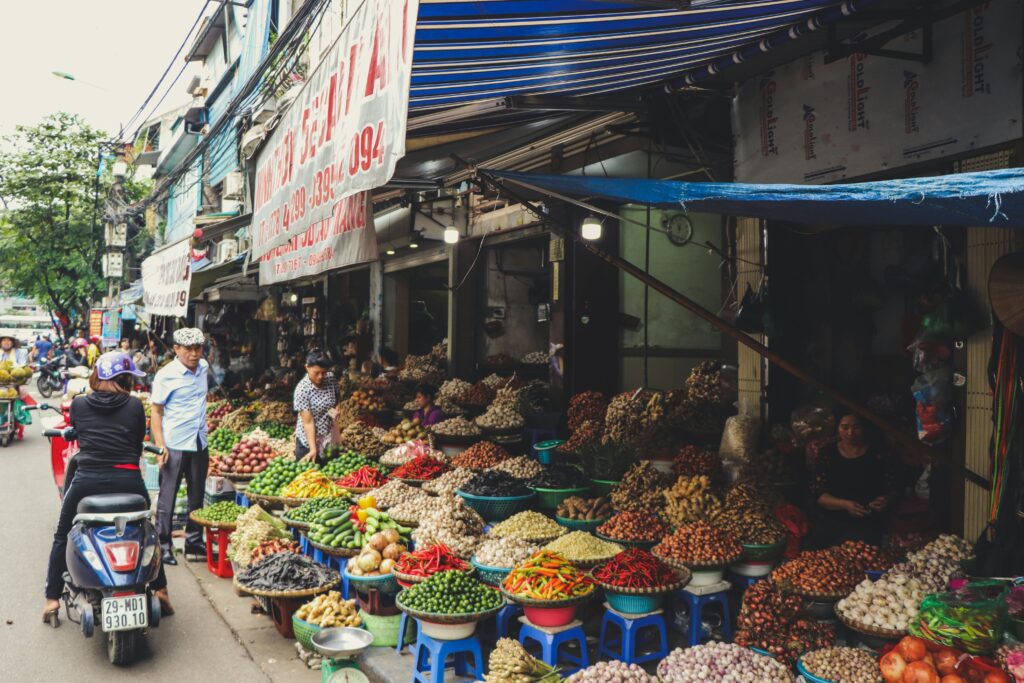
There is no single useful daily average for the whole region. A month in Vietnam or Laos and a month split between Bali, the Philippines and Singapore are financially different trips. Use the country ranges below as a starting point, then add the transfers and major activities required by your route.
| Destination | Backpacker per day | Mid-range per day | Main budget risk |
|---|---|---|---|
| Vietnam | $25–35 | $60–100 | Ha Long Bay, Ha Giang tours and domestic flights |
| Laos | $25–35 | $50–80 | Train, boat and long-distance transfer days |
| Cambodia | $30–40 | $65–100 | Angkor tickets and visa costs |
| Northern and mainland Thailand | $35–50 | $75–120 | Southern islands and domestic flights |
| Peninsular Malaysia | $35–50 | $70–110 | Borneo, islands and alcohol |
| Indonesia outside Bali | $30–45 | $65–110 | Ferries and remote islands |
| Bali | $50–80 | $120–200 | Canggu, Seminyak, drivers and tours |
| Philippines | $45–65 | $85–145 | Internal flights, ferries and island tours |
| Singapore | $65–95 | $140–250 | Accommodation and paid attractions |
Vietnam, Laos and Cambodia are usually the easiest places to maintain a low daily average. Thailand remains good value in the north and on the mainland, but Phuket, Koh Samui and other popular islands can change the calculation quickly. Indonesia is inexpensive in many areas, yet Bali needs its own budget. The Philippines can appear cheap until several flights, ferries and island tours are added. Singapore is the clear regional outlier.
If you are still deciding where to go, compare the best places to visit in Southeast Asia before building the budget. Destination choice usually saves more money than cutting one or two dollars from individual meals.
What your daily Southeast Asia budget covers
| Expense | Backpacker | Mid-range |
|---|---|---|
| Accommodation | Dorm bed or simple guesthouse | Private room or comfortable hotel |
| Food | Street food and local restaurants | Local meals plus cafés and some international restaurants |
| Local transport | Public transport, shared rides and walking | Ride-hailing, taxis and occasional private transfers |
| Activities | Free sights plus selected paid attractions | Regular entrance fees and occasional guided tours |
| Intercity travel | Buses and trains where practical | Faster trains, better buses and occasional flights |
The daily figures are most reliable when you stay several nights in each destination. A travel day involving an airport transfer, checked bag, flight, ferry and another transfer can cost several times the normal daily budget. That is why fast island-hopping trips need a separate transport allowance.
Accommodation, food and local transport
In Vietnam, Laos and Cambodia, dorm beds and simple guesthouses keep accommodation costs low. Private rooms remain affordable outside major tourist areas, but quality and location matter. In Bali, Phuket and Singapore, accommodation often becomes the largest daily expense. Booking a cheaper room far from the center can also create extra ride-hailing costs, so compare the total rather than the room rate alone.
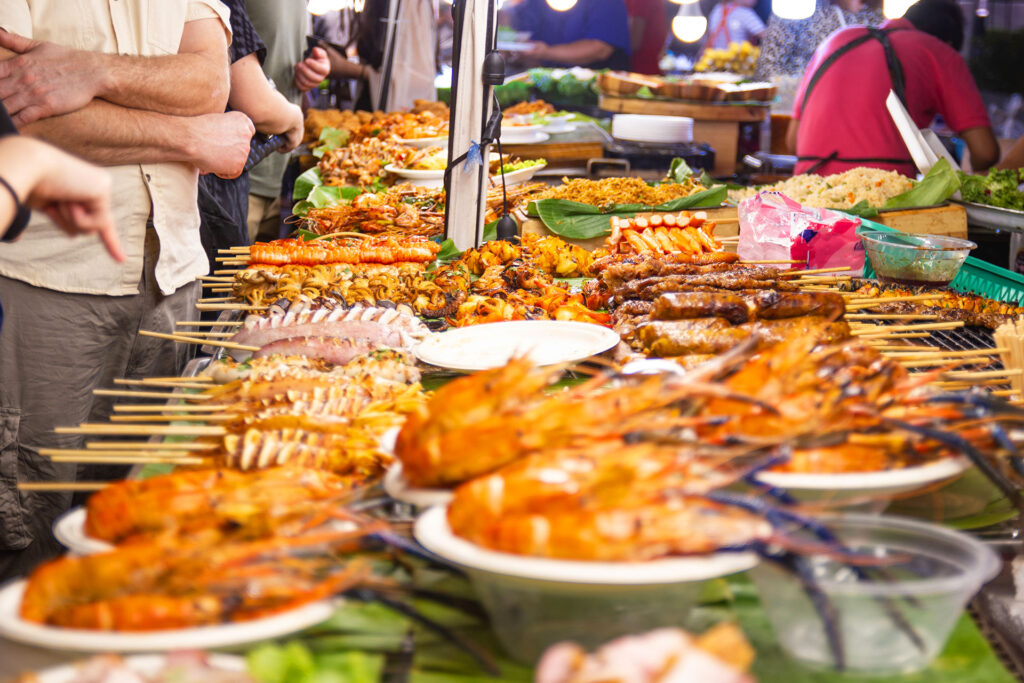
Local food is usually the easiest part of the budget to control. Street stalls, markets and small restaurants can keep meal costs low across much of mainland Southeast Asia. Western restaurants, beach clubs, specialty coffee and imported alcohol can double or triple the food-and-drink total in tourist hubs. A realistic budget should include the way you actually intend to eat, not assume three street-food meals every day.
City buses, metro systems and short shared rides are inexpensive in many destinations. Grab and similar apps make prices clearer, but airport routes, late-night rides and long distances still add up. Scooter rental may look cheap, but fuel, deposits, international driving requirements and suitable insurance must also be considered.
Flights and long-distance transport
International airfare is not included in the trip totals because the departure airport, season, luggage and booking date create an enormous price range. Compare the complete fare to Bangkok, Kuala Lumpur, Singapore, Hanoi and Ho Chi Minh City rather than assuming the nearest hub is cheapest. An open-jaw ticket—arriving in one city and departing from another—can also remove an unnecessary return journey.
Regional low-cost fares can appear very cheap before checkout. Checked luggage, seat selection, card fees and airport transfers may make the final price significantly higher. On mainland routes, overnight trains and buses can replace both a flight and one night’s accommodation. For northern Vietnam, the practical choices are explained in the Hanoi to Sapa transport guide. In Thailand, compare the train, bus and flight options in the Bangkok to Chiang Mai guide.
Slow travel reduces the average because fewer days are consumed by flights, ferries and border transfers. It also makes weekly accommodation rates more useful. A route with six destinations in two weeks should not use the same daily estimate as a route with two bases.
How much does two weeks in Southeast Asia cost?
| Example 2-week route | Backpacker | Mid-range |
|---|---|---|
| Vietnam, Cambodia and Laos | $650–900 | $1,400–2,200 |
| Thailand and Malaysia | $800–1,100 | $1,700–2,600 |
| Bali and Singapore | $1,200–1,600 | $2,800–4,300 |
The lowest range assumes simple accommodation, local meals and ground transport where practical. The higher route costs reflect more expensive rooms plus regional transport. These totals exclude the flight to and from Southeast Asia but include a reasonable allowance for transfers and ordinary sightseeing.
For a first trip, one or two countries usually produce a better experience and a more predictable budget than attempting a rapid tour of the whole region. A focused Thailand route can be built around this Thailand itinerary for 7, 10 or 14 days.
How much does one month in Southeast Asia cost?
| Example 1-month route | Backpacker | Mid-range |
|---|---|---|
| Slow mainland route | $1,100–1,500 | $2,500–3,800 |
| Mixed mainland and islands | $1,400–2,000 | $3,500–5,000 |
| Island-heavy route plus Singapore | $2,100–3,000 | $5,000–7,500 |
A month does not simply cost twice as much as two weeks. Longer stays reduce the number of transfers per day and may unlock weekly accommodation discounts. However, adding Singapore, Bali, Philippine islands or several regional flights can outweigh those savings. Couples sharing private rooms may spend less per person than solo travelers at the same comfort level.
Visas and costs travelers often forget
Entry requirements depend on nationality and itinerary, so visa costs should not be hidden inside a generic daily average. Vietnam’s official immigration portal currently lists an e-visa fee of $25 for single entry and $50 for multiple entry. Cambodia’s official e-visa portal lists a $30 tourist e-visa. Check the official government portal for every country immediately before travel because eligibility and fees can change.
- Checked baggage and seat fees on low-cost airlines
- Airport transfers at both ends of each flight
- Ferries, speedboats and port transfers
- ATM and foreign-exchange fees
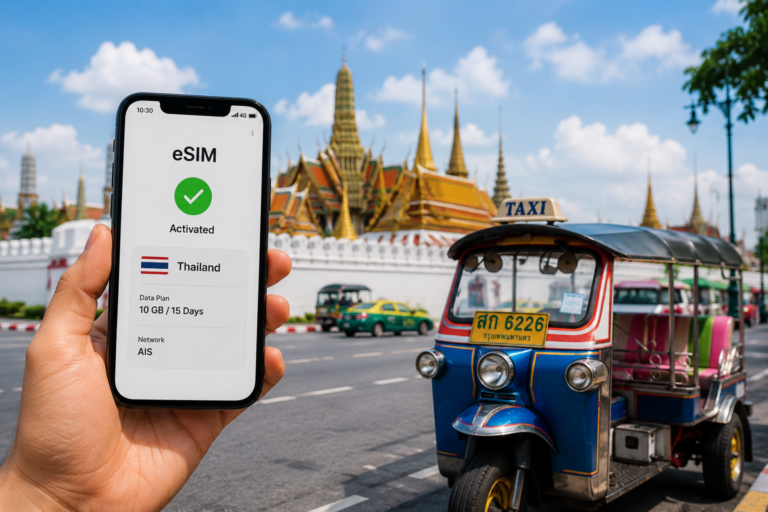
- SIM or eSIM data
- Travel insurance
- Major attractions, guided tours and national park fees
- Diving courses and multi-day cruises
Build a contingency of at least 10–15% above the calculated route cost. This protects the plan against schedule changes, last-minute accommodation and transport that costs more than expected.
Cheapest and most expensive Southeast Asian destinations
Best for a low budget: Vietnam, Laos and Cambodia. These countries combine inexpensive local food, simple accommodation and practical ground transport. For direct comparisons, see Thailand vs Cambodia and Thailand vs Vietnam.
Good value but highly variable: Thailand, Malaysia and Indonesia. Northern Thailand, mainland Malaysia and many Indonesian cities can be affordable, while resort islands and tourism hotspots require a higher allowance. The differences are clearer in the Thailand vs Indonesia cost comparison.
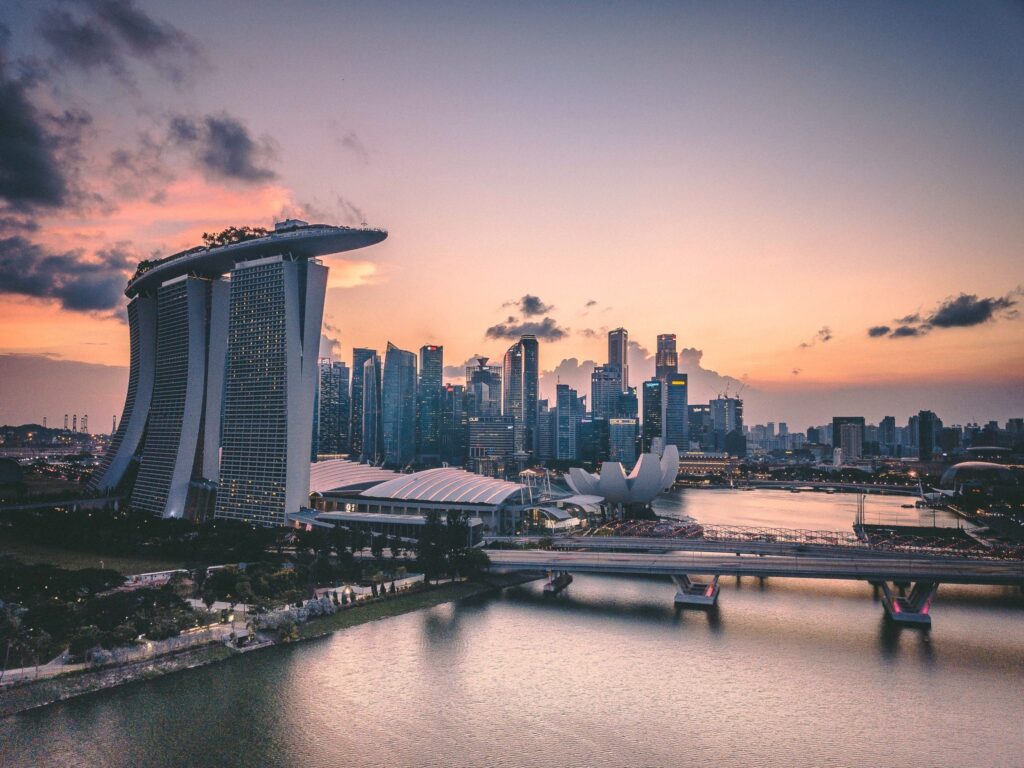
Higher-cost choices: Bali, the Philippines and Singapore. Bali and the Philippines become expensive when the itinerary uses frequent drivers, boats or flights. Singapore has inexpensive hawker food and efficient public transport, but accommodation pushes the total far above most neighboring countries.
How to keep the trip within budget
- Spend longer in fewer places instead of changing islands every two or three days.
- Price the complete route before booking the first flight.
- Compare baggage-inclusive airfares with train and bus costs.
- Use local restaurants as the default and treat international restaurants as an occasional expense.
- Choose accommodation based on room cost plus the transport needed to reach the center.
- Mix higher-cost destinations with longer stays in Vietnam, Laos or Cambodia.
- Keep visas, major attractions and travel insurance outside the daily spending estimate.
So, how much does a trip to Southeast Asia cost?
A low-cost mainland trip remains possible on roughly $25–45 per day, but that figure should not be applied to every country or route. Two weeks generally requires $650–1,600 for backpacking and budget travel before international flights. A month ranges from about $1,100 on a slow mainland itinerary to $3,000 for a backpacker moving through islands and Singapore.
The most effective saving decision is not skipping small pleasures; it is designing a route with fewer expensive transfers. Choose the countries first, calculate the large transport and entry costs, and then apply the relevant daily figure. That produces a much more reliable budget than multiplying one regional average by the number of days.
FAQ
How much money do you need per day in Southeast Asia?
Plan on $25–45 per day for a backpacker on a low-cost mainland route and roughly $60–120 per day for mid-range travel. Bali, the Philippines and Singapore generally require more.
How much does two weeks in Southeast Asia cost?
A two-week backpacking or budget trip costs approximately $650–1,600 before the international flight. A mid-range trip can cost $1,400–4,300 depending on whether the route focuses on the mainland or includes Bali and Singapore.
How much does one month in Southeast Asia cost?
A month costs roughly $1,100–1,500 for a slow mainland backpacking route, $1,400–2,000 for a mixed route and $2,100–3,000 for an island-heavy route that includes Singapore. Mid-range travel starts around $2,500 and can exceed $7,000.
Is $1,000 enough for Southeast Asia?
It can cover about two weeks comfortably on many budget routes. One month on $1,000 is now tight and requires slow travel, simple accommodation and a focus on Vietnam, Laos or Cambodia, with international flights excluded.
Which Southeast Asian country is cheapest?
Vietnam, Laos and Cambodia are usually the most practical low-cost choices. The cheapest option for a specific traveler depends on visa requirements, arrival airfare and how many long-distance transfers the itinerary needs.
Are flights included in these budgets?
International flights are excluded. The example route totals include an allowance for ordinary regional transfers, but multiple domestic flights, checked baggage and expensive island connections may require more.
Is Southeast Asia cheaper than Europe?
Usually, particularly for accommodation, local meals and everyday transport. Singapore and premium island destinations narrow the difference, while international airfare can make a short Southeast Asia trip expensive overall. For a direct baseline, compare current Europe trip costs.
How much cash should you carry?
Carry enough local currency for several days plus a separate emergency reserve, rather than the whole trip budget. Cards are widely accepted in major cities, but cash remains important for markets, small restaurants, rural transport and some islands.
Research notes and sources
Travel Cool Places reviewed the figures in September 2026 using current destination cost guides, accommodation and transport ranges, and official government entry-fee information. Key sources include the Vietnam Immigration Department, the Cambodia e-Visa portal, Vietnam Airlines’ travel-cost guide and current destination pricing published by Bali.com. Prices fluctuate, so verify major bookings and entry requirements before travel.