Peru is not an expensive country to visit by global standards, but costs vary widely depending on where you go, how you travel, and the season. For most travelers, Peru sits firmly in the budget-to-mid-range category, with excellent value for food, transport, and experiences. Peru is a top contender in my guide to the best countries to travel in South America.
In this guide, you’ll find realistic 2026 travel costs for Peru — daily budgets, accommodation, food, transport, and common hidden expenses — so you can plan accurately without surprises.
Peru travel costs at a glance (2026)
Budget travelers can expect to spend €35–€45 per day if staying in hostels, eating local food, and using buses.
Mid-range travelers typically spend €85–€110 per day including private rooms, domestic flights, and guided tours.
Luxury travel in Peru usually starts at €180+ per day depending on hotel choice and Machu Picchu access options.
Your final cost depends heavily on whether you include premium Machu Picchu trains, Amazon tours, or domestic flights.
You can also reduce overall spending by applying smart budget travel hacks that help you save on transport, accommodation, and activities.
Quick answer: is Peru expensive?
No — Peru is generally affordable for travelers, especially compared to North America and Western Europe.
| Item | Budget (Daily) | Mid-Range (Daily) |
| Lunch (Menu del Dia) | €4 | €10 |
| Hostel/Hotel | €12 | €60 |
| Transport (Local) | €2 | €15 |
| Total | €35 – €45 | €85 – €100 |
Typical daily budgets (per person):
- Budget: €35–€45/day
- Mid-range: €85–€100/day
- Comfort: €120+/day
Peru can feel very cheap in smaller cities and inland regions, while popular destinations like Cusco and Machu Picchu push costs higher.
Average daily costs in Peru (by travel style)
Peru’s biggest cost drivers are accommodation standard, tours, and altitude-region transport. Food and local buses remain inexpensive almost everywhere.
A useful way to think about Peru:
- If you travel slowly, eat locally, and use buses, Peru feels very budget-friendly
- If you add guided tours, flights, and higher-end hotels, costs move into mid-range territory
Accommodation costs in Peru
Accommodation prices vary significantly by location.
Typical ranges (per night, double room unless noted):
- Hostels: €8–€18 (dorms), €25–€40 (private rooms)
- Mid-range hotels: €50–€90
- Upscale hotels: €120+
Cities like Lima and Cusco are more expensive than smaller towns. Prices also rise during the dry season (May–September).
For updated travel conditions and official visitor information, you can also check Peru’s official tourism board website.
Food and drink costs
Food is one of Peru’s biggest strengths for budget travelers.
What most travelers spend:
- Local menu del día lunches: €3–€6
- Casual restaurants: €7–€12
- Tourist-focused restaurants: €15–€25
Street food and local eateries keep daily food costs low, while dining in upscale neighborhoods (especially in Lima) increases spending.
Transportation costs (buses, flights, and taxis)
Getting around Peru is affordable, but distances are long.
Common transport costs:
- Long-distance buses: €15–€40 (depending on route and comfort class)
- Domestic flights: €40–€90 if booked early
- Local taxis: inexpensive, but prices are usually negotiated upfront
Night buses are popular and often replace a hotel night, helping reduce overall costs.
Tours and activities (where costs add up)
Tours are the main reason Peru can feel expensive.
Examples:
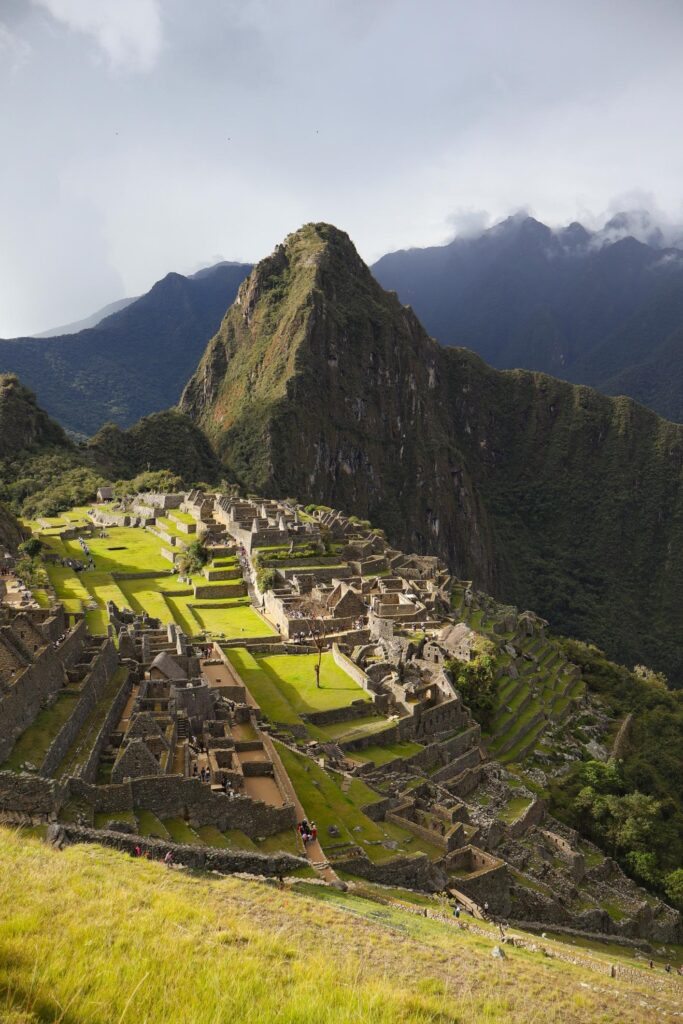
- Machu Picchu entry + transport: €80–€150+ In 2026, the biggest budget killer in Peru is the new circuit system for Machu Picchu. You can’t just buy “one ticket” anymore. There are multiple circuits (Circuit 1, 2, 3), and prices vary. If you want the classic ‘postcard’ view, you must book Circuit 2 months in advance. If you wait until you arrive in Cusco, you’ll pay double to a last-minute agency.
- Machu Picchu is the single biggest factor that increases travel costs in Peru. Entrance tickets, mandatory circuit selection, train transportation, and buses from Aguas Calientes can quickly push your budget higher. Booking early helps secure better prices and preferred time slots. Travelers on a strict budget often choose standard train tickets and avoid premium panoramic services to control expenses.
- Multi-day treks (Inca Trail, Salkantay): €500–€900
- Day tours (Sacred Valley, Rainbow Mountain): €25–€60
These experiences are optional but common, and they quickly raise the average daily budget.
Hidden costs to plan for
Even in a relatively affordable country, some expenses surprise travelers:
- Machu Picchu permits selling out early
- Altitude-related rest days (extra accommodation nights)
- Tour add-ons not included in base prices
- ATM fees and currency exchange costs – Most ATMs (GlobalNet) charge $8–$10 per withdrawal. BCP (Banco de Crédito del Perú) is often the only one that doesn’t charge a fee for foreign cards.
ATM withdrawal fees can add up quickly if you withdraw small amounts multiple times. Some domestic flights cost more than long-distance buses when booked late. Popular day tours such as Rainbow Mountain or Amazon excursions may add €50–€250 per activity, which significantly affects total trip cost.
Planning these activities in advance and comparing providers can prevent overpaying at the destination.
Building a small buffer into your budget avoids frustration later.
Is Peru cheaper than other destinations?
Peru is:
- cheaper than Western Europe
- similar or cheaper than Morocco
- more expensive than parts of Southeast Asia
Compared to other regions, Peru offers strong value — especially if you balance independent travel with a few key tours.
For travelers comparing regional costs, this pattern is common across developing destinations with strong tourism infrastructure.
To compare Peru with other regions, read Is Europe expensive to visit? and Is Southeast Asia cheap to travel? to see which destination fits your budget best.
Who Peru is best for (and who may spend more)
Peru is ideal if you:
- enjoy cultural and historical travel
- are comfortable with buses and shared transport
- want high value for food and experiences
You may spend more if you:
- prioritize guided tours every day
- prefer flying over long bus routes
- stay exclusively in higher-end hotels
The “Fake Soles” Scam: travelers should always check their 10 and 20 Soles notes for watermarks, especially when receiving change from taxis at night.
When is Peru more expensive?
Travel costs rise significantly during Peru’s dry season from June to August. This is peak season for Cusco and Machu Picchu, and hotel prices increase accordingly. Shoulder months like April, May, September, and October often offer better value with fewer crowds.
January to March is the rainy season in the Andes. While accommodation can be cheaper, weather disruptions may affect trekking routes and train schedules.
If you want lower prices without sacrificing good weather, late April and early October are usually the best balance.
So, is Peru expensive to visit?
For most travelers, Peru is affordable and offers excellent value, especially considering the quality of food, culture, and natural attractions.
With realistic expectations and selective spending on tours, it’s entirely possible to travel Peru on a budget — or enjoy a comfortable mid-range trip without overspending.