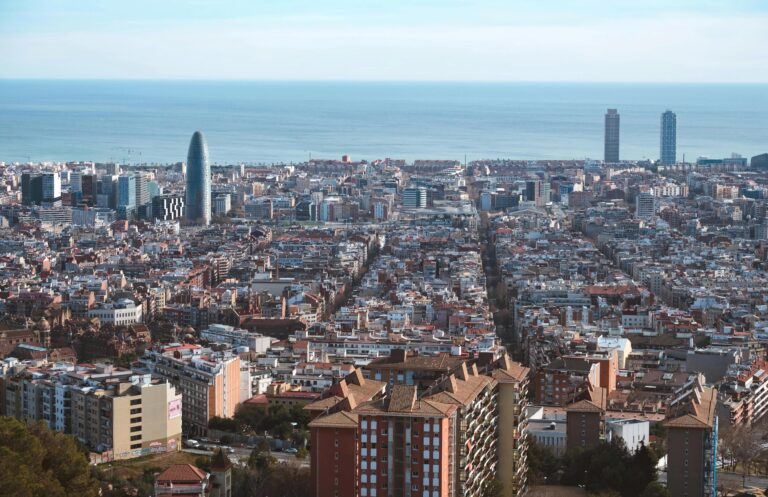
Spain is one of Europe’s most visited countries thanks to its beaches, historic cities, world-class food and warm climate. From Barcelona and Madrid to Andalusia and the Balearic Islands, Spain offers incredible variety for travelers.
But how much does a trip to Spain actually cost in 2026?
This guide breaks down realistic travel costs for accommodation, food, transport and activities, plus detailed budgets for 1-week and 2-week trips.
If you haven’t read our overview yet, see is Spain expensive to visit.
Spain is one of the most popular destinations in Europe, but prices vary widely across the continent. If you’re comparing travel budgets across the region, see our full guide to how much does a trip to Europe cost.
Spain travel cost quick answer
A typical trip to Spain in 2026 costs between €60 and €140 per day depending on travel style.
- Budget travelers: €60–€80/day
- Mid-range travelers: €90–€140/day
- Luxury travel: €250+/day
Costs are highest in Barcelona, Madrid and the Balearic Islands, while smaller cities and inland regions are significantly cheaper.
Quick answer: is Spain expensive to travel?
Spain is mid-range by European standards. It’s cheaper than France, Switzerland and the UK, but more expensive than Eastern Europe.
| Travel style | Daily budget per person |
|---|---|
| Budget traveler | €70–€95 |
| Mid-range traveler | €120–€170 |
| Luxury traveler | €300+ |
Traveling outside summer can reduce costs significantly.
Flight cost to Spain
Flight prices vary by season and departure country.
Average return flights:
• Europe → Spain: €80–€200
• UK → Spain: €120–€250
• US → Spain: €500–€900
Booking 2–4 months ahead gives the best deals.
Visa and travel insurance costs
Entry and safety costs should always be included in your trip budget.
Typical costs:
• Schengen visa (if required): €0–€90
• Travel insurance: €1.50–€3 per day
For a 2-week trip, travel insurance typically costs €25–€40.
Accommodation costs in Spain
Accommodation is the biggest travel expense in Spain.
Budget accommodation
• Hostel dorm bed: €18–€30
• Budget guesthouse/private room: €45–€70
Mid-range hotels
• 3-star hotels: €90–€140
• Boutique hotels: €120–€180
Luxury hotels
• 4–5 star hotels: €250–€450+
Prices increase significantly in summer and during festivals.
Portugal is often considered one of the best-value destinations nearby. If you’re deciding between the two countries, see our full breakdown of how much a trip to Portugal costs.
Food prices in Spain
Spain offers excellent food value compared to most Western European countries.
Typical prices:
• Coffee: €1.50–€2.50
• Tapas dish: €3–€5
• Menu del día lunch: €12–€16
• Casual dinner: €15–€25
• Beer or wine: €3–€4
The €12 rule travelers love
In 2026, look for handwritten signs saying “Menú del Día.”
For a fixed price (usually €12–€16), you get a 3-course meal with wine.
It is one of the best food deals in Western Europe and a key way to keep daily costs low.
Tapas vs raciones: the easy tourist mistake
One of the easiest ways to overspend in Spain is misunderstanding the difference between tapas and raciones.
A tapa is usually a small snack or small plate. In some cities, especially parts of Andalusia, you may even get one free with a drink. A ración is much larger and is normally meant for sharing. Many first-time visitors order several raciones thinking they are small tapas, and the final bill ends up much higher than expected.
If you want to keep food costs down, use menú del día for your main meal, order tapas carefully in the evening, and check portion sizes before ordering multiple dishes.
Spain offers excellent food value, but you can see how it compares with other countries in our Europe travel cost guide.
Food prices are also one reason Spain is often considered slightly cheaper than other Western European destinations. If you’re comparing Mediterranean trips, see our guide to how much a trip to Greece costs.
Transport costs in Spain
Spain has one of Europe’s best transport networks.
City transport
• Metro/bus ticket: €1.50–€2.50
• 24h transport pass: €7–€10
High-speed trains
| Route | Price |
|---|---|
| Madrid → Barcelona | €40–€80 |
| Madrid → Seville | €30–€70 |
| Barcelona → Valencia | €25–€50 |
Booking early usually saves the most money, especially on Spain’s high-speed rail routes. If your dates are fixed, it is worth checking low-cost train operators like OUIGO and Avlo as well as standard Renfe services, because they can make major routes much cheaper than travelers expect.
This matters most on classic city combinations like Madrid, Barcelona, Seville, and Valencia. Spain has excellent transport, but the price gap between booking early and booking late can be substantial.
Domestic flights can still be reasonable for longer jumps, but trains are often the better value once you factor in airport transfers, luggage rules, and city-centre convenience.
Attraction and activity prices
Spain offers excellent cultural experiences.
Typical costs:
• Major museum: €12–€18
• Sagrada Familia entry: €26
• Alhambra entry: €19
• Flamenco show: €25–€45
Hidden costs travelers forget in Spain
Spain is good value overall, but a few smaller expenses can quietly raise the total if you do not plan for them.
Tourist taxes are one example. In some destinations, especially major tourism areas, travelers may pay an extra €1–4 per night. ATM fees can also add up depending on your card and the machine you use, especially if you keep withdrawing small amounts.
Timing matters too. Summer price increases and major festival periods can make the same trip much more expensive than it looks on a normal week. Places like Barcelona, Ibiza, and festival-heavy destinations can jump sharply in price during high-demand dates.
These are not necessarily trip-breaking costs, but they are exactly the kind of details that make Spain feel more expensive than the headline daily budget suggests.
Free museum hours: one of Spain’s best budget tricks
One of the easiest ways to cut activity costs in Spain is to check free museum hours before you go. Many major museums, including big-name museums in Madrid, offer free entry windows late in the day on selected days or during the final hours before closing.
If you use this strategy in more than one city, it can save a meaningful amount across the trip without reducing the quality of the experience. Spain is one of the easier countries in Western Europe for combining paid highlights with free cultural time.
How much does a 1-week trip to Spain cost?
Budget traveler
• Flights: €150
• Accommodation: €350
• Food: €180
• Transport: €120
• Activities: €120
Total: €920 per person
Mid-range traveler
• Flights: €250
• Accommodation: €750
• Food: €320
• Transport: €200
• Activities: €250
Total: €1,770 per person
How much does a 2-week trip to Spain cost?
Budget traveler
• Flights: €150
• Accommodation: €700
• Food: €360
• Transport: €200
• Activities: €240
Total: €1,650 per person
Mid-range traveler
• Flights: €250
• Accommodation: €1,500
• Food: €650
• Transport: €350
• Activities: €500
Total: €3,250 per person
Cost of popular cities in Spain
Barcelona
Average daily budget:
• Budget traveler: €90/day
• Mid-range traveler: €160/day

Madrid
Average daily budget:
• Budget traveler: €85/day
• Mid-range traveler: €150/day
Seville & Andalusia
Average daily budget:
• Budget traveler: €75/day
• Mid-range traveler: €130/day
Southern Spain usually offers the best value, especially for travelers comparing Seville, Granada, or other Andalusia stops with Barcelona or Madrid. You still get major culture, architecture, and great food, but accommodation and everyday dining are often easier on the budget.
Barcelona is usually one of the most expensive city stays in Spain, and Madrid is not far behind. Valencia is one of the smartest alternatives if you want a beach-and-city mix without paying Barcelona-level prices. It often delivers a similar feel for noticeably less on hotels and meals.
This regional price gap is one of the biggest reasons Spain works well for budget-conscious travelers. You do not always need to leave the country to lower the total — sometimes you just need to choose a different Spanish city.
Spain remains one of the most visited countries in the world, welcoming nearly 97 million international tourists in 2025 according to official tourism statistics.
Backpacking vs mid-range vs luxury Spain trip
Backpacker Spain trip
Typical monthly budget: €1,500–€1,900
Mid-range Spain trip
Typical monthly budget: €2,800–€3,600
Luxury Spain trip
Typical monthly budget: €6,000+
Spain works for all travel styles.
Sample 10-day Spain itinerary budget
Barcelona → Madrid → Seville
Typical mid-range breakdown:
• Flights: €250
• Hotels: €900
• Food: €420
• Transport: €260
• Activities: €300
Total: €2,130 per person
This type of itinerary is ideal for travelers who want Spain’s biggest classic hits in one trip, but it is not the cheapest way to see the country. Barcelona, Madrid, and Seville are all strong choices, yet the route includes three high-demand stops and intercity transport that can rise quickly if booked late.
The total above works best for a comfortable mid-range trip. If your priority is value rather than speed, one of the easiest ways to reduce the total is to swap one major city for Valencia or Granada, or spend longer in fewer places instead of moving every few days.
Sample 2-week backpacking itinerary budget
Barcelona → Valencia → Madrid → Granada → Seville
Budget breakdown:
• Flights: €150
• Hostels: €700
• Food: €360
• Transport: €220
• Activities: €250
Total: €1,680 per person
This backpacking version works because Spain becomes much better value when you combine one or two expensive anchor cities with cheaper regional stops. Valencia and Granada help balance out Barcelona and Madrid, which is exactly the kind of route logic that keeps Spain affordable.
Spain is not the absolute cheapest country in Europe, but it can feel very reasonable for backpackers who stay in hostels, use trains strategically, eat menú del día lunches, and avoid peak-summer pricing.
Best time to visit Spain for cheap travel
Cheapest months:
• March–May
• October–November
Avoid July and August if your priority is value. That is when accommodation prices, coastal demand, and festival-driven price spikes are most likely to push the budget up, especially in places like Barcelona, Ibiza, and other high-demand destinations.
For many travelers, spring and autumn offer the best balance between manageable prices, pleasant weather, and easier availability on transport and hotels.
Is Spain cheaper than nearby countries?
Spain vs Portugal: while Spain is affordable, Portugal is generally a little cheaper for dining, guesthouses, and everyday travel costs. See how much does a trip to Portugal cost for the full breakdown.
Spain vs France: Spain is cheaper overall.
Spain vs Italy: Similar prices.
Spain travel cost decision table
| Travel question | Answer |
|---|---|
| Is Spain cheap? | Mid-range |
| Cheapest travel style | Backpacking |
| Good for mid-range travel? | Excellent |
| Expensive season | Summer |
| Cheapest season | Spring & autumn |
Money-saving tips for Spain
- Travel in spring or autumn instead of peak summer if you want the easiest savings on accommodation and transport.
- Use menú del día lunches as your main meal. It is one of the best-value food strategies in Western Europe.
- Book high-speed trains early, especially if you already know your route. Check lower-cost options like OUIGO and Avlo as well as standard rail services.
- Mix expensive cities with better-value stops like Valencia, Granada, or Seville instead of building the whole trip around Barcelona and Madrid.
- Stay slightly outside the most tourist-heavy historic centers when hotel prices jump.
- Check free museum hours before paying full entry fees in major cities.
- Be careful with tapas vs raciones so you do not accidentally over-order and overspend on dinner.
FAQ about Spain travel costs
Is Spain cheaper than France or Italy?
Yes. Spain is usually cheaper than France and often a little cheaper than Italy, especially for food, wine, local transport, and everyday dining. The exception is that top-demand areas like central Barcelona can sometimes feel closer to wider Western Europe pricing.
How much money do I need per day in Spain?
A realistic daily budget for Spain is usually around €60–€80 for budget travel and around €90–€140 for a comfortable mid-range trip. The final total depends heavily on season, city choice, and how often you use high-speed trains.
Is Spain good for budget travel?
Yes. Spain is one of the easiest Western European countries for budget-conscious travelers because food value is strong, public transport is good, and there are clear ways to reduce costs without ruining the trip.
Is Spain worth visiting in 2026?
Yes. Spain remains one of the strongest value-for-experience destinations in Europe, especially for travelers who want major cities, beaches, food, and culture without paying the highest Western Europe prices.