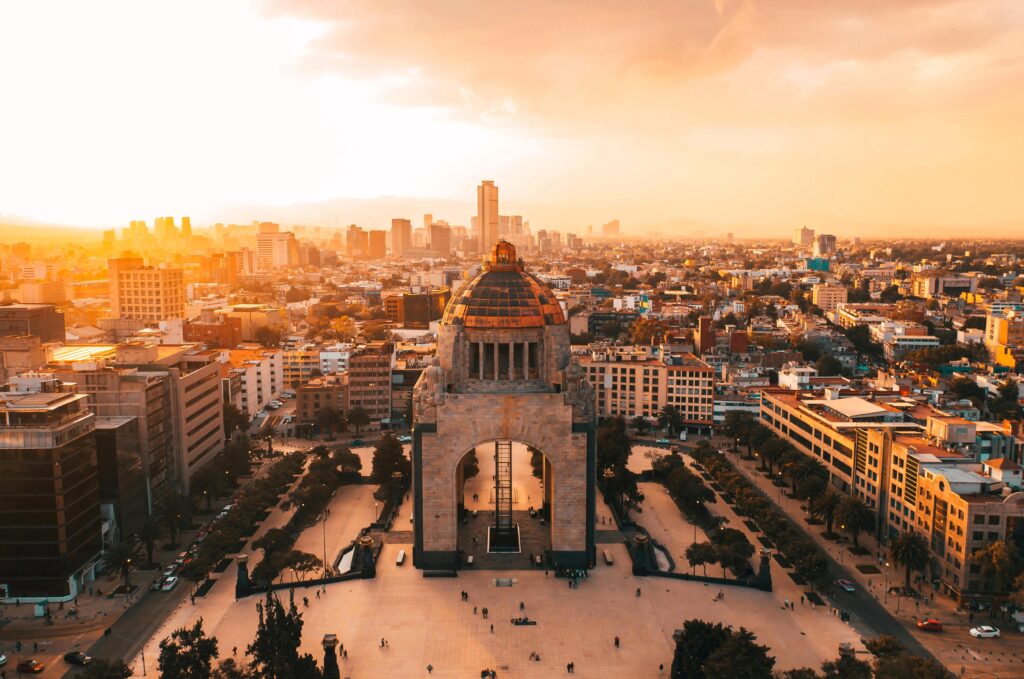
Mexico has long been considered one of the best-value travel destinations in the world, but in 2026 the reality is more nuanced than most older travel blogs suggest. Mexico is still cheaper than the United States and Western Europe, yet rising prices, a stronger currency and booming tourism have changed the budget landscape significantly. If you want a broader overview before planning, see our Europe travel cost guide for comparison.
Today, Mexico sits somewhere between Southern Europe and Southeast Asia in terms of daily costs. You can still travel cheaply in many regions, but popular destinations like Cancun, Tulum and Mexico City are no longer ultra-budget destinations. Understanding the difference between resort areas, major cities and smaller towns is the key to planning a realistic Mexico travel budget.
The good news is that Mexico offers incredible variety for the price. You can visit colonial cities, world-class beaches, jungles, ruins and vibrant food markets without the high daily costs of North America or Western Europe.
Mexico is especially attractive for mid-range travelers who want boutique hotels, great food and unique experiences without luxury prices. Mexico’s size also plays a major role in budgeting. The country is enormous, and travel distances can be long. A trip focused only on the Yucatán Peninsula will feel very different financially compared to an itinerary that includes Mexico City, Oaxaca and central Mexico. Domestic flights and long-distance buses can add up quickly if you try to move too fast.
Another important change for 2026 is the surge in tourism. Mexico has become one of the most visited countries in the world, and this popularity has pushed prices higher in hotspots like Tulum, Playa del Carmen and parts of Mexico City. At the same time, many lesser-known destinations remain extremely affordable and offer better value for money.
Because of this contrast, Mexico is now best described as a “choose your own budget” destination. Travelers who focus on local neighborhoods, public transport and inland cities can keep costs low, while resort-heavy itineraries can easily double a daily budget.
This mix of affordability and rising prices is why having a realistic cost breakdown is more important than ever.
Quick answer: daily travel budget in Mexico
| Travel style | Daily budget per person |
|---|---|
| Backpacker | $45–$65 |
| Budget traveler | $65–$95 |
| Mid-range traveler | $95–$160 |
| Luxury traveler | $260+ |
Mexico City and Oaxaca sit at the lower end of the scale, while beach destinations increase daily budgets significantly.
Flight cost to Mexico
Flights vary greatly depending on your departure region and arrival airport. Cancun and Mexico City are the main international hubs, which helps keep airfare competitive.
| Departure region | Typical round-trip price |
|---|---|
| USA | $250–$500 |
| Canada | $350–$650 |
| Europe | $650–$1000 |
| South America | $400–$700 |
Flights to Cancun are often the cheapest due to heavy tourism traffic and charter routes.
Traveling during hurricane season (Sept–Oct) can reduce flight prices significantly.
Visa and travel insurance costs
Mexico offers generous visa-free travel for many nationalities.
| Expense | Cost |
|---|---|
| Tourist visa | Free (180 days for many nationalities) |
| Travel insurance (2 weeks) | $30–$60 |
Long visa stays make Mexico popular for slow travelers and digital nomads.
Accommodation cost breakdown
Accommodation prices vary dramatically depending on destination.
| Accommodation type | Average price per night |
|---|---|
| Hostel dorm | $12–$22 |
| Budget hotel | $35–$65 |
| Mid-range hotel | $75–$140 |
| Beach resort | $160–$320 |
Resort zones like Cancun and Tulum can cost double the price of inland cities.
Airbnb prices have increased significantly in tourist areas in recent years. In major cities, boutique hotels offer particularly good value compared to North America or Europe. Many include breakfast, rooftop terraces or small pools for prices that would only cover basic hotels in the US.
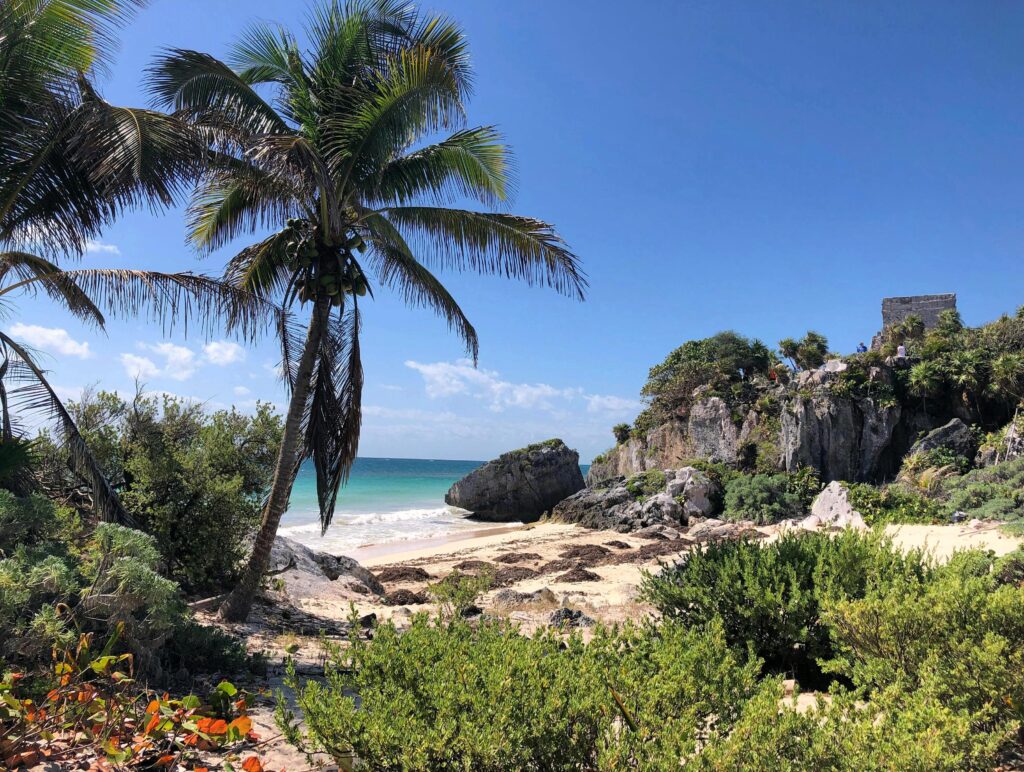
Beach destinations are a completely different story. Tulum, for example, has transformed into a luxury-leaning destination where boutique hotels and eco-resorts dominate the market. Prices here can be similar to Mediterranean beach destinations in peak season.
Travelers looking to save money should consider staying slightly outside tourist zones. Even moving a few neighborhoods away from the beach or city center can cut accommodation costs by 30–40%.
Food cost breakdown
Mexican food is one of the best value travel experiences in the world.
| Food type | Average price |
|---|---|
| Street tacos | $2–$4 |
| Local restaurant meal | $6–$10 |
| Restaurant dinner | $15–$25 |
| Coffee | $2–$4 |
Street food is safe, delicious and extremely affordable in most cities.
Food is one of the biggest reasons travelers fall in love with Mexico. Markets, street stalls and small family-run restaurants offer authentic meals for a fraction of the price of tourist restaurants.
Many cities also have a strong café culture, making breakfast and lunch very affordable. Fresh juices, pastries and local dishes can cost under $5, which helps keep daily spending low.
Fine dining has also grown rapidly in Mexico City and Oaxaca. While high-end restaurants exist, they are still far cheaper than similar experiences in the US or Europe.
Transport cost breakdown
Mexico has one of the best long-distance bus networks in the world, and domestic flights are often cheap.
| Transport type | Price |
|---|---|
| Long-distance bus (ADO) | $15–$40 |
| Domestic flight | $40–$120 |
| Metro ticket (CDMX) | $0.50 |
| Uber ride | $3–$12 |
Long-distance buses vs flying
Mexico’s long-distance bus network is one of the best in the world. Companies like ADO operate modern buses with air conditioning, reclining seats and onboard entertainment.
For many routes, buses are cheaper and almost as fast as flying once airport transfers are considered. Overnight buses can also save one night of accommodation, making them a popular choice for budget travelers.
Travelers who move slowly between destinations usually spend far less than those who rely heavily on domestic flights.
The Tren Maya factor (2026 update)
The Tren Maya is the biggest change to Mexican travel in decades. It connects Cancun, Mérida and Palenque across the Yucatán Peninsula.
Long stretches typically cost $60–$100, similar to ADO buses but faster and more scenic. The train is more expensive than second-class buses but offers comfort and convenience for travelers exploring southern Mexico.
Attraction and activity prices
| Activity | Price |
|---|---|
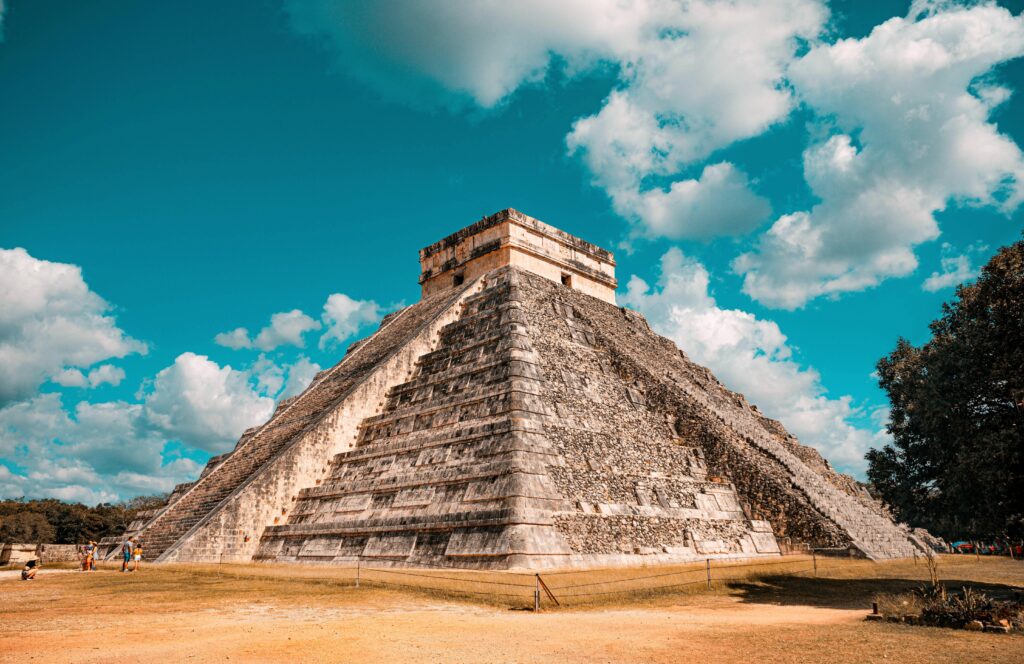
| Chichen Itza | $30 |
| Museums | $3–$8 |
| Cenote entrance | $5–$12 |
| Tours and excursions | $35–$90 |
Entrance fees have increased slightly in recent years due to tourism demand.
1-week Mexico trip cost breakdown
| Category | Cost |
|---|---|
| Flights | $600 |
| Accommodation | $450 |
| Food | $230 |
| Transport | $170 |
| Activities | $200 |
| Total | $1650 |
2-week Mexico trip cost breakdown
| Category | Cost |
|---|---|
| Flights | $600 |
| Accommodation | $900 |
| Food | $460 |
| Transport | $300 |
| Activities | $360 |
| Total | $2620 |
Cost of popular destinations in Mexico
| Destination | Daily budget |
|---|---|
| Mexico City | $80–$130 |
| Oaxaca | $70–$120 |
| Cancun | $130–$210 |
| Tulum | $140–$230 |
Beach destinations are the most expensive part of Mexico.
The biggest price gap in Mexico exists between beach destinations and inland cities. Mexico City and Oaxaca remain affordable cultural hubs, while Cancun and Tulum cater heavily to international tourism. Choosing one beach destination instead of multiple can significantly reduce your total trip cost.
Backpacking vs mid-range vs luxury budgets
| Style | 2 weeks total |
|---|---|
| Backpacker | $1900–$2300 |
| Budget | $2300–$2700 |
| Mid-range | $2700–$3600 |
| Luxury | $5500+ |
Sample 10-day itinerary budget
Mexico City → Oaxaca → Cancun
| Category | Cost |
|---|---|
| Flights | $600 |
| Hotels | $700 |
| Food | $300 |
| Transport | $240 |
| Activities | $260 |
| Total | $2100 |
Sample 2-week backpacker itinerary budget
| Category | Cost |
|---|---|
| Flights | $550 |
| Hostels | $300 |
| Food | $380 |
| Transport | $280 |
| Activities | $280 |
| Total | $1790 |
Best time to visit for cheap travel
Cheapest months
May–June
September–November
Peak season
December–April
Traveling outside peak season offers major savings.
Traveling during shoulder season can reduce accommodation prices by 20–40%, especially in beach destinations. Late spring and early autumn offer warm weather, fewer crowds and better deals on flights and hotels. Avoiding major holidays like Christmas, New Year and Easter can also save a significant amount.
Mexico vs USA cost comparison
| Country | Daily budget |
|---|---|
| Mexico | $65–$130 |
| USA | $150–$250 |
Decision table
| Traveler type | Verdict |
|---|---|
| Backpackers | Excellent value |
| Couples | Great mid-range destination |
| Families | Affordable vacations |
| Luxury travelers | Excellent resort value |
Expanded money-saving tips
Use long-distance buses instead of flights.
Travel outside peak season.
Eat street food frequently.
Stay outside resort zones.
Tipping culture (propina)
Tipping is expected in Mexico. Restaurants typically expect 10–15%, and small tips are common for hotel staff and tour guides. This hidden cost can add $5–$15 per day to your budget.
FAQ
Is Mexico cheap to visit in 2026?
Mexico still offers great value, but the strong peso and inflation mean that Mexico City and Tulum prices are now closer to Southern Europe than Southeast Asia.
How much spending money per day?
Most travelers spend $65–$130 per day.
Is Mexico cheaper than Europe?
Yes, but the difference is smaller than it used to be.
Do you need cash?
Yes, cash is widely used.
Is Mexico good for budget travel?
Yes, especially outside resort areas.