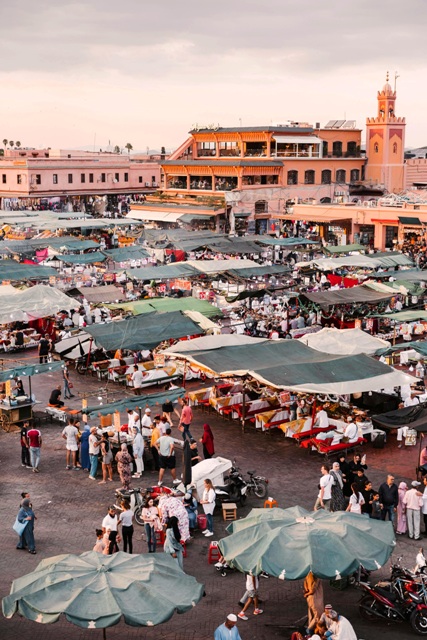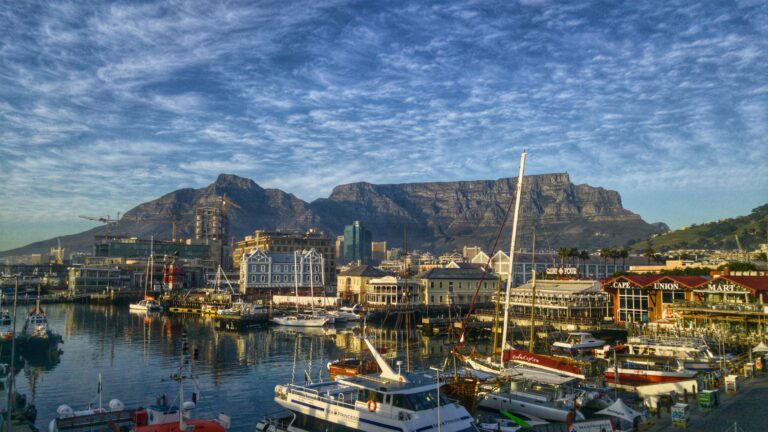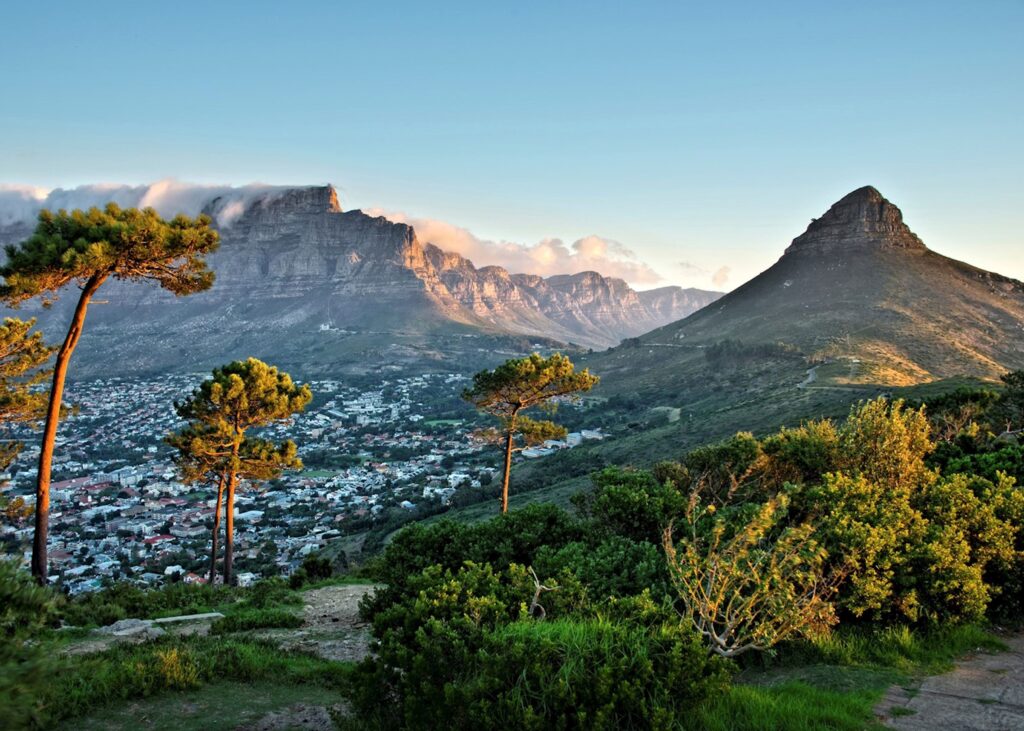
If you’re wondering how much does a trip to South Africa cost, this guide breaks down flights, accommodation, food, transport, activities, and safari prices with real-world examples.
South Africa is one of those places people think they understand—until they actually start planning. Some travelers assume it’s a “cheap Africa trip.” Others picture luxury safari lodges and decide it must be wildly expensive. The truth is (annoyingly) in the middle: South Africa can be very affordable or it can drain your wallet fast, and the difference usually comes down to three things:
- Flights (often the biggest expense)
- How you move around (car rental vs tours vs domestic flights)
- Safari choices (self-drive Kruger vs private reserve lodge)
In this guide, I’ll break down the real costs of a South Africa trip—accommodation, food, transport, activities, and safaris—and then I’ll give you clear budget examples for a 10–14 day itinerary so you can stop guessing and start planning.
Whether you’re going backpacker-mode, doing a comfortable mid-range trip, or building your dream safari-heavy route, you’ll leave knowing what South Africa will likely cost for your style of travel.
What impacts the cost of a South Africa trip?
Before we jump into price ranges, here’s what actually moves the budget up or down:
1) Season (and it matters more than you think)
- Peak season (summer holidays + good Cape Town weather) pushes up accommodation prices fast.
- Safari areas can have their own peak periods too, especially around school holidays.
2) Cape Town vs everywhere else
Cape Town is usually the priciest part of South Africa for accommodation and activities. If you’re spending most of your time there, read this guide on Cape Town travel costs for tourists.
3) Your transport style
South Africa is not a “just hop on a train” country.
- Renting a car can be great value if you’re confident driving.
- If you rely on guided tours and transfers, costs rise quickly.
4) Safari choices
This is the big one.
- Self-drive Kruger + basic rest camps can be surprisingly budget-friendly.
- Private reserves + all-inclusive lodges can cost more per night than your entire week in Cape Town.
Is South Africa expensive to visit?
When people ask how much does a trip to South Africa cost, the answer depends less on daily prices and more on flights and safari choices.
For most travelers, South Africa is not expensive on a day-to-day basis compared to many Western countries—especially once you’re on the ground. Food, local services, and many activities can feel like good value.
But South Africa can become expensive when you add:
- long-haul flights,
- car rental + insurance,
- and (especially) safari lodges.
A helpful way to think about it:
- If you skip luxury safari lodges, South Africa can be a very affordable big-trip destination.
- If safari lodges are the main goal, South Africa can easily become a high-end trip.
Either way, you don’t need to guess—because the next sections break it down item by item. When comparing regions with strong value for money, this breakdown of the best countries to travel in South America helps travelers decide where their budget stretches furthest.
Flight costs to South Africa
For most people, flights are the single biggest cost of a South Africa trip. Once you land, prices often feel reasonable—but getting there can make or break your budget.
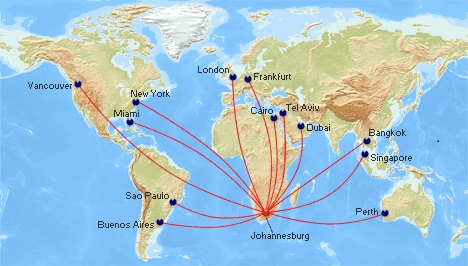
Average flight prices (round trip)
These are realistic economy-class ranges, not unicorn deals:
- From Europe: €600 – €1,000
Western Europe usually has the best prices. Eastern Europe can be slightly higher or require longer layovers. - From North America: $800 – $1,400
East Coast cities are generally cheaper than West Coast. - From elsewhere (Middle East / Asia): highly variable, but often competitive via major hubs.
Prices fluctuate a lot, but if you see something in the lower half of these ranges, it’s usually worth grabbing.
Best time to find cheaper flights
Flight prices to South Africa are strongly seasonal.
Cheapest periods (generally):
- Late winter to early spring (around August–September)
- Shoulder months when Cape Town weather is still good but demand is lower
Most expensive periods:
- December–January (South African summer + holidays)
- Late summer when Cape Town is at peak popularity
If your dates are flexible, shifting your trip by even 2–3 weeks can save hundreds.
Direct vs connecting flights
- Direct flights are convenient but usually more expensive.
- One-stop flights via major hubs are often much cheaper and only add a few hours.
For budget-conscious travelers, one connection is usually the sweet spot between price and comfort.
Arrival airports (and why it matters)
Most international travelers land in:
- Cape Town or
- Johannesburg
This choice affects cost:
- Flying into Johannesburg is often cheaper.
- Flying into Cape Town can save money later if your itinerary starts there.
Many travelers save money by:
- Flying into Johannesburg
- Flying out of Cape Town (or the reverse)
This avoids backtracking and can reduce domestic travel costs.
How to keep flight costs down
A few practical tips that actually work:
- Book 2–4 months in advance for the best balance of price and availability
- Be flexible with departure days (midweek is often cheaper)
- Compare one-way + return combinations instead of only round trips
- Don’t assume “last minute” deals will appear—they usually don’t for South Africa
Flight cost reality check
If you’re budgeting for South Africa, a safe assumption is:
- Flights = 30–45% of your total trip cost (for non-luxury trips)
This is why South Africa can feel expensive upfront—but much more affordable once you’re there.
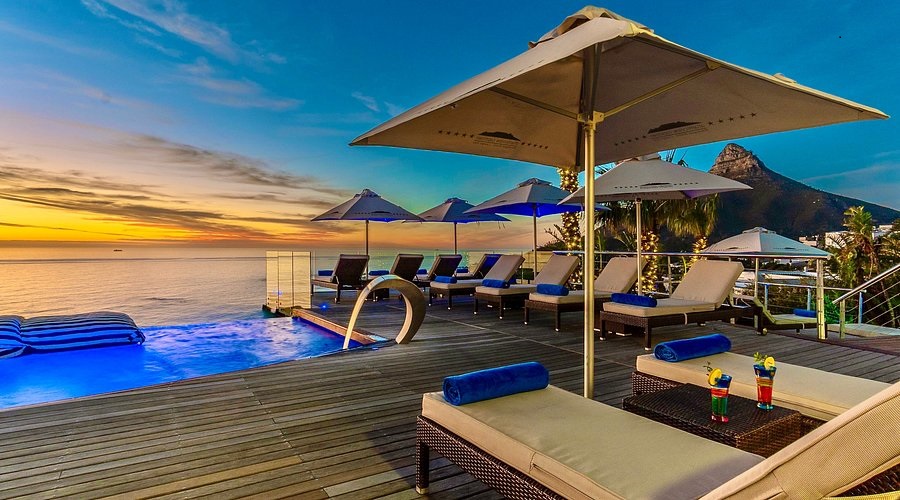
Accommodation costs in South Africa
Accommodation in South Africa offers excellent value for money, especially outside of ultra-luxury safari lodges. You can sleep comfortably on a budget, upgrade easily to mid-range, or go all-in on luxury—often for less than you’d pay in Europe or North America.
Budget accommodation
If you’re traveling on a tighter budget, South Africa is very forgiving.
Typical options:
- Hostels (private rooms available)
- Guesthouses
- Budget hotels
Average prices per night:
- Dorm bed: €10–€20
- Private room (budget): €25–€45
Many guesthouses include:
- Free Wi-Fi
- Breakfast
- Secure parking
Outside Cape Town, prices are often at the lower end of these ranges.
Mid-range accommodation (best value)
This is where South Africa really shines.
Typical options:
- Boutique hotels
- Well-rated Airbnbs
- Comfortable guesthouses
Average prices per night:
- €60–€100 for a double room
At this level, you usually get:
- Spacious rooms
- Great locations
- Friendly hosts
- Often breakfast included
For couples or friends sharing, mid-range stays often feel like luxury for the price.
Luxury accommodation (non-safari)
Luxury hotels in cities and coastal areas are cheaper than you might expect, especially compared to Europe.
Average prices per night:
- €120–€250+
You’ll find:
- High-end hotels in Cape Town
- Scenic lodges along the coast
- Wine estate stays with premium service
If you want a few “wow” nights without destroying your budget, South Africa makes that possible.
Safari accommodation (important distinction)
Safari stays are a separate category and can dramatically affect your total trip cost.
- Budget safari camps / rest camps: affordable, often self-catered
- Private safari lodges: all-inclusive, high-end, expensive
I’ll break down safari costs in detail later, but for now remember:
A single night in a private safari lodge can cost more than a full week of budget accommodation elsewhere in South Africa.
Where prices are highest
- Cape Town (especially central areas and peak season)
- Popular coastal towns during holidays
- Private safari reserves
Prices drop significantly in:
- Smaller cities
- Inland regions
- Off-season months
Accommodation cost snapshot (per night)
- Budget: €15–€40
- Mid-range: €60–€100
- Luxury (non-safari): €120–€250+
Accommodation is rarely the problem when budgeting South Africa—your choices define the cost.
Food & daily expenses in South Africa
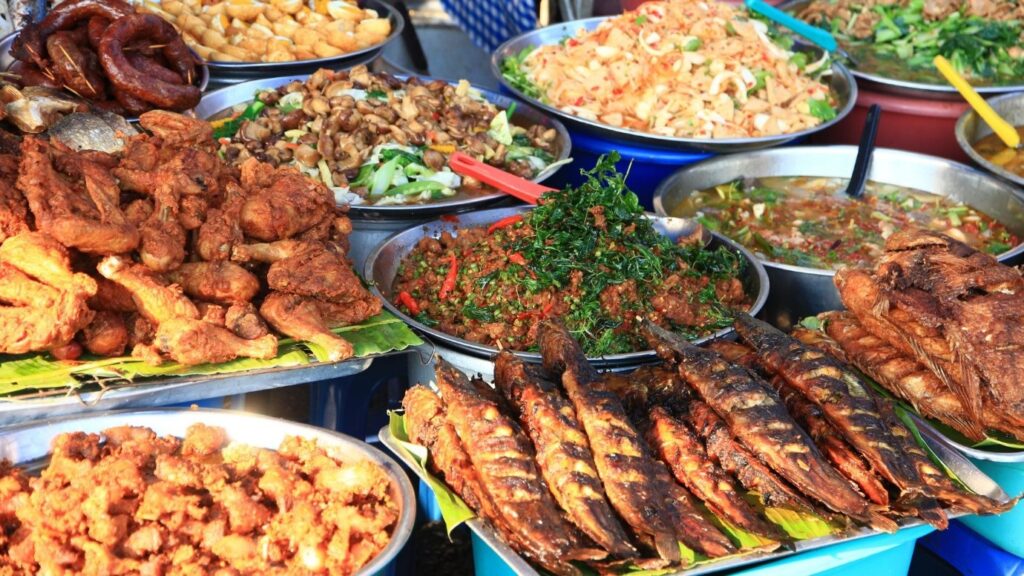
Food is one of the pleasant surprises of traveling in South Africa. You can eat well on a budget, enjoy restaurant meals regularly, and still spend far less than you would in most Western countries.
Eating out: what to expect
South Africa has a strong restaurant culture, especially in cities and tourist areas.
Typical prices:
- Street food / casual takeaway: €3–€6
- Local restaurant meal: €6–€12
- Mid-range restaurant (main + drink): €12–€20
- Nice restaurant / wine bar: €20–€30
Even in Cape Town, good food is affordable compared to Europe.
Groceries & self-catering
If you’re staying in guesthouses or Airbnbs:
- Groceries are inexpensive
- Supermarkets are well-stocked and high quality
Typical daily grocery spend:
- €5–€10 per person
This makes South Africa great for longer trips or slow travel.
Drinks & coffee
- Coffee: €1.50–€2.50
- Local beer: €1.50–€3
- Glass of wine: €2–€4
South Africa produces excellent wine, and prices are a bonus for travelers.
Tipping culture (important to know)
Tipping is expected in restaurants and service industries.
- Restaurants: 10–15%
- Guides / drivers: small tips appreciated
It won’t break your budget, but it should be factored in.
Daily food budget estimates
- Budget traveler: €10–€15/day
- Mid-range traveler: €20–€30/day
- Comfortable / foodie: €30–€40+/day
Unless you eat at high-end restaurants every day, food costs are very manageable.
Other small daily costs
- SIM card & data: cheap and reliable
- Toiletries & basics: similar or cheaper than Europe
- ATM withdrawals: small fees may apply
These are minor, but together they add up—plan a small buffer.
Food cost reality check
Food is not where you need to save money in South Africa. It’s one of the best-value parts of the trip and worth enjoying.
Transportation costs in South Africa
Transportation is one of the most important budget factors in South Africa. How you choose to move around can make your trip either smooth and affordable—or unnecessarily expensive.
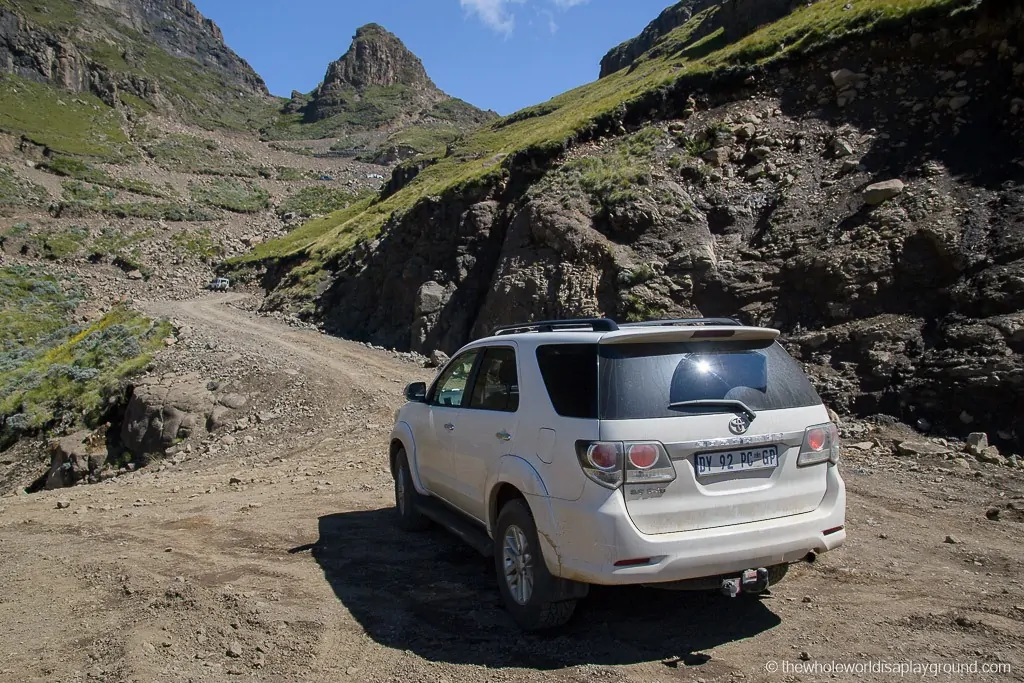
Renting a car (most common choice)
For most travelers, renting a car is the best value option.
Typical costs:
- Economy car: €20–€35 per day
- Insurance (recommended): €5–€10 per day
- Fuel: €1–€1.30 per liter (approximate)
With two people sharing, car rental is often cheaper than tours and gives you full flexibility.
Why car rental makes sense:
- Roads are generally good
- Distances are long
- Many attractions aren’t accessible by public transport
Domestic flights
If you’re covering long distances, flying domestically can save time.
Common routes:
- Johannesburg ↔ Cape Town
- Johannesburg ↔ Durban
- Cape Town ↔ Durban
Typical prices (one-way):
- €40–€100
Booking in advance usually keeps prices low.
Public transport (use with caution)
Public transport exists but is not ideal for tourists.
- Minibus taxis: cheap but confusing and not recommended for visitors
- Trains: limited and unreliable outside specific routes
- City buses: improving, but still limited
Most travelers avoid relying on public transport entirely.
Ride-hailing Apps (very useful)
Services like ride-hailing apps work well in major cities.
Typical city rides:
- €2–€6 for short distances
Great for:
- Airport transfers
- Nights out
- Short city trips when you don’t want to drive
Tours & transfers
Guided tours can be convenient but add up quickly.
Day tours:
- €40–€120 depending on length and inclusions
Best used selectively rather than daily.
Transport budget snapshot (per day)
- Budget traveler (car share or limited movement): €10–€20
- Mid-range traveler (car rental): €20–€35
- Tour-heavy itinerary: €40+
Transportation is where planning pays off the most.
Activities & sightseeing costs in South Africa
Beyond safaris, South Africa offers a huge variety of activities—from city attractions to nature experiences—and many of them are surprisingly affordable. This is one area where you can easily control your budget by choosing what matters most to you.
Cape Town activities (most popular stop)
Cape Town has the highest concentration of paid attractions, but even here, costs are reasonable.
Typical prices:
- Table Mountain cable car: €20–€30
- Robben Island tour: €30–€35
- Museums & cultural sites: €3–€10
- Guided city or peninsula tour: €50–€90
Many of Cape Town’s highlights—beaches, viewpoints, hikes—are completely free, which helps balance paid attractions.
Nature & outdoor experiences
South Africa is a dream destination for outdoor lovers, and nature is often low-cost.
Common activities & costs:
- National park entry (non-safari): €5–€15
- Hiking trails: free or small access fee
- Coastal walks & beaches: free
- Scenic drives (Garden Route, Cape Peninsula): fuel cost only
You don’t need a big activity budget to enjoy the country’s landscapes.
Wine regions & food experiences
If you visit areas like Stellenbosch or Franschhoek:
- Wine tasting: €5–€15
- Wine tram or guided tour: €25–€40
- Restaurant meals at estates: optional but good value
Wine tourism is one of South Africa’s best-value splurges.
Adventure activities (optional splurges)
For adrenaline lovers:
- Shark cage diving: €120–€180
- Bungee jumping: €60–€90
- Paragliding / skydiving: €80–€150
These are optional, but worth factoring in if they’re on your bucket list.
Daily activity budget (average)
- Low-key traveler: €0–€10/day
- Balanced sightseeing: €15–€30/day
- Activity-heavy trip: €40+/day
Most travelers naturally fall into the middle range.
Activity cost reality check
You don’t need to “buy experiences” every day in South Africa. The country rewards slow travel, scenic drives, and free outdoor activities just as much as paid tours.
Daily budget examples (what you’ll actually spend)
These examples show how much a trip to South Africa costs per day depending on whether you travel on a budget, mid-range, or safari-focused itinerary.
This is where everything comes together. Instead of abstract price lists, here’s what a realistic daily budget looks like in South Africa, based on different travel styles.
These are per person, per day, excluding international flights.
🟢 Budget traveler (backpacker / low-cost trip)
Who this is for:
Solo travelers, backpackers, or anyone keeping costs tight and flexible.
Typical daily costs:
- Accommodation (hostel / budget guesthouse): €20–€35
- Food (mix of groceries + cheap eats): €10–€15
- Transport (shared car, limited movement): €10–€15
- Activities: €5–€10
👉 Total per day: €45–€75
You’ll still eat well, sleep comfortably, and see a lot—especially if you limit tours and skip luxury safaris.
🔵 Mid-range traveler (most people)
Who this is for:
Couples or friends sharing rooms, renting a car, and mixing paid activities with free ones.
Typical daily costs:
- Accommodation (mid-range hotel / Airbnb): €60–€100
- Food (restaurants + coffee): €20–€30
- Transport (car rental + fuel): €20–€30
- Activities: €15–€25
👉 Total per day: €115–€185
This is the sweet spot for South Africa—comfortable, flexible, and excellent value for money.
🟣 Safari-focused / comfort traveler
Who this is for:
Travelers prioritizing safari lodges, guided experiences, and convenience.
Typical daily costs:
- Accommodation (mix of hotels + safari lodge nights): €150–€350+
- Food (often included at lodges): €20–€30
- Transport (car + flights + transfers): €30–€50
- Activities & safaris: €50–€150+
👉 Total per day: €250–€500+
At this level, safari choices dominate the budget. For most travelers researching how much does a trip to South Africa cost, the mid-range budget offers the best balance of comfort and value.
What these numbers mean
- South Africa is very flexible budget-wise
- Two travelers sharing costs spend less per person
- Safari nights create spikes—plan around them
You don’t need to travel “cheap” to get value here—but you do need to be intentional.
How much does a 10–14 day trip to South Africa cost?
Now let’s turn daily budgets into real trip totals. These examples assume a well-paced itinerary (Cape Town + one other region, with or without safari), not rushing across the entire country.
All totals below are per person and include international flights.
🟢 Budget trip (10–14 Days)
Travel style:
Hostels or budget guesthouses, limited tours, self-drive or shared transport, optional budget safari.
Cost breakdown (approx.):
- Flights: €700–€900
- Accommodation (12 nights avg): €300–€450
- Food: €150–€200
- Transport (car share / buses / short flights): €150–€250
- Activities & optional safari: €150–€250
👉 Total trip cost: €1,450 – €2,050
This is very achievable for flexible travelers and long stays.
🔵 Mid-range trip (10–14 Days)
Travel style:
Comfortable hotels or Airbnbs, rental car, regular dining out, 1–2 safari days.
Cost breakdown (approx.):
- Flights: €700–€1,000
- Accommodation (12 nights): €750–€1,200
- Food: €250–€350
- Transport (car rental + fuel + short flights): €250–€350
- Activities & safari: €300–€500
👉 Total trip cost: €2,250 – €3,400
This is the most common and balanced way to experience South Africa.
🟣 Safari-heavy / comfort Trip (10–14 Days)
Travel style:
Mix of hotels and private safari lodges, guided tours, minimal self-driving.
Cost breakdown (approx.):
- Flights: €800–€1,200
- Accommodation (hotels + safari lodges): €1,500–€3,000+
- Food: mostly included at lodges
- Transport (flights + transfers): €400–€600
- Activities & safaris: €600–€1,200+
👉 Total trip cost: €3,800 – €6,000+
Here, safari lodges are the dominant expense.
Key takeaway
- €1,500–€2,000 → realistic low-budget trip
- €2,500–€3,000 → very comfortable South Africa experience
- €4,000+ → premium safari-focused journey
South Africa rewards smart planning more than big spending. These totals give a realistic picture of how much a trip to South Africa costs once flights and safaris are included.
Is South Africa worth the cost?
For most travelers, the answer is yes—absolutely, as long as expectations are realistic.
South Africa offers something few destinations can match:
world-class nature, wildlife, beaches, cities, wine regions, and cultural experiences in one country, often at prices lower than comparable destinations elsewhere.
What makes South Africa especially good value is choice:
- You can travel comfortably on a mid-range budget
- You can keep costs low with smart planning
- Or you can selectively splurge where it matters (like safari)
The country rewards travelers who plan intentionally rather than those who assume everything is either “cheap” or “luxury.”
Frequently Asked Questions about South Africa trip costs
Is South Africa cheaper than Europe?
On the ground, yes.
Compared to Western Europe, daily expenses are often lower, especially when you look at how much a trip to Europe costs. Flights and safari costs are what usually make South Africa more expensive overall.
Can you travel South Africa on a budget?
Yes. A budget trip is realistic if you:
- Use guesthouses or hostels
- Limit tours
- Self-drive instead of booking transfers
- Choose budget safari options or skip safari entirely
Is South Africa expensive for solo travelers?
It can be slightly more expensive for solo travelers because:
- Car rental costs aren’t shared
- Private rooms cost more per person
That said, solo travel is still very doable with careful budgeting.
Do you need a safari to enjoy South Africa?
No.
Safaris are amazing, but South Africa has enough beaches, cities, wine regions, and natural scenery to justify a trip even without one.
How much money should I budget per day?
A safe estimate:
- Budget: €50–€75/day
- Mid-range: €120–€180/day
- Safari-focused: €250+/day
Flights are extra.
Final thoughts: planning your South Africa budget
South Africa isn’t the cheapest destination in the world—but it’s one of the best-value long-haul trips you can take.
If you plan smartly:
- Keep flights reasonable
- Balance self-driving with selective tours
- Treat safari as a choice, not a requirement
…you’ll get an experience that feels far more expensive than it actually is.
If you’re also working out routes, timing, and logistics, check out our detailed guide on how to plan a trip to South Africa.