Albania is considered a safe destination for tourists in 2026, including solo travelers and families. Violent crime is rare, locals are welcoming, and the country has become one of Europe’s fastest-growing travel destinations. Most visitors experience a smooth, trouble-free trip.
However, like anywhere in Europe, travelers should understand common scams, road safety, and practical precautions before visiting.
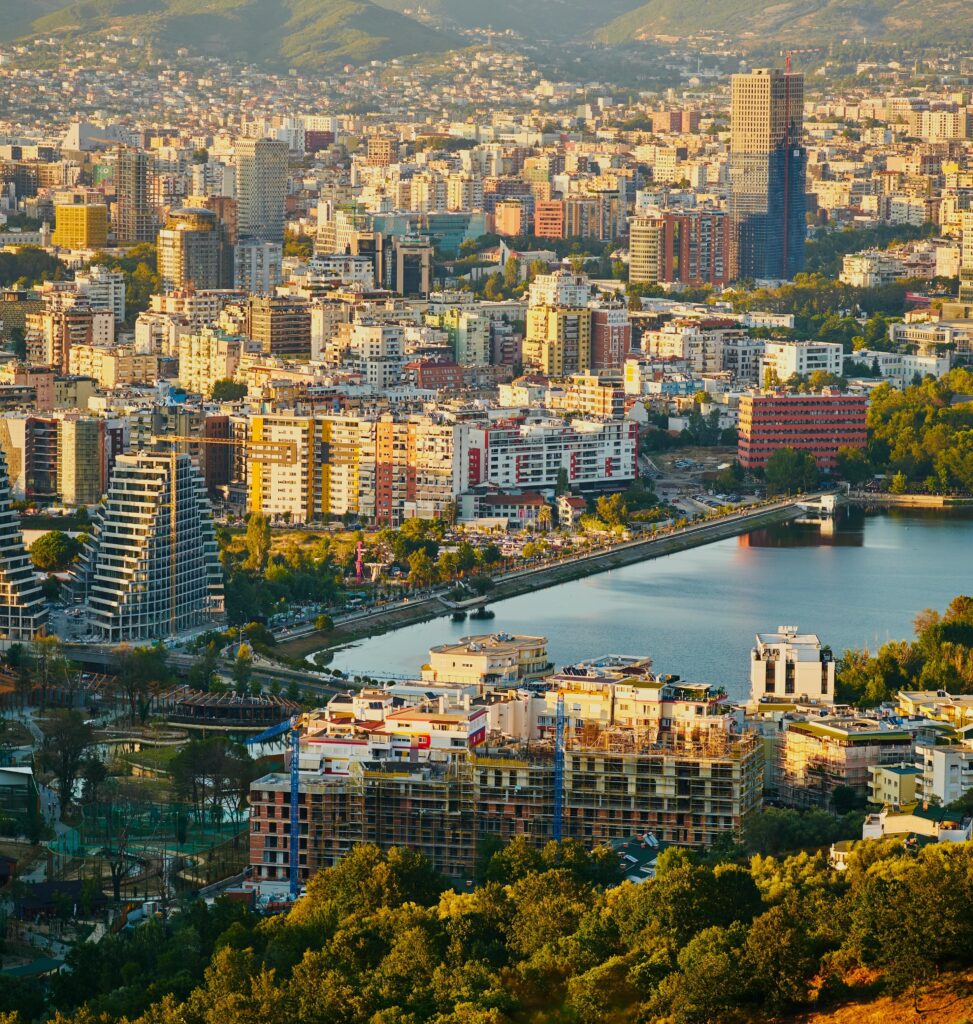
Quick answer
Yes — Albania is generally safe to visit. The main risks for tourists are petty theft, taxi scams, and chaotic driving rather than serious crime. With basic travel awareness, Albania is one of the safest and most welcoming countries in the Balkans.
⚠️ Current Safety Update: February 2026 Protests
As of February 17th 2026, there is an active demonstration alert in central Tirana. Protests have been centered around Dëshmorët e Kombit Boulevard, specifically the area between Skanderbeg Square and Mother Teresa Square near the Prime Minister’s office.
While tourists are not targets, recent rallies have involved the use of Molotov cocktails and tear gas. If you are in Tirana this week: Avoid large crowds near government buildings in the evenings.
- Monitor local news (like Albanews or Euronews Albania) for road closures.
- The rest of the city and the country (including the Riviera) remain completely unaffected and safe.
Overall safety in Albania
Albania has changed dramatically in the last decade. Tourism has grown quickly, infrastructure has improved, and crime targeting tourists remains low.
Most travelers are surprised by how friendly and helpful locals are, especially toward foreigners.
Key safety overview:
- Violent crime against tourists is rare
- Pickpocketing exists but is not widespread
- Tourist areas are safe day and night
- Locals are very protective of guests
- Solo travel is common and comfortable
For most visitors, Albania feels safer than many major Western European cities.
Crime in Albania: what tourists should expect
Violent crime involving tourists is extremely rare. Incidents usually occur between locals and rarely involve visitors. You can walk in busy areas at night without feeling unsafe in most cities.
Petty theft exists but is not a major issue. Still, use common sense:
- Keep valuables in zipped bags
- Avoid leaving phones on café tables
- Watch belongings on buses and beaches
This is the same level of caution you’d use anywhere in Europe.
Common scams in Albania
Scams exist in tourist areas, but they are usually minor and easy to avoid.
Taxi scams
Taxi Scams & Prices: While most drivers are honest, the “no meter” trick is still common. For 2026, the official Tirana Airport to City Center taxi rate is fixed at 2,500 ALL (approx. €25).
Pro Tip: Look for the official yellow airport taxis (Auto Holiday Albania). If you want a better deal, use an app like Lux Taxi or Bee Taxi, which often offer a fixed price of 1,100–1,500 ALL (€11–€15) if booked via WhatsApp.
Currency confusion
Albania uses the Albanian lek, not euros. Always confirm which currency is being used before paying.
Overpriced beach services
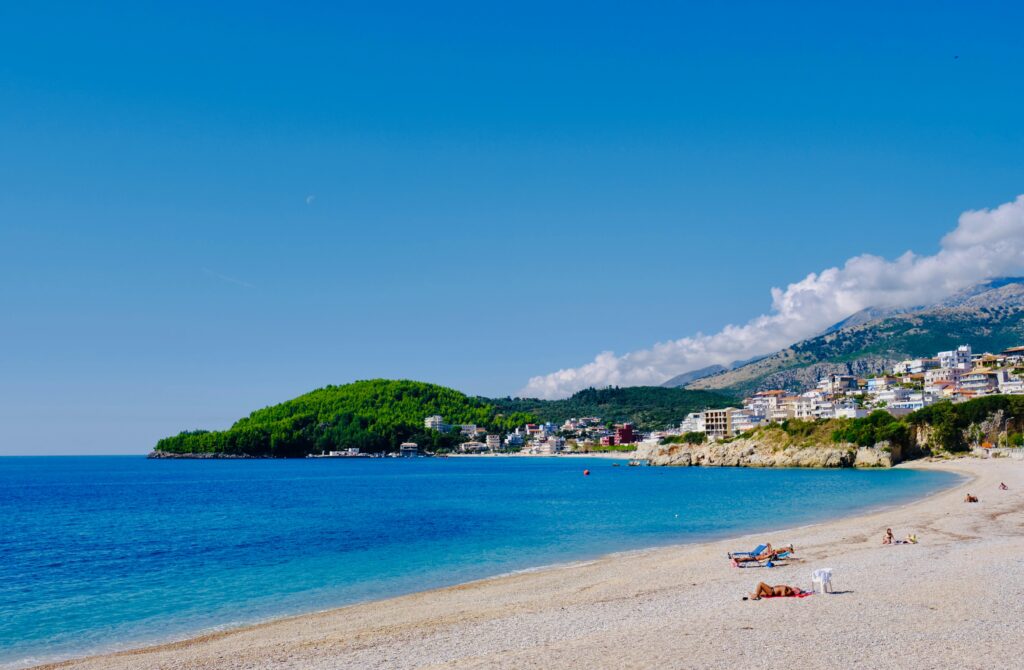
On the Albanian Riviera, some private beaches charge high umbrella or parking fees. If you’re planning coastal travel, check our guide to the best beaches in Albania.
Is Albania safe for solo travelers?
Yes — Albania is becoming a top solo travel destination in Europe. Friendly locals, low costs, and easy travel routes make it ideal for independent trips.
Accommodation is also affordable and social. If you’re deciding where to stay, see our guide to the best hostels in Tirana and Sarandë.
Is Albania safe for solo female travelers?
Albania is considered safe for solo female travel. Many women report feeling comfortable walking alone even at night in central areas.
Tips for female travelers:
- Dress modestly in rural areas
- Avoid poorly lit streets late at night
- Use official taxis after midnight
Harassment levels are lower than in many Western European cities.
Transport safety in Albania
Driving is the biggest safety challenge. Expect aggressive driving styles and limited road lighting.
If you plan to travel between cities, public transport is widely used. Learn exactly how it works in our guide to how to use furgon buses in Albania.
Night Driving: Avoid driving between cities after dark in 2026. While the main SH2 highway is fine, many rural roads still have no street lighting, unmarked roadworks, and the occasional horse-drawn carriage or unlit vehicle. It is significantly safer to travel during daylight hours.
Money and ATM safety
Card payments are not accepted everywhere, so cash is essential. Avoid unnecessary fees by reading our guide to getting cash in Albania without ATM fees.
Is Albania expensive and safe?
Many travelers worry that cheap destinations may be unsafe. In reality, Albania is both affordable and secure. You can read a full breakdown of how expensive Albania is for tourists.
Natural hazards and outdoor safety
Albania is perfect for outdoor adventures, but preparation is important. Carry water, use sunscreen, and avoid remote hikes alone.
Hiking Safety & Landmines: If you are heading to the northeast border area with Kosovo (near the northern hill towns), be aware that unexploded landmines are still a risk in remote, uncultivated fields.
- Rule of Thumb: Always stay on paved roads or well-marked trails. Never step off a marked path in this specific region without a local guide.
Common mistakes travelers make
Driving long distances at night
Not confirming taxi prices
Expecting card payments everywhere
Hiking without preparation
Underestimating summer heat
Final verdict: is Albania safe?
Yes — Albania is safe, welcoming, and easy to travel with basic precautions. For most visitors, the biggest surprise is how safe and friendly the country feels.
FAQ
Is Albania safe for tourists right now?
Yes, Albania is considered safe with low violent crime and welcoming locals.
Is Tirana safe at night?
Yes, central Tirana is generally safe to walk at night.
Is public transport safe in Albania?
Yes, buses and furgons are widely used and safe.
Do tourists get targeted by crime in Albania?
Tourists are rarely targeted. Petty theft is the main risk.