Morocco is often described as a cheap destination, but the reality is more nuanced. For most travelers, a trip to Morocco costs between €40 and €120 per person per day, depending on travel style, season, and which cities you visit. Budget travelers can keep daily costs low with local transport and simple accommodation, while mid-range travelers often see prices rise quickly in popular places like Marrakech.
What makes Morocco tricky to budget is how uneven costs are. Food and transport are generally affordable, but accommodation in tourist-heavy cities, guided tours, and desert trips can inflate expenses fast. Understanding where the money actually goes helps set realistic expectations — especially when comparing Morocco with places like how much a trip to Europe costs.
If you’re comparing destinations in Africa, you may also want to know how much a trip to South Africa costs.
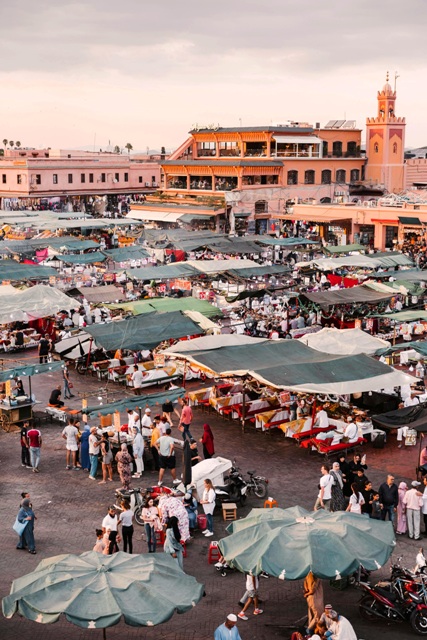
How much does a trip to Morocco cost by travel style
Backpacking / Budget travel
Daily budget: €35–€55
Morocco works well for budget travelers who are comfortable with basic accommodation and local food.
Budget travelers can save even more by using these budget travel hacks.
- Accommodation: hostels, simple riads, or budget hotels (€8–€20 per night)
- Food: street food, bakeries, local cafés (€5–€10 per day)
- Transport: buses, shared taxis, trains (€5–€10 per day)
- Activities: mostly free sights, occasional low entry fees
In practice, I found that choosing small local cafés instead of tourist-oriented riads had a bigger impact on daily spending than trying to cut accommodation quality further.
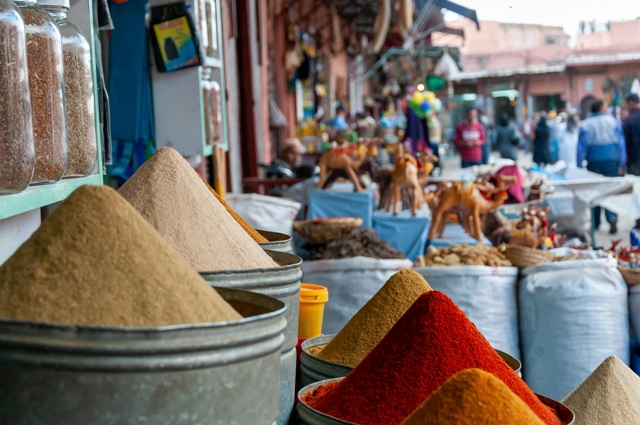
Mid-range travel
Daily budget: €70–€100
This is where many travelers land — comfortable, but not luxurious.
- Accommodation: well-rated riads or 3–4★ hotels (€40–€80 per night)
- Food: mix of local restaurants and tourist spots (€15–€25 per day)
- Transport: trains plus taxis for convenience
- Activities: museums, hammams, guided day trips
Cities like Marrakech and Fes drive prices up quickly, especially for riads inside prime medina locations.
Luxury travel
Daily budget: €150+
Luxury travel in Morocco is concentrated in:
- high-end riads
- resort hotels
- private drivers and curated desert tours
Costs rise fast, and value depends heavily on what’s included rather than the destination itself.
Cost breakdown: where the money goes
Flights
Flights from Europe are often affordable, especially with low-cost carriers. Return fares typically range from €50 to €200, depending on season and departure city.
Accommodation
This is the biggest variable.
- Budget: €8–€20
- Mid-range: €40–€80
- Luxury: €150+
Tourism demand matters more than local living costs.
Choosing cheaper regions works the same way in Europe — see best budget-friendly European vacations for comparison.
Food & drinks
Local food is cheap and filling.
- Street food and cafés: €2–€4 per meal
- Tourist restaurants: €10–€20+
Alcohol is limited and relatively expensive.
Transportation
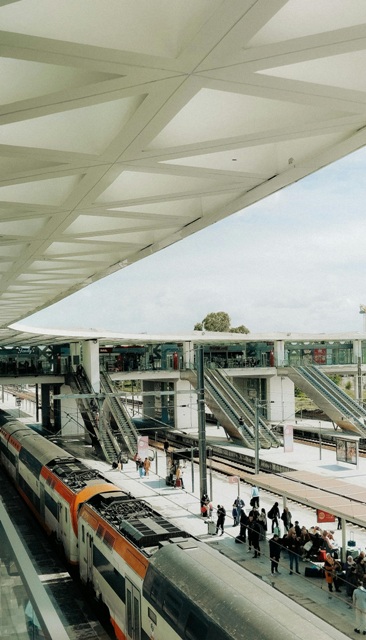
- Trains and buses are reliable and affordable
- Taxis are cheap but often require negotiation
- Private drivers and tours add up quickly
Local transport tip: In Moroccan cities, short rides are usually taken with petit taxis (small city taxis that run on a meter), while grand taxis operate longer shared routes between towns and airports. Always confirm the meter is running in a petit taxi, and agree on the price beforehand for grand taxis to avoid overpaying.
Tipping culture (“baksheesh”): Small tips are common in Morocco for guides, drivers and even minor assistance. While not mandatory, rounding up or leaving a small amount is culturally expected and should be factored into your daily budget.
Attractions & activities
- Historic sites: usually €1–€5
- Guided tours: €20–€50+
- Desert trips: often the single biggest expense
Miscellaneous
- SIM card: €5–€10
- Tips and small fees accumulate over time
Backpacking vs comfort travel: what’s the real difference?
Spending more in Morocco mainly buys:
- better locations
- quieter accommodation
- less time negotiating transport
What’s usually not worth paying extra for:
- overpriced tourist restaurants
- generic guided city tours
- “luxury” desert add-ons with little real difference
Comfort can help, but Morocco punishes overpaying more than many destinations.
How long you stay matters
7 days
Short trips often feel expensive because:
- flights dominate the budget
- fast itineraries push you toward taxis and tours
10–14 days
The best balance for most travelers.
- flights spread out
- more flexibility to use trains and buses
1 month
Longer stays can be surprisingly affordable.
- accommodation discounts
- slower pace lowers daily spend
Morocco rewards slower travel more than rapid city hopping.
Why Morocco can be expensive (and when it isn’t)
Morocco feels expensive when:
- visiting during peak spring or fall
- staying exclusively in tourist hubs
- booking last-minute accommodation
- relying heavily on organized tours
It becomes more affordable when:
- traveling independently
- using local transport
- staying just outside prime medina areas
Compared with travel costs in South Africa, Morocco’s daily basics are cheaper, but tours and accommodation can narrow the gap quickly.
Cheapest and most expensive places in Morocco
Cheaper places
- Chefchaouen — smaller scale, fewer luxury options
- Meknes — lower tourist demand
- Essaouira — competitive accommodation market
- Ouarzazate — budget-friendly base for excursions
More expensive places
- Marrakech — heavy tourism pressure
- Fes (medina) — riads inflate prices
- Desert camps — packaged experiences
- Casablanca — business-priced hotels
Best time to visit Morocco for lower costs
High season
- Spring and fall
- Best weather, highest prices
Shoulder season (best value)
- March–April
- October–November
- Fewer crowds, better prices
Low season
- Summer
- Cheapest accommodation, but extreme heat inland
Shoulder season is also the best time for best places to visit in Europe in spring if you’re planning a multi-destination trip.
Common mistakes that make trips more expensive
- Moving too fast between cities
- Booking riads without checking exact location
- Eating only in tourist restaurants
- Overusing guided tours
- Ignoring public transport options
Realistic tips to save money in Morocco
- Eat where menus are written for locals, not tourists
- Use trains between major cities
- Stay slightly outside prime medina areas
- Compare desert tour operators carefully
- Spend more on accommodation if it saves time and stress
Saving money is not worth it if it means unsafe transport or poor lodging. Packing smart helps reduce costs — check the ultra minimalist budget packing list before traveling.
FAQ — quick, direct answers
Is morocco expensive for tourists?
Not overall. Budget travelers can keep costs low, but mid-range travel in tourist cities adds up quickly.
How much money do I need per day in Morocco?
- Budget: €35–€55
- Mid-range: €70–€100
- Luxury: €150+
Can Morocco be done on a budget?
Yes. Independent travel, local food, and public transport make Morocco affordable.
Is morocco cheaper than Europe?
Yes in general, especially for food and transport. Accommodation in popular cities can approach Southern Europe prices.
You can also read is Europe expensive to visit for a full comparison.