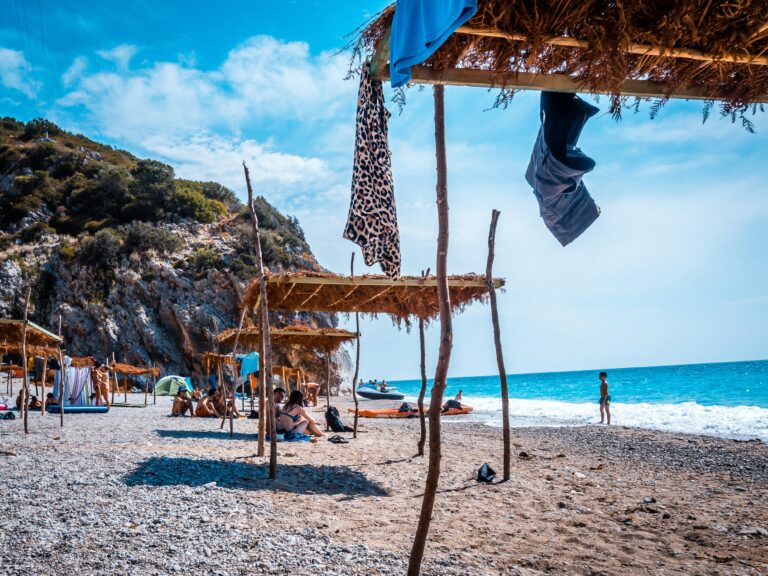
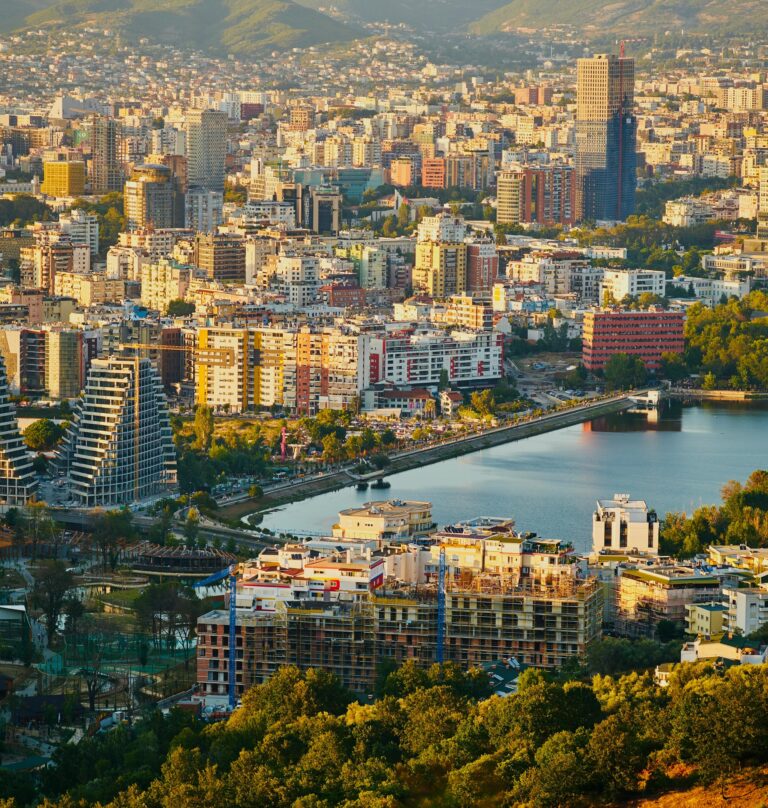
Tirana is one of Europe’s most surprising capital cities. Once a closed communist city, Albania’s capital has transformed into a lively destination filled with colorful buildings, buzzing cafés and fascinating history. Travelers visiting Albania often start their trip in Tirana because it offers a mix of culture, nightlife, food and easy access to mountains and beaches.
Travelers can also check the official Albania tourism website for updated information about attractions, festivals and travel planning resources.
While Albania has gained popularity in recent years, the capital remains one of the most affordable cities in Europe. If you are planning a trip to Albania, it is helpful to understand how much time and money you should plan for Tirana before exploring the rest of the country.
If you want a broader overview of travel prices across the country, read our guide on Is Albania expensive to visit.
Where is Tirana and why visit
Tirana is located in central Albania and serves as the country’s political, economic and cultural center. The city sits about 30 kilometers from the Adriatic Sea and is surrounded by hills and mountains, making it a convenient base for exploring both the coastline and inland destinations.
Travelers visit Tirana for several reasons. First, the city has a unique history shaped by Ottoman rule, Italian influence and decades of communist isolation. Second, Tirana has become a vibrant and youthful city thanks to a large student population and a growing tourism scene.
Unlike many European capitals that can feel overcrowded and expensive, Tirana still feels relatively undiscovered.
Getting around Tirana
Tirana is a relatively compact city, which makes it easy for visitors to explore many attractions on foot. Most of the main sights such as Skanderbeg Square, Blloku and several museums are located within walking distance of each other.
Public buses operate throughout the city and are very affordable. A typical bus ride costs around 40 Albanian lek (about $0.40), making it one of the cheapest ways to move around Tirana. However, the bus system can sometimes be confusing for visitors because routes and stops are not always clearly marked.
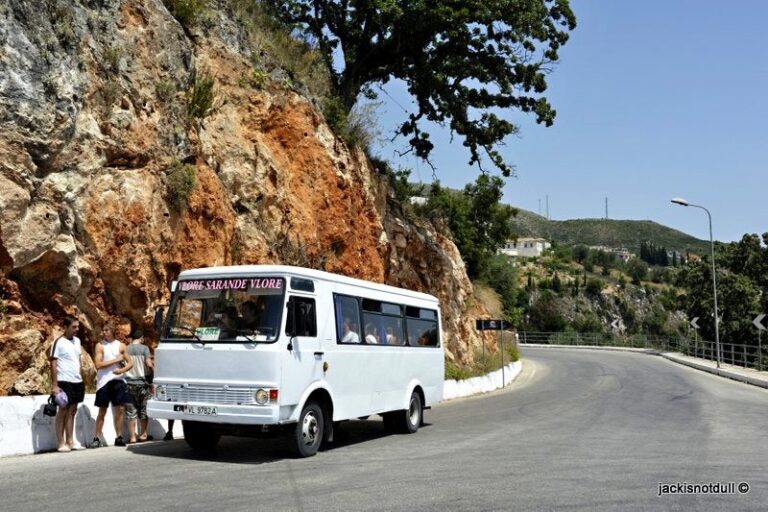
Another common form of transport in Albania is the furgon, a type of shared minibus used for travel between cities and towns. These minibuses are widely used by locals and can be a cheap way to travel across the country. If you plan to explore other destinations outside Tirana, you may want to read our guide to furgon transport in Albania.
Taxis are widely available and relatively inexpensive compared with most European capitals. A short ride within the city center usually costs $3–6, depending on distance and traffic. Ride-hailing apps and local taxi companies are commonly used by both locals and tourists.
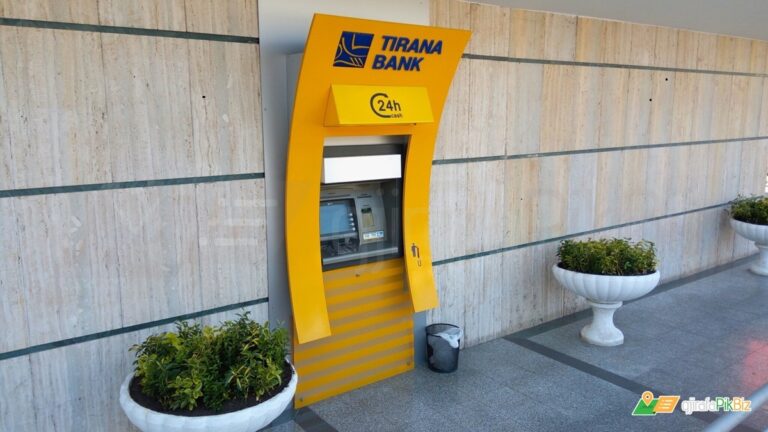
Cash is still widely used in Albania, so travelers should plan to withdraw money from ATMs during their stay. Tirana has many ATMs in the city center, shopping areas and near major hotels. Most machines accept international cards, although fees can vary depending on the bank. For practical tips about withdrawing money while traveling, see our guide on using ATMs while traveling in Albania.
For travelers planning day trips outside the city, Tirana also has a main bus terminal with connections to destinations across Albania, including coastal cities and mountain regions.
Tirana travel guide – best things to see
Tirana has many attractions that can easily fill one or two days of sightseeing.
Skanderbeg Square
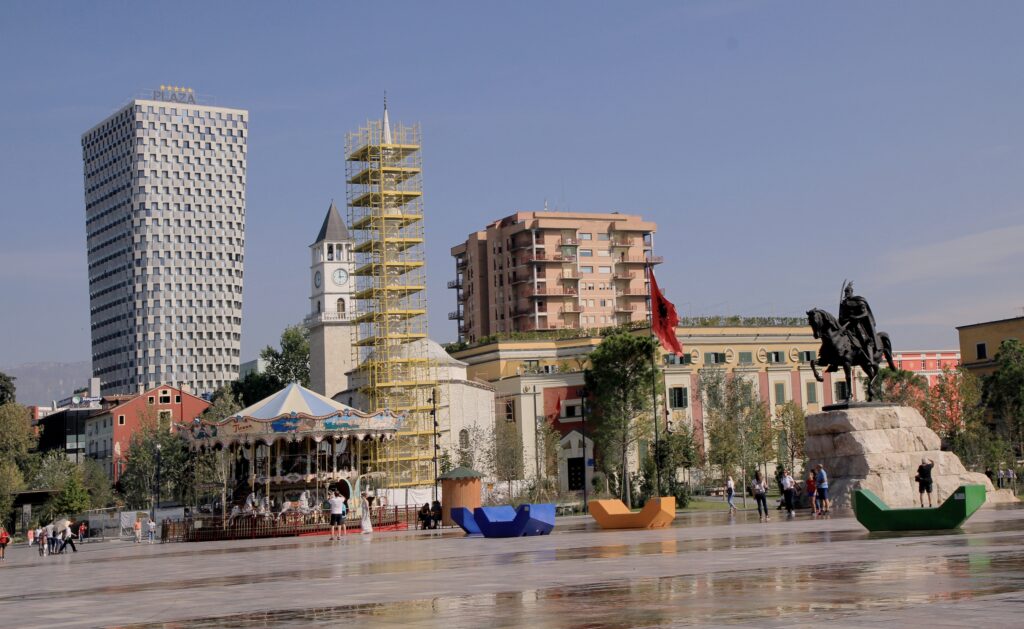
The heart of Tirana is Skanderbeg Square, a huge open plaza surrounded by some of the city’s most important landmarks. Named after Albania’s national hero Gjergj Kastrioti Skanderbeg, the square serves as the cultural and social center of the capital.
The square was completely redesigned in recent years and is now a large pedestrian area paved with stones brought from different regions of Albania. In the center stands the statue of Skanderbeg on horseback, one of the most recognizable symbols of the country.
Around the square you will find several key attractions. The National History Museum, with its large mosaic façade, offers a good introduction to Albania’s past. Nearby stands the Et’hem Bey Mosque, one of the oldest buildings in Tirana and an important example of Ottoman architecture. Visitors can also climb the nearby Clock Tower, which offers a simple but nice view over the square and surrounding city.
Because Skanderbeg Square is surrounded by cafés, museums and government buildings, it is usually the first stop for travelers exploring Tirana.
Bunk’Art museums
One of Tirana’s most unusual attractions is Bunk’Art, a massive underground bunker complex that has been transformed into a museum. During the communist era, Albania built thousands of bunkers across the country due to fears of foreign invasion.
The largest bunker near Tirana was originally designed as a secret shelter for the government and military leaders. Today it has been converted into Bunk’Art 1, a museum that explores Albania’s communist history through exhibitions, photographs and preserved underground rooms.
Another museum, Bunk’Art 2, is located closer to the city center and focuses on the activities of the secret police during the dictatorship.
Walking through these underground tunnels gives visitors a powerful sense of what life was like during Albania’s isolationist period. For travelers interested in history, Bunk’Art is one of the most fascinating places to visit in Tirana.
Mount Dajti cable car
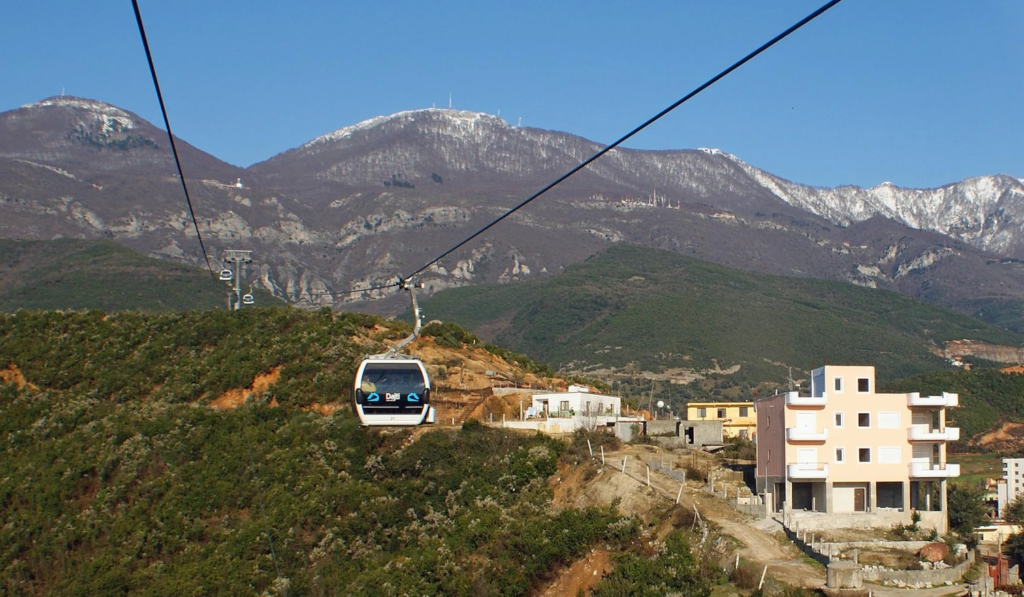
For one of the best panoramic views of Tirana, visitors can take the Dajti Ekspres cable car, which connects the city to Mount Dajti National Park. The cable car ride takes about 15 minutes and travels over forests and hills before reaching the mountain plateau.
Once at the top, visitors can enjoy spectacular views across Tirana and the surrounding countryside. On clear days it is possible to see far beyond the city toward the Adriatic region.
Mount Dajti is also a popular place for hiking, picnics and outdoor activities. There are several restaurants and cafés at the top where travelers can relax while enjoying the mountain scenery.
Because it combines nature, views and a fun cable car ride, Mount Dajti is often one of the highlights of a visit to Tirana.
The Blloku district
Blloku is one of the most interesting neighborhoods in Tirana and a great place to experience the modern side of the city. During the communist era, this district was closed to the general public and reserved for government officials and party leaders.
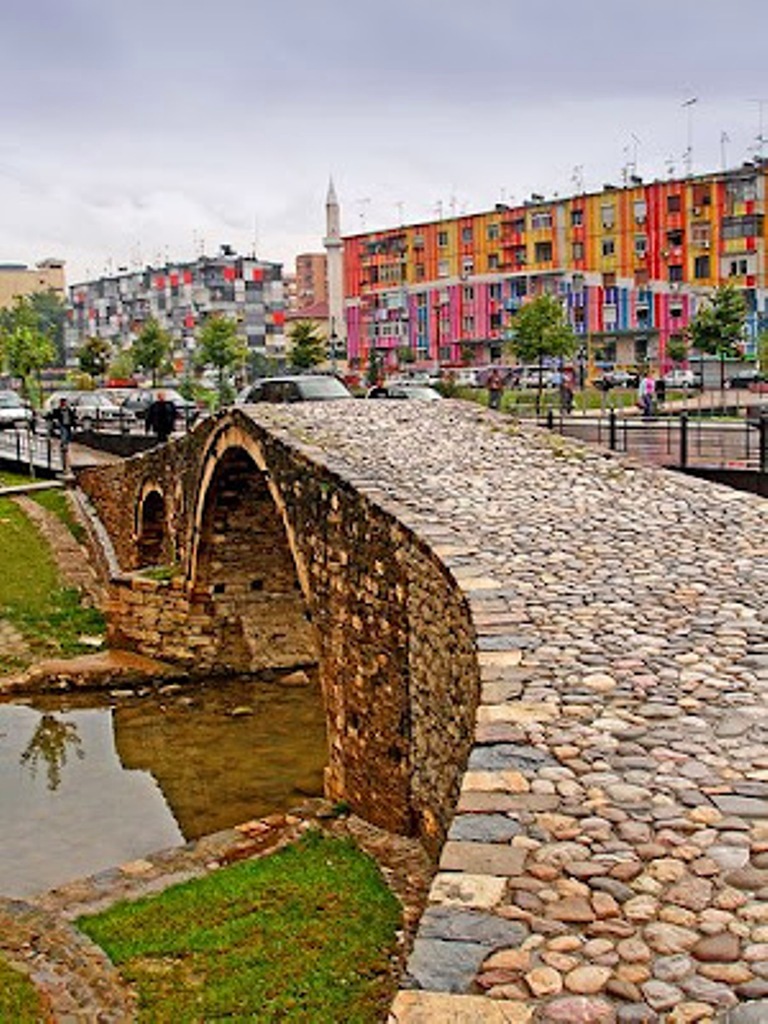
After the fall of communism, the area quickly transformed into Tirana’s trendiest neighborhood. Today Blloku is known for its lively atmosphere, colorful streets and large number of restaurants, cafés and bars.
Many travelers come here in the evening to enjoy the local food scene or Tirana’s nightlife. The district also has boutique shops, street art and relaxed café terraces where locals gather throughout the day.
Because it is located close to the city center, Blloku is one of the best areas to stay for visitors who want easy access to attractions while also enjoying Tirana’s social scene.
Food to try in Tirana
Albanian cuisine is one of the highlights of visiting Tirana. If you want to learn more about traditional dishes and local specialties, see our guide to Albanian food and traditional dishes.
One of the most popular local dishes is tavë kosi, a baked lamb and yogurt casserole that is considered Albania’s national dish. Another favorite is byrek, a flaky pastry filled with cheese, spinach or meat that is commonly eaten as a quick snack.
Grilled meats are also very common in Tirana restaurants, often served with fresh salads, bread and local cheeses. Seafood becomes more popular in coastal areas, but many Tirana restaurants also offer fish dishes.
Coffee culture is very strong in Albania, and Tirana is full of cafés where locals spend time socializing. Sitting at a café terrace and enjoying an espresso is a typical daily ritual in the city.
Because restaurant prices remain affordable, trying local food is an easy and enjoyable part of exploring Tirana.
How expensive is Tirana
Compared with most European capitals, Tirana is still very affordable. Travelers coming from Western Europe are often surprised by how far their budget can go.
Budget travelers
Backpackers staying in hostels and eating at local bakeries or street food spots can spend around $30–50 per day.
Mid-range travelers
Visitors staying in comfortable hotels, eating in restaurants and using taxis occasionally usually spend around $60–100 per day.
Luxury travelers
Tirana does have upscale hotels and fine dining restaurants, but even luxury travel here is cheaper than in many European capitals.
Overall, Tirana is often considered one of the most budget-friendly capitals in Europe.
Tirana travel guide – average costs
Understanding the typical prices in Tirana helps travelers plan a realistic budget. Compared with most European capitals, everyday costs remain very reasonable.
Accommodation prices vary depending on location and season. Budget hostels in Tirana typically cost between $10 and $18 per night for a dorm bed. Private rooms in guesthouses or budget hotels usually range from $30 to $60 per night. Mid-range hotels in the city center often cost $70 to $120 per night, while upscale boutique hotels can reach $150 or more.
Food is one of the highlights of visiting Tirana, and it is also quite affordable. Local bakeries selling byrek or pastries often charge $1–2 for a quick meal. Casual restaurants serving traditional Albanian dishes usually cost $6–10 per person, while more upscale dining experiences may range from $15–25 per person.
Transportation costs are also low. A typical taxi ride within the city center often costs around $3–6, and local buses are even cheaper. Tirana is relatively compact, so many attractions can easily be reached on foot.
Because of these affordable prices, Tirana is often considered one of the cheapest capital cities in Europe for travelers.
If you want a full breakdown of accommodation, food and travel expenses across the country, see our detailed guide on Is Albania expensive to visit.
Where to stay in Tirana
Choosing the right neighborhood can make your stay in Tirana much easier.
Blloku
This is the most popular area for tourists. It is close to Skanderbeg Square and has many restaurants, cafés and nightlife options.
City center
Staying near Skanderbeg Square gives you walking access to many of Tirana’s main attractions.
Komuna e Parisit
This area is slightly farther from the center but offers quieter streets and good value accommodation.
Many travelers use Tirana as a base before heading to the coast. If you are planning beach time as well, check our guide to Best beaches in Albania.
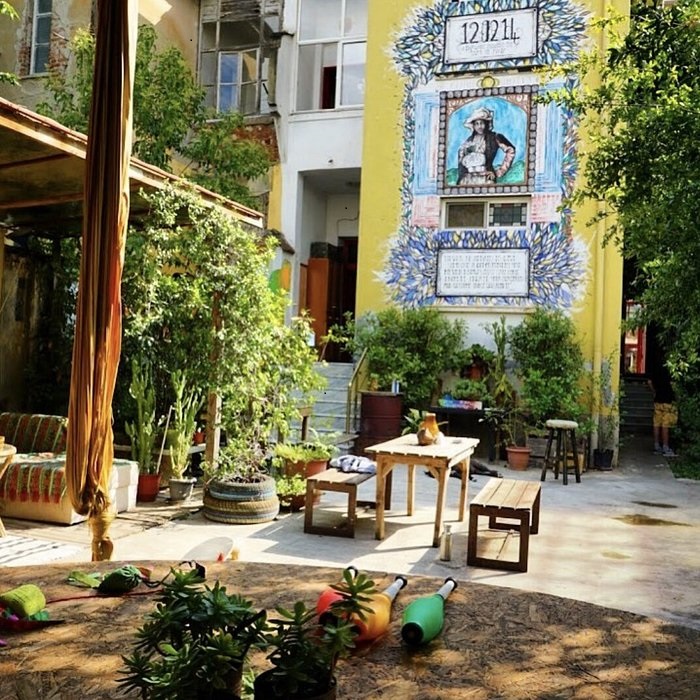
Budget travelers will also find several good hostels in Tirana, especially near the city center and the Blloku district. Many hostels offer social spaces, organized tours and helpful local travel tips for exploring Albania. If you are looking for affordable accommodation options, see our guide to best hostels in Tirana and Sarandë.
Tirana nightlife
Tirana has a surprisingly lively nightlife scene, especially in the Blloku district. The neighborhood is filled with bars, lounges and clubs that stay open late into the night.
Many bars feature outdoor seating areas and relaxed atmospheres where visitors can enjoy drinks and music. Cocktail bars and rooftop venues have also become increasingly popular in recent years.
Live music events and DJ performances are common on weekends, attracting both locals and international visitors. Compared with many Western European cities, nightlife in Tirana is generally more affordable.
For travelers who enjoy social nightlife but do not want to spend large amounts of money, Tirana offers a fun and accessible scene.
Cheap things to do in Tirana
One of the advantages of visiting Tirana is that many attractions are either free or very inexpensive.
Walking through Skanderbeg Square and the surrounding historic area costs nothing and gives visitors a good introduction to the city. Nearby landmarks like the Et’hem Bey Mosque and the Clock Tower are also inexpensive to visit.
The Grand Park of Tirana is another popular spot for travelers who want to relax or take a walk around the lake. Locals often gather here in the evenings, creating a lively but relaxed atmosphere.
Museums such as Bunk’Art and the National History Museum have relatively low entry fees compared with museums in Western Europe. These attractions provide a deeper understanding of Albania’s fascinating history.
Many visitors also enjoy simply exploring Tirana’s colorful neighborhoods and café culture. Albania has a strong coffee tradition, and sitting at a local café with an espresso is one of the best ways to experience everyday life in the city.
Best time to visit Tirana
Tirana has a Mediterranean climate with hot summers and mild winters.
Spring (April–June)
One of the best times to visit. Temperatures are pleasant and the city is lively without the intense summer heat.
Summer (July–August)
Temperatures can exceed 35°C, but many travelers combine Tirana with beach destinations along the Albanian Riviera.
Autumn (September–October)
Another excellent time to visit. The weather remains warm and crowds begin to decrease.
Winter (November–February)
Winters are mild compared with most of Europe, but this is the quietest season for tourism.
Tirana itinerary: how to spend one day in the city
If you only have one day in Tirana, you can still see many of the city’s highlights while enjoying its relaxed café culture and local food.
Start your morning in Skanderbeg Square, the heart of Tirana. From here you can visit the Et’hem Bey Mosque, climb the Clock Tower, and explore the National History Museum to learn about Albania’s past.
After sightseeing around the square, walk toward the Blloku district for lunch. This area has many restaurants serving traditional Albanian food and modern cafés. It’s a good place to try local specialties or simply relax with an espresso like many locals do.
In the afternoon, visit Bunk’Art, one of Tirana’s most unique museums. The underground bunker complex provides fascinating insight into Albania’s communist history.
If you still have time, take the Dajti Ekspres cable car to Mount Dajti. The panoramic views over Tirana and the surrounding mountains are one of the best experiences near the city.
Finish your evening back in Blloku, where you can enjoy dinner, drinks or Tirana’s lively nightlife scene.
Even in just one day, Tirana offers a mix of history, culture and modern city life that makes it a memorable stop when traveling through Albania.
Tirana travel tips
Spend at least one full day in the city before heading to the coast or mountains.
Try local Albanian food such as byrek, tavë kosi and grilled meats.
Use taxis or ride-hailing apps to get around the city easily.
Many attractions in Tirana are within walking distance of each other.
Although Tirana is becoming more popular with tourists, it still offers an authentic atmosphere and excellent value for travelers. For visitors exploring Albania for the first time, the capital is a great place to begin the journey.
Frequently asked questions about Tirana
How many days do you need in Tirana?
Most travelers spend one to two days in Tirana. This is enough time to explore the main attractions, visit museums and enjoy the city’s cafés and restaurants before continuing to other destinations in Albania.
Is Tirana safe for tourists?
Yes, Tirana is generally considered a safe city for travelers. Like in most cities, visitors should remain aware of their surroundings and take normal precautions, especially in crowded areas.
Travelers who want more details can read our full guide on Is Albania safe to visit.
Is Tirana expensive compared with other European capitals?
No, Tirana is significantly cheaper than most European capitals. Accommodation, food and transportation costs are usually much lower than in Western Europe.
Is English widely spoken in Tirana?
English is commonly spoken by younger people, especially in hotels, restaurants and tourist areas. Many visitors find it easy to communicate while traveling in Tirana.