Mexico’s currency is the Mexican peso (MXN), written with the “$” sign and divided into 100 centavos. In November 2026, US$1 was worth about 18.6 pesos (Banxico FIX rate of 18.67 on 18 November), so 100 pesos is a little over US$5. The best way to get pesos is to withdraw them from a bank ATM with a low-fee card, choosing to be charged in pesos. Cards are widely accepted in cities and resorts, but carry cash for markets, street food, taxis and small towns. US dollars are accepted in parts of Cancún, Los Cabos and other resorts, but usually at a poor exchange rate.
Mexican peso at a glance
| Currency | Mexican peso (MXN); symbol $ (sometimes written MX$ or MN) |
| Exchange rate | About MXN 18.6 per US$1 (Banxico FIX 18.67 on 18 November 2026) |
| Banknotes | 20, 50, 100, 200, 500 and 1,000 pesos |
| Coins | 50 centavos and 1, 2, 5, 10 and 20 pesos (plus some commemorative coins) |
| ATM fees for foreign cards | From about MXN 23 to almost MXN 200 per withdrawal, depending on the bank |
| Cards | Widely accepted in cities, hotels, restaurants and shops; cash needed for markets and small businesses |
| Tipping | About 10–15% in restaurants; small tips for porters, guides and drivers |
What is Mexico’s currency called?
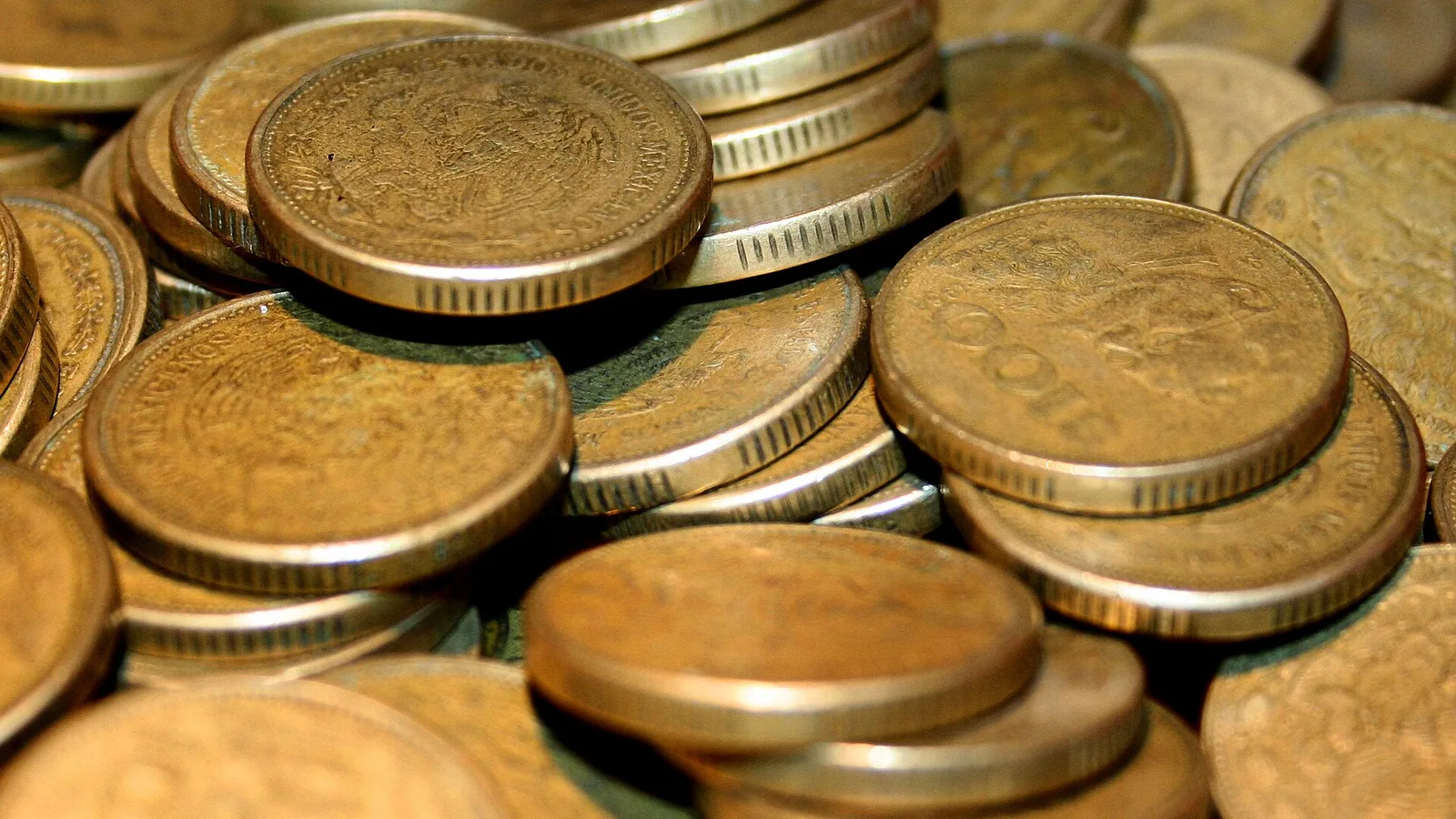
The Mexican peso. Its code is MXN, and prices are written with the same “$” sign as the US dollar, which can be confusing: in Mexico, “$100” on a menu means 100 pesos, not 100 dollars. Places that quote prices in dollars usually write “USD” or “US$”. One peso is divided into 100 centavos, but you will rarely need anything smaller than a 1-peso coin.
How much is $1 US in Mexico?
In November 2026, about 18.6 pesos. The rate moved between roughly 18.3 and 19 pesos per dollar during 2026. As a quick rule, divide peso prices by about 18.5 to get dollars: a 50-peso taco plate is about US$2.70, a 200-peso taxi ride about US$11 and a 1,000-peso dinner for two about US$54. Use the mid-market rate on a site such as Xe or your bank app as your reference when comparing exchange offers.
Is $100 a lot of money in Mexico?
US$100, about 1,860 pesos, goes a long way outside the resort areas. In Mexico City, Oaxaca or smaller towns it can cover a budget hotel room, three meals at local restaurants and public transport for a day or two. In Cancún’s Hotel Zone, Tulum or Los Cabos, it may cover only a dinner for two or a single tour. See how much a trip to Mexico costs for daily budgets by destination.
Is $20 a lot in Mexico?
US$20, about 370 pesos, is enough for several street-food meals, a simple sit-down lunch with a drink, a few metro or bus rides, or a short taxi ride in most cities. It is a generous tip for a day guide or driver. In tourist hotspots it buys much less: a couple of cocktails at a beach club can cost more.
ATMs in Mexico: fees and tips
Mexican banks charge foreign cards a fixed fee per withdrawal, shown on screen before you confirm. The fees vary a lot between banks. In Nomadic Backpacker’s 2026 survey of on-screen fees for foreign cards, they ranged from about MXN 23 to almost MXN 200 per withdrawal:
| Bank | Fee per withdrawal (foreign card) |
|---|---|
| BanBajío | MXN 23.20 |
| Banca Mifel | MXN 26.68 |
| Banamex | MXN 30.74 |
| BanCoppel | MXN 34.80 |
| Banorte | MXN 63.80 |
| HSBC | MXN 74.24 |
| Santander | MXN 80.04 |
| Scotiabank | MXN 130 |
| BBVA | MXN 197.20 |
- Always decline conversion: if the ATM offers to charge you in your home currency, choose pesos (“without conversion”). The ATM’s own conversion rate is usually much worse.
- Withdraw larger amounts to spread the fixed fee, within the ATM’s limit, which is often several thousand pesos per withdrawal.
- Use ATMs inside banks or shopping centres during the day, and avoid standalone machines in quiet streets, which are more likely to be tampered with.
- Check your own bank’s fees: many cards add their own foreign transaction or ATM fees on top. Cards that refund ATM fees or charge none abroad save a lot.
What currency is best to take to Mexico?
Pesos. Pay in pesos wherever possible: places that accept dollars usually apply their own rate, which can be 10% or more worse than the market rate, and give change in pesos. Bring a debit card for ATM withdrawals, a credit card for hotels and larger purchases, and a small amount of US dollars or euros in cash as an emergency backup. If you bring dollars, notes should be clean and undamaged; exchange offices may refuse worn notes, and banks apply limits on how many dollars foreigners can exchange.
Should I exchange money before I go to Mexico?
Usually not. Banks and airport kiosks at home often give poor rates for pesos. It is generally cheaper to withdraw pesos from a bank ATM on arrival, for example inside the airport terminal, with a low-fee card. If you prefer to arrive with some cash, order a small amount for taxis and tips. At airports in Mexico, compare the exchange offices’ buy rates carefully, as rates in the arrivals hall are often poor.
Can you use US dollars in Mexico?
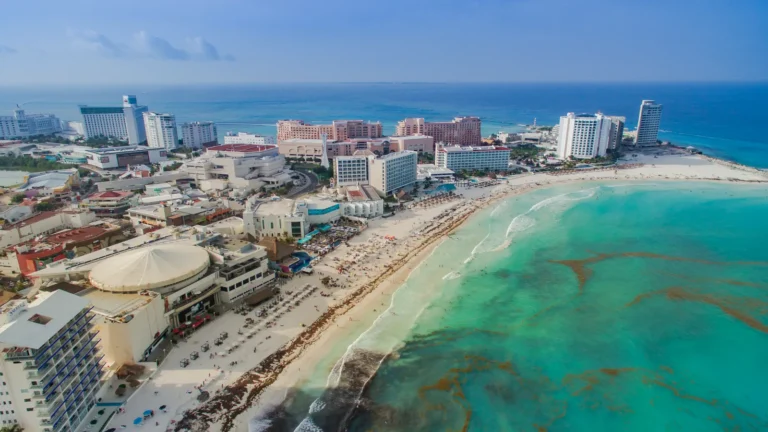
In the big resort areas, such as Cancún’s Hotel Zone, Playa del Carmen, Tulum and Los Cabos, many hotels, tour operators and some restaurants accept dollars, and some prices are quoted in dollars. Elsewhere, including Mexico City, Oaxaca and most of the country, you will need pesos. Even where dollars are accepted, paying in pesos is almost always cheaper.
Paying by card in Mexico
Visa and Mastercard are accepted in most hotels, restaurants, supermarkets and shops in cities and tourist areas; American Express less widely. Card terminals are usually brought to your table. As at ATMs, always choose to pay in pesos when asked. Some small businesses add a surcharge for cards or accept cash only, and markets, street stalls, small taxis and rural areas are mostly cash. Contactless payment by phone is increasingly common in cities.
Tipping in Mexico
- Restaurants: 10–15% for table service; check whether a service charge (“servicio” or “propina incluida”) is already on the bill, which is common in tourist areas.
- Bars: 10 pesos or more per drink, or 10–15% of the tab.
- Hotels: 20–50 pesos per bag for porters; 30–50 pesos per night for housekeeping.
- Tours and drivers: 10–15% of the tour price, or 100–200 pesos per person for a day tour.
- Taxis: not expected, but rounding up is appreciated; tip app-based drivers in the app.
- Petrol stations and supermarket packers: small change, 5–20 pesos.
For more planning, see the best time to visit Cancún, Mexico City to Cancún and, for other countries, our Thailand and Morocco currency guides.
FAQ
What is the largest Mexican banknote?
The 1,000-peso note, worth about US$54. Many small shops and taxis cannot change 500- and 1,000-peso notes, so ask for smaller notes when you can.
How much cash should I bring to Mexico?
Enough for a day or two of small expenses, then withdraw as you go. In cities you can pay most things by card; in small towns and on islands such as Holbox, carry more cash, as ATMs can be few or empty.
Is there a limit on bringing cash into Mexico?
You must declare cash and monetary instruments worth more than US$10,000 (or the equivalent) when entering or leaving Mexico.
Are old Mexican banknotes still valid?
Older note designs are gradually being withdrawn but generally remain legal tender until Banco de México announces otherwise. If a shop refuses an old note, you can exchange it at a bank.