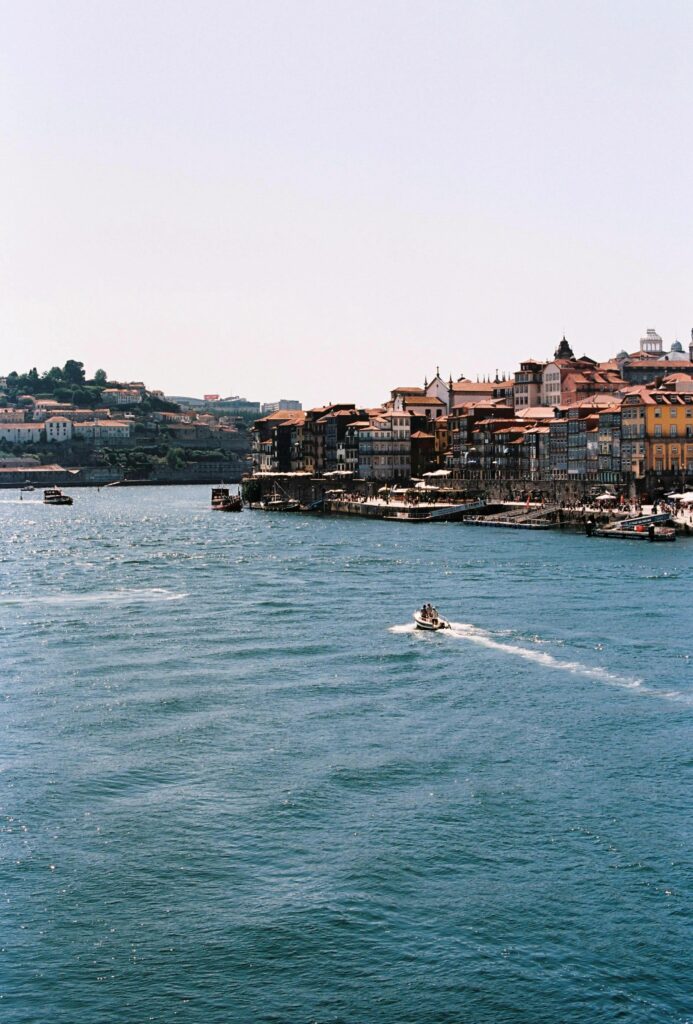
Porto is Portugal’s second-largest city and one of the most beautiful destinations in Europe. Located along the Douro River in northern Portugal, the city attracts travelers with its colorful historic districts, world-famous port wine, and dramatic river views.
Many travelers planning a trip to Portugal ask the same question: is Porto worth visiting?
For most visitors, the answer is yes. Porto offers a blend of historic charm, excellent food, beautiful architecture, and a relaxed atmosphere that makes it one of the best city breaks in Europe.
Compared to Lisbon, Porto feels smaller and more intimate. The historic center is compact, most attractions are walkable, and the city has a more traditional Portuguese atmosphere.
If Porto is already on your shortlist, our Lisbon to Porto guide shows the fastest and cheapest ways to get there.
If you are planning a broader European itinerary, it also helps to understand travel costs across the continent. Our detailed guide on how much does a trip to Europe cost explains typical budgets for flights, accommodation, food, and transportation across multiple countries.
Planning a city break? Check current hotel prices in Porto on Booking.com.
If you are planning a longer itinerary across Portugal, it also helps to understand how much a trip to Portugal costs before deciding your travel budget.
Why visit porto?
Porto offers a unique combination of history, culture, gastronomy, and scenery.
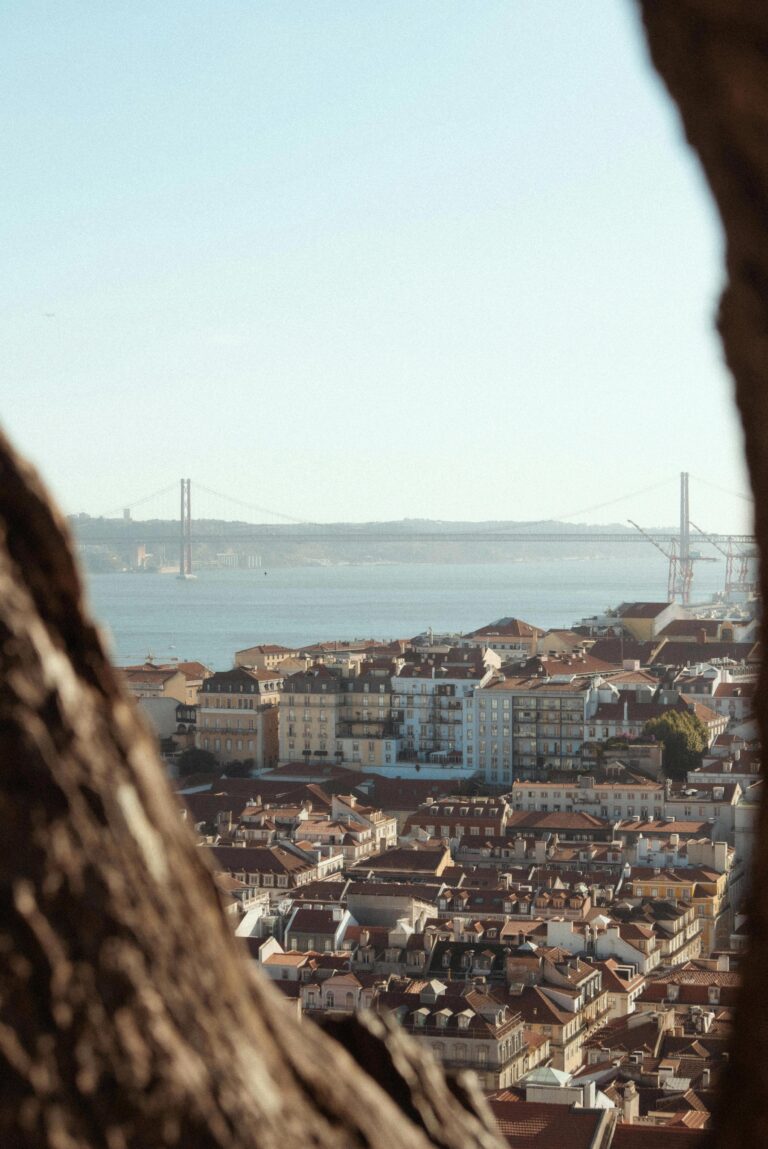
The city is famous for its historic architecture, particularly the colorful buildings along the Douro River. Walking through Porto’s streets reveals medieval churches, tiled facades, and stunning viewpoints overlooking the river.
Port wine is another major attraction. Across the river in Vila Nova de Gaia you’ll find dozens of historic wine cellars where visitors can learn about port wine production and enjoy tastings.
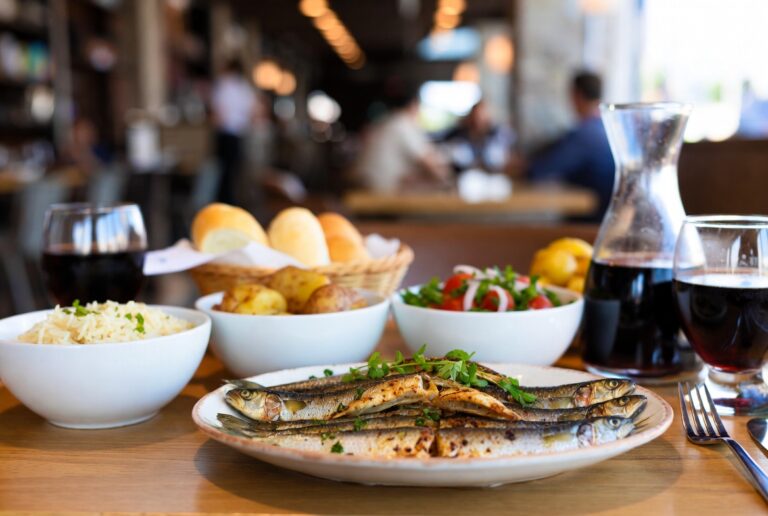
Porto is also known for its excellent food. The city’s culinary scene includes fresh seafood, traditional Portuguese dishes, and local specialties like the Francesinha sandwich.
Another advantage of visiting Porto is that it is often slightly cheaper than many major European capitals. Travelers comparing costs across destinations may want to read our guide on is Europe expensive to visit, which compares travel budgets across popular destinations.
Porto vs Lisbon
Travelers often compare Porto with Lisbon when planning a trip to Portugal.
Lisbon is the capital and a larger city with more nightlife, museums, and nearby beaches. Porto is smaller, more traditional, and easier to explore in a short trip.
If Lisbon is also part of your Portugal plan, our Lisbon safety guide explains what tourists actually need to know about neighborhoods, scams, and night safety.
| City feature | Porto | Lisbon |
|---|---|---|
| Atmosphere | Historic and relaxed | Cosmopolitan and lively |
| Size | Smaller and walkable | Larger metropolitan city |
| Main attraction | Port wine and river views | Historic neighborhoods and culture |
| Typical daily travel cost | $80–140 | $100–160 |
| Crowds | Moderate | Often crowded |
Many travelers choose to visit both cities. Lisbon offers energy and diversity, while Porto provides charm and authenticity.
If you want an easy extra stop after Porto without the pace of another major city, our Aveiro, Portugal guide covers what to do, what to eat, and whether it works better as a day trip or overnight stay.
The unique charm of Porto
One of Porto’s biggest attractions is its historic center, which has been recognized as a UNESCO World Heritage Site. The Ribeira district, located along the Douro River, is famous for its colorful houses, narrow streets, and vibrant riverfront atmosphere.
You can read more about its heritage designation on the official UNESCO page.
Walking through Ribeira feels like stepping into a living museum. Restaurants and cafes line the waterfront while historic buildings climb the steep hills behind the river.
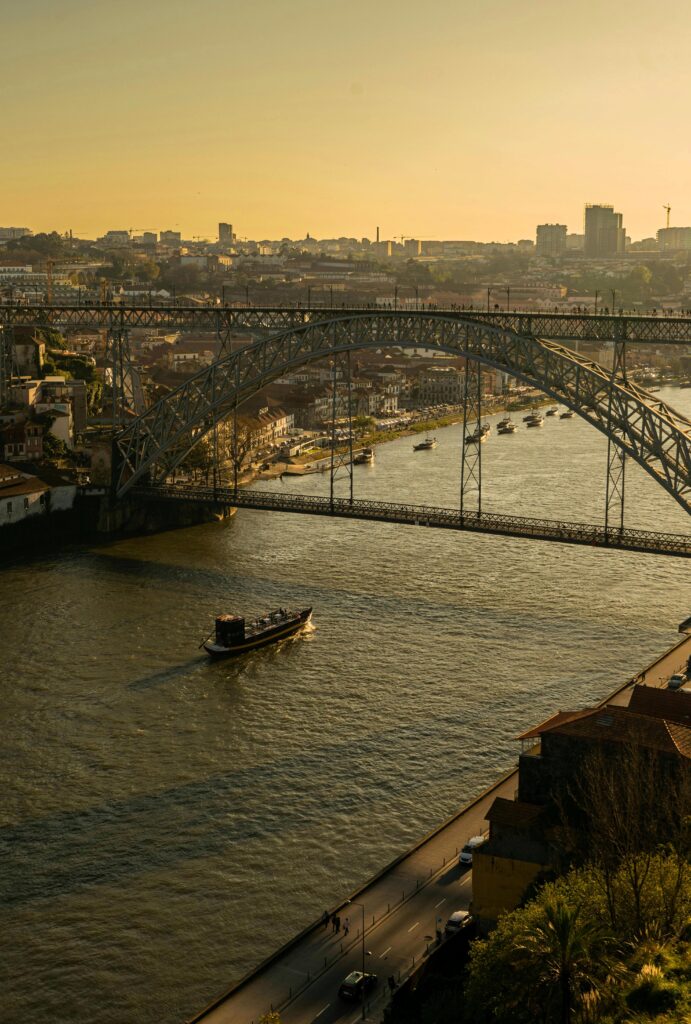
From the riverfront you can see the famous Dom Luís I Bridge, an iconic iron bridge that connects Porto with Vila Nova de Gaia. The upper level offers some of the best panoramic views in the city.
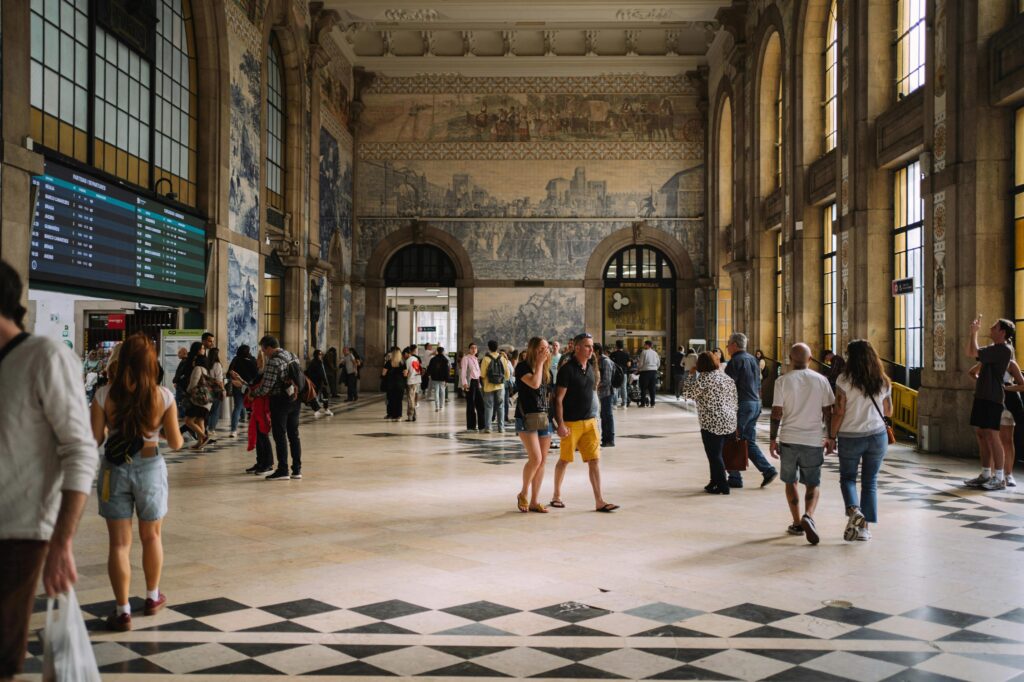
Another highlight is São Bento Train Station, widely considered one of the most beautiful railway stations in Europe. Its walls are decorated with more than 20,000 azulejo tiles depicting scenes from Portuguese history.
Visitors should also stop by Livraria Lello, one of the most famous bookstores in the world. Its ornate interior staircase and neo-Gothic architecture make it one of Porto’s most photographed landmarks.
Best time to visit Porto
Porto can be visited year-round, but some seasons offer better conditions depending on what you are looking for.
Spring and fall are widely considered the best times to visit because the weather is pleasant and the crowds are smaller than during peak summer months.
If you are comparing Porto with the rest of the country, read best time to visit Portugal for the full season-by-season view.
| Season | Weather | Crowds | Recommendation |
|---|---|---|---|
| Spring (April–May) | Mild and sunny | Moderate | Excellent travel season |
| Summer (June–August) | Hot and sunny | High | Best for festivals and nightlife |
| Fall (September–October) | Warm and pleasant | Moderate | Ideal weather for sightseeing |
| Winter (November–March) | Cooler with rain | Low | Best for budget travelers |
Summer brings the most visitors, especially in July and August, but the city’s lively atmosphere and outdoor dining make it an enjoyable time to visit.
How to get to Porto
Porto is well connected to international destinations through Francisco Sá Carneiro Airport, located about 11 kilometers from the city center.
From the airport, visitors can reach downtown Porto by metro, bus, or taxi. The metro line E provides a direct connection and usually takes around 30 minutes.
Travelers arriving from Lisbon can choose between trains, buses, or short flights.
| Transport method | Travel time from Lisbon | Typical cost |
|---|---|---|
| Train | 3 hours | $25–40 |
| Bus | 3.5 hours | $20–35 |
| Flight | 1 hour | $40–120 |
Trains are typically the most popular option because they are comfortable, scenic, and relatively inexpensive.
Travelers often combine Portugal with Spain, so it’s useful to compare how much a trip to Spain costs when planning a multi-country itinerary.
Where to stay in Porto
Porto offers a wide range of accommodation options for different travel styles and budgets.
The historic center is ideal for first-time visitors because most major attractions are within walking distance.
| Neighborhood | Best for | Atmosphere |
|---|---|---|
| Ribeira | First-time visitors | Historic riverfront |
| Baixa | Shopping and nightlife | Central and lively |
| Vila Nova de Gaia | Wine lovers | Near port wine cellars |
| Cedofeita | Budget travelers | Trendy and artistic |
Staying near the Douro River offers beautiful views, while neighborhoods slightly uphill tend to be quieter.
Top attractions in Porto
Despite its compact size, Porto offers many fascinating attractions.
| Attraction | Why visit |
|---|---|
| Ribeira district | Colorful historic waterfront |
| Dom Luís I bridge | Iconic panoramic views |
| São Bento station | Famous azulejo tile murals |
| Livraria Lello | One of the most beautiful bookstores in the world |
| Port wine cellars | Wine tastings and historical tours |
Exploring these landmarks gives visitors a strong introduction to Porto’s culture and history.
Exploring the Douro Valley
One of the best day trips from Porto is the Douro Valley, one of the world’s oldest wine regions.
Located about two hours from the city, the valley is famous for its terraced vineyards along the Douro River. The region produces the grapes used for port wine as well as many excellent Portuguese wines.
Visitors can explore the region through guided wine tours, scenic train rides, or river cruises.
| Experience | Description |
|---|---|
| Wine tastings | Visit historic port wine estates |
| River cruises | Scenic views of vineyard landscapes |
| Vineyard tours | Learn about traditional wine production |
| Scenic drives | One of Europe’s most beautiful landscapes |
The Douro Valley is widely considered one of the most scenic regions in Portugal.
Porto food and wine experience
Food plays an important role in Porto’s culture.
Portuguese cuisine focuses on fresh seafood, grilled meats, and traditional recipes passed down through generations.
| Dish | Description |
|---|---|
| Francesinha | Famous sandwich with meat, cheese, and rich sauce |
| Bacalhau | Salted cod used in many Portuguese dishes |
| Grilled sardines | Classic Portuguese seafood dish |
| Pastel de nata | Traditional Portuguese custard tart |
Port wine tastings in Vila Nova de Gaia are another highlight of visiting Porto. Many historic wine cellars offer guided tours explaining the wine aging process and the history of the region’s wine trade.
If you want a broader look at what to eat beyond Porto, read our Portugal food guide for traditional dishes, prices, and regional food tips across Portugal.
Is Porto safe for tourists?
Porto is generally considered a safe destination for travelers.
Like many European cities, petty theft such as pickpocketing can occur in crowded tourist areas, but violent crime is rare.
| Safety factor | Rating |
|---|---|
| Violent crime | Very low |
| Pickpocket risk | Moderate in busy tourist areas |
| Public transport safety | High |
| Night safety | Generally safe |
Taking basic travel precautions—such as keeping valuables secure and staying aware of surroundings—will help ensure a safe visit.
If you want a deeper breakdown of neighborhoods, transport safety, and nightlife areas, read our full guide on is Porto safe at night.
Porto vs Sintra
Travelers sometimes compare Porto with destinations like Sintra.
| Feature | Porto | Sintra |
|---|---|---|
| Main experience | Historic city | Royal palaces and gardens |
| Location | Northern Portugal | Near Lisbon |
| Travel style | City break | Day trip destination |
| Atmosphere | Authentic Portuguese city | Fairytale landscape |
Both destinations offer unique experiences, but Porto provides a full city break with culture, gastronomy, and wine traditions.
Frequently asked questions
Is Porto worth visiting for first-time travelers?
Yes. Porto offers historic architecture, scenic viewpoints, excellent food, and wine culture, making it a fantastic introduction to Portugal.
How many days should you spend in Porto?
Most travelers spend two to three days in Porto. If you are deciding between a quick stop and a slower stay, read how many days in Porto for the full first-timer breakdown.
Is Porto cheaper than Lisbon?
In general, Porto is slightly cheaper than Lisbon. Accommodation and restaurants tend to be more affordable while still offering excellent quality.
Can you walk around Porto easily?
Yes. Porto’s historic center is compact and walkable, although some streets are steep due to the city’s hills.
Conclusion
Porto is one of Europe’s most charming destinations.
Its colorful riverside neighborhoods, historic architecture, world-famous port wine culture, and welcoming atmosphere make it an excellent destination for travelers seeking both beauty and authenticity.
Whether you are wandering through the Ribeira district, crossing the Dom Luís I Bridge, tasting wine in Vila Nova de Gaia, or exploring the vineyards of the Douro Valley, Porto offers an unforgettable travel experience.
If you are planning a trip to Portugal, Porto is absolutely worth visiting.
If Porto is going on your itinerary, see all our Portugal guides for routes, costs and nearby destinations.