If you just want the short answer, take the train.
If you are landing first and need to reach your hotel or a Lisbon station, read our guide on how to get from Lisbon airport to the city centre before continuing north.
For most travelers, the Lisbon to Porto train is the best option because it is fast, direct, comfortable, and city-center-to-city-center enough that it usually beats flying once you count airport time. The bus is the cheapest option, the car only makes more sense if you want stops on the way, and the flight is usually the worst value unless you are connecting onward. If you are pricing the whole trip, read how much does a trip to Portugal cost.
If you also want the easiest day trip from the capital before heading north, our Lisbon to Sintra guide breaks down the train, stations, and ticket options.
Quick answer
| Option | Time | Typical price | Best for |
|---|---|---|---|
| train | about 2h50 to 3h05 | roughly €28.05 to €35.70 standard adult fare | best overall |
| bus | from about 3h15 | from €4.98 on FlixBus | cheapest |
| car | about 3 hours driving time, longer with stops | about €25.05 tolls + fuel | flexibility |
| flight | about 45 to 50 minutes in the air, but much longer door to door | from about €83 round trip on TAP | onward connections only |
👉 Compare Lisbon to Porto train and bus tickets on Bookaway
These are the most useful current benchmarks from CP, FlixBus, TAP, and current A1 toll reporting.
Lisbon to Porto by train
For most people, the train is the answer.
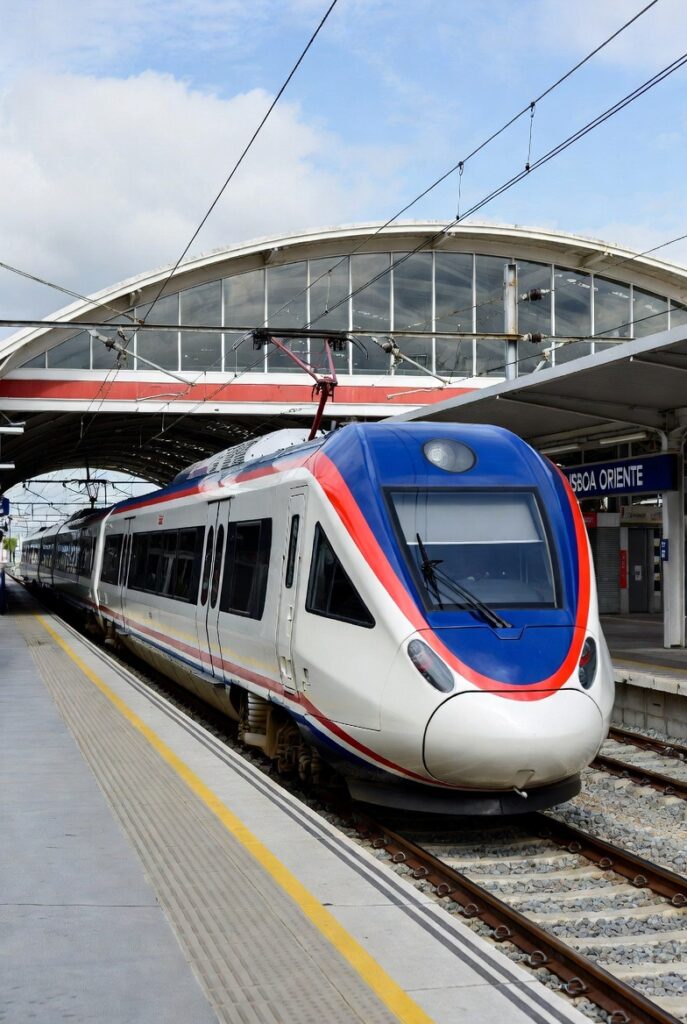
CP runs two relevant services on this route: Alfa Pendular and Intercidades. Alfa Pendular is the faster, nicer option. Intercidades is slower but cheaper. Current official one-way adult fares from Lisbon to Porto Campanhã are €35.70 in Tourist class on Alfa Pendular and €28.05 in 2nd class on Intercidades. If you want more comfort, the current full fares are €49.90 on Alfa Pendular Comfort and €41.50 on Intercidades 1st class. CP also says promo fares can cut long-distance tickets by up to 65% if you buy ahead.
The current official northbound timetable, valid from 20 September 2026, shows direct trains from Lisbon Santa Apolónia starting at 06:30 and running until 22:00, with Lisbon Oriente departures from 06:39 until 22:09. The quickest services from Santa Apolónia take about 2h50, while slower Intercidades trains are closer to 3 hours. That is why this route works so well in practice: you have frequent direct service all day, not just one or two useful departures.
Lisbon to Porto train timetable 2026
| Train | Lisboa Santa Apolónia | Lisboa Oriente | Porto Campanhã | Journey time |
|---|---|---|---|---|
| AP 131 | 07:00 | 07:09 | 09:48 | 2h48 |
| AP 121 | 08:00 | 08:09 | 10:55 | 2h55 |
| AP 123 | 09:00 | 09:09 | 11:48 | 2h48 |
| IC 621 | 11:30 | 11:39 | 14:43 | 3h13 |
| AP 125 | 12:00 | 12:09 | 14:48 | 2h48 |
| AP 133 | 14:00 | 14:09 | 16:48 | 2h48 |
| AP 137 | 18:00 | 18:09 | 20:48 | 2h48 |
| AP 129 | 20:00 | 20:09 | 22:48 | 2h48 |
Times from the official CP timetable, checked September 2026. Engineering works can change individual trains, so confirm your date on cp.pt before travel.
The station setup is straightforward. In Lisbon, you normally choose between Santa Apolónia and Oriente. Oriente is the easier choice if you are arriving from Lisbon Airport or staying on the east side of the city. In Porto, long-distance trains arrive at Campanhã, not the postcard center. CP’s own booking system lets you add a Porto urban segment when you buy the long-distance ticket, which is useful if you want to continue into the city more smoothly.
Alfa Pendular is also practical beyond speed. CP says it has free Wi-Fi, power sockets at every seat, a cafeteria/bar, and mandatory seat reservations. The official timetable PDF also notes free Wi-Fi on both Alfa Pendular and Intercidades. That makes the train the obvious choice if you want to work, recharge your phone, or just not deal with motorway traffic.
Train booking tip
Do not leave this route to the last minute if you care about price.
CP says its app and online ticket office sell long-distance tickets up to 60 days ahead and until 15 minutes before departure from your origin station. In practice, that means last-minute seats are usually still possible, but the best promo fares may already be gone.
If you want mobile data working for train bookings, maps, and schedule checks, read Best eSIM for Portugal.
How to book the Lisbon to Porto train
- Search Lisboa (Santa Apolónia or Oriente) to Porto Campanhã on the official CP website or app.
- Compare Alfa Pendular (faster, about €35.70 in Tourist class) with Intercidades (slightly slower, about €28.05 in 2nd class).
- Book early for Promo fares — tickets open up to 60 days ahead and discounted seats sell out first.
- Seat reservation is included and mandatory. Keep the ticket on your phone; there is no check-in.
- Arrive 15–20 minutes early and check the platform board for your train number.
- Long-distance trains arrive at Porto Campanhã. Continue to São Bento in the city centre on an urban train for a few minutes; this connection is usually included in your ticket (within one hour of arrival under CP’s online ticket conditions).
Lisbon to Porto by bus
The bus is the budget play.
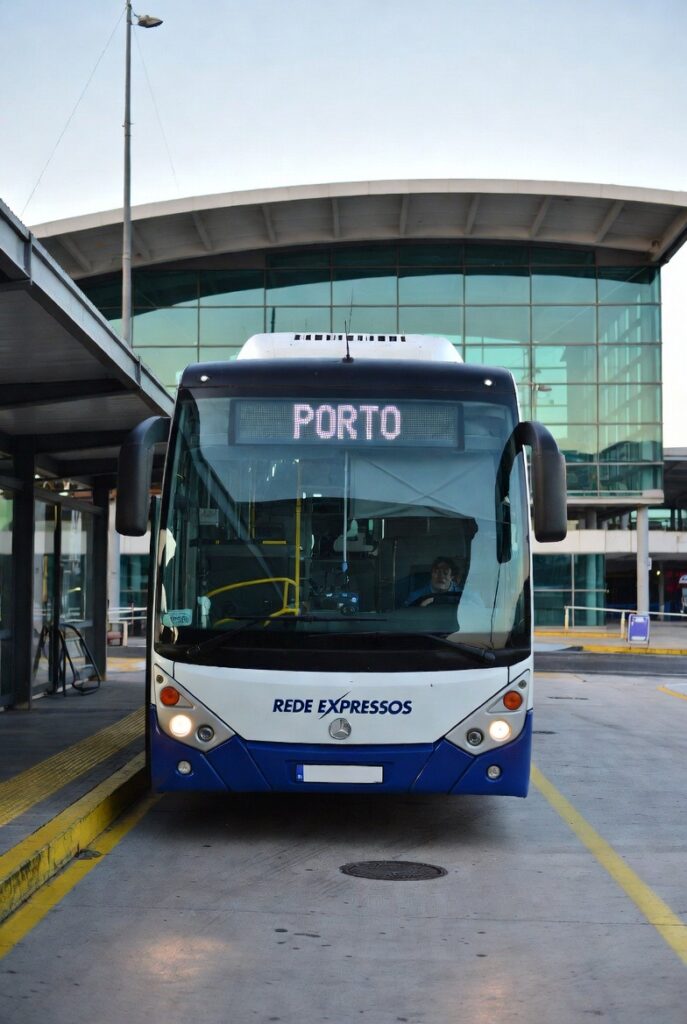
FlixBus currently shows Lisbon to Porto from €4.98, with trips from 3h15, the first departure at 01:45, the last at 22:00, and as many as 87 daily rides on the route. It also lists the main Lisbon departure points as Oriente and Sete Rios, and the Porto side as TIC Campanhã or Vila Nova de Gaia.
That is very good value, but it is still the bus. Even on a clean run, you are more exposed to traffic and the ride is usually less comfortable than the train. For most travelers, I would only choose the bus over the train if one of these is true: the fare difference is huge, your timing fits the bus much better, or you are trying to keep the Portugal budget very tight.
Rede Expressos also runs this corridor, and its own site says most services depart from Sete Rios. That matters because many first-time visitors assume every Lisbon bus leaves from Oriente. It does not. Check the station carefully before you buy.
👉 Check Lisbon to Porto bus times and prices on Bookaway
Driving from Lisbon to Porto
Driving only wins if you want flexibility.
If you are going straight from Lisbon to Porto with no real stops, the train is still the cleaner answer. The car starts making sense when you want to turn the corridor into part of the trip itself: Óbidos, Nazaré, Coimbra, or Aveiro are all easy enough to fold into the route. Current reporting says A1 tolls between Lisbon and Porto rose to €25.05 from 1 January 2026 for a standard passenger car, and that is before fuel.
Driving time is roughly 3 hours in good conditions, but once you add a coffee break, fuel, traffic around Lisbon or Porto, and maybe one scenic stop, the real trip gets longer fast. For solo travelers or couples doing the route directly, the car is usually not the best-value answer.
Should you fly from Lisbon to Porto?
Usually no.
Yes, flights exist. TAP is currently showing Lisbon–Porto fares from about €83 round trip, and the actual nonstop flight time is usually around 45 to 50 minutes. But that number is misleading because the airport time kills the advantage: getting to Lisbon Airport, clearing security, waiting to board, flying, landing, then getting in from Porto Airport usually wipes out the time you thought you were saving.
I would only fly this route if you are connecting to another flight or landing in Lisbon and immediately repositioning to Porto for a larger trip. For normal city-to-city travel, the train is better.
Can you do Lisbon to Porto as a day trip?
Technically yes. Practically, not really.
Even the fastest train from Santa Apolónia still takes about 2h50 each way, which means you are burning a big chunk of the day on transport before you have done anything in Porto. For most travelers, it is much smarter to stay at least 2 or 3 days. If Porto is on your route, read how many days in Porto and is Porto worth visiting before trying to turn it into a rushed same-day mission.
If Lisbon is the first half of your route, read how many days in Lisbon before deciding whether to move north after 2, 3 or 4 nights. If budget is part of that decision too, read is Lisbon expensive before you split your nights between Lisbon and Porto.
Porto to Lisbon by train and bus
Long-distance trains from Lisbon arrive at Porto Campanhã. For São Bento in the city centre, change to an urban train for the short ride of a few minutes; this is usually included in your ticket. CP’s online ticket conditions allow this connection free of charge within one hour of arrival. In the reverse direction, long-distance trains leave from Porto Campanhã and arrive at Lisboa Oriente and Santa Apolónia. Fares are the same as northbound.
| Train | Porto Campanhã | Lisboa Oriente | Lisboa Santa Apolónia | Journey time |
|---|---|---|---|---|
| AP 130 | 06:40 | 09:23 | 09:30 | 2h50 |
| IC 520 | 06:45 | 09:53 | 10:00 | 3h15 |
| AP 120 | 09:40 | 12:23 | 12:30 | 2h50 |
| AP 132 | 13:40 | 16:23 | 16:30 | 2h50 |
| AP 124 | 16:40 | 19:23 | 19:30 | 2h50 |
| AP 136 | 20:40 | 23:23 | 23:30 | 2h50 |
The bus also runs southbound from Porto (TIC Campanhã or Vila Nova de Gaia) to Lisbon Oriente or Sete Rios, usually from about €5 when booked early.
Final verdict
If you want the clearest possible answer:
- take the train if you want the best overall option
- take the bus if price matters most
- drive only if you want stopovers and flexibility
- fly only if you are connecting onward
For most travelers, the best Lisbon to Porto answer is still simple: book the train on CP, choose Alfa Pendular if the fare difference is small, and do not overcomplicate it. If you are planning the route around weather, crowds, and prices more broadly, read best time to visit Portugal. If you are deciding between going north to Porto or south to the coast, read how to get from Lisbon to the Algarve for the southern route breakdown.
FAQ
How long is the train from Lisbon to Porto?
About 2h50 from Santa Apolónia on the fastest Alfa Pendular trains and around 3 hours on Intercidades.
How much is the train from Lisbon to Porto?
Standard adult fares are about €28.05 in 2nd class on Intercidades and €35.70 in Tourist class on Alfa Pendular. Promo fares booked in advance can be much cheaper.
Is there a direct train from Lisbon to Porto?
Yes. Alfa Pendular and Intercidades trains run direct from Lisboa Santa Apolónia and Oriente to Porto Campanhã throughout the day.
What is the cheapest way to get from Lisbon to Porto?
Usually the bus. FlixBus is currently showing fares from €4.98, which is well below the standard adult train fares.
Is the Lisbon to Porto train worth it?
Yes. For most travelers it is the best-value mix of speed, comfort, and convenience, especially because it avoids airport overhead and heavy traffic.
Which Lisbon station should I use?
Usually Oriente if you are coming from the airport or staying on the east side, and Santa Apolónia if that is easier for your part of the city. Both work.
Is Porto to Lisbon the same trip in reverse?
Yes. The same route logic applies in reverse, and current official southbound timetables run from early morning into the evening.
Continue planning the route with our Portugal travel guides for both cities, costs and nearby day trips.