The best time to visit Mexico City is from March to May, when the weather is warm, sunny and mostly dry, with average highs of about 25–27°C and purple jacaranda trees in bloom, or from late October to November, for mild, clear days and the Day of the Dead. Winter (December to February) is dry and sunny but cool, with nights around 6–8°C. The rainy season runs from about June to September, with short, heavy afternoon storms; it is the quietest and often cheapest time to visit. Because the city sits at about 2,240 metres, it is never very hot: the warmest months average only about 27°C.
Mexico City weather by month
| Month | Average high | Average low | Rain | Verdict |
|---|---|---|---|---|
| January | 22°C | 7°C | 10 mm | Dry, sunny, cold nights |
| February | 24°C | 8°C | 5 mm | Dry and sunny; Zona Maco art fair |
| March | 26°C | 10°C | 10 mm | Excellent; jacarandas start to bloom |
| April | 27°C | 12°C | 25 mm | Warmest month; jacarandas; Easter crowds |
| May | 27°C | 13°C | 55 mm | Warm; first storms late in the month |
| June | 25°C | 14°C | 110 mm | Rainy afternoons |
| July | 24°C | 13°C | 160 mm | Wettest month |
| August | 24°C | 14°C | 150 mm | Rainy afternoons |
| September | 23°C | 13°C | 120 mm | Rainy; Independence Day on 15–16 September |
| October | 23°C | 11°C | 45 mm | Rain eases; Day of the Dead preparations |
| November | 23°C | 9°C | 15 mm | Excellent; Day of the Dead, Formula 1 |
| December | 22°C | 7°C | 5 mm | Dry, festive, cold nights |
Spring (March to May): the best weather
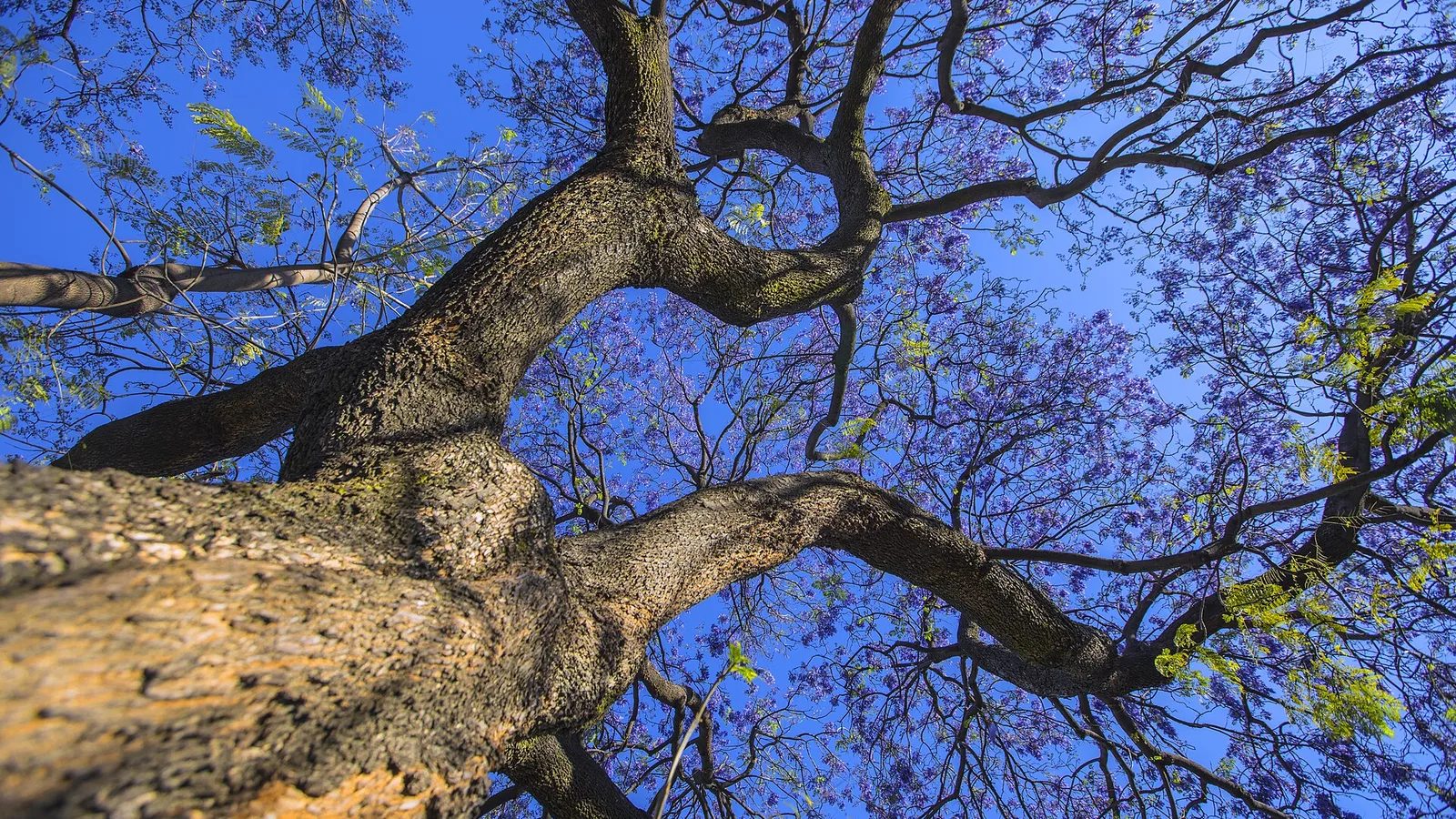
Spring is the warmest and sunniest time of year. Days reach about 25–27°C, nights are mild, and rain is rare until late May. From late February or early March, the city’s jacaranda trees bloom purple, peaking in March and April along streets such as Paseo de la Reforma and in Roma and Condesa. The trade-off is that this is a popular season: book ahead for Easter week (Semana Santa), when many locals leave the city but sights and resorts nearby are busy. Spring is also the driest and haziest season, so air quality can be worse on some days.
Autumn (October to November): festivals and clear skies
The rains ease during October, and November is one of the most pleasant months: sunny, mild days around 23°C and cool evenings. The Day of the Dead, inscribed by UNESCO as Intangible Cultural Heritage, is celebrated in late October and early November, with altars, marigolds and a large parade; the main days are 1 and 2 November. The Formula 1 Mexico City Grand Prix is also held around this time (1 November in 2026). Hotels fill up and prices rise around these dates, so book early.
Winter (December to February): dry and cool
Winter is dry and sunny, with daytime highs of about 22–24°C, but nights are cold, around 6–8°C, and many hotels and apartments have no heating. Pack a warm jacket. December is festive, with posadas, Christmas markets and decorations, while January and February are quieter and often cheaper outside the holidays.
Summer (June to September): the rainy season
The rainy season brings most of the year’s rain, with July the wettest month. Mornings are usually sunny, with heavy showers or thunderstorms in the afternoon or evening that can flood streets for a while. Temperatures stay comfortable, around 23–25°C. It is a good time for budget travellers and museum visits, as long as you plan outdoor sightseeing in the morning and carry an umbrella.
What is the worst time to visit Mexico City?
There is no bad month, but July and August are the wettest, and the days around Christmas, New Year and Easter are busiest and most expensive. If you dislike cold nights, avoid December and January in a room without heating.
Is 3 days enough in Mexico City?
Three days is enough for the highlights: the Centro Histórico and Zócalo, Chapultepec and the National Museum of Anthropology, and Coyoacán with the Frida Kahlo Museum. Add a fourth day for the pyramids of Teotihuacán and a fifth for Xochimilco or a day trip to Puebla. See where to stay in Mexico City for the best base.
Why do I feel dizzy in Mexico City?
Mexico City sits at about 2,240 metres (7,350 feet) above sea level. Some visitors feel short of breath, tired, dizzy or get headaches during their first day or two. Take it easy on arrival, drink plenty of water, limit alcohol at first and see a doctor if symptoms are severe or don’t improve.
Can I wear jeans in Mexico City?
Yes. Mexico City is a big, cosmopolitan capital, and locals dress more like in a European or North American city than at a beach resort. Jeans, trousers and light layers are ideal, with a jacket for the evenings, especially from November to February. Shorts and flip-flops are less common in the city than on the coast.
What is Mexico City known for?
Mexico City is known for its Aztec and colonial history, including the Templo Mayor and the Zócalo; world-class museums such as the National Museum of Anthropology; the pyramids of Teotihuacán nearby; its food scene, from tacos al pastor to fine dining; and neighbourhoods such as Roma, Condesa and Coyoacán.
Is $100 a lot in Mexico?
US$100 is about 1,860 pesos at the November 2026 exchange rate. In Mexico City it covers a mid-range hotel night, or several days of street food and metro rides, or a nice dinner for two. See our Mexico currency guide and how much a trip to Mexico costs.
Is Mexico City safe?
Mexico City is generally safe in the main visitor areas, with the usual big-city precautions. See is Mexico City safe for areas to avoid and common scams.
Compare hotels in Mexico City on Booking.com
FAQ
When do the jacarandas bloom in Mexico City?
From late February or early March, peaking in March and April.
When is the rainy season in Mexico City?
Roughly June to September, with the heaviest rain in July and August. Late May and early October can also be wet.
Is Mexico City cold in December?
Days are pleasant, around 22°C, but nights average about 7°C, so bring warm layers.
Where should I go after Mexico City?
Popular next stops are Oaxaca and the Caribbean coast: see Mexico City to Cancún.