February to April is the best all-round time to visit Vietnam. March is a good first choice: the central coast is turning drier, the south is still in its dry season, and northern cities are warming up. Each region has a different weather calendar, so pick the dates for the places you most want to see.
Quick answer
- Whole country: February to April. Choose March for the simplest three-region itinerary.
- North: April for a spring trip; October and November for cooler city walks and northern scenery.
- Central coast: March and April for sightseeing. February to August is generally drier around Da Nang and Hoi An, with more heat in summer.
- South: December to April for drier weather; December to March is a practical beach window for Phu Quoc.
- Where to be flexible: Central Vietnam in October and November, Ha Long Bay during summer storms, and Phu Quoc in July through September if the beach or ferry is the reason for going.
Vietnam weather by region
These are seasonal patterns. Regional guidance comes from Vietnam’s national tourism authority. City examples use 1991–2020 climate normals supplied by Vietnam’s meteorological service and published by the World Meteorological Organization (WMO).
| Region | Best months | Rainy season | Notes |
|---|---|---|---|
| North | April; October–November | May–September, heaviest in summer | Winters are cool in Hanoi and much colder in Sapa. The lowlands are hot and humid in summer. |
| Central coast | March–April for sightseeing; May–August if you like beach heat | September–December; longer in Hue | Plan around heavy rain and possible flooding in October and November. |
| South | December–March; April still works if you can handle the heat | May–November on the mainland; July–September is particularly wet on Phu Quoc | A city shower and an island ferry cancellation have different effects on your plans. |
Vietnam month by month
| Month | North | Central coast | South | Verdict |
|---|---|---|---|---|
| January | Cool, often misty; cold in Sapa | Rain eases in Da Nang; Hue can stay damp | Dry, good for Phu Quoc | Best for the south |
| February | Cool, with possible drizzle | Da Nang and Hoi An improve; Hue can lag | Dry and sunny | Good all-round; check Tet dates |
| March | Milder, with some grey days | Warm and relatively dry | Dry and getting hotter | Best overall compromise |
| April | Warmer; good for Hanoi, Ninh Binh and Ha Long Bay | Warm and generally dry | Hot late in the dry season | Strong three-region month |
| May | Heat and rain build | Hot, relatively dry | Wet season begins on the mainland | Prioritise the central coast |
| June | Hot and humid with heavier rain | Hot; plan walks early | Regular showers | Central coast for beaches |
| July | Storms can disrupt cruises | Hot; avoid the midday heat | Wet, with rougher island conditions | Stay flexible around boats |
| August | Heavy rain in Hanoi; storm risk on the bay | Still hot; rain starts to increase | Wet, including on Phu Quoc | Choose flexible bookings |
| September | Rice harvest; storms still possible | Rain builds and flood risk rises | Wet; high water in parts of the delta | North for rice terraces |
| October | Good autumn window | Heavy rain and flooding possible | Mainland still wet; delta floating season | Prioritise the north |
| November | Cooler; buckwheat season in Ha Giang | Still wet, especially around Hue and Da Nang | Rain eases in Ho Chi Minh City | North first; keep the centre flexible |
| December | Cool in Hanoi; cold at elevation | Rain can persist on the coast | Dry season returns; good for Phu Quoc | Go south for sun |
Best time to visit Northern Vietnam

Hanoi: Pick April for spring or October and November for autumn. In the WMO Hanoi normals, January’s average daily low is 14.6°C (58°F), while July’s average high is 33.3°C (92°F). Average monthly rain rises from 28 mm in January to 335 mm in August. Pack a layer for winter evenings and leave room for indoor stops in summer.
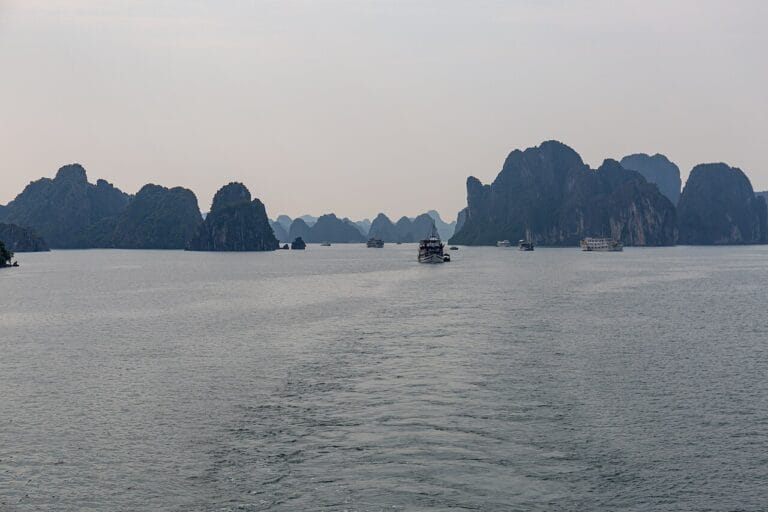
Ha Long Bay: April and May or September and October are good starting points. Choose spring if you are combining the bay with a full north-to-south trip. Summer storms can cancel departures, and winter mist can hide the limestone peaks. Leave a spare day in Hanoi rather than scheduling a cruise immediately before an international flight. Compare routes from Hanoi to Ha Long Bay.
Ninh Binh: Vietnam Tourism recommends April to June. April is the easier pick if you want to avoid the heat and rain that build toward summer. Start the Trang An boat trip early and leave the viewpoint climb for a cooler part of the day. See the guide from Hanoi to Ninh Binh.
Sapa and Ha Giang: April and May work for trekking in Sapa. For golden terraces, aim for September to early October and ask your accommodation which valleys still have rice standing. Winter nights can approach freezing and fog can hide the views. Plan your transfer from Hanoi to Sapa. In Ha Giang, buckwheat flowers turn pink around October and November; November is a good choice if the blooms are your priority.
👉 Compare hotels in Hanoi on Booking.com
Best time to visit Central Vietnam

Hue: Aim for March or April for the Citadel and imperial tombs. Hue’s damp season can last longer than Hoi An’s, so a warm February afternoon in Da Nang does not guarantee a dry day in Hue. The route guide from Da Nang to Hue compares the options if the forecast rules out a scenic drive.
Da Nang: March and April are good for mixing the city and beach. The WMO Da Nang normals put July’s average daily high at 34.4°C (94°F). They show 36 mm of average rain in March, compared with 658 mm in October and 486 mm in November. Book a room you can cancel if your itinerary depends on outdoor days in autumn.
Hoi An: March and April are good for cycling and exploring the Ancient Town before the hottest part of the year. The lantern festival takes place on the 14th day of each lunar month, around the full moon. Check the lunar date before booking. If you’re coming by rail, see Hanoi to Hoi An and Da Nang.
👉 Compare hotels in Hoi An on Booking.com
This guide contains affiliate links.
Best time to visit Southern Vietnam
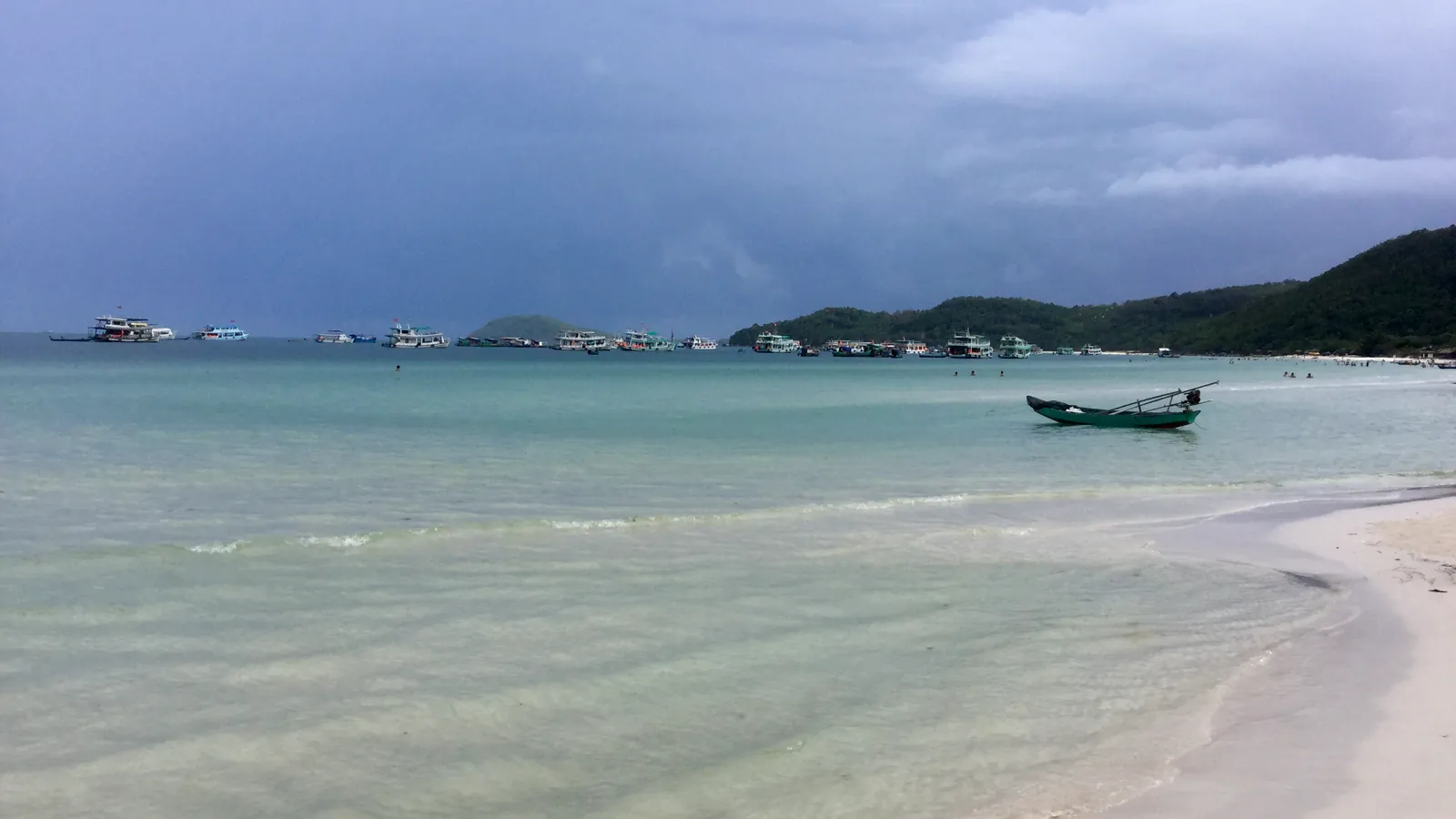
Ho Chi Minh City: December through April is usually drier. The WMO Ho Chi Minh City normals put January’s average daily high at 32°C (90°F), with 12 mm of average rain versus 273 mm in September. From May to November, plan outdoor stops in the morning and save museums or cafés for wet afternoons.
Mekong Delta: December to April is the simpler choice for dry-weather sightseeing. October falls within the delta’s floating season. Higher water is part of the experience at places such as Tra Su, but check access with a local operator.
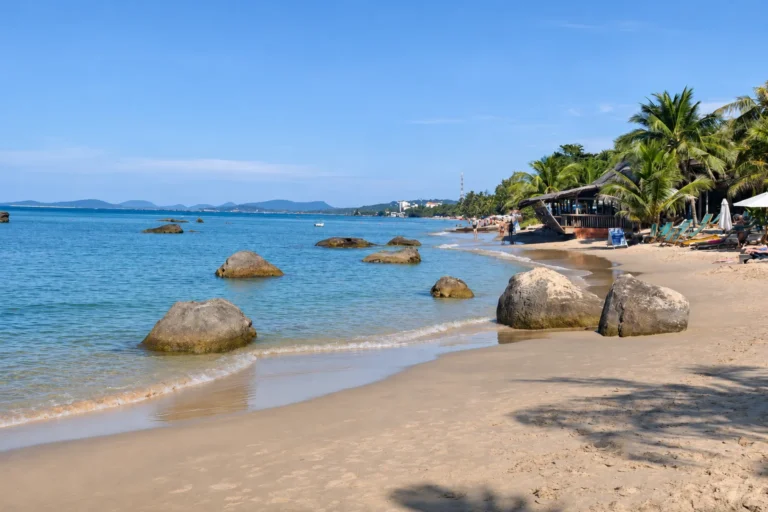
Phu Quoc: December to March is the straightforward beach window, especially December and January. Vietnam Tourism singles out July to September for rougher conditions. If travelling from Ho Chi Minh City to Phu Quoc during those months, compare flights with ferries and keep onward bookings flexible.
Typhoon and flood season: what it means for your trip
Watch northern coastal warnings during summer and early autumn. The central coast around Hue, Da Nang and Hoi An warrants extra caution from September through November, particularly October and November. Heavy rain can continue into December, and individual storms can fall outside these windows.
Quang Ninh’s authorities can stop cruise boats leaving port, as they did ahead of Typhoon Wipha. Read your operator’s terms for a cancelled departure, a shortened cruise and the transfer separately. Indochina Junk’s weather policy shows why these distinctions matter. Ask for a confirmed sailing decision before leaving Hanoi.
Check Vietnam’s national weather service for alerts. If officials close a route, wait or reroute and never cross flooded roads. See is Vietnam safe for more trip planning advice.
Tet and public holidays: when transport sells out
Tet 2027 begins on Saturday, February 6. The Ministry of Home Affairs lists February 4–10 as the seven-day public-sector break. Some family-run shops and restaurants close for several days. Ask your hotel about meals and check opening hours for specific attractions.
Popular flights, sleeper berths and buses can sell out before Tet, and cheaper fare classes may go first. The Ministry of Construction reports the Tet rail sales plan for the Hanoi–Ho Chi Minh City line, and Vietnam Airlines has announced peak-season capacity. Book important intercity legs once dates are firm and check actual fares for your departures.
Also plan around April 30 and May 1 (Reunification Day and International Labour Day) and September 2 (National Day). These are public holidays under the Vietnam Labour Code. In 2027 the announced public-sector National Day break runs September 2–5. Check intercity seats and resort rooms early around both breaks.
Cheapest time to visit Vietnam
There is no single low season for the whole country. For Phu Quoc, compare December to March dry-season prices with early May or November if your dates are flexible. For Hanoi, compare midweek rates in late May or early June with autumn rates. Expect more heat or rain in exchange for any saving.
In Hoi An and Da Nang, compare weekdays away from summer weekends and public holidays. A cheap room in October or November can cost more overall if flooding disrupts onward travel, so read the cancellation terms. For a full budget, see how much a trip to Vietnam costs.
Best time for a full north-to-south trip
February to April: Start in Hanoi, add Ha Long Bay or Ninh Binh, then head to Hue and Hoi An before finishing in Ho Chi Minh City or Phu Quoc. In February, going south to north gives the north a little longer to warm up. In late April, watch the April 30 and May 1 holiday bookings.
October and November: Start in the north for the autumn scenery. Keep a flexible booking in the centre or fly straight from Hanoi to Ho Chi Minh City if storm warnings affect Hue or Hoi An. In November, put Phu Quoc last to give the island more time to move into its drier season.
Planning the rest of the trip? Browse all our Vietnam travel guides for transport, budgets and safety tips.
FAQ
What is the best month to visit Vietnam?
March is the best all-round choice for a first trip covering Hanoi, the central coast and the south. Pick October or November instead if your main goal is northern autumn scenery.
When is the rainy season in Vietnam?
Rain builds in the north from May to September and in the south from May to November. On the central coast, the wettest stretch comes later, around September to December, and can run longer in Hue.
Is it worth visiting Vietnam in the rainy season?
Yes, if you choose the region and leave room to change plans. A wet afternoon in Ho Chi Minh City is easier to work around than a cancelled Phu Quoc ferry or flooding in Hoi An.
When is typhoon season in Vietnam?
Watch the northern coast in summer and early autumn, and the central coast especially from September to November. Check official alerts for your dates.
Is Tet a good time to visit?
Tet is a good time for festivities if you are happy to stay put for several days. Book intercity transport early and check which restaurants and sights will be open.
When is the best time to visit Ha Long Bay?
April and May are good spring choices, while September and October offer an autumn alternative. Leave a spare day for weather and check your cruise operator’s cancellation policy.
Climate data and holiday dates checked on November 9, 2026.