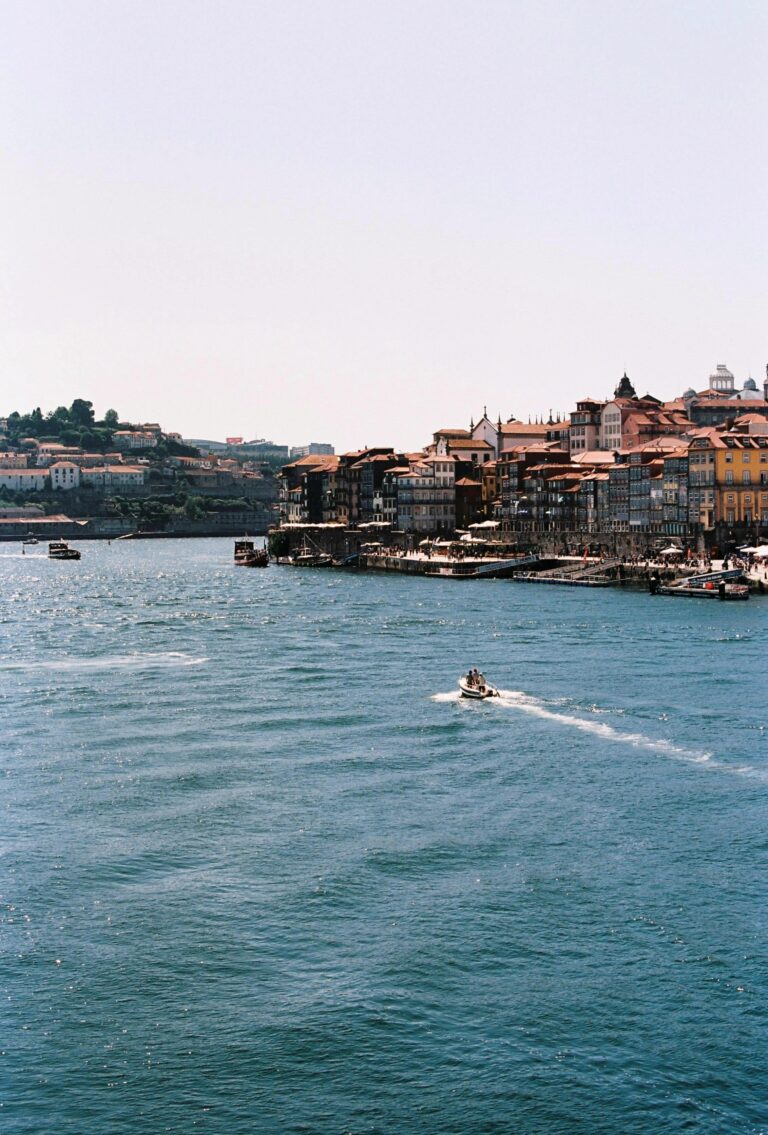
Yes — Lisbon is safe to visit in 2026, and by European-capital standards it is one of the easier cities to handle. Portugal ranks 7th in the 2025 Global Peace Index, the U.S. State Department says travelers should exercise normal precautions in Portugal, and OSAC classifies Lisbon as a low-threat location for crime affecting U.S. government interests.
The main issue is not violent crime. It is petty theft: pickpocketing on crowded trams and metro stations, bag theft in tourist-heavy areas, and the usual opportunistic scams that show up in popular city breaks. If you are still planning the budget side of the trip, read how much does a trip to Portugal cost.
Quick safety verdict
| Category | Risk level | Notes |
|---|---|---|
| Violent crime | Very low | Rarely involves tourists |
| Petty theft | Moderate | Main risk in tourist areas, transport, and viewpoints |
| Solo female travel | Very safe | One of the easier European capitals for solo travel |
| Transport | Safe | Trams and crowded stations are the main pickpocket hotspots |
| Scams | Low to moderate | Taxi, distraction, and overcharging scams exist |
Is Lisbon safe for tourists?
Yes. Lisbon is generally safe for tourists, and the numbers support that.
Numbeo’s current data puts Lisbon’s crime index at about 33 and its safety index at about 67, which is comfortably better than several other major Western and Southern European capitals. On the same dataset, London sits around 55.4, Paris around 58.0, Rome around 47.0, and Barcelona around 52.0. That does not mean Lisbon is risk-free. It means the city’s safety problems are usually nuisance-level problems rather than “do not go” problems.
That matches the official travel-security picture. The U.S. government’s Portugal security report describes Portugal as a relatively low-crime country, but says non-violent street crime does occur in major cities, especially in and around tourist locations, transport hubs, and crowded public transport.
Safest areas and the areas to be more careful in
Most first-time visitors will spend time in places that are busy, central, and broadly safe.
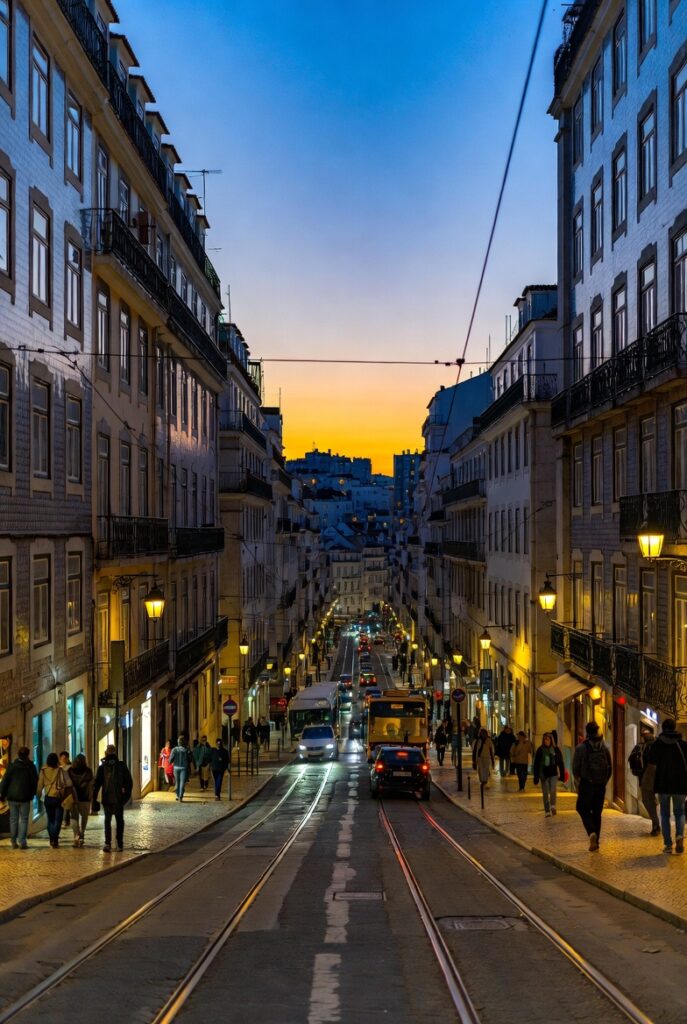
Chiado, Príncipe Real, and Belém are among the easiest areas to handle as a visitor. Chiado is central and busy. Príncipe Real is a comfortable, upscale-feeling base. Belém is touristy but straightforward in daylight and early evening. In the historic core more broadly, Baixa and Chiado are usually fine, but they are also exactly the kind of places where pickpockets like crowds, queues, tram stops, and distracted visitors.
The areas to be more alert in are Martim Moniz, parts of Intendente, and parts of Mouraria, especially later at night. These are not no-go zones, and plenty of people pass through them without problems. But they are more likely to feel rougher around the edges, especially after midnight, and they come up repeatedly in safety guides because of petty theft, hawkers, and a looser late-night atmosphere. The smartest framing is caution, not panic.
Is Lisbon safe at night?
Yes — Lisbon is generally safe at night.
That is especially true in central, active neighborhoods where there are restaurants, bars, and normal foot traffic. Bairro Alto and Cais do Sodré are the two big nightlife zones. They are lively rather than dangerous, but they are also the kind of places where drunk crowds, phones on tables, and loose bag habits make opportunistic theft easier. Stick to lit streets, keep your phone zipped away, and do not confuse “busy” with “risk-free.” If you are also comparing nights in the north of the country, read is Porto safe at night.
Is Lisbon safe for solo female travelers?
Yes. Lisbon is one of the better European capitals for solo female travel.
The center is walkable, English is widely understood in tourism-heavy areas, and the city generally has a low-aggression feel compared with more stressful big-city breaks. That does not remove the need for normal precautions, especially late at night or after drinking, but the usual concern is petty theft or street hassle rather than a serious personal-safety problem.
The most common risks in Lisbon
The biggest risk is pickpocketing, not violence.
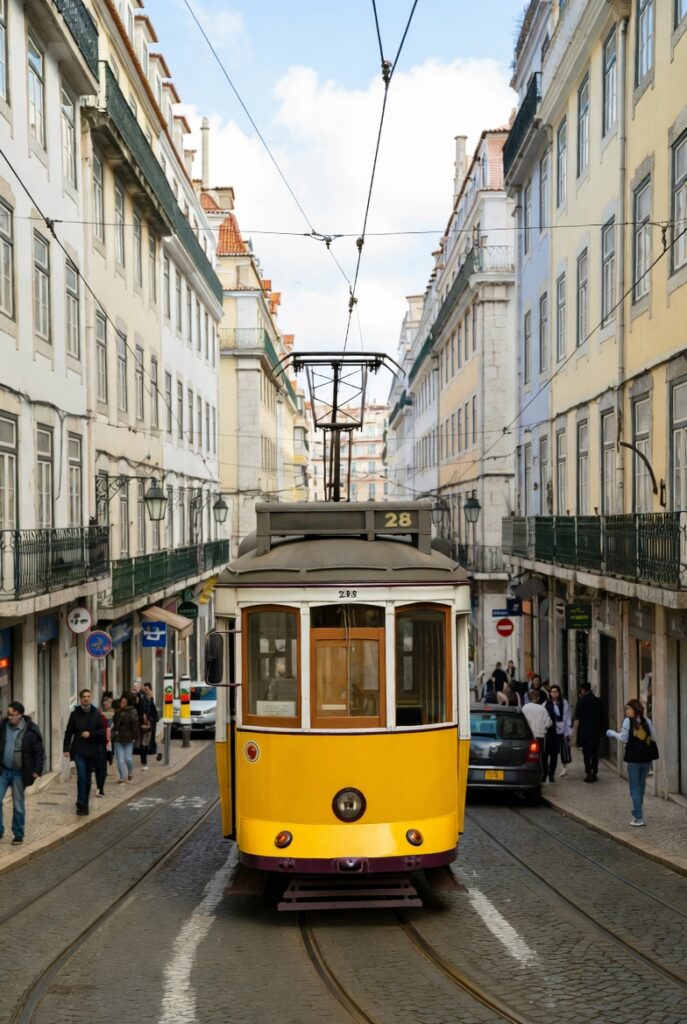
Tram 28 is the most famous hotspot, and for good reason. Official security guidance specifically calls it out as notorious for pickpocketing. OSAC also flags pickpocket risk in buses, hotel lobbies, restaurants, the airport, trains, train stations, and trams, and says the Lisbon districts of Alfama, Martim Moniz, Baixa, Bairro Alto, and Belém deserve extra attention for petty crime.
The second risk is distraction theft. That can mean someone asking for help, trying to start a conversation while you are boarding transport, or creating a crowding moment near a tram door, escalator, or station entrance. Viewpoints and miradouros are also worth extra awareness because tourists stop, photograph, check maps, and set phones down.
The third risk is taxi or airport overcharging. Street taxis are not automatically unsafe, but ride apps like Uber or Bolt remove a lot of friction. That is especially useful on arrival, when you are tired, carrying bags, and easy to overcharge.
You may also run into fake drug sellers or pushy street approaches in central areas. Ignore them and keep walking. They are usually more nuisance than threat.
Practical safety tips
| Tip | Why it matters |
|---|---|
| Use Uber or Bolt from the airport or after late nights | It cuts out meter and route arguments |
| Keep bags zipped and in front of you on Tram 28 and crowded metro lines | This is Lisbon’s classic tourist-theft setup |
| Do not leave phones on café or bar tables | Table-edge theft is easier than people think |
| Avoid standing right by tram or metro doors with your wallet exposed | Door-snatch theft happens during crowding |
| Use bank ATMs in brighter, built-in locations | Better than isolated sidewalk machines |
| Keep only the cash you need for the day | Lowers the damage if something goes missing |
| Stick to main, lit routes after midnight | Especially around Mouraria, Intendente, and nightlife spillover streets |
| Do not accept “help” too quickly in transport queues | Distraction scams work when you are rushed |
| Keep passport and backup cards in your accommodation safe | Tourists are common petty-theft targets |
| When in doubt, move one street away from the crowd | Lisbon’s risk often drops fast once you leave the jam |
If you are planning around lighter crowds and easier city days, read best time to visit Portugal. If your Portugal trip also includes the north, how many days in Porto helps you split the itinerary more sensibly.
FAQ
Is Lisbon safe for solo travel?
Yes. For most people, Lisbon is a very manageable solo destination. The main thing to manage is your stuff, not your personal safety.
Is Lisbon safer than Barcelona or Rome?
On current Numbeo city comparisons, yes. Lisbon’s crime index is around 33, compared with roughly 52 for Barcelona and 47 for Rome. That lines up with the usual on-the-ground experience: Lisbon feels calmer, even though tourist theft still exists.
What areas should I avoid in Lisbon?
Think in terms of being more careful, not outright avoidance. Martim Moniz, parts of Intendente, and parts of Mouraria deserve more caution late at night. In tourist zones like Baixa, Chiado, Alfama, Belém, Bairro Alto, and Cais do Sodré, the issue is usually pickpocketing rather than personal danger.