Portugal is one of the best-value destinations in Western Europe. You get historic neighborhoods, coastline views, day trips like Sintra, wine regions like the Douro Valley, and genuinely good food without the daily prices you’d pay in France, Italy, or many parts of Spain.
When planning their itinerary, many travelers also research is Porto worth visiting since the city is one of Portugal’s most popular destinations after Lisbon.
The reason Portugal can feel “cheap” is simple: accommodation and restaurants are still priced below most Western European hotspots, and you can build an itinerary that relies on trains and walkable cities instead of expensive car rentals.
Portugal is one of the most affordable destinations in Western Europe. If you’re planning a broader trip across the continent, see our full guide to how much does a trip to Europe cost. This Portugal guide is the detailed breakdown with practical numbers and trip totals.
Portugal continues to attract millions of international visitors each year thanks to its affordability and coastline, according to international tourism statistics.
Is Portugal expensive to visit?
Portugal is not expensive compared with most of Western Europe, but it is not a shoestring destination either.
For most travelers, Portugal sits in a sweet spot: cheaper than France, Switzerland, and many parts of Italy, usually a bit cheaper than Spain’s major tourist hotspots, but more expensive than Eastern Europe or Southeast Asia. In practical terms, backpackers can still travel Portugal on roughly €55–€75 per day, while many comfortable mid-range trips land closer to €110–€180 per day depending on season and location.
For a clearer travel-money plan, review Wise’s current exchange and card options before you go.
The biggest reason Portugal can feel “expensive” is not food or local transport. It is accommodation, especially in Lisbon and the Algarve during peak season. That is why Portugal often feels like excellent value overall, but not always cheap once hotels enter the picture.
If you want mobile data sorted before you land, read Best eSIM for Portugal for the one I’d actually buy.
Quick answer: daily budgets in Portugal
| Travel style | Daily budget per person | What it looks like |
|---|---|---|
| Backpacker | €55–€75 | Hostels, cheap eats, free sights, local transit |
| Budget | €75–€110 | Budget hotels, lunch deals, a few paid attractions |
| Mid-range | €110–€180 | 3-star hotels, restaurants, tours, comfort transport |
| Luxury | €250+ | Boutique hotels, private tours, premium dining |
If you’re trying to keep Portugal affordable, you win by controlling accommodation (especially in Lisbon) and planning day trips efficiently (Sintra can get pricey if you do it the slow way).
Prices vary across Portugal
Travel costs in Portugal depend heavily on where you go.
- Lisbon is usually the most expensive city because of hotel demand. If Lisbon is likely to be your main base, read our Lisbon safety guide before choosing your neighborhood and transport habits.
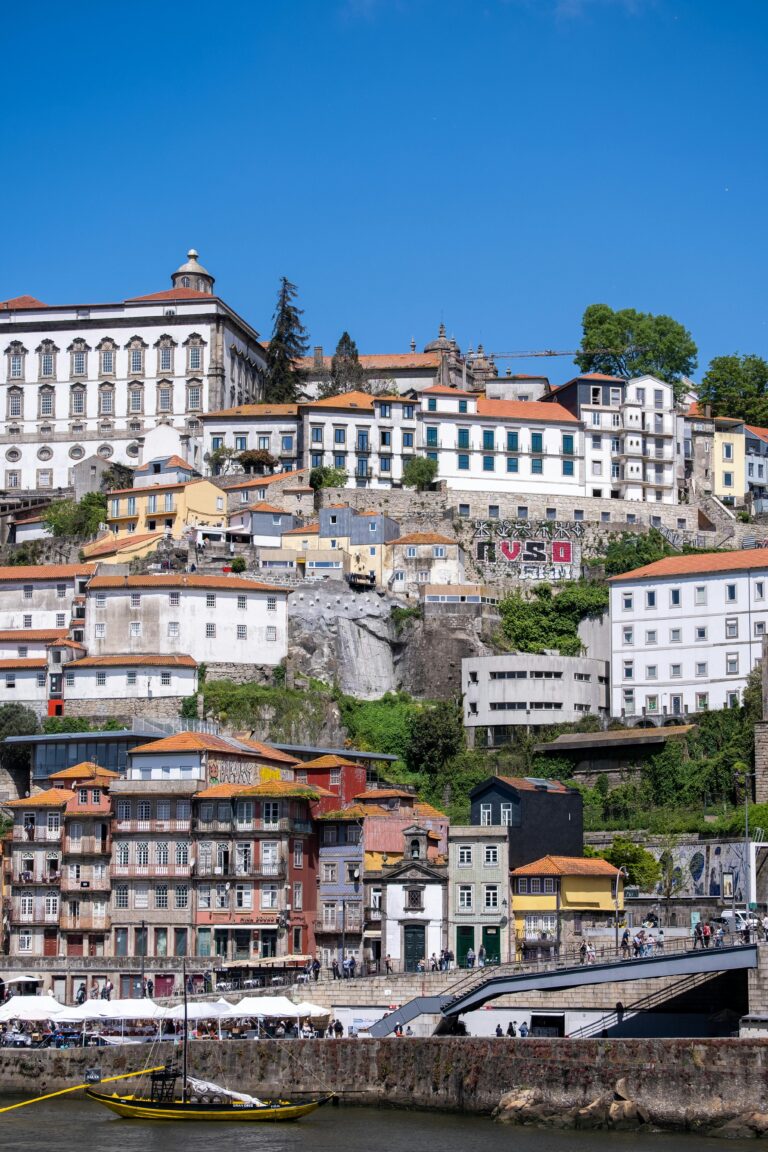
- Porto is slightly cheaper and often offers better hotel value.
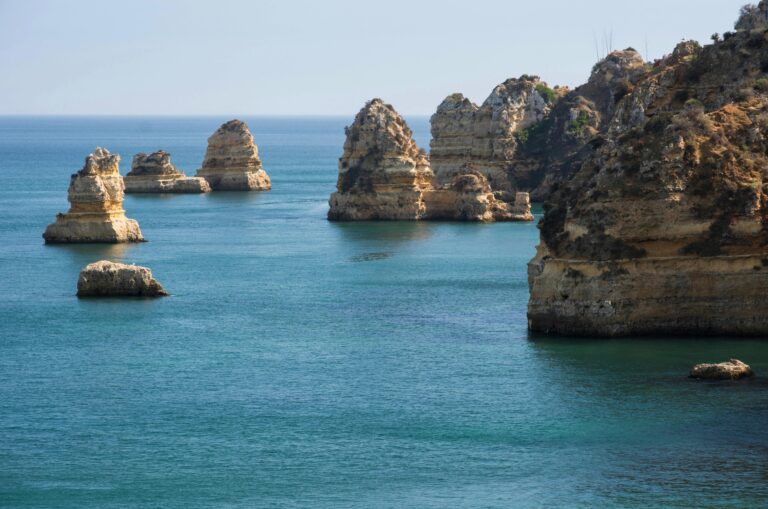
- Algarve resorts can become expensive during summer beach season.
Getting south is cheap if you plan it: the Lisbon to Algarve train costs from about €8 on Promo fares.
Typical daily budgets by location:
| Destination | Budget/day |
|---|---|
| Lisbon | €70–€160 |
| Porto | €65–€140 |
| Algarve | €75–€170 |
Large cities have higher accommodation prices, while smaller towns and inland regions remain significantly cheaper.
Another good lower-pressure stop is Nazaré, Portugal, especially if you want a coastal town that works as a day trip or overnight stay.
One good example is Aveiro, Portugal, which works well as a smaller, lower-pressure stop between the bigger-name cities.
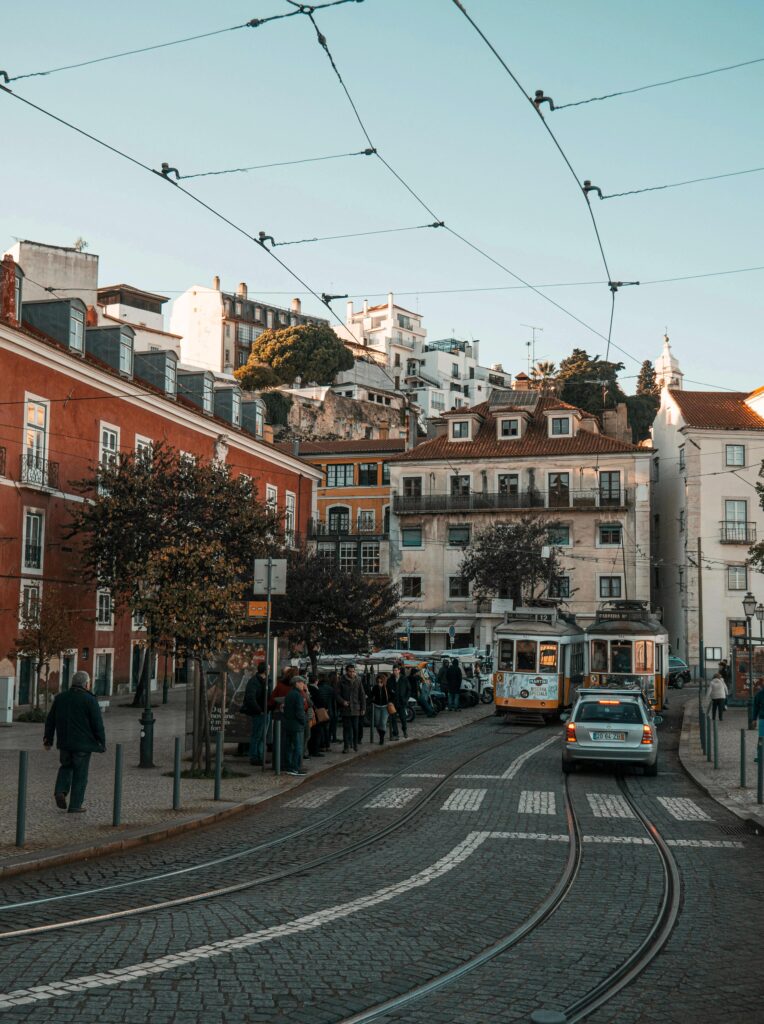
Flight cost to Portugal
Flights are often the biggest single cost for visitors coming from outside Europe. Lisbon (LIS) is usually cheapest, but Porto (OPO) can be competitive depending on season.
If you are flying into Lisbon, read our guide on how to get from Lisbon airport to the city centre for the fastest and cheapest transfer options.
| Departure region | Typical round-trip range |
|---|---|
| Europe | €60–€180 |
| UK & Ireland | €70–€150 |
| USA East Coast | €450–€750 |
| USA West Coast | €650–€1,000 |
| Canada | €550–€850 |
| Australia | €900–€1,400 |
Budget move: fly into Lisbon and fly out of Porto (or the other way around). It saves time, reduces backtracking, and can lower internal transport costs.
Spain is Portugal’s closest travel comparison because the two countries share similar climate, culture and food traditions. See our full breakdown of how much a trip to Spain costs.
Visa and insurance costs
Portugal is in the Schengen Area.
| Expense | Typical cost |
|---|---|
| Schengen visa (if required) | €80 |
| Travel insurance (1–2 weeks) | €25–€60 |
Even if you rarely buy insurance, Portugal is still a place where it’s worth it. It’s a small cost compared to one clinic visit or a missed flight.
Accommodation cost breakdown
Portugal’s accommodation pricing is the main reason it outperforms Western Europe on value, but Lisbon has pushed up fast in peak season.
| Accommodation type | Average nightly cost |
|---|---|
| Hostel dorm | €20–€35 |
| Private hostel room / simple guesthouse | €45–€75 |
| Budget hotel | €60–€95 |
| Mid-range hotel | €95–€150 |
| Boutique / luxury | €170–€350 |
Lisbon and Porto are the priciest cities. If you’re flexible, you can cut your average nightly cost by staying slightly outside the center and using metro/trams.
Food cost breakdown
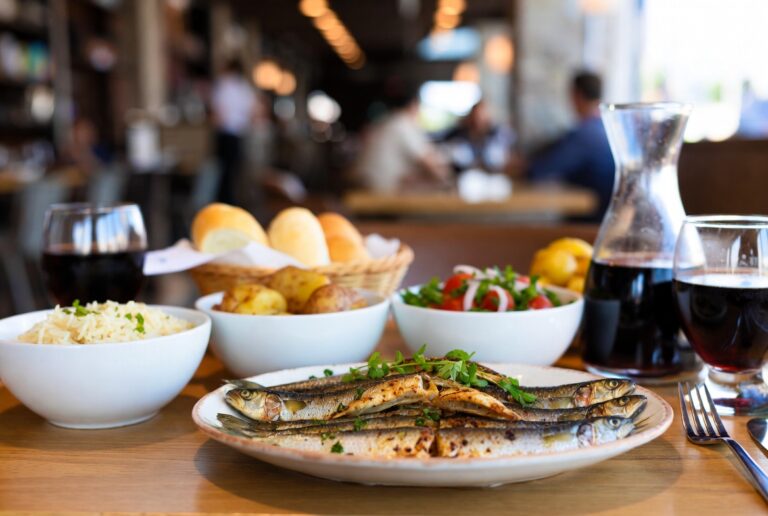
Portugal is very friendly to budget and mid-range travelers because casual restaurants and bakeries are still affordable.
If you want to see what is actually worth ordering, read our Portugal food guide for the best dishes, prices, and what to eat in Lisbon, Porto, and the Algarve.
| Food item | Typical price |
|---|---|
| Coffee + pastry breakfast | €3–€6 |
| “Menu do dia” lunch deal | €8–€12 |
| Casual dinner | €12–€20 |
| Seafood dinner + drink | €18–€35 |
| Beer | €2–€4 |
| Espresso | ~€1 |
Portugal’s cheat code is lunch. If you eat a strong lunch menu and keep dinner simple, your daily food cost stays low without feeling deprived.
The prato do dia trick that keeps Portugal affordable
One of the easiest ways to cut food costs in Portugal is to look for the prato do dia, or plate of the day.
In small local restaurants and traditional tascas, this is often the best-value meal on the menu. Instead of paying tourist-area dinner prices, you can often get a filling local dish for around €7–€9, especially outside the most touristed parts of Lisbon and Porto.
A good rule is simple: if you see a handwritten board outside a modest local restaurant, check it. That is often where Portugal still feels like one of Western Europe’s best-value countries to eat in.
Transport cost breakdown
Portugal is compact, and the Lisbon–Porto corridor is easy by train. You only truly “need” a car if you want remote beaches or countryside loops.
If you want the practical version, read our guide on how to get from Lisbon to Porto, with train, bus, car, and flight options compared.
| Transport type | Typical cost |
|---|---|
| Metro/tram single ride | ~€1.80 |
| Lisbon day pass | ~€6.80 |
| Porto day pass (zones vary) | ~€6–€8 |
| Train Lisbon → Porto | €25–€35 |
| Train Lisbon → Algarve | €20–€30 |
| Rental car (per day) | €30–€55 (season dependent) |
If you’re deciding between train and car: trains usually win for Lisbon/Porto/Sintra style itineraries. Cars win for Algarve hopping if you want total freedom.
If Sintra is part of your route, read our guide on how to get from Lisbon to Sintra for the best train option, station choice, and ticket tips.
Uber vs Bolt in Portugal
Portugal is one of the easier countries in Western Europe for affordable ride-hailing.
In Lisbon and Porto, Bolt is often cheaper than Uber, and short rides can be surprisingly affordable. For couples or two friends traveling together, ride-hailing can sometimes work out close to public transport pricing while saving time and uphill walking, especially in Lisbon.
That does not mean you should use it for everything, but it is a useful budget tool when convenience matters.
Attraction and activity prices
Portugal mixes paid monuments with lots of free “walk-and-look” experiences.
| Activity | Typical cost |
|---|---|
| Jerónimos Monastery (Lisbon) | ~€10 |
| Belém Tower (Lisbon) | ~€6 |
| Sintra palace entry | €13–€20 |
| Douro Valley tasting (basic) | €15–€30 |
| Surf lesson (Algarve) | €30–€60 |
Cost reality: Lisbon’s top monuments are fairly priced, but Sintra can spike your day budget if you stack multiple palaces plus taxis/uber.
Do not rely on free Sunday museum entry
Some older travel advice still says Portugal’s museums are free on Sundays for everyone. In practice, that is not something travelers should count on.
Many attractions now limit free-entry policies or apply them only in specific cases, so it is better to budget for the monuments you really want to see. In cities like Lisbon and Porto, transport-and-entry passes can still make sense, but only if you plan to use them properly in one concentrated sightseeing day.
1-week trip cost breakdown
Mid-range (comfortable hotels, restaurants most days, key attractions):
| Category | 7-day estimate (per person) |
|---|---|
| Flights | €550 |
| Accommodation | €630 |
| Food | €240 |
| Transport | €120 |
| Activities | €140 |
| Total | €1,680 |
Budget version (hostels/budget hotels, lunch deals, fewer tours) often lands closer to €1,150–€1,350 plus flights.
2-week trip cost breakdown
Mid-range, with Lisbon + Porto + Algarve:
| Category | 14-day estimate (per person) |
|---|---|
| Flights | €550 |
| Accommodation | €1,260 |
| Food | €480 |
| Transport | €220 |
| Activities | €260 |
| Total | €2,770 |
Portugal gets expensive when you upgrade every category at once (central boutique hotels + daily tours + seafood dinners every night). Keep one category “moderate” and your total stays sane.
Cost of popular cities in Portugal
| Destination | Typical daily budget |
|---|---|
| Lisbon | €95–€160 |
| Porto | €90–€150 |
| Sintra (day trip add-on) | +€25–€60 |
| Algarve | €95–€170 |
| Coimbra | €75–€120 |
| Braga | €70–€110 |
Lisbon is where most budgets get stretched. Porto is a little cheaper day-to-day, and the value on wine/food tends to feel better.
If Lisbon is likely to be your main base, read is Lisbon expensive for the city-level version with hotels, food, transport, and Lisbon vs Porto comparisons.
For the practical version, read our Sintra day trip from Lisbon guide with the best one-day route, ticket advice, and real costs.
If Lisbon is likely to be your main base, read how many days in Lisbon before locking your hotel nights and day-trip plans.
Algarve transport costs are easy to underestimate
A lot of travelers budget for Algarve hotels and meals but forget how spread out the coastline is.
If you want to visit multiple beaches, viewpoints, or places like Benagil Cave and Praia da Marinha, transport can add up quickly. Public transport does not always connect the exact places tourists want most, so rental cars, ride-hailing, parking, or organized boat trips can become a noticeable part of your Algarve budget.
If your Portugal trip includes the Algarve, it is safer to budget for mobility instead of assuming beach-hopping will be cheap and easy.
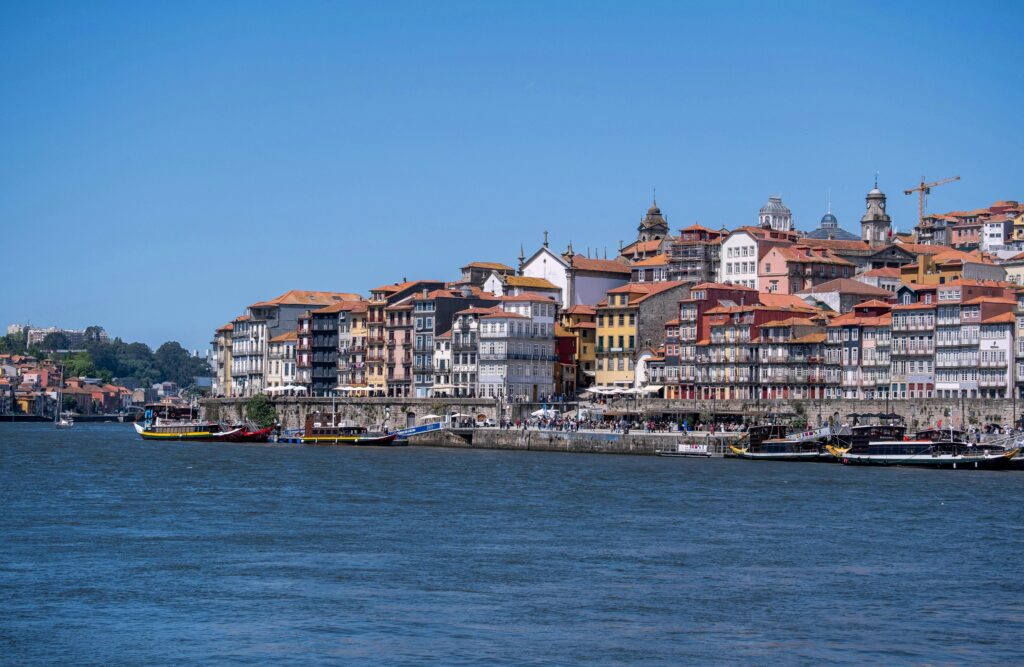
Backpacking vs mid-range vs luxury budgets
| Travel style | Daily budget | 2-week total (excluding flights) |
|---|---|---|
| Backpacker | €55–€75 | €770–€1,050 |
| Budget | €75–€110 | €1,050–€1,540 |
| Mid-range | €110–€180 | €1,540–€2,520 |
| Luxury | €250+ | €3,500+ |
Portugal’s “sweet spot” is mid-range. You can travel comfortably without paying luxury-country prices.
Sample 10-day itinerary budget
Itinerary: Lisbon (4 nights) → Sintra (day trip) → Porto (3 nights) → Douro day trip → Algarve (3 nights)
| Category | 10-day estimate (per person) |
|---|---|
| Flights | €550 |
| Accommodation | €1,050 |
| Food | €340 |
| Transport | €170 |
| Activities | €190 |
| Total | €2,300 |
How to lower this fast: swap two restaurant dinners for simple local meals, and stay slightly outside Lisbon’s most tourist-heavy zones.
Sample 2-week backpacker itinerary budget
Itinerary: Lisbon → Porto → Coimbra (optional) → Algarve with hostels and trains
| Category | 14-day estimate (per person) |
|---|---|
| Flights | €450 |
| Accommodation | €520 |
| Food | €320 |
| Transport | €160 |
| Activities | €140 |
| Total | €1,590 |
This assumes you still pay for a few major sights and one “bigger” day (Sintra or Douro). If you go ultra-minimal, you can push lower, but Portugal is best when you allow some room for experiences.
Best time to visit for cheap travel
Cheapest value months:
March–May
October–November
Highest prices:
July–August
Easter week
Christmas/New Year
If season matters more than pure budget, read best time to visit Portugal for the full weather-and-crowd breakdown.
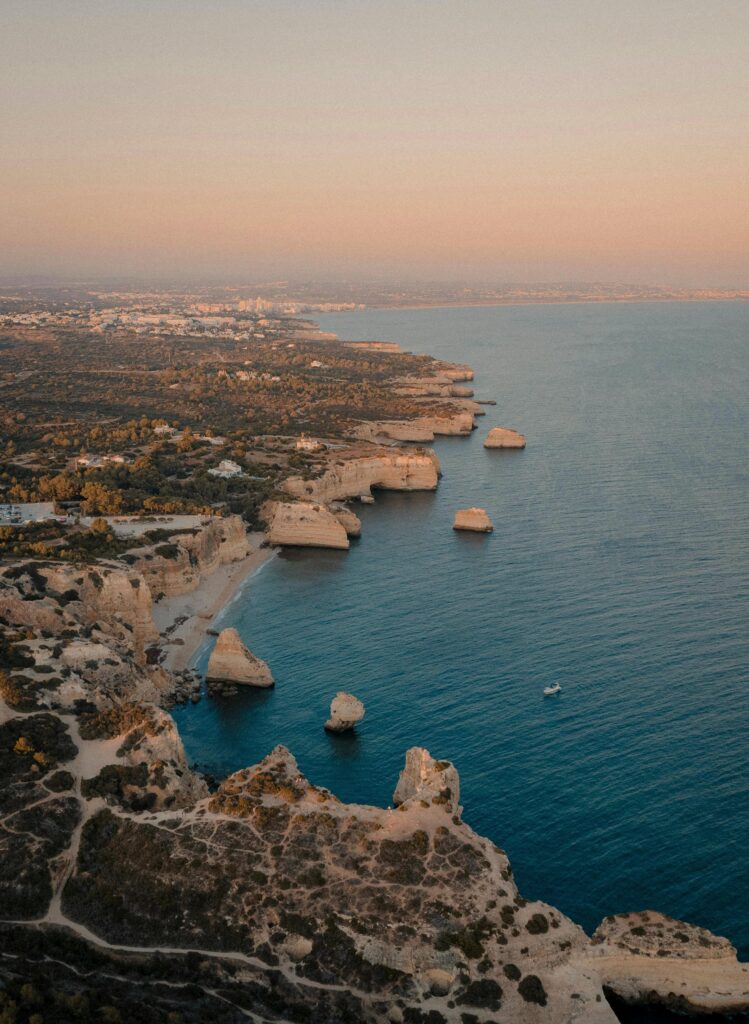
Portugal vs neighbors cost comparison
| Country | Typical daily budget | Notes |
|---|---|---|
| Portugal | €90–€150 | Best value in Western Europe |
| Spain | €110–€170 | Similar, slightly pricier in hotspots |
| Italy | €120–€180 | Big city and transit costs add up |
| France | €130–€200 | Higher accommodation and dining costs |
For the broader context, see is Europe expensive to visit.
Decision table: should you choose Portugal for a budget-friendly Europe trip?
| Your priority | Portugal verdict | Why |
|---|---|---|
| Cheapest Western Europe option | Yes | Lower hotels and meal costs than most neighbors |
| Easy logistics | Yes | Great train links, walkable cities |
| Beach + city combo | Yes | Lisbon/Porto + Algarve works perfectly |
| Luxury experience on a “normal” budget | Yes | Boutique hotel value is strong |
| Peak summer on a tight budget | Mixed | July/August prices can jump fast |
Many travelers combine Portugal with nearby Mediterranean destinations. If you’re comparing travel budgets, see our guide to how much a trip to Greece costs.
Expanded money-saving tips
Book Lisbon earlier than you think. Lisbon rooms spike first, and “last minute” is rarely cheaper here anymore.
Use lunch menus to control food spend. Make lunch your main meal and keep dinner casual.
Do Sintra smart. Pick one major palace, use public transport when possible, and avoid stacking three paid sites in one day unless you accept the cost.
Base in one Algarve town. Constantly switching towns adds transport and check-in friction. Choose one base and day-trip beaches. If Lagos is one of the Algarve towns on your shortlist, read Lagos, Portugal before choosing where to base yourself.
Stay just outside the center. A 10–15 minute metro ride can cut hotel cost meaningfully in Lisbon and Porto.
Choose trains for Lisbon–Porto. It’s usually faster and cheaper than renting a car once you factor parking and fuel.
If you want more affordable Europe ideas beyond Portugal, use best budget friendly European vacations.
FAQ
Is Portugal expensive to visit in 2026?
Compared to Western Europe, Portugal is still affordable. Lisbon has become pricier, but overall trip costs are usually lower than Spain’s major hotspots and far lower than France or Italy.
How much money do I need per day in Portugal?
Most travelers land around €90–€150 per day. Backpackers can do €55–€75 if they use hostels, lunch deals, and free attractions.
Is Lisbon more expensive than Porto?
Yes. Lisbon usually costs more for accommodation and tourist-area dining. Porto can feel slightly cheaper day-to-day.
If Porto is the city you are building around, read how many days in Porto before locking your hotel nights and train bookings
Is the Algarve expensive?
It depends on season. The Algarve can be very affordable in shoulder season but climbs quickly in July and August.
What’s the cheapest month to visit Portugal?
March, November, and early spring/late fall shoulder season tend to be the cheapest, with October and May offering the best “value” mix of price and weather.
Is Portugal cheaper than Italy or France?
Yes. Portugal is usually cheaper than Italy and significantly cheaper than France, especially for food, wine and local transport.
Use this budget with our complete Portugal travel guides for itineraries, transport, food and destinations.