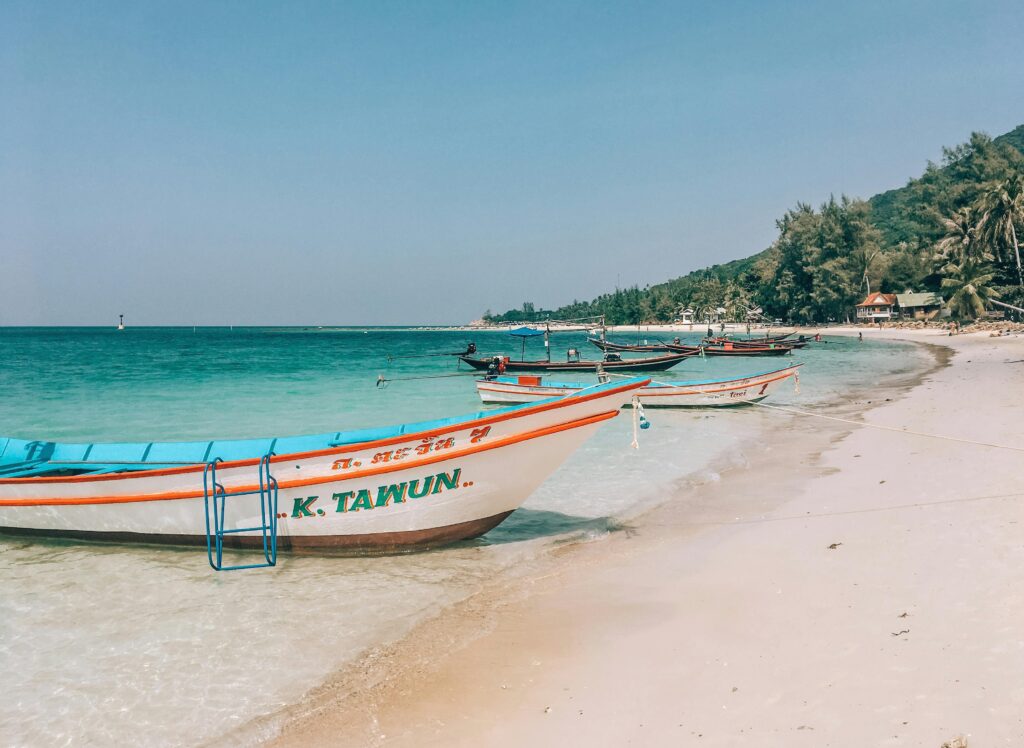
Thailand is generally cheaper than the Philippines in 2026 — but the gap is smaller than most comparison guides suggest, and for certain travel styles the Philippines actually wins on cost. How much you’ll actually spend depends on where you go, how you get there, and what kind of traveler you are. This breakdown covers daily budgets, accommodation, food, transport and hidden costs so you can make the right call for your trip.
If you expect to withdraw or spend in local currency, check Wise’s current card and conversion options in advance.
When planning a Southeast Asia trip, many travelers start by asking is Thailand worth visiting before comparing Thailand with other tropical destinations like the Philippines. If Thailand is the frontrunner, read our Thailand itinerary for 7, 10 or 14 days.
Both destinations deliver beaches, islands, street food, warm weather and unforgettable experiences. The difference lies in logistics. Thailand has decades of tourism infrastructure and an extremely competitive travel market. The Philippines offers raw natural beauty and quieter islands, but travel between them costs more and takes longer. Understanding this difference is key to choosing the right destination for your budget.
If you’re considering other Southeast Asia alternatives, useful comparisons include Thailand vs Indonesia travel cost and Thailand vs Malaysia travel cost.
Thailand vs Philippines daily budget comparison
| Travel Style | Thailand (per day) | Philippines (per day) |
|---|---|---|
| Backpacker | $30–45 | $35–55 |
| Mid-range traveler | $60–100 | $70–120 |
| Comfort travel | $120–180 | $130–200 |
Thailand consistently wins for predictable daily spending. In the Philippines, transportation and island hopping often push the total trip cost higher — even when accommodation and food look similar on paper. Unexpected ferry cancellations or last-minute domestic flights can spike your budget fast, while Thailand’s mature transport network makes daily spending far more predictable.
For broader regional context, see our guide on how much does a trip to Southeast Asia cost.
Backpackers can still travel cheaply in both countries, but the Philippines requires more planning and flexibility. Unexpected ferry cancellations or last-minute flights can increase spending quickly, while Thailand’s transport network makes budgeting easier.
The geography tax: why transportation changes everything
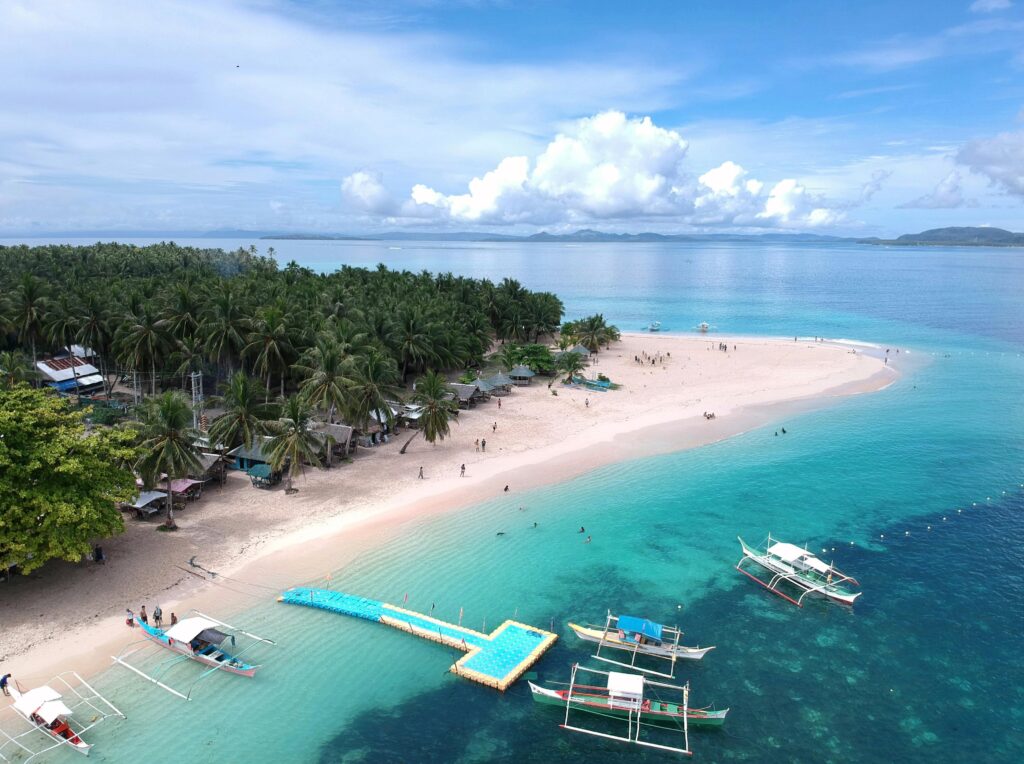
The biggest cost difference between Thailand and the Philippines comes from geography. Thailand is a connected mainland country with trains, buses and budget airlines linking major destinations. The Philippines is an archipelago of more than 7,000 islands, meaning flights and ferries are unavoidable.
A realistic 2-week travel route highlights this perfectly.
Typical Thailand route: Bangkok → Chiang Mai → Southern Islands
Typical Philippines route: Manila → Palawan → Cebu
| Transport for 2 weeks | Thailand | Philippines |
|---|---|---|
| Buses & trains | $30–50 | Not realistic |
| Ferries | $20–30 | $40–70 |
| Domestic flights | $30–60 | $120–180 |
| Total transport cost | $80–120 | $200–300 |
In Thailand, a full 2-week route can be done mostly overland with one ferry crossing. In the Philippines, visiting multiple islands means flights and ferries are unavoidable — and that geography tax alone can add $100-200 to your total trip cost before you’ve paid for a single meal or bed
Accommodation cost comparison
| Accommodation Type | Thailand | Philippines |
|---|---|---|
| Hostel dorm | $6–12 | $8–15 |
| Budget hotel | $18–35 | $25–45 |
| Mid-range hotel | $40–80 | $50–100 |
Thailand has a massive accommodation supply, which keeps prices competitive and quality high. Even in tourist hotspots, it’s easy to find affordable rooms.
In the Philippines, accommodation supply is smaller on many islands. During peak season, prices rise quickly due to limited availability. Booking early becomes more important if you want to stay within budget.
Accommodation is where Thailand’s tourism infrastructure really shows. With decades of competition between guesthouses, hostels and hotels, prices are kept low even in popular destinations.
In the Philippines, smaller islands often have limited supply — during peak season, rooms book out fast and prices spike. If you’re island hopping, early booking isn’t optional, it’s essential.
Bottom line: budget an extra $5–15 per night if the Philippines is your destination, and factor in fewer last-minute options.
Food price comparison
| Food Type | Thailand | Philippines |
|---|---|---|
| Street food meal | $1.5–3 | $2.5–4 |
| Local restaurant meal | $4–8 | $6–12 |
| Western meal | $8–15 | $10–18 |
Thailand’s street food culture is one of the biggest reasons it remains a global backpacker favorite. Cheap meals are available everywhere, from busy cities to small towns. In the Philippines, food is still affordable, but street food is less widespread and restaurant prices are slightly higher.
Over a two-week trip, this difference can save travelers $100–150 in Thailand compared to the Philippines.
Bottom line: food alone won’t make or break your budget decision, but Thailand’s street food density means you’ll spend less without trying — especially outside tourist areas.
The beer and coffee index (daily essentials)
Small daily expenses add up quickly and influence your overall budget.
| Daily essentials | Thailand | Philippines |
|---|---|---|
| Local beer | $2.5–3.5 | $1.5–2.5 |
| Coffee (café) | $2–3 | $3–4.5 |
| SIM card / data | $8–12 | $10–15 |
The Philippines actually beats Thailand on one daily expense — beer is noticeably cheaper, often $1 less per bottle. But that advantage disappears fast when you factor in coffee and mobile data, both of which cost more than in Thailand.
Over a 2-week trip, these small daily expenses quietly add $30–50 to your Philippines total compared to Thailand.
Bottom line: if you’re a coffee drinker or heavy data user, Thailand wins. If you’re mainly budgeting around cold beers on the beach, the gap is smaller than it looks.
Beer is often cheaper in the Philippines, but coffee and mobile data are more expensive. Over several weeks of travel, these everyday purchases make a noticeable difference.
Beer is often cheaper in the Philippines, but coffee and mobile data are more expensive — a pattern consistent with broader cost-of-living data from Numbeo , which also ranks Thailand cheaper overall for everyday expenses.
Transportation cost comparison
| Transport Type | Thailand | Philippines |
|---|---|---|
| Long-distance bus | $6–20 | Limited routes |
| Train travel | $5–25 | Not available |
| Domestic flight | $25–60 | $40–100 |
| Ferry | $10–25 | $10–35 |
Thailand’s transport network is one of the best in Southeast Asia. Cheap trains, buses and budget airlines make traveling between destinations simple and affordable. In the Philippines, travel requires more planning and flexibility.
Transport is the biggest difference between the two countries. Thailand has extensive trains, buses and low-cost airlines, while the Philippines often requires domestic flights or ferries between islands.
Bottom line: transport is where Thailand wins most convincingly. If getting between destinations cheaply and easily matters to your trip — and it should — Thailand is the clear choice.
For a full breakdown of how geography drives these differences, see the geography tax section above.
Island and beach travel costs
| Island Expense | Thailand | Philippines |
|---|---|---|
| Island day tour | $20–40 | $25–50 |
| Snorkeling trip | $25–50 | $35–60 |
| Budget beach room | $15–30 | $20–40 |
Both countries offer world-class beaches. Thailand’s islands are easier and cheaper to combine into a single itinerary. The Philippines offers more remote landscapes but often at higher logistical cost. If Palawan is on your beach itinerary, compare how to get to El Nido before choosing flights or island-hopping connections.
Bottom line: if you want beach hopping on a budget with minimal planning, Thailand is easier. If you want more remote, less crowded beaches and don’t mind paying more to get there, the Philippines delivers something Thailand can’t.
Hidden costs: ATM fees and cash access
ATM fees are small individually but add up fast — especially in the Philippines where lower withdrawal limits mean you’ll hit the machine more often.
| ATM withdrawal fee | Thailand | Philippines |
|---|---|---|
| Foreign ATM fee | ~$6 (220 THB) | ~$4.5 (250 PHP) |
| Withdrawal limits | Higher limits | Lower limits |
Thailand’s fee is slightly higher per withdrawal, but higher limits mean you pay it less often. In the Philippines, frequent withdrawals can quietly add $15–30 to a two-week trip.
Bottom line: carry a card that reimburses ATM fees if possible — in both countries, but especially the Philippines.
Seasonal price differences
Peak season pushes prices up 20–40% in both countries — but Thailand handles the pressure better.
| Season | Thailand | Philippines |
|---|---|---|
| Peak season | November–March | December–May |
| Price increase | 20–30% | 25–40% |
| Availability | Generally manageable | Books out fast on popular islands |
Thailand’s larger hotel supply absorbs tourist demand better. Even during peak season in Chiang Mai or Bangkok, last-minute rooms are usually available at reasonable prices.
The Philippines is different. Popular islands like Palawan and Boracay book out weeks in advance during peak season, and prices spike sharply when availability drops. Traveling off-peak is one of the easiest ways to close the cost gap between the two countries.
Bottom line: if your travel dates are flexible, shoulder season in both countries — April to May in Thailand, June to September in the Philippines — offers the best value without sacrificing good weather. Make sure you check out when is the best time to visit Thailand too for more details.
If you’re leaning toward the Philippines, our Philippines weather guide breaks down the best months for Palawan, Boracay, Cebu and Siargao rather than using one nationwide recommendation.
Which country offers better value for money?
Cost alone shouldn’t decide your trip — but if budget is a genuine constraint, here’s the honest breakdown:
| Traveler type | Better value |
|---|---|
| Strict budget backpacker | Thailand |
| First-time Southeast Asia visitor | Thailand |
| Beach + diving focused | Philippines |
| Off-the-beaten-path traveler | Philippines |
| Short trip (under 10 days) | Thailand |
| Longer trip (3+ weeks) | Either, costs even out |
Thailand wins on predictability. You know roughly what things cost, transport is reliable and cheap, and budget options are everywhere.
The Philippines wins on experience. The islands are less crowded, diving is world-class, and if you’re willing to plan carefully and absorb the transport costs, the total difference shrinks significantly on longer trips.
Bottom line: if you’re choosing purely on budget, Thailand is cheaper. If you’re choosing on value — what you get for what you spend — the Philippines is more competitive than the numbers suggest.”
Final verdict: Thailand vs Philippines cost
Thailand is the cheaper destination in 2026. That’s not really in dispute after looking at the numbers.
But cheaper doesn’t always mean better value for your specific trip. If you’re a first-time Southeast Asia visitor on a tight budget with limited time, Thailand is the clear choice. If you’ve done Thailand before and want something rawer, less touristed and more visually dramatic — and you’re willing to pay the geography tax to get there — the Philippines delivers.
The real answer depends on one question: do you want easy and affordable, or remote and unforgettable?
If you’re still deciding, these comparisons might help:
If you want the absolute cheapest food: Vietnam vs Philippines.
If you want the best infrastructure: Thailand vs Vietnam.
If you’re planning a longer trip through the region, our guide on how much does a trip to Southeast Asia costs compares average travel budgets across several countries.
If you want a cheaper temple-and-city alternative nearby: Thailand vs Cambodia travel cost.
FAQ Thailand vs Philippines cost
Is Thailand cheaper than the Philippines?
Yes, typically 15–25% cheaper overall. Food, accommodation and land transport are all more affordable, and Thailand’s mature tourism infrastructure keeps prices competitive even in popular destinations.
Why is the Philippines more expensive?
The Philippines is an archipelago of over 7,000 islands, meaning domestic flights and ferries are unavoidable for most itineraries. This geography tax can add $100–200 to a two-week trip compared to Thailand, where most routes can be done overland.
Which is better for backpackers?
Thailand is easier and more predictable for first-time backpackers. Budget accommodation, street food and cheap transport are available everywhere. The Philippines is also backpacker-friendly but requires more planning and flexibility around ferry schedules and flight costs.
Is island hopping cheaper in Thailand?
Yes. Thailand’s islands are closer together and connected by affordable ferries. In the Philippines, island hopping between major destinations like Palawan, Cebu and Boracay typically requires domestic flights, which adds significantly to the total cost.
Is the Philippines worth the extra cost?
For many travelers, yes. The Philippines offers world-class diving, less crowded beaches and more dramatic island scenery than Thailand. If those experiences are your priority and you plan carefully, the extra cost is often considered worthwhile.