Malaysia is usually 10–20% cheaper than the Philippines for overall travel costs. Budget travelers often spend $30–50 per day in Malaysia, while the Philippines typically averages $40–70 per day, mainly because domestic flights and island hopping increase transport costs.
For a clearer travel-money plan, review Wise’s current exchange and card options before you go.
Both countries offer affordable travel, but Malaysia tends to stretch budgets further thanks to better transport infrastructure and cheaper intercity travel.
Malaysia often feels smoother for travel planning: excellent bus networks, modern airports, reliable apps, and easy overland movement between major destinations. The Philippines delivers unforgettable island scenery and diving, but the real cost often comes from what travelers don’t budget for at first: domestic flights, ferries, extra travel days, and the “archipelago tax.” If your priority is the lowest total cost and easiest planning, Malaysia tends to win. If your priority is dramatic remote islands and you’re okay paying more for the logistics, the Philippines can still be worth it.
Malaysia vs Philippines daily budget comparison
For broader regional context, see our guide on how much does a trip to Southeast Asia cost.
| Travel style | Malaysia (per day) | Philippines (per day) |
|---|---|---|
| Backpacker | $30–45 | $35–55 |
| Mid-range traveler | $60–95 | $70–120 |
| Comfort travel | $110–170 | $130–200 |
Malaysia is especially strong for mid-range travel. You can often stay in comfortable hotels, eat extremely well, and move around cheaply using buses and ride-hailing. The Philippines can still be affordable in specific places, but costs spike once you add island transfers and last-minute transport changes.
The geography tax: why transportation changes everything
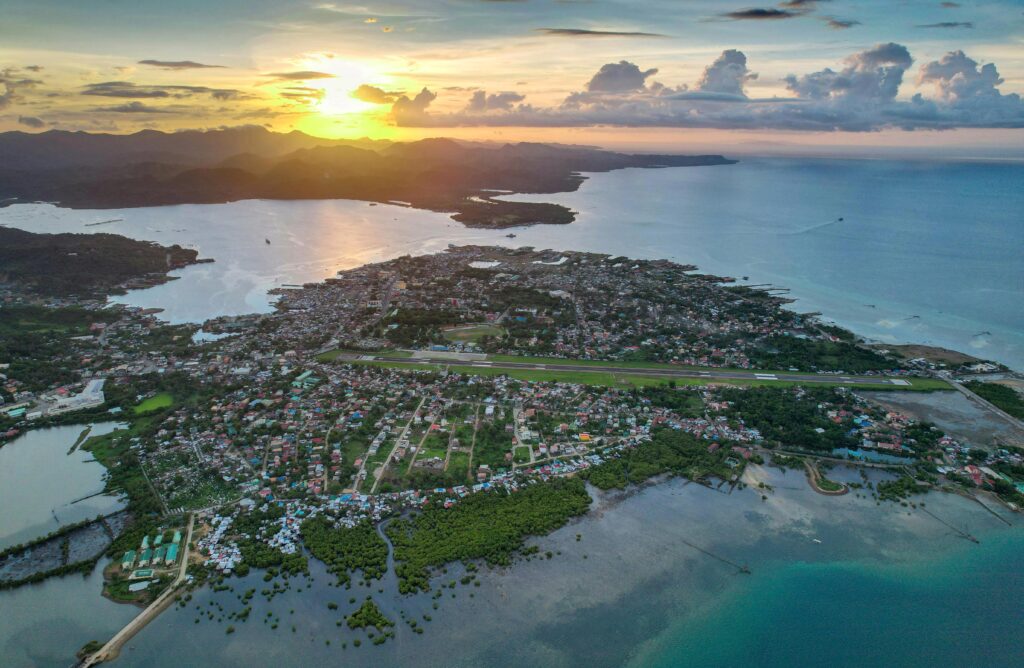
The biggest cost difference between Malaysia and the Philippines is geography. Malaysia has large connected regions with strong transport links (especially Peninsular Malaysia). The Philippines is an archipelago of more than 7,000 islands. That means flights and ferries are not optional if you want a “multi-destination” trip.
To make this real, compare a standard 2-week route.
Typical Malaysia route: Kuala Lumpur → Penang → Langkawi (or the Perhentians)
Typical Philippines route: Manila → Palawan → Cebu (or Siargao)
| Transport for 2 weeks | Malaysia | Philippines |
|---|---|---|
| Buses & trains | $25–45 | Not realistic |
| Ferries | $15–30 | $40–70 |
| Domestic flights | $30–60 | $120–180 |
| Total transport cost | $70–110 | $200–300 |
In Malaysia, you can travel through multiple destinations mostly overland and add one island hop. In the Philippines, the same “variety” usually requires at least two domestic flights plus ferries. That often doubles (or even triples) the transport budget and adds extra time buffers to your plan. This is the number-one reason travelers feel the Philippines is more expensive than expected.
Accommodation cost comparison
Accommodation is where Malaysia quietly wins for value. You often get better room quality and amenities at the same price point, especially in cities.
| Accommodation type | Malaysia | Philippines |
|---|---|---|
| Hostel dorm | $8–14 | $8–15 |
| Budget hotel | $22–40 | $25–45 |
| Mid-range hotel | $45–90 | $50–100 |
Malaysia has strong competition in Kuala Lumpur, Penang, and even many secondary destinations, which keeps prices fair. In the Philippines, accommodation is very budget-friendly in some cities, but on famous islands (like El Nido, Boracay, or Siargao) supply can be limited, and prices rise quickly in peak season. If you want to keep your Philippines trip affordable, booking earlier matters more.
Malaysia generally offers more mid-range hotels and modern guesthouses at lower prices. In the Philippines, accommodation costs increase in popular island destinations such as Palawan or Boracay due to limited supply.
Food price comparison
Malaysia is one of the best value food countries in Asia thanks to hawker centres and food courts where locals eat daily. The Philippines can be affordable too, but average restaurant prices often run a bit higher, especially for “tourist-standard” meals.
Both countries have cheap local food, but Malaysia often wins on price and variety because street food culture is widespread and competitive.
| Food type | Malaysia | Philippines |
|---|---|---|
| Street food meal | $2–4 | $2.5–4 |
| Local restaurant meal | $4–8 | $6–12 |
| Western meal | $8–15 | $10–18 |
Malaysia’s strength is consistent cheap quality: nasi lemak, roti canai, laksa, char kway teow, satay, and Indian-Muslim meals are widely available at low prices. In the Philippines, you can eat cheaply, but you’ll often notice less variety in ultra-budget street meals, and Western options can get expensive on islands.

The beer and coffee index (daily essentials)
This quick index makes your “real daily spend” more accurate. These are the things travelers buy constantly without thinking: coffee, data, and a casual beer.
| Daily essentials | Malaysia | Philippines |
|---|---|---|
| Local beer | $3–4 | $1.5–2.5 |
| Coffee (café) | $2–3.5 | $3–4.5 |
| SIM card / data | $8–12 | $10–15 |
Nuance that matters: beer is often cheaper in the Philippines (especially local brands), but coffee and mobile data are frequently cheaper in Malaysia. Over a two-week trip, those “small” differences can easily be $30–$80.
For a detailed breakdown of accommodation, food and transport costs, see our guide on is Malaysia expensive to visit.
Transportation cost comparison
Even beyond the “big route” comparison, everyday transport is generally easier and more consistent in Malaysia. In the Philippines, you can absolutely travel on a budget, but the transport system is less standardized across islands.
| Transport type | Malaysia | Philippines |
|---|---|---|
| Train travel | $3–20 | Not available |
| Long-distance bus | $5–15 | Limited routes |
| Domestic flight | $25–60 | $40–100 |
| Ferry | $10–25 | $10–35 |
Malaysia’s buses between major cities are cheap and comfortable, and you can build a full itinerary without flying much. In the Philippines, if you want multiple “bucket list” regions in one trip, flights become the default solution. That’s the hidden budget killer.
Transport is the biggest cost difference. Malaysia has efficient buses and trains connecting cities cheaply, while the Philippines often requires domestic flights or ferries between islands.
You can also read our full analysis of is the Philippines expensive to visit for a deeper budget breakdown.
Island and beach travel costs
Both countries have beautiful beaches, but the cost structure differs. Malaysia’s islands can be cost-effective when you choose the right ones (Langkawi, Perhentians, Redang), while the Philippines often charges more once you factor in boat tours and transfers.
| Island expense | Malaysia | Philippines |
|---|---|---|
| Island day tour | $20–40 | $25–50 |
| Snorkeling trip | $25–45 | $35–60 |
| Budget beach room | $20–35 | $20–40 |
In the Philippines, many destinations require island hopping to get the “best of the best,” and that’s where costs rise. In Malaysia, you can often pick one island base and keep expenses controlled.
Cost-of-living data from Numbeo also shows that overall expenses tend to be slightly higher in Malaysia than in the Philippines depending on category.
Hidden costs: ATM fees and cash access
These are the “budget killers” people search for because they add up quietly. The fee amount matters, but so do withdrawal limits (which determine how often you pay the fee).
| ATM withdrawal fee | Malaysia | Philippines |
|---|---|---|
| Foreign ATM fee | ~$3–4 | ~$4.5 (250 PHP typical) |
| Withdrawal limits | Higher limits | Lower limits |
The Philippines often has lower daily withdrawal limits, meaning you may pay ATM fees more often if you rely on cash. Both countries reward travelers who use fee-friendly cards (for example Revolut or Wise) and plan fewer withdrawals. Also, islands can have fewer ATMs, so you may need to withdraw larger amounts when you see one, which can be stressful if limits are low.
Seasonal price differences
Seasonality affects both destinations. Malaysia’s peak season varies by region (west coast vs east coast, and Borneo has its own patterns), while the Philippines often peaks strongly during its dry months (commonly December to May). In both places, prices can rise 20–40% in high season, especially on islands with limited accommodation. Malaysia’s advantage is supply: major cities and popular areas usually have more options, which reduces extreme spikes compared to small Philippine islands.
Which destination is better for your travel style?
If you’re a backpacker trying to keep costs controlled, Malaysia is often easier: you can move overland, eat cheap daily, and avoid frequent flights. The Philippines can still work on a backpacker budget, but it’s best when you choose fewer regions and stay longer in each place instead of chasing multiple islands.
If you’re mid-range (the biggest audience for cost comparisons), Malaysia is usually the better deal. You’ll often get better hotel quality and more predictable transport costs. The Philippines can match Malaysia’s value in some areas, but island logistics often pushes the total cost higher.
If you’re traveling for beaches and diving specifically, the Philippines may be worth the extra expense. But if you want a balance of cities, food culture, and easy movement, Malaysia offers a smoother experience for less money.
Final verdict: Malaysia vs Philippines cost
Malaysia is generally 10–20% cheaper overall for travel costs, mainly due to cheaper intercity transport and better infrastructure. The Philippines often becomes more expensive because island hopping requires flights and ferries.
Travelers looking for the lowest daily costs often prefer Malaysia, while those prioritizing beaches and diving may choose the Philippines.
Still undecided? read these next
If you want to compare the biggest SEA budget winner: Thailand vs Philippines.
If you want the best infrastructure comparison: Thailand vs Vietnam. If you want the Thailand vs Malaysia decision: Thailand vs Malaysia travel cost.
If you’re planning a longer trip through the region, our guide on how much does a trip to Southeast Asia cost, it compares average travel budgets across several countries.
FAQ Malaysia vs Philippines cost
Is Malaysia cheaper than the Philippines?
Yes. Malaysia is usually 10–20% cheaper for daily travel costs, mainly due to cheaper transport and accommodation.
How much money do you need per day in Malaysia vs Philippines?
Budget travelers usually spend $30–50 per day in Malaysia and $40–70 per day in the Philippines depending on travel style.
Why is the Philippines sometimes more expensive?
Island geography means domestic flights and ferries are often required, increasing overall travel costs.