The Philippines is one of the most beautiful destinations in Southeast Asia, but it surprises many travelers when it comes to cost. While food and accommodation can be very affordable, the geography of the country makes transportation significantly more expensive than countries like Vietnam or Thailand.
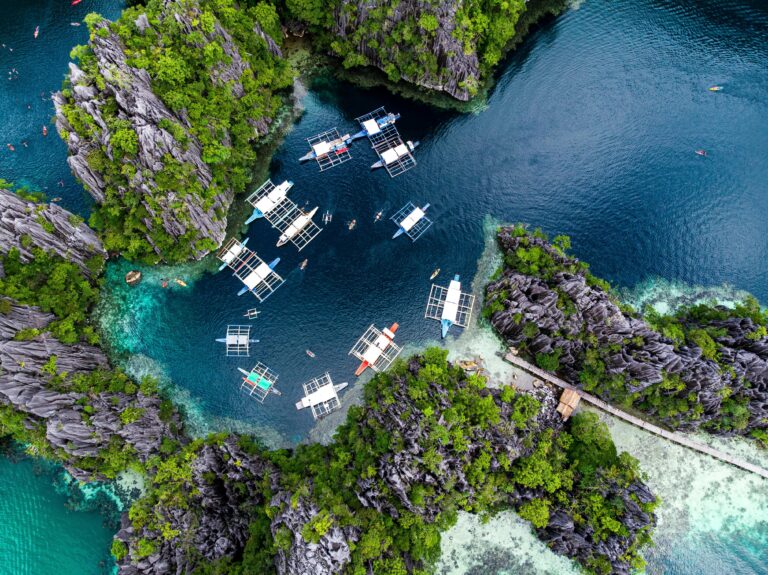
The Philippines has more than 7,000 islands. That makes it incredible for beaches and island hopping, but flights, ferries and transfers can add up quickly. Many travelers arrive expecting ultra-cheap Southeast Asia prices and end up spending more than planned.
The Philippines is one of several affordable destinations in the region. If you’re comparing travel budgets across the region, see our guide to how much does a trip to Southeast Asia cost, this article breaks down the Philippines specifically so you can build a realistic budget.
The Philippines is still affordable overall, but understanding transport costs is the key to planning your trip properly.
The Philippines continues to attract millions of international visitors each year thanks to its beaches and diving destinations according to international tourism statistics.
Quick answer: daily travel budget in the Philippines
| Travel style | Daily budget per person |
|---|---|
| Backpacker | $35–$55 |
| Budget traveler | $55–$80 |
| Mid-range traveler | $80–$140 |
| Luxury traveler | $200+ |
The Philippines is slightly more expensive than Vietnam or Cambodia but similar to Thailand overall.
Why trips to the Philippines can be more expensive
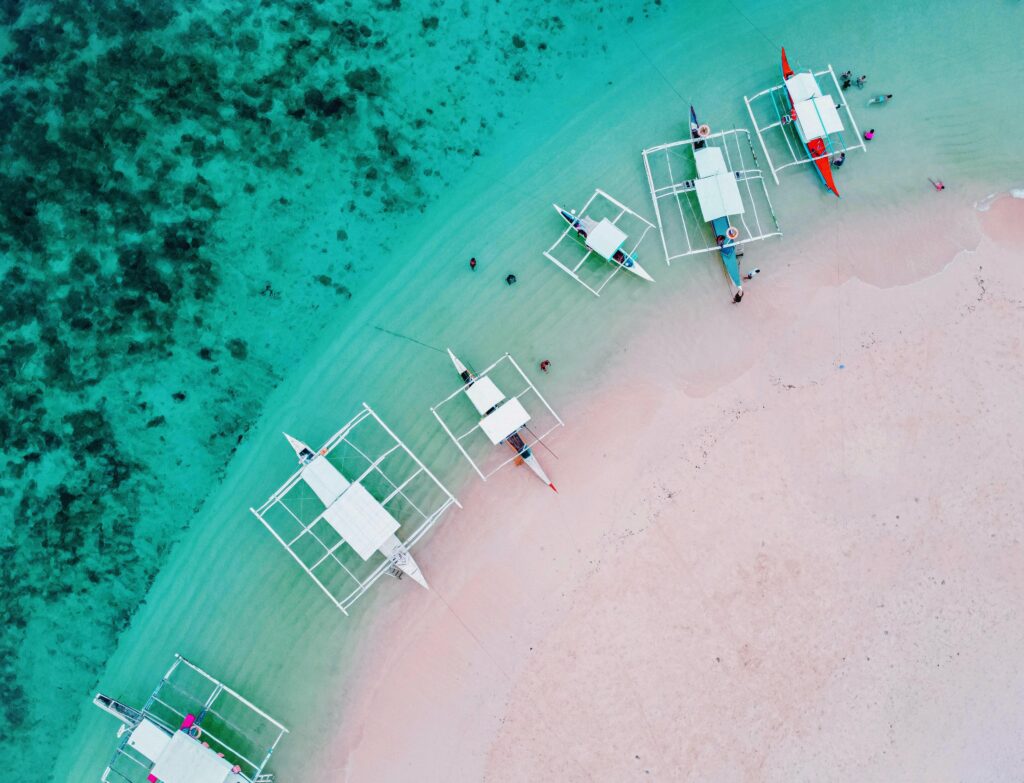
The Philippines is made up of more than 7,000 islands, which makes transportation one of the biggest travel expenses.
Many itineraries require multiple flights or ferries between islands such as Cebu, Palawan and Siargao.
Typical extra travel costs include:
| Route | Average price |
|---|---|
| Domestic flights | $40–$120 |
| Island ferries | $10–$30 |
| Island hopping tours | $20–$40 |
Because of this geography, the Philippines can sometimes be slightly more expensive than countries like Vietnam or Thailand even though food and accommodation are cheap.
Flight cost to the Philippines
Flights are the biggest cost for most travelers.
| Departure region | Typical round-trip price |
|---|---|
| Europe | $700–$1100 |
| UK | $700–$1000 |
| USA West Coast | $650–$1000 |
| USA East Coast | $900–$1400 |
| Australia | $300–$650 |
Manila and Cebu are the main international gateways.
Booking flights 3–5 months in advance usually gives the best prices.
Visa and travel insurance costs
| Expense | Cost |
|---|---|
| Visa on arrival | Free (30 days for many nationalities) |
| Travel insurance (2 weeks) | $30–$60 |
Visa rules are friendly for tourists.
Accommodation cost breakdown
Accommodation is very affordable across most of the country.
| Accommodation type | Average price per night |
|---|---|
| Hostel dorm | $8–$15 |
| Guesthouse | $18–$30 |
| Budget hotel | $25–$45 |
| Mid-range hotel | $45–$90 |
| Beach resort | $90–$180 |
Island destinations like Palawan and Boracay are more expensive than cities.
Food cost breakdown
Food is cheap and portions are large.
| Food type | Average price |
|---|---|
| Street food meal | $2–$4 |
| Local restaurant | $3–$6 |
| Western restaurant | $6–$12 |
| Coffee | $2–$4 |
Eating local keeps daily costs low.
Transport and island hopping costs
Transport is the biggest budget factor in the Philippines.
| Transport type | Price |
|---|---|
| Domestic flight | $40–$90 |
| Ferry between islands | $25–$50 |
| Tricycle ride | $1–$3 |
| Jeepney ride | <$1 |
Island hopping often requires multiple flights or ferries.
This is why the Philippines can be more expensive than other Southeast Asia destinations.
Hidden transport costs most travelers miss
One reason the Philippines catches travelers off guard is that the headline flight or hotel prices do not tell the full story. The real budget pressure usually comes from the small logistics costs that stack up during a multi-island trip.
For example, a route that looks simple on the map can easily mean a tricycle to the port, a ferry, another local transfer, and then a higher-priced van or taxi at the other end. If you repeat that several times in one trip, transport starts taking a much bigger share of your budget than it would in countries like Vietnam or Thailand.
Another hidden cost is ATM fees. Foreign bank cards are often charged around 250 PHP per withdrawal, which does not sound dramatic at first, but it adds up surprisingly fast if you keep taking out small amounts of cash. A better strategy is to withdraw larger amounts less often and carry enough cash when heading to smaller islands, beach towns, or places where card payments are unreliable.
In bigger cities like Manila and Cebu, Grab is usually the easiest app-based transport option for visitors. But when traffic is heavy, Angkas motorcycle taxis can sometimes be faster and cheaper for short rides. A typical Grab ride may cost around $2–5, while an Angkas trip can often fall closer to $1–3 depending on distance and demand.
The cheapest way to keep a Philippines trip affordable is to travel more slowly, reduce the number of island jumps, and avoid building an itinerary that depends on constant flights and transfers.
ATM fees and cash tips
One hidden cost many travelers underestimate in the Philippines is ATM fees. Foreign cards are often charged around 250 PHP per withdrawal, which can quietly add up during a multi-island trip.
To keep those costs down:
- withdraw larger amounts instead of making frequent small withdrawals
- carry cash when heading to smaller islands or beach towns
- do not assume cards will be accepted everywhere outside major cities
Cash is still essential in many parts of the country, especially for boats, local transport, small guesthouses, and casual food spots.
Local transport tip: Grab vs Angkas
In big urban areas like Manila and Cebu, Grab is usually the easiest app-based option for visitors. But when traffic is heavy, Angkas motorcycle taxis can be faster and sometimes cheaper.
Typical city pricing is often:
- Grab ride: about $2–5
- Angkas ride: about $1–3
This will not change your whole Philippines budget, but it can save money and time on airport runs, short city hops, and peak-hour trips.
Travelers often compare the Philippines with Thailand because both offer tropical beaches and island adventures. See our full breakdown of how much a trip to Thailand costs.
Attraction and activity prices
| Activity | Price |
|---|---|
| Island hopping tour | $20–$40 |
| Snorkeling trip | $15–$30 |
| Diving | $30–$50 |
| Underground River tour | $35–$60 |
Activities are affordable compared to global beach destinations.
1-week Philippines trip cost breakdown
| Category | Cost |
|---|---|
| Flights | $850 |
| Accommodation | $350 |
| Food | $160 |
| Transport | $180 |
| Activities | $150 |
| Total | $1690 |
Vietnam is another popular budget destination in Southeast Asia. If you’re deciding between the two countries, see our detailed guide to how much a trip to Vietnam costs.
A one-week Philippines trip is usually best if you keep your route simple. In practical terms, that often means choosing one main island group and limiting yourself to one or two bases instead of trying to squeeze Manila, Palawan, Cebu, Bohol, Boracay, and Siargao into the same week.
The total above works best for travelers who want a comfortable trip without going fully backpacker-style. It assumes you are paying for international flights, staying in clean budget or lower mid-range accommodation, mixing local meals with some tourist restaurants, and doing a few paid activities. If you add extra domestic flights or try to visit too many islands in seven days, the transport line usually rises first and the total moves up fast.
2-week Philippines trip cost breakdown
| Category | Cost |
|---|---|
| Flights | $850 |
| Accommodation | $700 |
| Food | $320 |
| Transport | $350 |
| Activities | $300 |
| Total | $2520 |
Two weeks is where the Philippines starts to make more sense financially, because you have enough time to spread transport costs across a longer trip. Instead of paying for multiple flights just to rush between islands, you can move more slowly and spend several nights in each place.
For many travelers, two weeks is the sweet spot between cost and experience. It gives you enough time for a city arrival, one or two major island areas, and a few tours without turning the whole trip into a chain of airports, ports, and transfers. The total above still depends heavily on route choice, though. A Manila + Palawan + Cebu + Bohol trip will usually cost more than focusing on one region and traveling overland or by ferry where possible.
Cost of popular destinations
| Destination | Daily budget |
|---|---|
| Manila | $50–$90 |
| Cebu | $55–$95 |
| Palawan | $70–$130 |
| Boracay | $80–$140 |
| Siargao | $70–$130 |
Beach destinations usually cost more than cities, but the reasons vary depending on where you go.
Manila is often one of the easiest places to control spending because accommodation choices are wider and local food is cheap, even if traffic and airport transfers can be annoying. Cebu often lands in a similar range, but transport and activity costs can rise quickly if you use it as a jumping-off point for nearby islands.
Palawan is where many travelers start to feel the budget stretch. Places like El Nido and Coron offer incredible scenery, but boat trips, van transfers, and limited budget accommodation in top areas can push costs well above a simple city stay. Boracay is even more likely to feel expensive because it is highly tourism-focused and prices on the beachfront are usually higher across hotels, restaurants, and activities.
Siargao can be moderate or expensive depending on how you travel. It still works on a budget if you stay simple and rent a scooter, but trendy cafes, surf costs, and imported goods can push daily spending up faster than many first-time visitors expect.
Backpacking vs mid-range vs luxury budgets
| Style | 2 weeks total |
|---|---|
| Backpacker | $1400–$1700 |
| Budget | $1700–$2100 |
| Mid-range | $2400–$3200 |
| Luxury | $4500+ |
Sample 10-day itinerary budget
Manila → Palawan → Cebu → Bohol
| Category | Cost |
|---|---|
| Flights | $850 |
| Hotels | $600 |
| Food | $220 |
| Transport | $260 |
| Activities | $200 |
| Total | $2130 |
This sample budget is useful for first-time visitors because it reflects the kind of itinerary many people actually try to build: one major gateway city, one famous island destination, and one or two extra stops. The downside is that this style of trip is not especially cheap. It looks efficient on paper, but every extra stop usually adds another flight, ferry, or transfer cost.
If your priority is value, the easiest way to lower this total is not cutting food or accommodation first. It is cutting one destination from the route.
Sample 2-week backpacker itinerary budget
| Category | Cost |
|---|---|
| Flights | $700 |
| Hostels | $210 |
| Food | $240 |
| Transport | $280 |
| Activities | $180 |
| Total | $1610 |
This backpacker version works best if you are flexible and willing to trade speed for savings. Staying in hostels helps, but the real budget advantage comes from slowing down, choosing fewer islands, eating local food often, and avoiding expensive last-minute domestic flights.
In the Philippines, backpacking is not just about sleeping cheaply. It is mostly about controlling transport complexity.
Best time to visit for cheap travel
Cheapest months
May–June
September–November
Peak season
December–April
Avoiding peak season is usually the easiest way to cut costs, but timing matters in the Philippines because weather and island conditions can vary. The shoulder periods around May to June and September to November can offer a better balance of lower prices and manageable travel conditions, especially if you are flexible with your exact destinations.
December through April is usually the most comfortable period for many travelers, but it is also when flights, hotels, and popular island stays become noticeably more expensive. If your goal is to keep costs down, traveling just outside the busiest holiday and dry-season windows is often the better budget move.
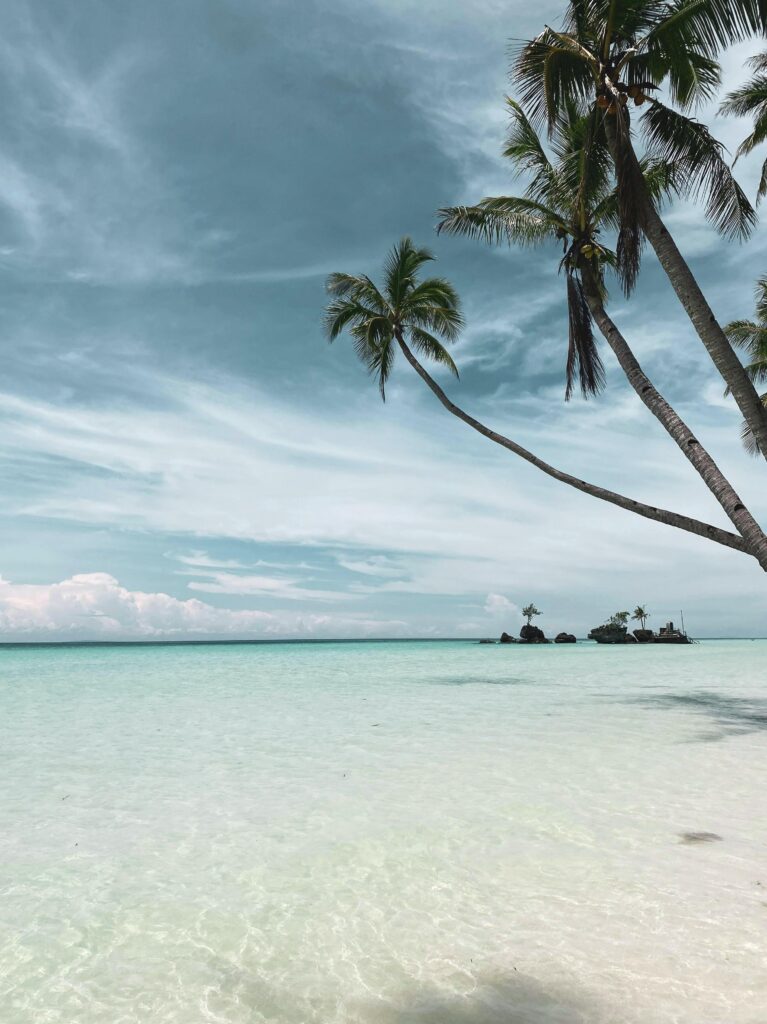
Philippines vs nearby countries cost comparison
| Country | Daily budget |
|---|---|
| Philippines | $55–$100 |
| Thailand | $55–$95 |
| Vietnam | $40–$75 |
| Indonesia | $45–$90 |
The Philippines is slightly more expensive mainly due to transport.
For direct country comparisons, read Thailand vs Philippines: which is cheaper? and Vietnam vs Philippines: which is cheaper?
Decision table
| Traveler type | Verdict |
|---|---|
| Backpackers | Good value but transport adds cost |
| Couples | Amazing beach value |
| Families | Affordable island trip |
| Luxury travelers | High value resorts |
Expanded money-saving tips
- Travel slowly between islands. In the Philippines, moving too often is one of the fastest ways to blow your budget because every extra stop usually creates another flight, ferry, or transfer.
- Book domestic flights early if you already know your route. Last-minute flights can raise your total much more than small savings on food or accommodation ever will.
- Eat local food often, especially in carinderias and simple local restaurants. Western-style cafes, imported products, and tourist-focused beachfront dining push daily costs up quickly.
- Avoid peak season travel when possible. Even a modest shift outside the busiest months can lower hotel and flight prices noticeably.
- Stay in guesthouses, hostels, or small locally run hotels instead of beachfront resorts in the most famous tourist zones.
- Withdraw larger cash amounts instead of making repeated small ATM withdrawals, since local withdrawal fees can quietly add up over the course of a trip.
- Mix one expensive island with one cheaper base. That usually gives you a better overall experience than trying to stay in premium beach areas the entire time.
FAQ
Is the Philippines cheap to visit?
Yes, the Philippines can still be affordable, especially once you are on the ground and using local food, simple accommodation, and slow travel. The reason some travelers find it more expensive than expected is not everyday spending — it is the cost of moving between islands.
How much spending money per day?
Most travelers spend around $55–$100 per day once international flights are excluded. Budget travelers can stay lower than that, but the final number depends heavily on how often you change islands and how tourism-heavy your destinations are.
Is island hopping expensive?
Island hopping can be one of the biggest cost drivers in the Philippines. Even when ferries or tours look affordable on their own, the combination of domestic flights, local transfers, port transport, and activity costs can raise your trip total much faster than in countries with easier overland travel.
Is the Philippines cheaper than Thailand?
Thailand is often a little easier on the budget overall because transport infrastructure is simpler and moving between major destinations is usually cheaper and easier. The Philippines can match Thailand on food and basic accommodation, but island geography often makes the overall trip more expensive.
Do you need cash?
Yes. Cash is still very important outside major cities and bigger tourist hubs. Many small businesses, transport options, and island services remain cash-based, and ATM withdrawal fees are another reason it helps to plan cash access carefully.