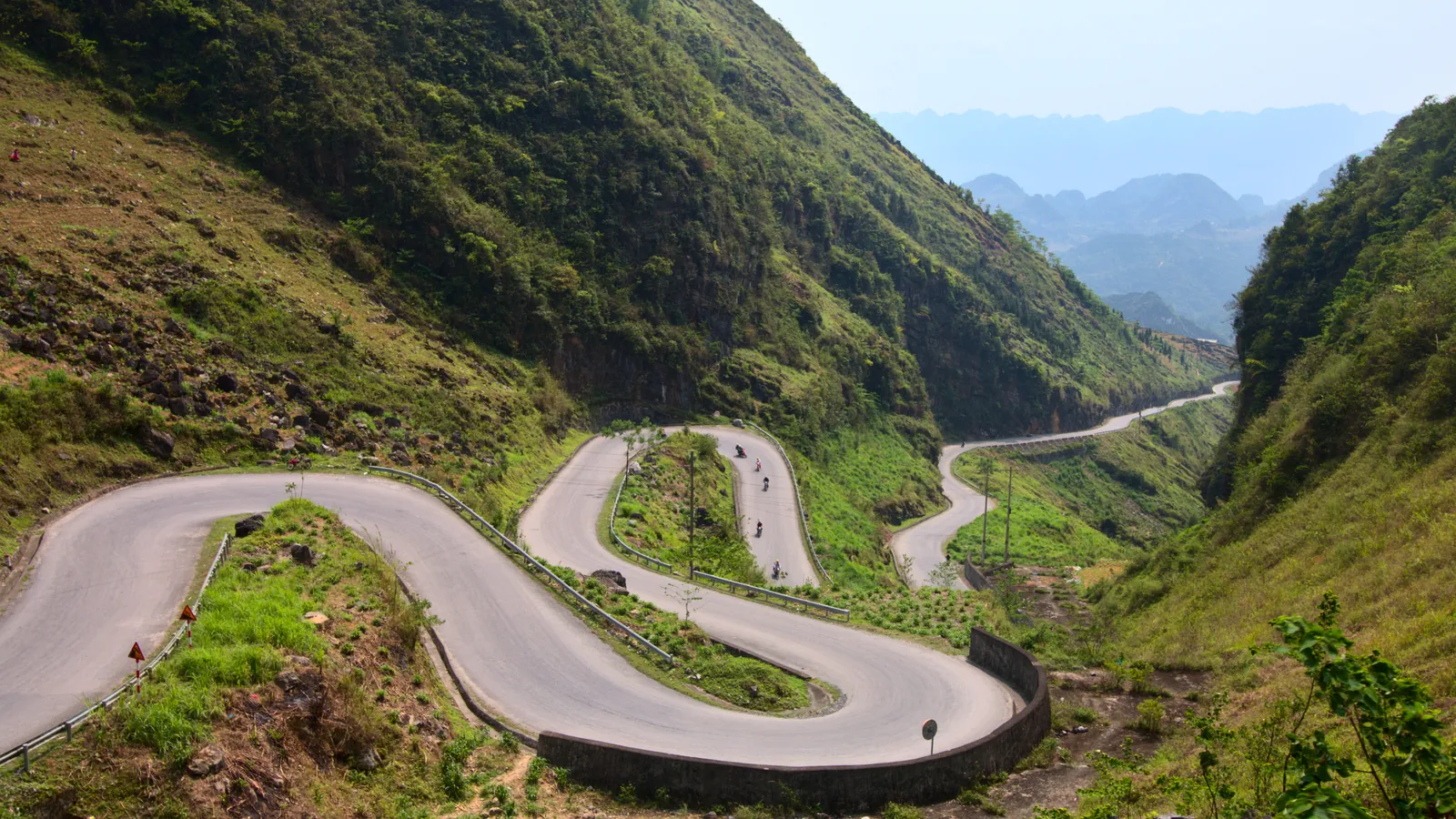
The Ha Giang Loop is a road trip of about 350 km through the limestone mountains of Vietnam’s far north, on the border with China. Starting and ending in Ha Giang city, about 6–7 hours by bus from Hanoi, it passes Heaven’s Gate at Quan Ba, Yen Minh, Dong Van and the spectacular Ma Pi Leng Pass above the Nho Que River. Most people take three or four days, either riding pillion with a local “easy rider” driver or riding themselves. The best months are September to November and March to April. To ride legally you need a motorcycle licence and an International Driving Permit under the 1968 convention.
Ha Giang Loop at a glance
| Distance | About 350 km; 380–420 km with detours |
| Classic route | Ha Giang – Quan Ba – Yen Minh – Dong Van – Ma Pi Leng Pass – Meo Vac – Du Gia – Ha Giang |
| Time needed | 3–4 days (4 is more relaxed) |
| Getting there | Sleeper bus from Hanoi, about 6–7 hours, around $12–25 each way |
| Easy rider tour | Roughly $160–250 for 3 days, $210–280 for 4 days, usually all-inclusive |
| Self-ride bike rental | About 250,000–400,000 VND a day |
| Best time | September–November and March–April |
| Licence | Home motorcycle licence plus a 1968-convention IDP with motorcycle category |
Where is the Ha Giang Loop?
Ha Giang is Vietnam’s northernmost region, about 300–320 km north of Hanoi on the Chinese border. In 2025, under Vietnam’s provincial reorganisation, the former Ha Giang province was merged into Tuyen Quang province, but travellers, maps and tour operators still call the area and the loop “Ha Giang”. The loop crosses the Dong Van Karst Plateau, a UNESCO Global Geopark of limestone peaks and deep valleys home to Hmong, Dao, Tay and other ethnic minority communities.
Ha Giang Loop route and map
Most tours ride the loop anticlockwise. Typical legs:
| Leg | Distance | Highlights |
|---|---|---|
| Ha Giang – Yen Minh | about 100 km | Bac Sum Pass, Heaven’s Gate and the “Twin Mountains” at Quan Ba |
| Yen Minh – Dong Van | about 50 km | Pine forests, the Hmong King’s Palace at Sa Phin, Dong Van old quarter; optional detour to Lung Cu flag tower |
| Dong Van – Meo Vac – Du Gia | about 90 km | Ma Pi Leng Pass, the Nho Que River and Tu San Canyon |
| Du Gia – Ha Giang | about 70 km | Rice terraces, waterfalls and a rougher, quieter road |
How many days do you need for the Ha Giang Loop?
Four days is ideal. The three-day version is the most common, but it means six to seven hours on the bike on some days and often skips Du Gia. With four days you can add Lung Cu or a boat trip on the Nho Que River and time a Sunday market. Five days lets you add quieter back roads.
Ha Giang Loop itinerary (4 days)
- Day 1: Ha Giang to Yen Minh. Climb out of the city to Heaven’s Gate at Quan Ba (about 45 km), with views of the Twin Mountains, then continue through pine forests to Yen Minh.
- Day 2: Yen Minh to Dong Van. Visit the Hmong King’s Palace at Sa Phin and ride the plateau to Dong Van. With time, detour north to the Lung Cu flag tower near the Chinese border.
- Day 3: Dong Van to Du Gia via Ma Pi Leng. Ride the Ma Pi Leng Pass, around 20 km of road cut into the cliffs high above the Nho Que River, take a boat through Tu San Canyon, then continue via Meo Vac to Du Gia.
- Day 4: Du Gia to Ha Giang. Swim at the Du Gia waterfall, then ride back to Ha Giang for the evening sleeper bus to Hanoi.
Easy rider or self-drive?
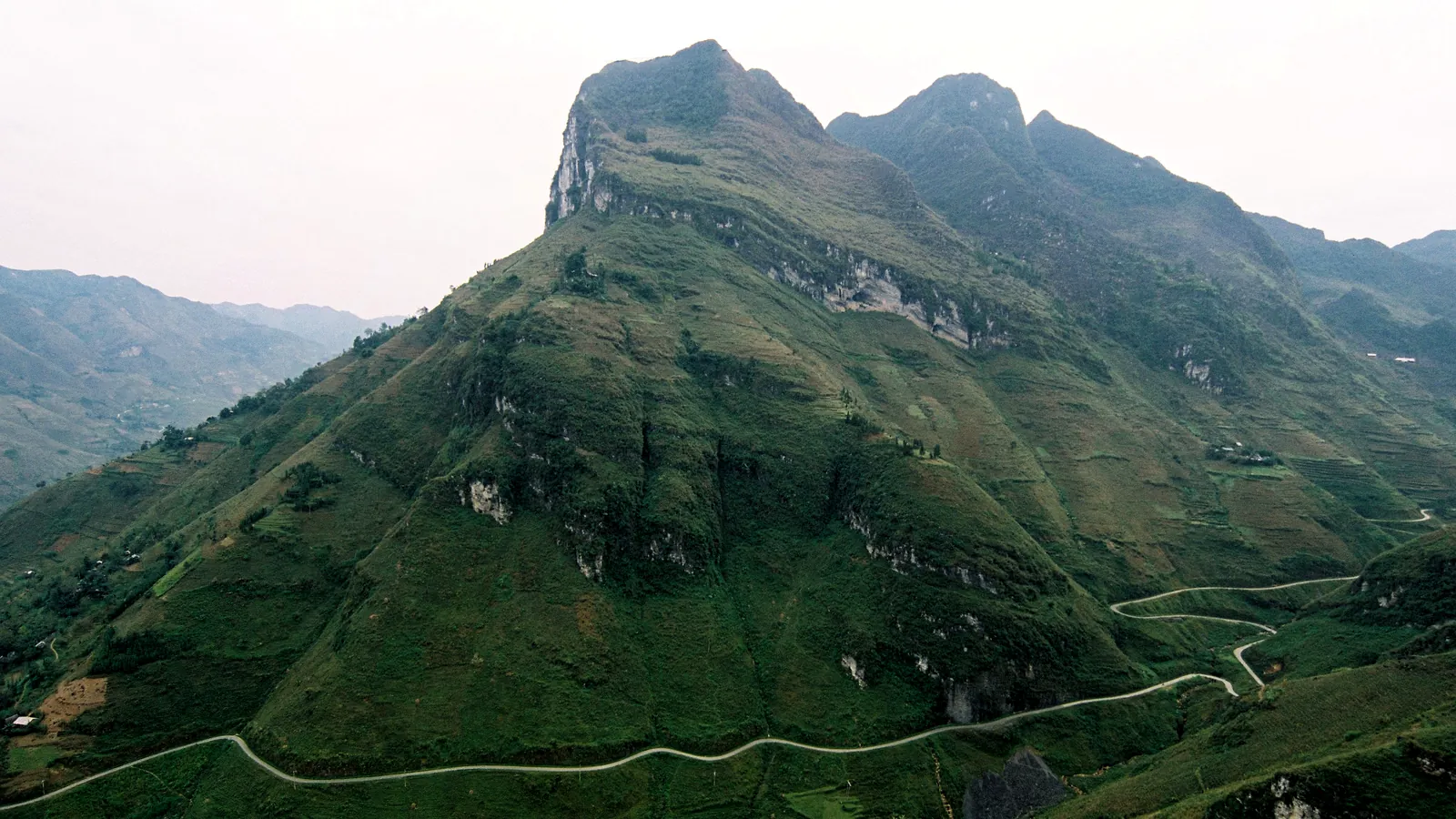
An easy rider is a local driver who rides the bike while you sit behind. It is the most popular choice and the one we recommend for most people: you can enjoy the views, the driver knows the roads, and you avoid the licence problem. Self-driving gives you more freedom and costs less, but only makes sense if you are already an experienced, licensed motorcyclist. A private car with driver is the most comfortable and the safest option for families.
How much does the Ha Giang Loop cost?
- Easy rider group tour: roughly $160–250 for three days and $210–280 for four days, usually including the driver, bike, fuel, homestays, meals and entrance fees. Some operators charge more.
- Self-ride with a group and guide: about $130–170 for three days.
- Independent self-ride: bike rental about 250,000–400,000 VND a day, plus fuel, food and homestays.
- Homestays: about 300,000–500,000 VND a night, often including dinner; hotels in Ha Giang, Yen Minh and Dong Van cost more.
- Small extras: the Nho Que River boat trip (about 250,000 VND) and the Hmong King’s Palace (about 40,000 VND).
- Sleeper bus from Hanoi: about $12–25 each way.
Compare what is included rather than headline prices, and check the group size: some hostel tours ride in groups of 15–20 bikes, while small-group operators cap groups at 6–10. For the rest of your trip, see how much a trip to Vietnam costs and our Vietnam currency guide; take enough cash, as ATMs are scarce outside the towns.
Do you need a licence to ride the Ha Giang Loop?
Yes. To ride a motorbike over 50 cc in Vietnam legally, you need your home motorcycle licence plus an International Driving Permit (IDP) issued under the 1968 Vienna Convention, with the motorcycle category. Several common IDPs, including the 1949-convention permits issued in the US, the UK, Canada and Australia, are not accepted in Vietnam. Police run checkpoints on the loop, and fines can reach several million dong, with the bike impounded. More importantly, travel insurers usually refuse motorbike claims if you were riding without a valid licence. Passengers on an easy rider tour do not need a licence.
Is the Ha Giang Loop dangerous?
It can be for inexperienced riders. The roads are steep and narrow, with blind hairpins, loose gravel, fog, livestock, trucks and buses, and rockslides in the rainy season. Accidents involving foreign riders are common in peak season, and there have been deaths. Serious injuries have to be driven back to Hanoi, five or six hours away. To stay safe:
- Choose an easy rider unless you are an experienced, licensed rider.
- Pick an operator with small groups, good helmets and insurance.
- Do not drink and ride: Vietnam has a zero-alcohol limit for drivers.
- Ride only in daylight and slow down on gravel and in fog.
- Buy travel insurance that covers motorbike riding, and check its licence conditions.
See our guide to whether Vietnam is safe to visit for more on road safety.
Do you need a permit for Ha Giang?
Some border areas near China require a border-area permit for foreigners. Tour operators arrange it as part of the package; if you ride independently, ask your rental shop or homestay in Ha Giang city about the current rules before you set off. Carry your passport at all times, and do not fly drones near the border.
Best time to do the Ha Giang Loop
- September: golden rice terraces before the harvest.
- October–November: pink buckwheat flowers and clear skies; the most popular and crowded time.
- December–February: cold and often foggy, with temperatures near freezing on the plateau.
- March–April: spring blossoms and generally good weather.
- May–August: the rainy season, with green landscapes but slippery roads and occasional landslides.
See the best time to visit Vietnam for how northern weather fits with the rest of the country.
Markets on the loop
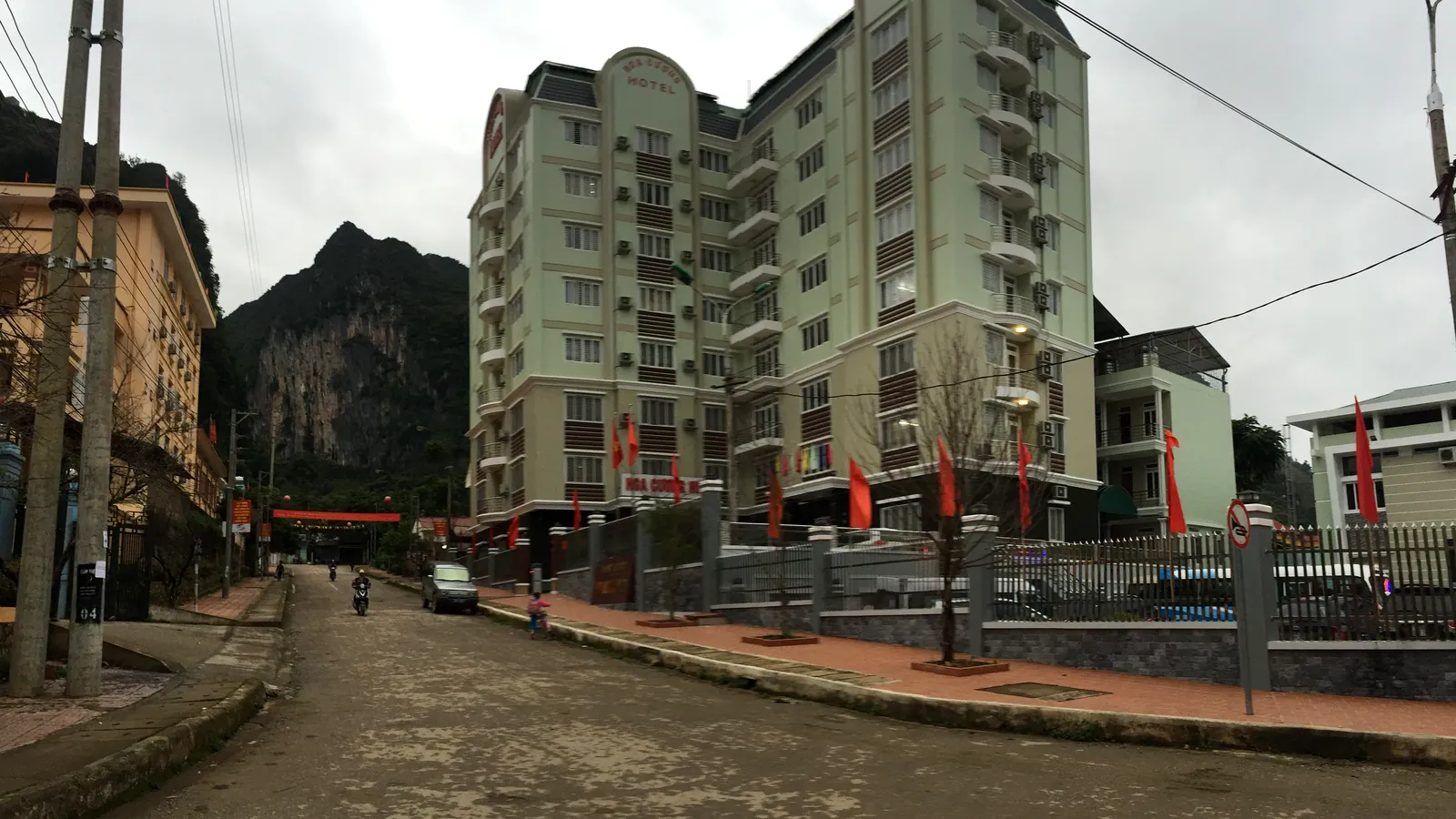
Weekly markets are one of the best ways to see local life. The Sunday morning markets in Dong Van and Meo Vac draw people from surrounding villages to trade livestock, food and clothes. Plan your days so you are in one of these towns on a Sunday morning. The famous Khau Vai “love market” takes place only once a year, on the 27th day of the third lunar month.
How to get from Hanoi to Ha Giang
Sleeper buses leave Hanoi several times a day, including overnight, and take about 6–7 hours to cover the 300 km. Many tour operators and hostels can book the bus with the loop, and some include a pick-up in Hanoi’s Old Quarter. Most travellers take the overnight bus up, start riding the next morning, and take the evening bus back after the last day. An eSIM keeps you connected in the towns; see the best eSIM for Vietnam.
Where to stay
Most nights on the loop are spent in homestays: family-run houses with shared rooms or dorm-style sleeping platforms, home-cooked dinners and, often, rice-wine “happy water”. Ha Giang city, Yen Minh and Dong Van also have hotels. Book ahead from October to April, especially at weekends.
Compare hotels and homestays in Ha Giang on Booking.com
Ha Giang Loop vs Mae Hong Son Loop
Both are classic Southeast Asian mountain loops. Ha Giang is wilder and more dramatic, with higher passes, karst scenery and a stronger ethnic minority culture, but rougher roads and stricter licence enforcement. Thailand’s Mae Hong Son Loop has better roads, more accommodation and an easier start from Chiang Mai. Comparing the countries more broadly? See Thailand vs Vietnam.
For a quieter loop with fewer riders, see the Thakhek Loop in Laos.
FAQ
Is the Ha Giang Loop worth it?
Yes. It is widely considered the most spectacular road trip in Vietnam, and Ma Pi Leng Pass is one of the most dramatic roads in Southeast Asia.
Can you do the Ha Giang Loop without a tour?
Yes, if you are a licensed, experienced rider: rent a bike in Ha Giang city and stay in homestays along the way. Otherwise, hire an easy rider or a car with a driver.
How cold does it get on the Ha Giang Loop?
From December to February, temperatures on the Dong Van plateau can drop to single digits Celsius and close to freezing at night. Bring warm layers, gloves and a windproof jacket.