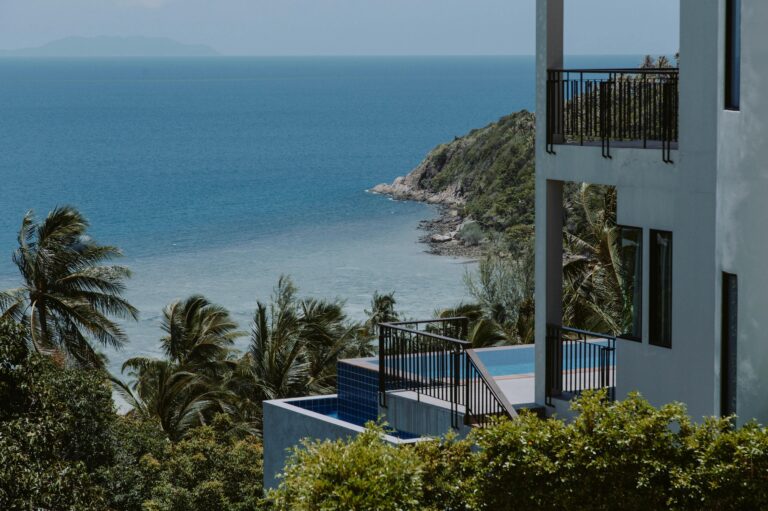
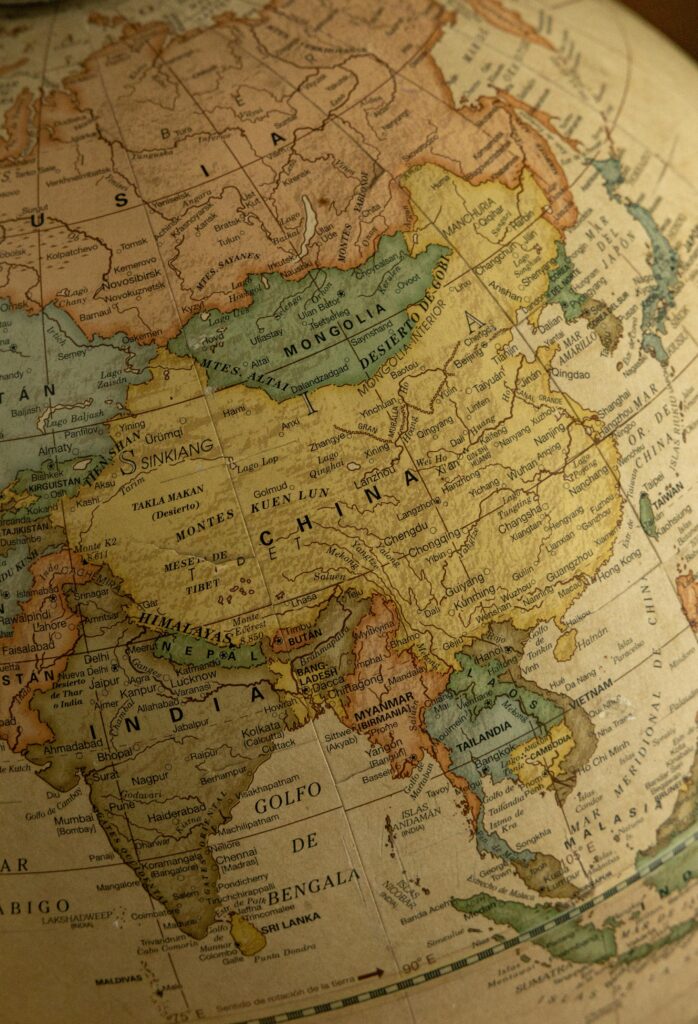
Southeast Asia continues to be one of the most rewarding regions in the world for travelers in 2026. With a mix of tropical beaches, ancient temples, vibrant megacities, mountain landscapes and some of the best street food on the planet, the region offers enormous diversity within relatively short travel distances.
It is also one of the few places where you can still travel comfortably on a modest daily budget. Whether you are planning your first international trip, a two-week holiday, or a multi-month backpacking journey, Southeast Asia remains accessible, flexible and affordable.
This guide covers the best countries to visit, how much time you need, realistic budgets, safety considerations and how to structure your route.
Southeast Asia combines beaches, cities, ancient temples, jungle landscapes and vibrant street food within relatively short travel distances. From classic backpacker hubs to underrated islands and cultural hotspots, the region works for first-time visitors and seasoned travelers alike.
f you’re planning budgets alongside destinations, see how much does a trip to Southeast Asia cost for a full regional budget breakdown.
Why Southeast Asia is ideal for first-time travelers
Southeast Asia has been a backpacker favorite for decades because the infrastructure supports independent travel. Flights between major cities are frequent and affordable, buses and trains connect regional routes, and accommodation ranges from simple guesthouses to high-end resorts.
English is widely spoken in tourist areas, visa processes are relatively straightforward, and the tourism economy is mature without feeling overly restrictive.
If you’re planning your budget carefully, read our full breakdown of how much a trip to Southeast Asia costs.
Thailand – the easiest starting point
Thailand remains the most common entry point into Southeast Asia for good reason. It combines ease, variety and affordability.
Thailand is often the first country travelers explore in the region, which is why many people ask is Thailand worth visiting before planning their Southeast Asia itinerary.
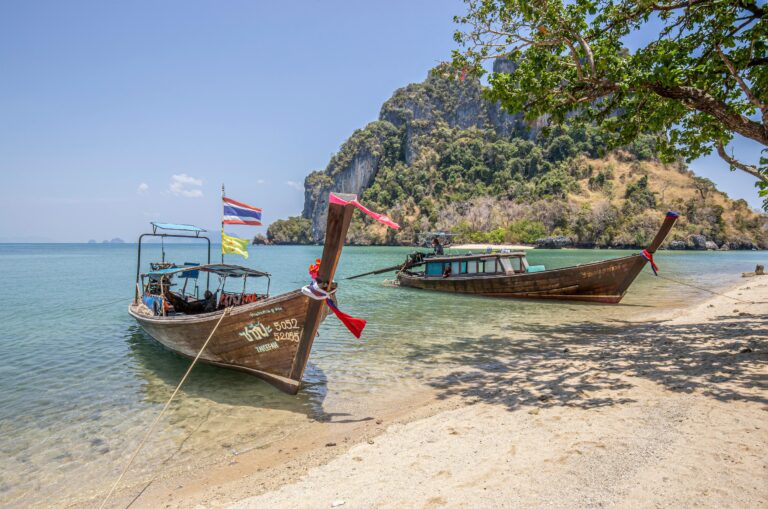
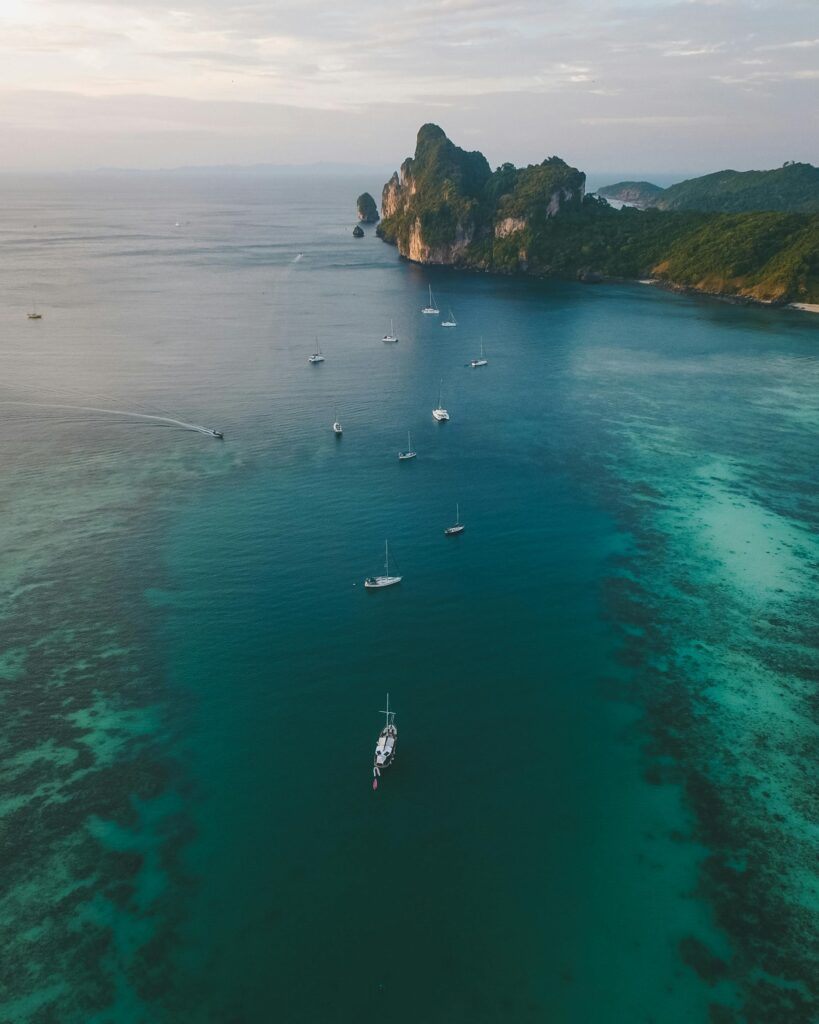
Bangkok offers a dynamic mix of street food, modern shopping centers, rooftop bars and centuries-old temples. Chiang Mai in the north provides mountain scenery, temples and a relaxed digital nomad atmosphere. In the south, Thailand’s islands offer everything from lively beach parties to quiet snorkeling spots.
Thailand works particularly well for first-time visitors because the transportation network is efficient and tourism services are well organized.
Vietnam – exceptional value and diversity
Vietnam offers some of the strongest value in the region. Travelers consistently find that daily costs are lower than in Thailand, particularly for food and local transport.
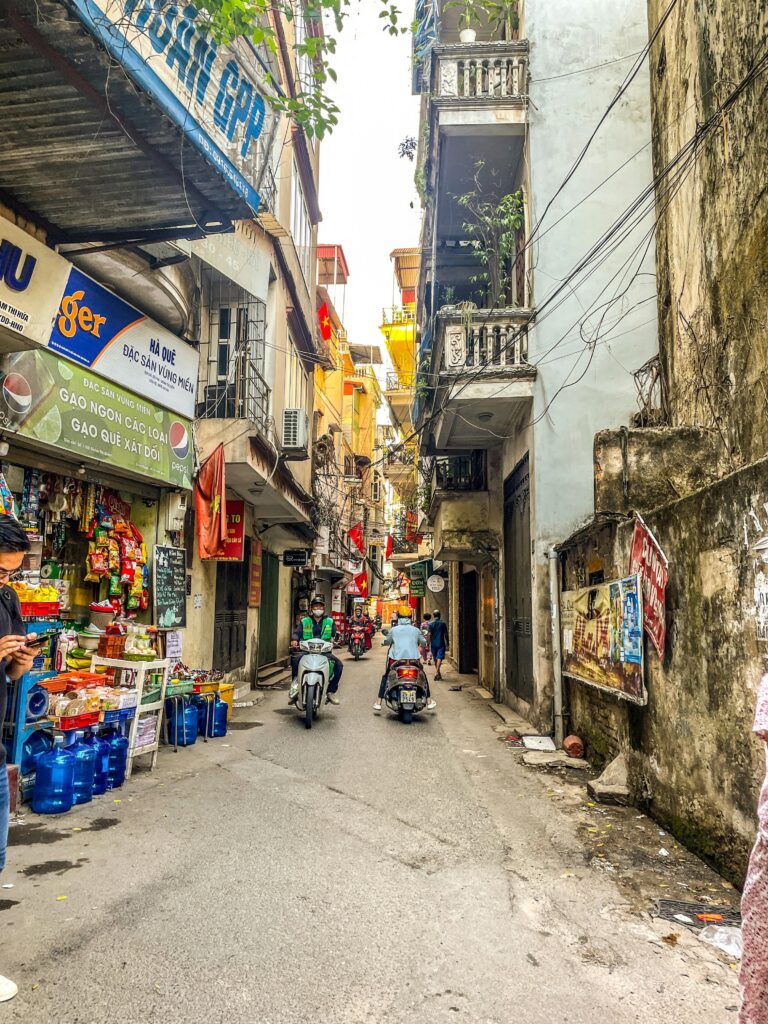
Hanoi’s Old Quarter is known for its coffee culture and pho stalls. Ha Long Bay provides iconic limestone island scenery. Hoi An blends historic streets with beach access. In the south, Ho Chi Minh City delivers fast-paced urban energy.
In 2026, Vietnam’s expanded e-visa access has simplified entry for many nationalities. Updates to the Ha Giang Loop permit system have also made northern motorbike routes more accessible.
Budget-conscious travelers increasingly compare Bangkok and Hanoi before choosing a route. See Thailand vs Vietnam for the direct cost comparison.
Indonesia – island diversity and adventure
Indonesia is the largest country in Southeast Asia by landmass and population. While Bali remains the most visited destination, it represents only a small fraction of the country.
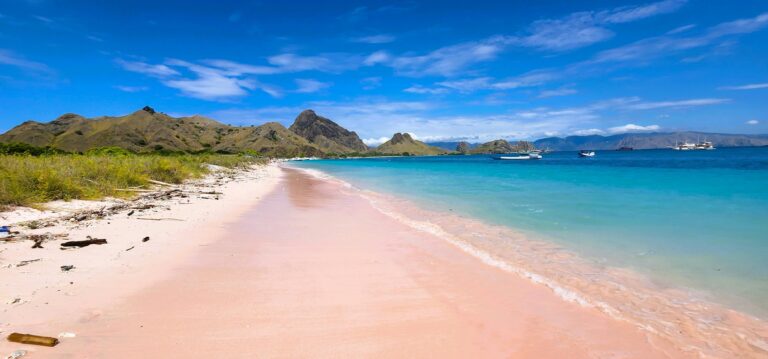
Bali combines beaches, temples, rice terraces and nightlife. The Gili Islands provide quieter island experiences. Komodo National Park is famous for diving and dramatic landscapes. Lombok offers hiking routes including Mount Rinjani.
Indonesia works best for travelers who enjoy slower island travel and nature-focused itineraries.
For detailed cost breakdowns by country, check How much does a trip to Indonesia cost in 2026? for daily spending ranges and saving tips.
Malaysia – modern comfort and food culture
Malaysia often receives less attention than Thailand or Vietnam but offers a very comfortable travel experience.
Kuala Lumpur is modern and easy to navigate. Penang is considered one of Asia’s street food capitals. Langkawi provides beaches with fewer crowds than many Thai islands.
If you’re deciding between the two, read Thailand vs Malaysia travel cost.
Cambodia – history and cultural depth
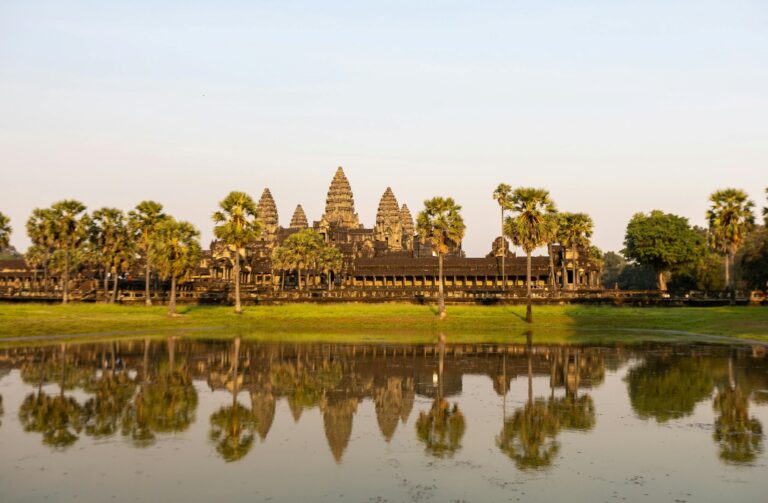
Cambodia is synonymous with Angkor Wat, one of the most impressive temple complexes in the world. Siem Reap serves as the base for exploring the temples, while Phnom Penh offers insight into modern Cambodian history.
Cambodia remains one of the most affordable destinations in the region, making it attractive for longer stays.
Philippines – island hopping paradise
The Philippines consists of more than 7,000 islands, offering exceptional beach and marine experiences.
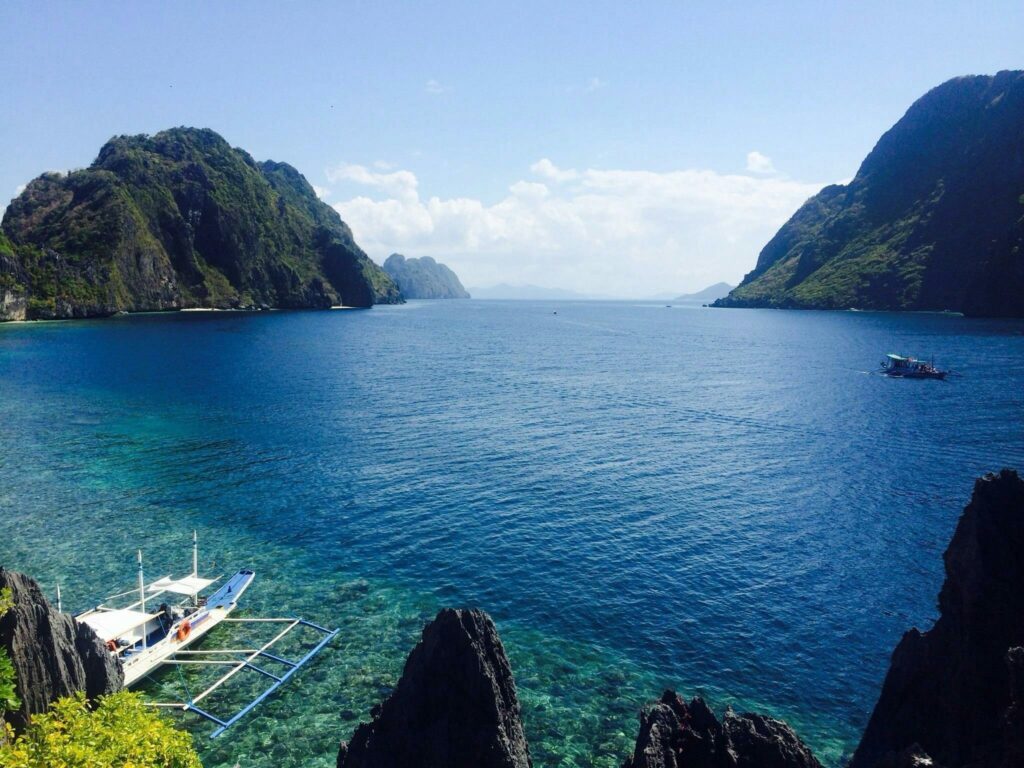
El Nido and Coron are known for limestone cliffs and turquoise lagoons. Cebu provides diving and waterfalls. Siargao continues to grow in 2026 as a digital nomad hub with coworking spaces and surf culture.
Because of flight logistics between islands, the Philippines requires more planning than mainland countries but rewards travelers with spectacular scenery.
If the Philippines is on your shortlist, timing matters considerably by island. See our Best Time to Visit the Philippines guide for Palawan, Boracay, Cebu, Siargao and regional typhoon-season differences.
How to plan a Southeast Asia itinerary
Two-week itinerary
With two weeks, focus on one country. For example:
Thailand: Bangkok + Chiang Mai + one island
Vietnam: Hanoi + Ha Long Bay + Hoi An
Philippines: Cebu + El Nido
One-month itinerary
With one month, combine two or three countries. Popular routes include:
Thailand → Cambodia → Vietnam
Vietnam → Laos → Thailand
Malaysia → Thailand → Indonesia
Three-month backpacking route
Long-term travelers often follow this loop:
Thailand → Laos → Vietnam → Cambodia → Malaysia → Indonesia → Philippines
Transport between countries
Budget airlines such as AirAsia connect major cities cheaply. Overland buses and trains operate between Thailand, Laos, Cambodia and Vietnam. Ferry networks connect islands in Indonesia and the Philippines.
Border crossings are generally straightforward, but visa requirements vary by nationality.
Getting around Southeast Asia is generally affordable thanks to frequent budget flights, cross-border buses, and regional trains. Popular budget carrier routes connect major hubs like Bangkok, Kuala Lumpur, and Ho Chi Minh City, while local buses and ferries provide efficient travel between islands and rural towns.
Southeast Asia daily budget comparison
| Country | Budget per Day | Mid-range per Day |
| Thailand | $35 – $60 | $70 – $120 |
| Vietnam | $25 – $50 | $60 – $100 |
| Indonesia | $30 – $60 | $70 – $120 |
| Cambodia | $25 – $45 | $60 – $90 |
| Philippines | $35 – $70 | $80 – $130 |
These numbers assume hostel or guesthouse accommodation, local food and public transport.
Is Southeast Asia safe?
Southeast Asia is generally considered safe for tourists. Violent crime rates against visitors are low. However, petty theft and tourist scams can occur.
Before traveling, review the common Southeast Asia scams tourists encounter.
Safety patterns differ from Europe. If you’re comparing destinations, you can also read our Albania safety report.
Best time to visit Southeast Asia
November to April is generally considered the dry season across much of the region. However, weather patterns vary by country. The Philippines and Vietnam have regional differences, and Indonesia’s dry season shifts slightly compared to mainland countries.
Traveling during shoulder seasons can mean fewer crowds and lower accommodation prices.
Food culture across Southeast Asia
Street food plays a central role in daily life. Thailand is known for pad thai and green curry. Vietnam offers pho and banh mi. Malaysia is famous for nasi lemak and laksa. Indonesia is known for nasi goreng and satay.
Eating locally is one of the most affordable ways to experience the region.
Southeast Asia travel comparison table
| Country | Vibe | Budget Level | Top Highlight |
| Thailand | Easy / Variety | $$–$$$ | Tropical islands |
| Vietnam | Culture / Food | $ | Ha Long Bay |
| Philippines | Nature / Water | $$ | Island hopping |
| Cambodia | History | $ | Angkor Wat |
| Malaysia | Comfort / Food | $$ | Penang street food |
Is Southeast Asia right for you?
Southeast Asia works well for:
• First-time international travelers
• Budget backpackers
• Digital nomads
• Food-focused travelers
• Island and beach lovers
It may be less ideal for travelers seeking highly structured luxury tourism or winter climates.
Regional highlights by travel style
Choosing where to go in Southeast Asia becomes easier when you think about the type of trip you want. Each country offers different strengths depending on whether you are focused on beaches, food, culture or backpacking.
Best destinations for beaches and island hopping
Different travel styles shape where you go most in Southeast Asia. Beach lovers should prioritize islands and coastal towns with calm waters and snorkeling. Culture enthusiasts usually focus on historic cities and temples, while digital nomads often base themselves in cities with coworking spaces and café culture.
If your priority is tropical scenery and ocean activities, these destinations stand out:
- El Nido and Coron in the Philippines for dramatic limestone lagoons
- Thailand’s southern islands for easy access and variety
- Bali and the Gili Islands in Indonesia for surf, snorkeling and sunsets
These destinations are popular because they combine beautiful scenery with well-developed tourism infrastructure.
Many Southeast Asia beaches combine pristine scenery with budget-friendly stays. Island jewels like Phu Quoc in Vietnam offer glowing waters and white sandy shores with budget stays, while Bali’s mix of surf culture and rice terraces appeals to both adrenaline seekers and leisure travelers. For nature-centric experiences, the Gili Islands in Indonesia provide quiet snorkeling and sunset views without the crowds.
For trusted travel advice on entry requirements and visa conditions across Southeast Asian countries, check the official International Air Transport Association (IATA) travel centre.
Best destinations for food lovers
Southeast Asia is famous for street food and regional cuisine.
- Vietnam is known for pho, banh mi and coffee culture
- Thailand offers night markets and street food stalls in every city
- Malaysia, especially Penang, is often considered one of Asia’s top food destinations
Travelers who prioritize local cuisine often plan entire routes around food experiences.
Best destinations for culture and history
For temples, architecture and historical sites, these countries offer the most depth:
- Cambodia for Angkor Wat and Khmer history
- Vietnam for historic towns like Hoi An
- Thailand for temples across Bangkok and Chiang Mai
These destinations provide insight into the region’s long cultural history.
Historical sites like Angkor Wat in Cambodia remain must-visit wonders for culture seekers. The temple complex — a UNESCO World Heritage Site — spans over 1,000 ancient structures rooted in Khmer history and stands among the most significant archaeological sites in Asia.
Best destinations for backpackers and digital nomads
Southeast Asia remains one of the easiest regions in the world for long-term travel.
- Chiang Mai in Thailand is a well-known digital nomad hub
- Bali offers coworking spaces and long-stay visas
- Vietnam provides extremely low daily costs for extended travel
These locations offer strong infrastructure for longer stays and remote work.
Frequently asked questions about Southeast Asia travel
What is the best country to visit first?
Thailand is often recommended due to infrastructure and variety.
Is Southeast Asia safe for solo female travelers?
Yes, with common-sense precautions and awareness of local customs.
Is Southeast Asia still cheap in 2026?
Yes, particularly compared to Europe and North America.
How long should a Southeast Asia trip be?
Two weeks for one country, one month for multiple countries.
Do I need visas for Southeast Asia?
Visa policies vary by nationality. Many countries offer e-visas or visa-free entry for short stays.