Japan has a reputation for being expensive, but the reality in 2026 is more nuanced. Flights and long-distance transport can be costly, yet daily travel costs in Japan are often similar to Western Europe and sometimes cheaper than major US cities. With the right planning, Japan can be far more affordable than most travelers expect.
One reason Japan feels expensive is because the country is extremely easy to travel. Trains run on time, cities are clean and safe, and public transport connects nearly every major destination. This convenience encourages travelers to move frequently between cities, which increases transport costs if you don’t plan carefully.
Compared with Europe, Japan sits in a similar price range to countries like France or Italy. Compared with Southeast Asia, daily spending is significantly higher. Understanding where your money goes is the key to planning a realistic Japan travel budget.
If you expect to withdraw or spend in local currency, check Wise’s current card and conversion options in advance.
If you already read our how much does a trip to Europe cost guide, this article breaks down Japan specifically so you can estimate a realistic budget for 2026.
Japan rewards planning more than almost any other destination. Choosing the right rail strategy, accommodation type and travel season can save hundreds of dollars.
Quick answer: daily travel budget in Japan
| Travel style | Daily budget per person |
|---|---|
| Backpacker | $80–$110 |
| Budget traveler | $110–$160 |
| Mid-range traveler | $160–$250 |
| Luxury traveler | $350+ |
Japan is not cheap, but it offers excellent value considering the safety, infrastructure and food quality. Even budget travelers often find Japan easier to manage than expected once they understand how transport and accommodation work.
If you’re trying to reduce your overall travel costs, these practical budget travel hacks can help stretch your daily budget even further.
Flight cost to Japan
Flights are usually the biggest expense of a Japan trip and can vary significantly depending on season and departure region. Japan is extremely popular during cherry blossom season and autumn foliage months, which pushes flight prices higher.
| Departure region | Typical round-trip price |
|---|---|
| Europe | $700–$1100 |
| USA West Coast | $600–$900 |
| USA East Coast | $900–$1300 |
| Australia | $500–$900 |
Flights are cheapest in winter and early summer. Traveling outside peak seasons can save hundreds of dollars before you even arrive.
Long-haul flights are usually the biggest part of the budget, which is why many travelers compare Japan with other affordable destinations like Southeast Asia. You can see a full breakdown here: is Southeast Asia cheap to travel in 2026.
Visa and travel insurance costs
Japan offers visa-free travel for many nationalities, which makes trip planning simple.
| Expense | Cost |
|---|---|
| Tourist visa | Free for many nationalities |
| Travel insurance (2 weeks) | $40–$70 |
Travel insurance is recommended due to the cost of medical care and the amount of intercity travel most visitors do.
Accommodation cost breakdown
Accommodation is usually the second biggest expense after flights. The good news is that Japan offers a wide range of options that fit different budgets.
| Accommodation type | Average price per night |
|---|---|
| Hostel dorm | $25–$40 |
| Capsule hotel | $30–$50 |
| Budget hotel | $70–$110 |
| Mid-range hotel | $120–$180 |
| Luxury hotel | $250+ |
The business hotel secret
Japan’s “business hotel” chains are the sweet spot for value. Brands like APA Hotel, Toyoko Inn and Dormy Inn offer compact, clean rooms in excellent locations for around $70–$90 per night. These hotels are designed for Japanese business travelers, which means they are efficient, reliable and located near major train stations.
For many visitors, this is the best balance between comfort and affordability.
Food cost breakdown
Japan offers incredible food value compared to Western countries. You can eat very well without spending much.
| Food type | Average price |
|---|---|
| Convenience store meal | $4–$7 |
| Ramen or casual meal | $7–$12 |
| Restaurant dinner | $15–$25 |
| Coffee | $3–$5 |
The konbini strategy
Japan’s convenience stores — 7-Eleven, Lawson and FamilyMart — are famous for high-quality ready meals. Travelers can buy fresh sushi, rice bowls and bento boxes for under $5. Many budget travelers eat one meal per day from a konbini to keep costs low without sacrificing quality.
This simple strategy can save hundreds of dollars over a two-week trip.
Transport cost breakdown
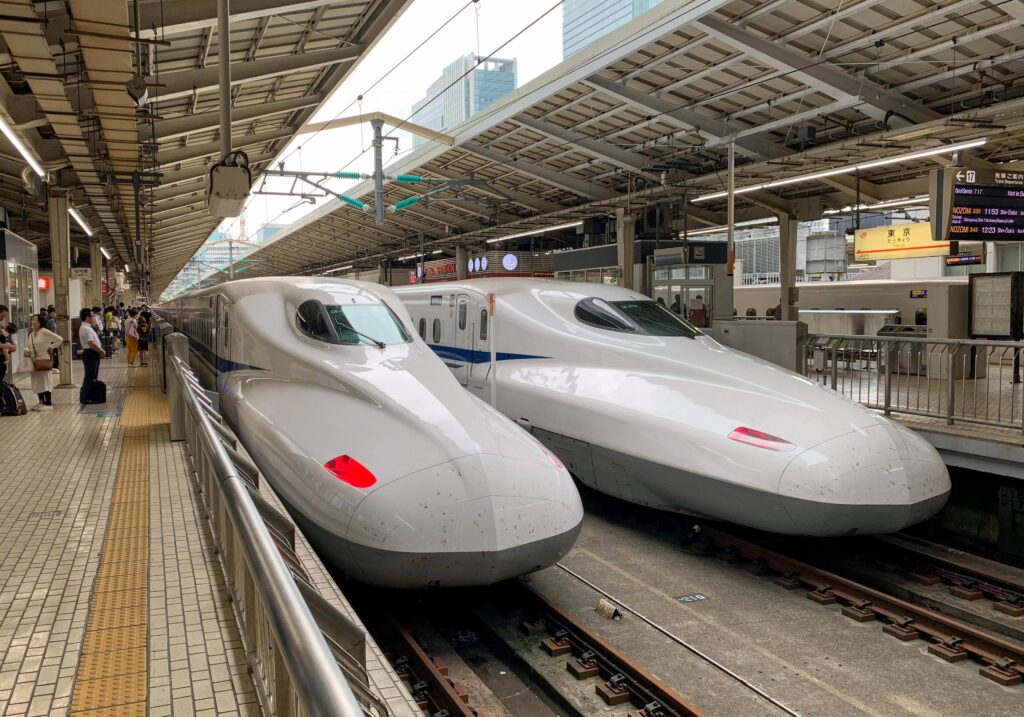
Transport is one of the biggest variables in a Japan travel budget because most visitors travel between multiple cities.
| Transport type | Price |
|---|---|
| Metro ticket | $2–$4 |
| Shinkansen ticket | $80–$150 |
| Regional rail pass | $100–$250 |
Get an IC card (Suica/PASMO/ICOCA) for metros/buses + convenience stores to avoid overpaying on single tickets and save time.
For official prices and updates on Japan’s rail network, you can check the JR Pass official information page.
JR Pass reality check (2026 update)
The nationwide JR Pass increased in price by nearly 70% in late 2023. For many 2026 travelers, buying individual train tickets or using regional passes such as the JR Kansai Pass is now cheaper than the nationwide pass.
This is one of the most important budget tips for traveling in Japan.
Attraction and activity prices
| Activity | Price |
|---|---|
| Temples and shrines | $3–$8 |
| Museums | $5–$15 |
| Observation decks | $15–$25 |
Many of Japan’s best experiences are surprisingly affordable.
1-week Japan trip cost breakdown
| Category | Cost |
|---|---|
| Flights | $900 |
| Accommodation | $600 |
| Food | $260 |
| Transport | $350 |
| Activities | $220 |
| Total | $2330 |
2-week Japan trip cost breakdown
| Category | Cost |
|---|---|
| Flights | $900 |
| Accommodation | $1200 |
| Food | $520 |
| Transport | $600 |
| Activities | $380 |
| Total | $3600 |
Cost of popular cities in Japan
| City | Daily budget |
|---|---|
| Tokyo | $150–$230 |
| Kyoto | $140–$220 |
| Osaka | $130–$210 |
| Hiroshima | $120–$200 |
Tokyo and Kyoto tend to be slightly more expensive due to popularity and accommodation demand.
Backpacking vs mid-range vs luxury budgets
| Style | 2 weeks total |
|---|---|
| Backpacker | $2500–$3000 |
| Budget | $3000–$3500 |
| Mid-range | $3500–$4500 |
| Luxury | $7000+ |
Sample 10-day itinerary budget
Tokyo → Kyoto → Osaka
| Category | Cost |
|---|---|
| Flights | $900 |
| Hotels | $850 |
| Food | $350 |
| Transport | $420 |
| Activities | $260 |
| Total | $2780 |
Sample 2-week backpacker itinerary budget
| Category | Cost |
|---|---|
| Flights | $800 |
| Hostels | $500 |
| Food | $450 |
| Transport | $450 |
| Activities | $300 |
| Total | $2500 |
Best time to visit for cheap travel
Cherry blossom season (late March–early April) spikes hotel prices in Tokyo/Kyoto.
Golden Week (late April–early May) sells out trains/hotels and pushes prices up.
Shoulder months (Jan–Feb, June) usually give the best value for flights + hotels.
Traveling outside peak months can dramatically reduce flight and accommodation costs.
Japan vs Europe cost comparison
| Region | Daily budget |
|---|---|
| Japan | $150–$230 |
| Western Europe | $150–$240 |
Japan is often similar in cost to Western Europe but offers exceptional value for infrastructure and safety.
Many travelers assume Japan is dramatically more expensive than Europe, but daily expenses can actually be comparable depending on your travel style. See the full breakdown here: is Europe expensive to visit.
Decision table
| Traveler type | Verdict |
|---|---|
| Backpackers | Manageable with planning |
| Couples | Excellent value trip |
| Families | Easy and safe destination |
| Luxury travelers | Premium experience |
Expanded money-saving tips
Use business hotels instead of Western chains.
Eat at konbini once daily.
Use regional rail passes instead of JR Pass.
Travel outside peak seasons.
If you’re comparing Asia travel budgets, you might also want to check our full breakdown of how much does a trip to Vietnam cost.
FAQ
Is Japan expensive to visit?
Japan is mid-range compared to Western Europe.
How much spending money per day?
Most travelers spend $150–$230 per day.
Is Japan cheaper than Europe?
Costs are similar overall.
Do you need cash?
Cash is still widely used in Japan.
Cards are common in cities, but small restaurants, temples, rural areas still prefer cash.
Convenience stores + ATMs (7-Eleven) make cash access easy.
Is Japan good for budget travel?
Yes, with careful planning.