Malaysia is one of the easiest countries to travel in Southeast Asia if you want comfort without paying Western prices. It has modern infrastructure, reliable public transport, clean cities, strong WiFi, English widely spoken, and some of the best food in Asia. At the same time, it remains affordable compared to Europe, Australia or North America.
The reason Malaysia is interesting from a budget perspective is that it feels more “developed” than Thailand or Vietnam in many areas, yet daily costs remain similar. You can travel comfortably here without luxury spending.
If you already read our how much does a trip to Southeast Asia cost guide, this article breaks down Malaysia specifically so you can build a realistic 2026 travel budget.
Malaysia is especially strong for mid-range travelers who want clean hotels, easy transport and great food without stretching their wallet.
Quick answer: daily travel budget in Malaysia
| Travel style | Daily budget per person |
|---|---|
| Backpacker | $35–$50 |
| Budget traveler | $50–$75 |
| Mid-range traveler | $75–$130 |
| Luxury traveler | $180+ |
Backpackers staying in dorms and eating local food can keep costs very low. Mid-range travelers staying in 3–4 star hotels and dining in restaurants daily still spend far less than in Western countries.
Flight cost to Malaysia
Kuala Lumpur is one of Southeast Asia’s biggest airline hubs, which keeps competition high and flight prices relatively reasonable.
Typical round-trip prices:
| Departure region | Average price |
|---|---|
| Europe | $600–$950 |
| UK | $600–$900 |
| USA West Coast | $700–$1100 |
| USA East Coast | $900–$1300 |
| Australia | $300–$600 |
Flights are usually the biggest expense of a Malaysia trip. Once you land, daily spending becomes predictable and manageable.
Visa and travel insurance costs
Malaysia offers visa-free entry for many nationalities, often allowing 30 to 90 days without paperwork.
| Expense | Cost |
|---|---|
| Tourist visa | Free for many countries |
| Travel insurance (2 weeks) | $30–$60 |
Visa simplicity is one of the reasons Malaysia is popular among digital nomads and long-term travelers.
Accommodation cost breakdown
Accommodation is one of Malaysia’s biggest strengths.
| Accommodation type | Average price per night |
|---|---|
| Hostel dorm | $10–$18 |
| Guesthouse | $20–$35 |
| Budget hotel | $30–$50 |
| Mid-range hotel | $50–$90 |
| Luxury hotel | $120–$220 |
Malaysia offers excellent mid-range value. A $70 hotel room in Kuala Lumpur often feels like a $120–$150 room in Europe.
In Penang and Langkawi, boutique stays also offer strong value, especially outside peak season.
Food cost breakdown
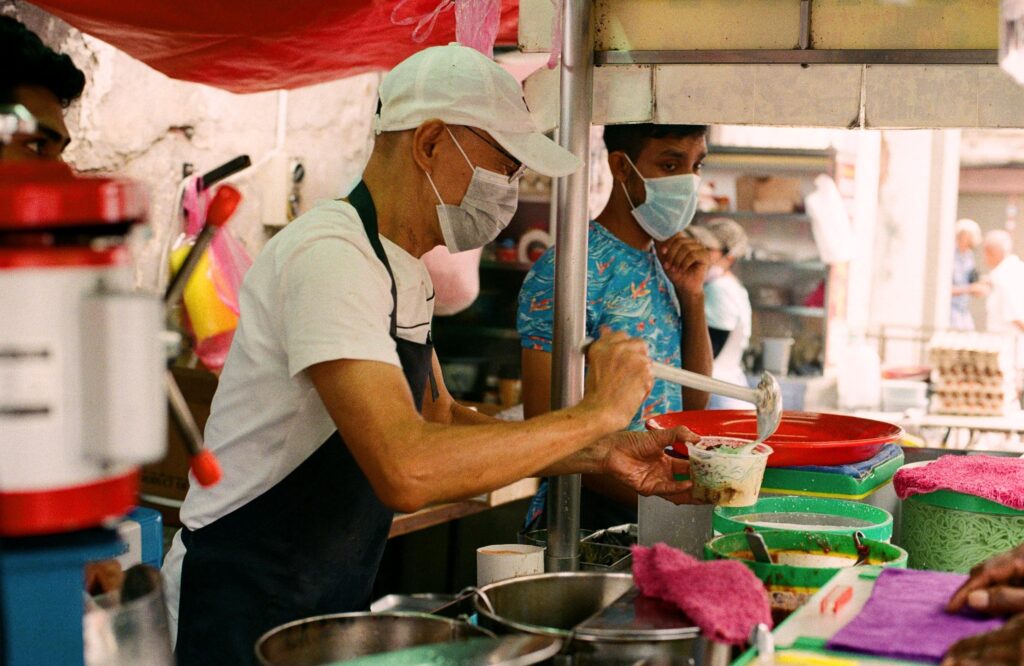
Malaysia is famous for street food culture, hawker centers and night markets.
| Food type | Average price |
|---|---|
| Street food meal | $2–$4 |
| Hawker center meal | $3–$6 |
| Casual restaurant | $5–$10 |
| Western restaurant | $7–$15 |
| Coffee | $2–$4 |
Food is one of the most affordable parts of a Malaysia trip. You can eat extremely well without spending much.
Alcohol prices in Malaysia (budget warning)
Malaysia has a heavy “sin tax” on alcohol. This is one of the biggest surprises for travelers coming from Thailand or Vietnam.
| Drink | Average price |
|---|---|
| Beer in restaurant | $4–$6 |
| Cocktail | $8–$14 |
| Glass of wine | $8–$12 |
A single beer can cost as much as two full local meals. Nightlife is where budgets increase quickly.
If you plan to drink daily, Malaysia becomes noticeably more expensive than neighboring countries.
Transport cost breakdown
Malaysia is one of the easiest countries to move around in Southeast Asia.
| Transport type | Price |
|---|---|
| Kuala Lumpur metro | $1–$2 |
| Grab ride | $2–$6 |
| Intercity bus | $10–$20 |
| Domestic flight | $30–$70 |
Grab vs public transport nuance
Grab rides are extremely cheap and widely available. However, in Kuala Lumpur the LRT/MRT metro system is often faster during rush hour (5 PM–7 PM) when traffic congestion becomes heavy.
The smartest strategy is to combine both: metro for peak hours, Grab for convenience.
Touch ‘n Go and cash-light travel in Malaysia
One of the reasons Malaysia feels easier than many nearby countries is that you can travel quite cash-light in the main cities. Cards are widely accepted in malls, chain stores, many restaurants, and modern transport systems, while Grab makes short city rides simple and predictable.
It is also worth setting up Touch ‘n Go if you can, because it makes day-to-day transport smoother and can sometimes unlock small discounts or cashback offers. This will not transform your overall trip budget, but it does make urban travel more convenient and helps cut down the friction of constantly paying for short rides, metro trips, and everyday purchases.
That said, cash is still useful for markets, hawker stalls, smaller guesthouses, and local spots outside the most modern parts of Kuala Lumpur, Penang, or major tourist areas.
Attraction and activity prices
| Activity | Price |
|---|---|
| Batu Caves | Free |
| Petronas Towers | $10–$20 |
| Snorkeling Langkawi | $20–$35 |
| Cameron Highlands tour | $25–$40 |
Malaysia offers many free attractions, especially in cities and nature areas.
What’s getting more expensive in Malaysia in 2026
Malaysia still offers strong value overall, but a few categories are more likely to push your budget up than others.
The first is domestic travel. Flights between cities and islands are still reasonable by international standards, but they add up quickly if you build a fast-moving route. The second is accommodation in popular destinations such as Langkawi and Penang, where better-located hotels can rise noticeably during busy periods. Tours and paid attractions can also stretch a budget faster than many travelers expect, especially if you add snorkeling, island activities, wildlife trips, or premium sightseeing.
In other words, everyday spending in Malaysia is still relatively easy to control. The areas that usually make a trip feel more expensive are transport speed, tourist-heavy accommodation, and paid activities.
1-week Malaysia trip cost breakdown
Mid-range example:
| Category | Cost |
|---|---|
| Flights | $750 |
| Accommodation | $350 |
| Food | $180 |
| Transport | $130 |
| Activities | $160 |
| Total | $1570 |
2-week Malaysia trip cost breakdown
| Category | Cost |
|---|---|
| Flights | $750 |
| Accommodation | $700 |
| Food | $360 |
| Transport | $220 |
| Activities | $260 |
| Total | $2290 |
Two weeks is usually the sweet spot for Malaysia because it gives you enough time to combine a city break, a food-focused stop like Penang, and one island or nature destination without turning the trip into a rushed chain of transfers.
This is also the point where Malaysia’s value becomes clearer. You get modern infrastructure, easy transport, strong hotel value, and excellent food without paying the same kind of prices you would in Europe, Australia, or North America. The main thing that pushes this total higher is adding too many domestic flights, island stops, or organized tours too quickly.
Cost of popular destinations in Malaysia
| Destination | Daily budget |
|---|---|
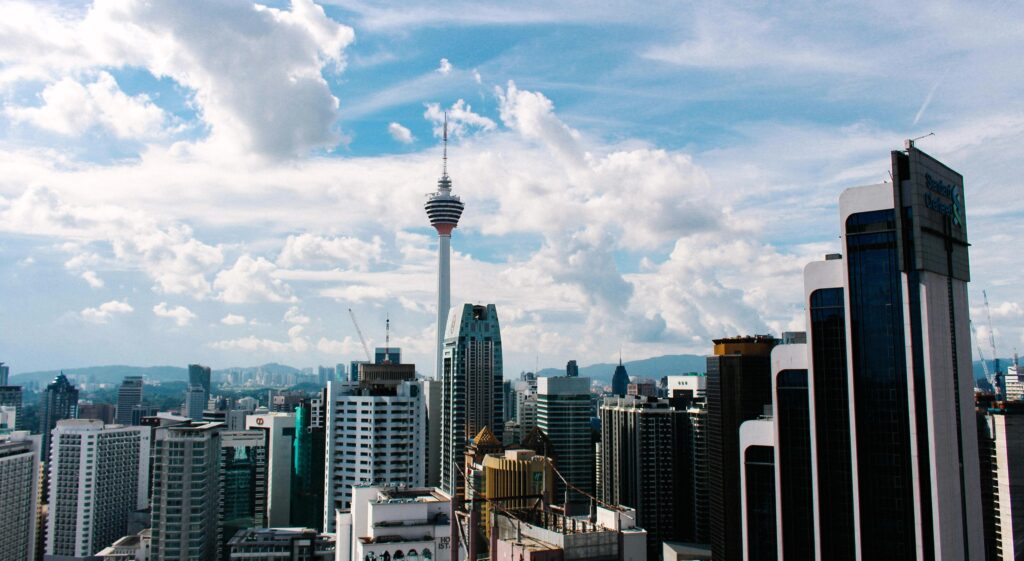
| Kuala Lumpur | $60–$100 |
| Penang | $55–$95 |
| Langkawi | $70–$120 |
| Cameron Highlands | $50–$85 |
Langkawi duty-free advantage
Langkawi is a duty-free island. Alcohol, chocolate, perfume and some imported goods are significantly cheaper than in Kuala Lumpur or Penang.
Travelers who want to enjoy drinks without heavy taxes often find Langkawi noticeably cheaper.
Malaysia’s destination costs make more sense when you think in terms of mainland comfort versus island premiums.
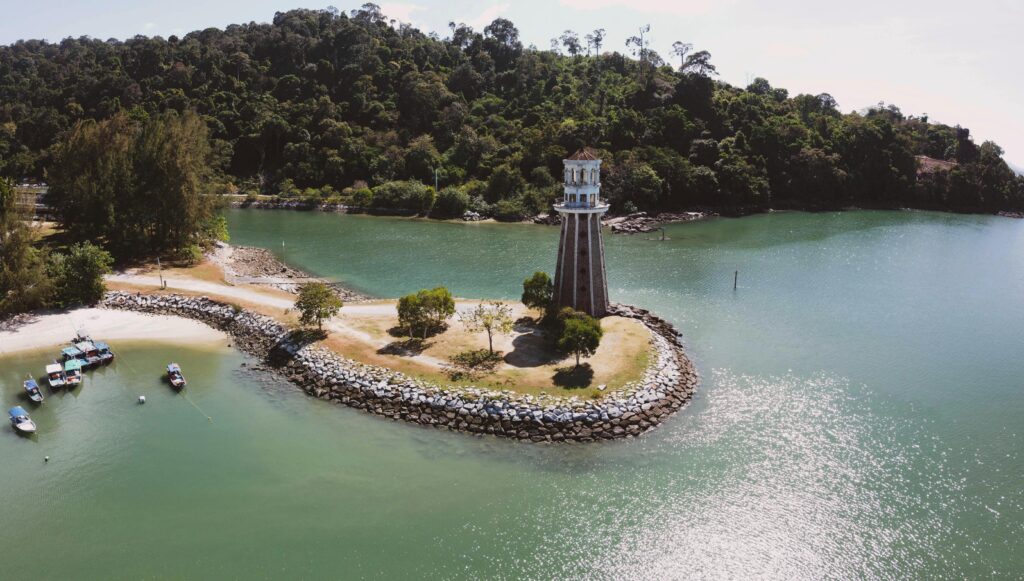
Kuala Lumpur, Penang, and Malacca usually offer the best balance of value and convenience. They have plenty of accommodation, cheap local food, easy transport, and enough competition to keep prices reasonable. Langkawi and the Perhentian Islands are still affordable compared with many beach destinations worldwide, but they are usually where travelers start paying more for location, convenience, and seasonal demand.
This is why Malaysia can feel cheap for a city-and-food trip, but moderately more expensive for an island-heavy route.
Backpacking vs mid-range vs luxury budgets
| Style | 2 weeks total |
|---|---|
| Backpacker | $1400–$1700 |
| Budget | $1700–$2100 |
| Mid-range | $2200–$3000 |
| Luxury | $4000+ |
Malaysia is ideal for comfortable travel without luxury pricing.
Sample 10-day itinerary budget
Kuala Lumpur → Penang → Langkawi
| Category | Cost |
|---|---|
| Flights | $750 |
| Hotels | $600 |
| Food | $250 |
| Transport | $180 |
| Activities | $180 |
| Total | $1960 |
Sample 2-week backpacker itinerary budget
| Category | Cost |
|---|---|
| Flights | $650 |
| Hostels | $280 |
| Food | $280 |
| Transport | $200 |
| Activities | $180 |
| Total | $1590 |
Best time to visit for cheap travel
Cheapest months:
March–May
September–November
Peak season:
December–February
July–August
Avoiding major holidays is one of the easiest ways to keep a Malaysia trip affordable. Hotel and transport prices can rise during busy school holiday periods, major events, and the most popular travel windows, especially in places like Langkawi and Penang.
For many travelers, the best value comes from visiting just outside the busiest peak periods, when prices are lower but the country still feels easy to travel.
Malaysia vs nearby countries cost comparison
| Country | Daily budget |
|---|---|
| Malaysia | $50–$90 |
| Thailand | $55–$95 |
| Vietnam | $40–$75 |
| Indonesia | $45–$90 |
For direct comparisons, read Thailand vs Malaysia travel cost, Malaysia vs Vietnam, and Malaysia vs Philippines.
Decision table
| Traveler type | Verdict |
|---|---|
| Backpackers | Very good value |
| Couples | Excellent comfort-to-price ratio |
| Families | Easy and affordable |
| Luxury travelers | Strong value luxury |
Expanded money-saving tips
- Eat at hawker centers and night markets often. Food is one of the easiest parts of a Malaysia budget to control, and local meals offer much better value than Western restaurants.
- Use the metro in Kuala Lumpur during rush hour and switch to Grab when convenience matters more than speed.
- Keep alcohol spending in check on the mainland, where taxes make drinks noticeably more expensive than many first-time visitors expect.
- If you plan to drink, Langkawi can be better value because of its duty-free status.
- Book domestic flights early if you already know your route, especially if you are combining cities with islands.
- Do not overload your itinerary with too many domestic moves. Malaysia is affordable, but fast-moving routes always cost more than slower ones.
- Mix mainland stops with one pricier island destination instead of building the whole trip around beach areas.
FAQ
Is Malaysia cheap to visit?
Yes. Malaysia is one of the best-value countries in Southeast Asia for travelers who want comfort without paying luxury-level prices. Food, accommodation, and local transport are all relatively affordable, especially compared with Western countries.
Is Kuala Lumpur expensive?
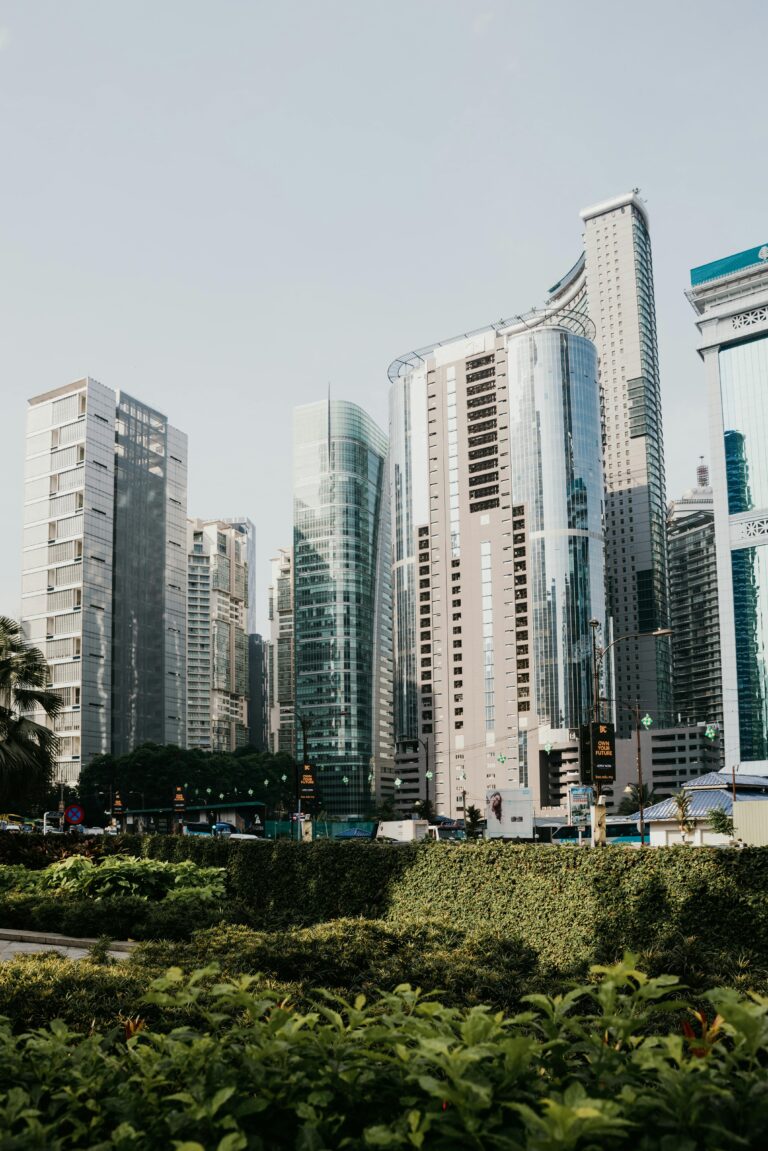
Kuala Lumpur looks modern and developed, which makes some travelers assume it will be expensive. In reality, it often offers excellent value, especially for hotels, food, metro travel, and free or low-cost attractions.
How much spending money per day?
Most travelers spend around $50–$90 per day excluding international flights. Budget travelers can stay lower, while mid-range travelers usually spend more on better hotels, restaurants, and activities.
Is Malaysia cheaper than Thailand?
They are broadly similar, but Malaysia often feels slightly better value for accommodation, comfort, and transport convenience. Thailand can still win on ultra-budget backpacker spending in some areas, especially for nightlife and classic cheap-travel routes.
Do you need cash?
Not as much as in many nearby countries. Cards and digital payments are widely accepted in modern urban areas, but cash is still useful for markets, hawker food, and smaller local businesses.