Choose Lisbon if this is your first trip to Portugal, you want the most sights, nightlife and beach day trips, and warmer weather. Choose Porto if you prefer a smaller, more atmospheric city, port wine and the Douro Valley, and slightly lower prices. Lisbon usually needs 3–4 days and Porto 2–3. They are only about 2 hours 50 minutes apart by direct train, so on a week-long trip most people visit both.
Porto vs Lisbon at a glance
| Lisbon | Porto | |
|---|---|---|
| Best for | First-timers, variety, nightlife, beaches and day trips | Atmosphere, food and wine, shorter city breaks |
| Size | Capital; about 550,000 people in the city and nearly 3 million in the metro area | Second city; about 230,000 in the city and roughly 1.7 million in the metro area |
| Daily budget | About €50–70 backpacker, €100–150 mid-range | Slightly cheaper, especially for hotels |
| Days needed | 3–4 days | 2–3 days |
| Weather | Warmer and sunnier, less rain | A few degrees cooler, noticeably wetter in winter |
| Top day trips | Sintra, Cascais, Évora | Douro Valley, Aveiro, Braga, Guimarães |
| Beaches | Easy beach trips to Cascais and the Costa da Caparica | Atlantic beaches at Foz and Matosinhos; colder water |
| Airport | More international flights | Good European connections, fewer long-haul routes |
Which is better, Porto or Lisbon?
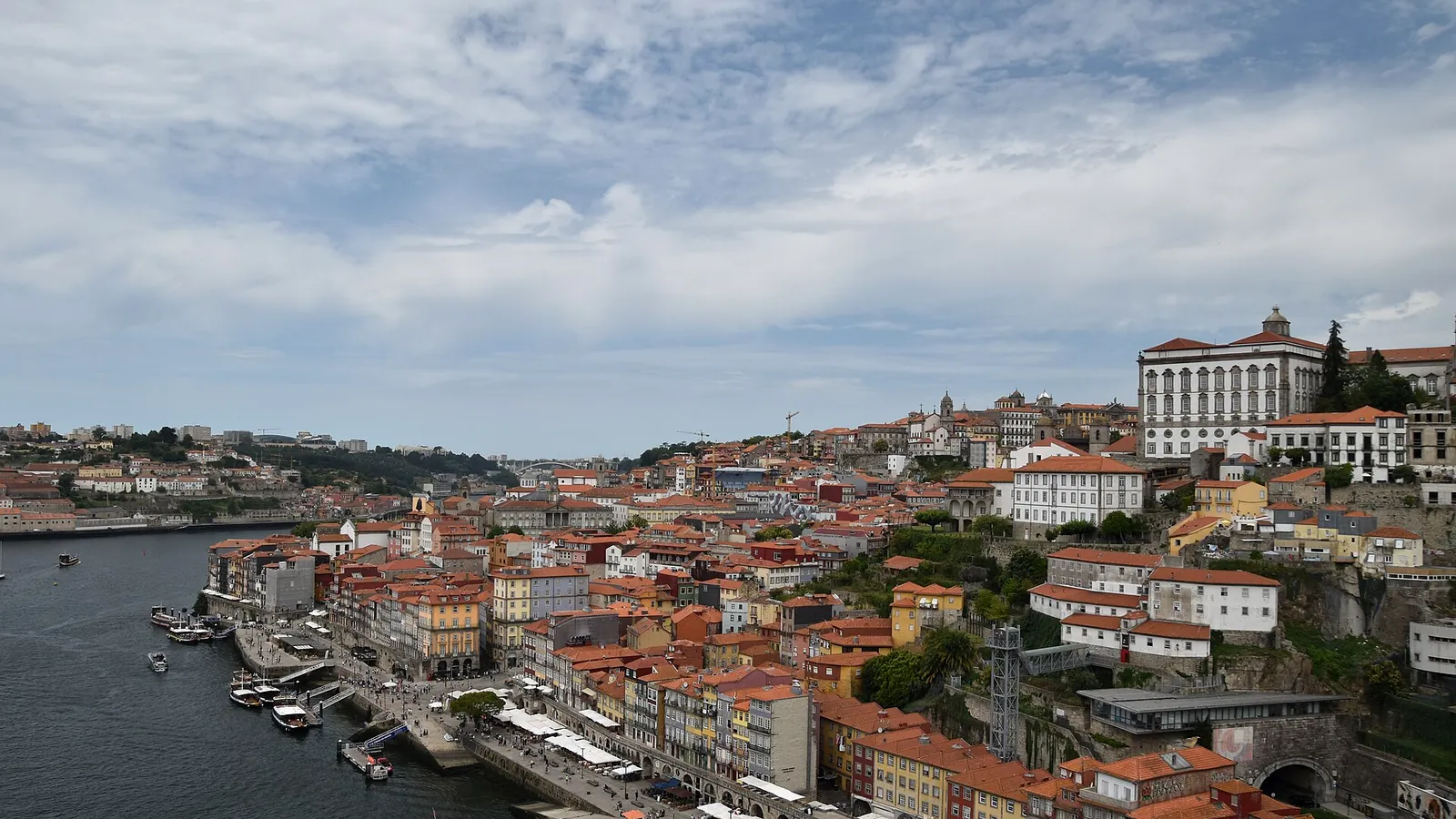
Neither is better overall: they suit different trips. Lisbon is a capital city, with more museums and monuments, a bigger nightlife and restaurant scene, the riverside monuments of Belém, and beaches and palaces within an hour. Porto is smaller and more compact, with a dramatic riverside old town, the port wine lodges across the river in Vila Nova de Gaia, and a slower, more local feel. If you can only visit one on a first trip, Lisbon offers more variety; if you have been to Lisbon, or want a relaxed long weekend, Porto is the better choice.
Is Porto cheaper than Lisbon?
Yes, slightly. The biggest difference is accommodation: hotels and apartments in Porto usually cost less than in central Lisbon, while food, coffee and public transport are similar in both cities. Our guides put typical daily budgets at about €70–160 in Lisbon and €65–140 in Porto. In Lisbon, a backpacker can manage on about €50–70 a day and a mid-range traveller on about €100–150. Both cities charge a small municipal tourist tax per adult per night, added to your hotel bill, for up to seven nights. See is Lisbon expensive and how much a trip to Portugal costs for the full breakdown.
Which is prettier, Porto or Lisbon?
It is a matter of taste. Porto feels older and moodier: granite buildings, blue-and-white azulejo tiles on churches and São Bento station, and the Ribeira waterfront below the double-deck Dom Luís I Bridge. Lisbon is brighter and more spread out, with pastel buildings, yellow trams climbing the hills of Alfama and Graça, and wide views over the Tagus River from its viewpoints (miradouros). Many visitors find Porto more photogenic in a compact area, and Lisbon more varied.
How many days do you need in Porto vs Lisbon?
Plan 3–4 days in Lisbon: three for Alfama, Baixa and Chiado, Belém and the viewpoints, plus a fourth for a day trip to Sintra or Cascais. 2–3 days in Porto covers the centre, the riverside, the port lodges and a day trip to the Douro Valley or Aveiro. With a week, a common split is four nights in Lisbon and three in Porto. See how many days in Lisbon and how many days in Porto for itineraries.
Things to do: Lisbon vs Porto
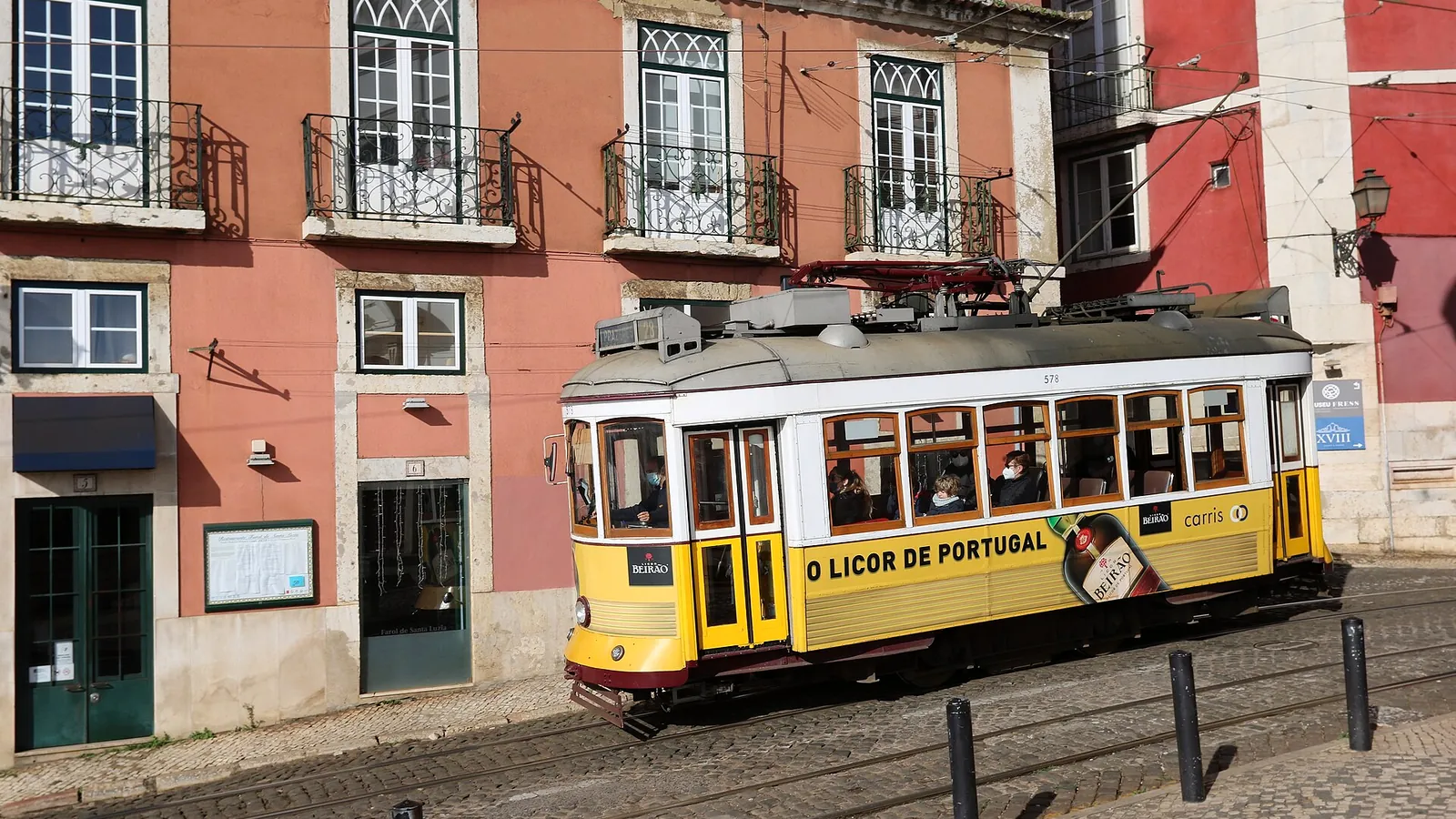
- Lisbon highlights: the Alfama district and São Jorge Castle, tram 28, Belém Tower and Jerónimos Monastery, the LX Factory and Time Out Market, fado in Alfama or Mouraria, and sunset at a miradouro. Day trips: Sintra’s palaces and Cascais’ beaches.
- Porto highlights: the Ribeira waterfront and Dom Luís I Bridge, port wine tastings in Vila Nova de Gaia, São Bento station, Livraria Lello, the Clérigos Tower, a six-bridges river cruise and the beach at Foz. Day trips: the Douro Valley vineyards, Aveiro, Braga and Guimarães.
Food and drink
Both cities are excellent for food. Lisbon is known for seafood, grilled sardines in summer, pastéis de nata (Belém’s are the most famous) and a big international restaurant scene. Porto is known for hearty northern dishes such as the francesinha, a meat-filled sandwich covered in cheese and sauce, tripe (tripas à moda do Porto) and, of course, port wine. See our guide to Portuguese food for what to order and what it costs.
Weather: which is warmer?
Lisbon is warmer and sunnier year-round. In summer, Lisbon’s average highs reach the high 20s °C, while Porto’s are a few degrees lower and often tempered by Atlantic fog. Porto also gets considerably more rain, mostly from October to April. For a winter city break, Lisbon is usually the safer bet; in the heat of July and August, Porto can be more comfortable. Spring and autumn are good in both. See the best time to visit Portugal.
Nightlife
Lisbon wins for nightlife: Bairro Alto’s street bars, Cais do Sodré, rooftop bars and riverside clubs keep going late, especially at weekends. Porto’s nightlife is smaller but lively, centred on the bars around Rua da Galeria de Paris and the riverside, with a more relaxed atmosphere.
Is Porto or Lisbon safer?
Both are safe for tourists, and Portugal is one of the safest countries in Europe. The main risk in both is pickpocketing on trams, in crowded viewpoints and on busy nightlife streets; Lisbon’s tram 28 is the best-known hotspot. Read is Lisbon safe to visit and is Porto safe at night for neighbourhood tips.
Which city is bigger, Lisbon or Porto?
Lisbon, by a wide margin. The capital has about 550,000 people within city limits and nearly 3 million in the metropolitan area, while Porto has about 230,000 in the city and roughly 1.7 million in its metro area. In practice, Porto’s historic centre is compact and walkable, while Lisbon’s sights are spread across several hilly neighbourhoods and you will use trams, the metro and ride-hailing more often.
Visiting both: getting between Lisbon and Porto
The best way between the two is the train. CP’s Alfa Pendular runs direct from Lisbon’s Santa Apolónia or Oriente stations to Porto Campanhã in about 2 hours 50 minutes for around €36, with cheaper Intercidades and early-booking Promo fares. FlixBus is the cheapest option from about €5, taking 3 hours 15 minutes or more. Flying is rarely worth it once you count airport time. See our full guide to getting from Lisbon to Porto.
Many travellers fly into one city and out of the other to avoid backtracking. If you land in Lisbon, see Lisbon airport to the city centre; for a stop on the way north, consider Aveiro or Nazaré.
What are the top cities to visit in Portugal?
Lisbon and Porto are the two essentials. After them, the most popular are Sintra (as a day trip from Lisbon), Lagos and the Algarve coast for beaches, Évora in the Alentejo, Coimbra with its old university, and smaller towns such as Aveiro and Nazaré. See Lagos, Portugal and Lisbon to the Algarve if you want to add the south.
Our verdict
- Choose Lisbon for a first visit, a longer stay, nightlife, beach days and the widest choice of flights.
- Choose Porto for a romantic or food-and-wine city break, lower hotel prices and the Douro Valley.
- Visit both if you have five days or more: they are less than three hours apart by train.
Compare hotels in Porto · Compare hotels in Lisbon on Booking.com
FAQ
Is it worth going to Porto from Lisbon?
Yes, if you have at least two nights to spare. The direct train makes it an easy trip, and Porto feels quite different from the capital. Read is Porto worth visiting.
Can you do Porto as a day trip from Lisbon?
It is possible but not recommended: almost six hours of the day would be spent on the train. Stay at least one night.
Which is better for a long weekend?
Porto. Its compact centre means you can see most of it in two or three days, while Lisbon rewards a longer stay.