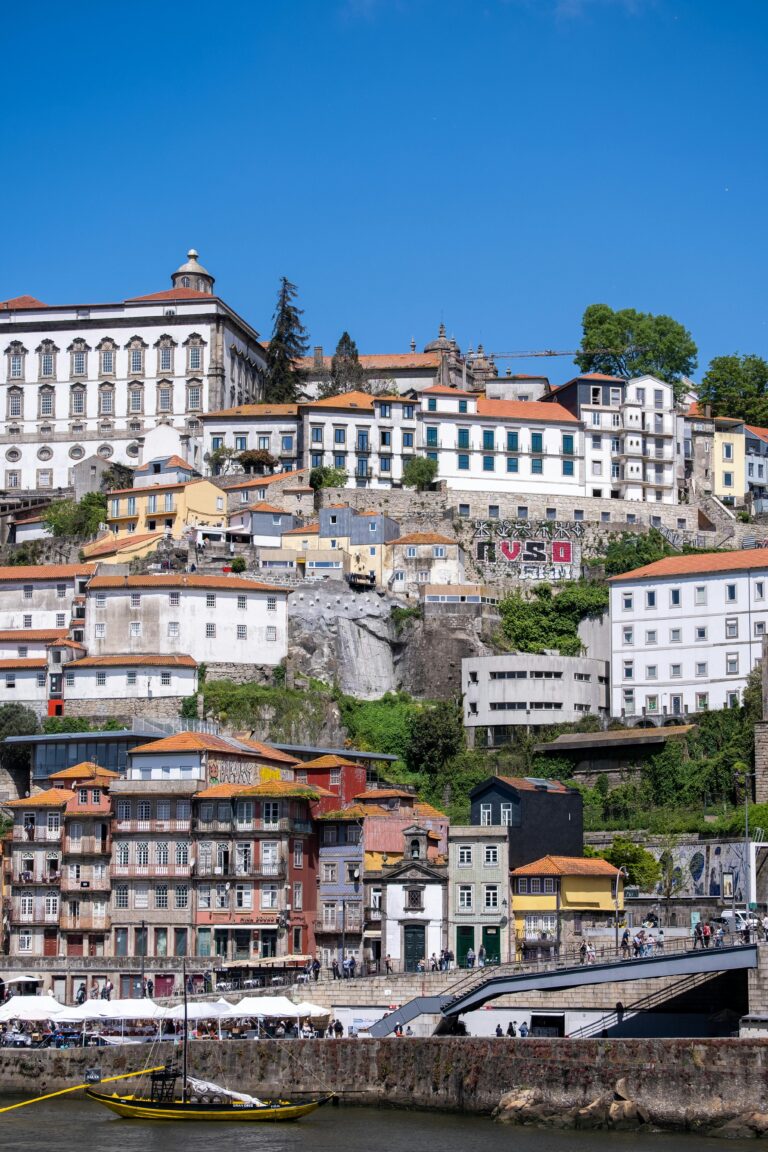
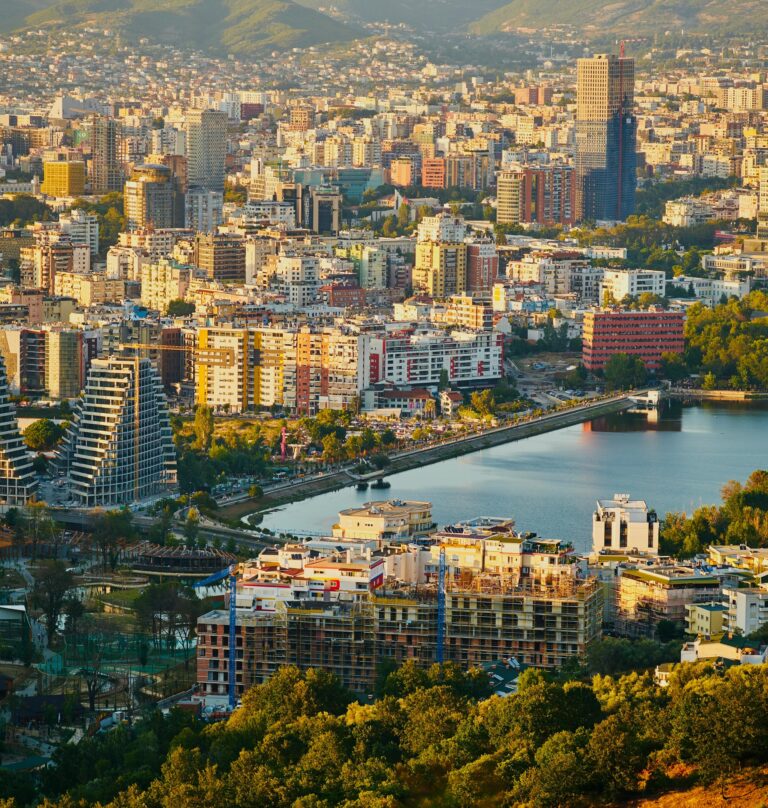
Portugal is one of the easiest countries in Europe to eat well.
The food is not complicated, flashy, or hard to understand. Portugal does simple things extremely well: grilled fish, salt cod, soups, pork sandwiches, seafood rice, flaky pastries, and wine that usually feels better than its price.
That is what makes Portuguese food so satisfying for travelers. You do not need a Michelin budget or a long restaurant shortlist to eat well here. Some of the best meals come from cafés, tascas, pastelarias, market counters, and small neighborhood restaurants where the menu is short and the kitchen knows exactly what it is doing.
If food costs matter to your trip, read how much does a trip to Portugal cost. If you want a quick official overview of Portuguese specialties before you go, Visit Portugal’s Taste Portugal page is a useful place to start.
| If you only try 7 Portuguese foods | Why it is worth ordering | Typical price |
|---|---|---|
| bacalhau à brás | The easiest cod dish for first-time visitors and one of the most reliably good classics | €10–€16 |
| pastéis de nata | The famous custard tart and still worth it when done well | €1.20–€2 each |
| francesinha | Porto’s rich signature sandwich and one of the most iconic city-specific dishes in Portugal | €10–€15 |
| bifana | Cheap, fast, garlicky, and much better than it sounds on paper | €3–€6 |
| caldo verde | A classic Portuguese soup that works as a starter or a light meal | €2.50–€5 |
| grilled sardines | Peak summer Portugal, especially in Lisbon and coastal towns | €10–€18 |
| cataplana or seafood rice | Best pick when you want a more regional seafood meal | €16–€30+ |
What Portuguese food is actually like
Portuguese food is built more on ingredients than on presentation.
You see that quickly once you start eating around the country. Bread matters. Olive oil matters. Soup matters. Fish is everywhere. Pork shows up constantly. Rice appears more often than many first-time visitors expect. Desserts lean heavily on eggs, sugar, and pastry tradition. Wine is part of everyday eating rather than something saved only for special occasions.
Portugal also rewards simple ordering. In a lot of places, the smartest meal is not the longest one on the menu. It is the grilled fish of the day, the lunch special on the chalkboard, the cod dish the restaurant has probably been making for years, or the pastry that has been turning over all morning.
That is also why Portugal is a great country for food-focused travelers who do not want to overplan every meal. You can keep it simple and still eat memorably.
Traditional food in Portugal worth ordering
Bacalhau à brás
If you only order one cod dish in Portugal, make it bacalhau à brás.
It is made with shredded salt cod, onions, thin fried potatoes, egg, and usually olives and parsley on top. It sounds humble, and it is, but when it is done properly it is one of the most comforting dishes in Portuguese food. It is also one of the easiest bacalhau dishes for first-time visitors because it feels familiar while still tasting distinctly Portuguese.
Francesinha
Francesinha is Porto’s best-known comfort-food monster.
It is basically a layered sandwich filled with meat, covered in melted cheese, and finished with a rich sauce that makes the whole thing feel halfway between a sandwich and a knife-and-fork challenge. It is heavy, messy, and worth trying once, especially in Porto.
This is not a delicate lunch. Order it when you are hungry.
Bifana
Bifana is one of the best-value street and casual-food wins in Portugal.
At its simplest, it is thin pork in a soft roll, usually with a garlicky, savory bite that makes it much better than the description suggests. A good bifana is quick, cheap, and satisfying, which is exactly why it is such a useful traveler food.
Caldo verde
Caldo verde is the Portuguese soup you will keep seeing for a reason.
It is a potato-based soup with greens and usually slices of chouriço. It is simple, filling, and especially good on cooler days, at lunch, or as a starter before a larger meal. If you want one traditional dish that feels homey rather than showy, this is a good pick.
Grilled sardines
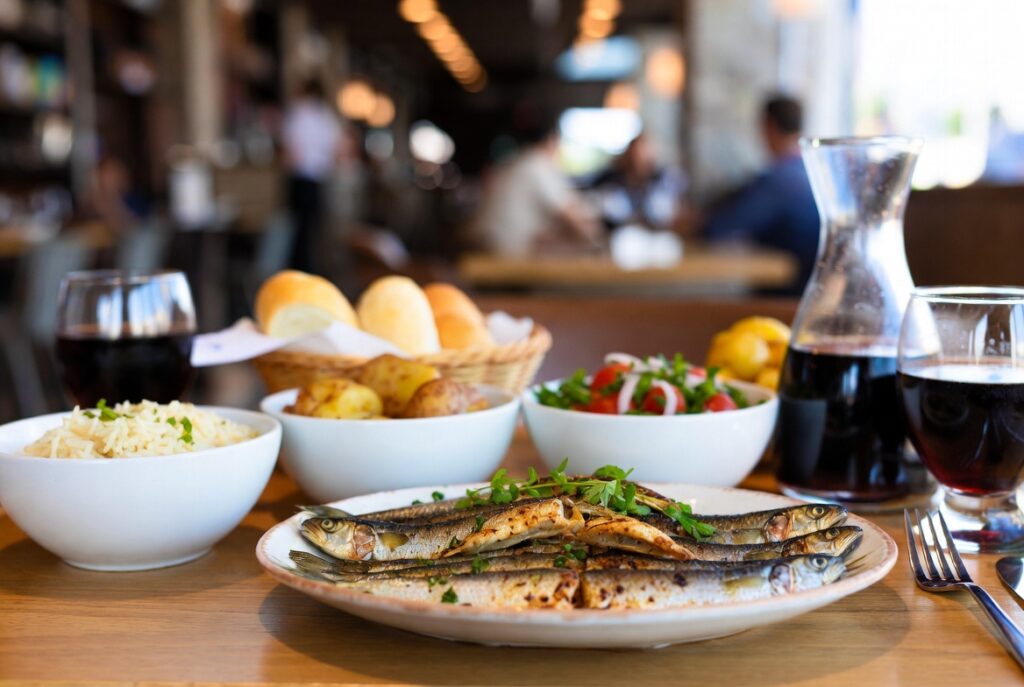
Grilled sardines are one of the most iconic summer foods in Portugal.
When they are good, they taste like exactly what coastal Portugal should taste like: smoky, salty, oily, and simple. They are especially associated with Lisbon in summer, street festivals, and no-nonsense restaurants that do not need to oversell them.
If you are traveling in the warmer months, order sardines at least once.
Cataplana and seafood rice
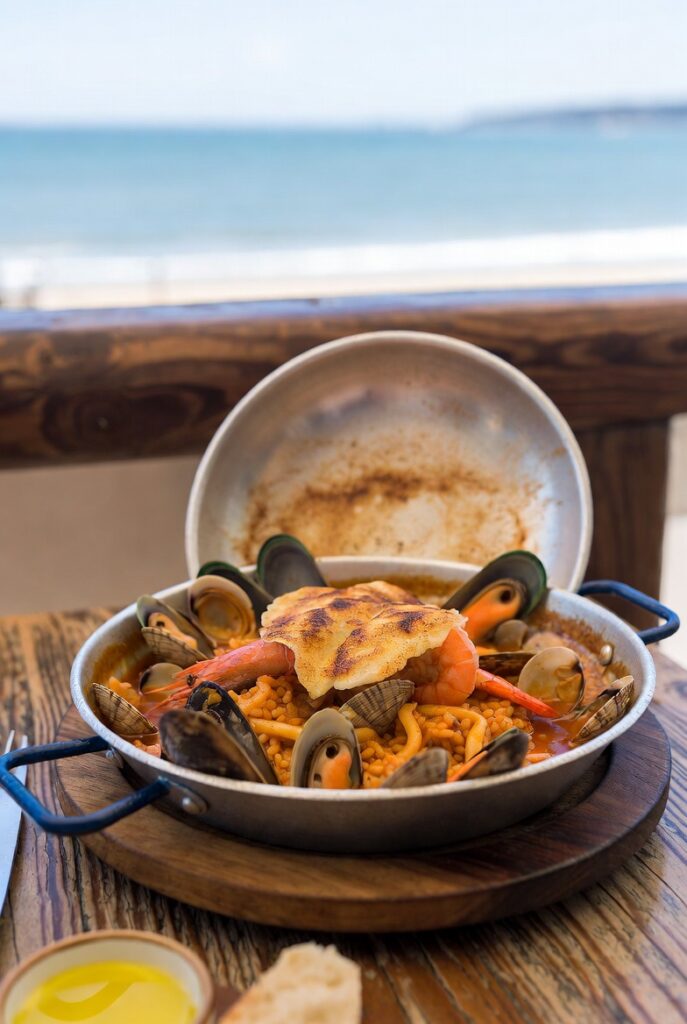
If you want a meal that feels more regional and a little more occasion-worthy, order cataplana or arroz de marisco.
Cataplana is a seafood dish associated especially with the Algarve, usually cooked in a clam-shaped metal pot that helps trap flavor and steam. Seafood rice is another strong option when you want something generous, briny, and unmistakably coastal.
These are the kinds of dishes to order when you are near the sea and have time to sit down properly.
Polvo à lagareiro
Polvo à lagareiro is one of the best octopus dishes to look for.
It is usually roasted octopus served with olive oil, garlic, and potatoes. When the octopus is tender, it is excellent. This is a good order when you want something that feels classic but a little more refined than a sandwich or soup.
Pastéis de nata
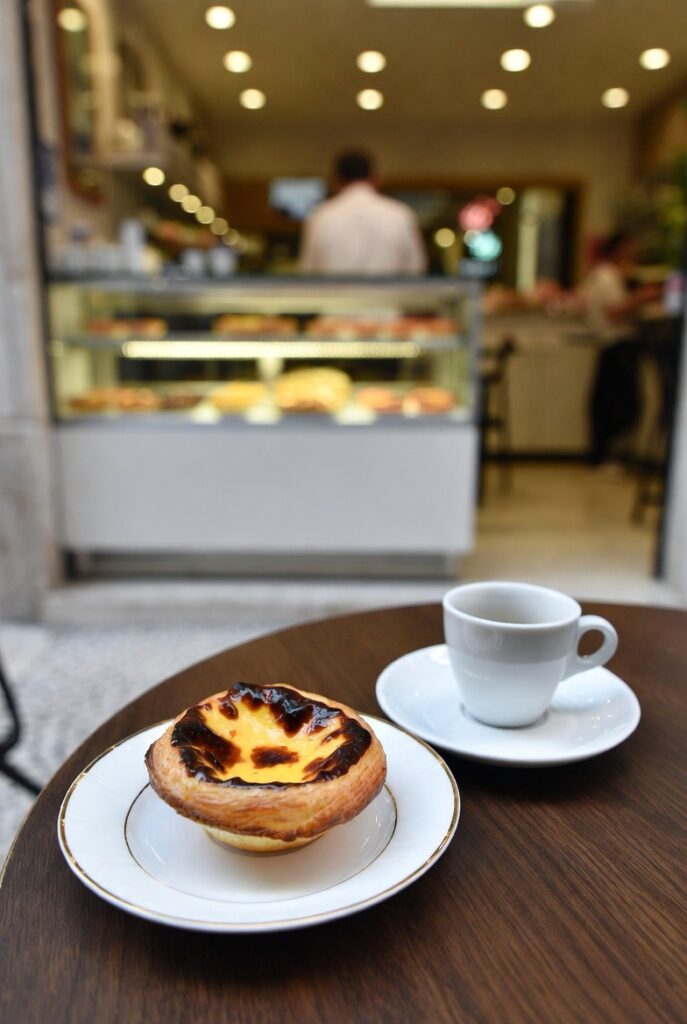
Yes, they are famous. Yes, you should still eat them.
A good pastel de nata has a crisp shell, warm custard, and enough contrast between flaky pastry and creamy filling to justify every cliché written about it. They work for breakfast, a coffee break, a mid-afternoon snack, or a second breakfast if you are being honest with yourself.
Other desserts worth trying
Pastéis de nata should not be the only sweet thing you eat in Portugal.
Look out for arroz doce, pão de ló, queijadas, and ovos moles if you want to go a little deeper. Portugal’s dessert culture is stronger than many visitors expect, and once you move beyond the one famous tart, the country gets even more interesting.
Portugal food prices in 2026
Portugal can still be very reasonable for food by western European standards, especially if you eat the way locals often do: light breakfast, proper lunch, and not every meal in the busiest tourist streets.
| Food or drink | Typical price |
|---|---|
| espresso | around €1 |
| coffee and pastry breakfast | €3–€6 |
| soup | €2.50–€5 |
| bifana | €3–€6 |
| pastel de nata | €1.20–€2 |
| prato do dia or menu do dia lunch | €8–€12 |
| bacalhau dish | €10–€18 |
| francesinha | €10–€15 |
| seafood main | €18–€35 |
| glass of wine | €3–€6 |
One of the easiest ways to eat well without overspending is to use lunch strategically. In many cafés and tascas, the lunch special is better value than what you would pay in a tourist-facing dinner spot later the same day.
What to eat for breakfast in Portugal
A normal Portuguese breakfast is usually light.
Do not expect a huge hotel-style spread as the default local habit. A lot of people keep it simple with coffee, toast, a sandwich, or a pastry. For travelers, that makes breakfast in Portugal very easy to handle. Go to a café or pastelaria, order a coffee and one or two baked things, and you are in business.
A few easy breakfast orders that work almost anywhere:
| Portuguese breakfast idea | What it usually is | Typical price |
|---|---|---|
| coffee and pastel de nata | the classic quick café stop | €2.50–€4 |
| galão and toast | milky coffee with toast | €3–€5 |
| tosta mista | toasted ham and cheese sandwich | €3–€6 |
| coffee and another pastry | croissant, bolo, or local sweet | €3–€6 |
Where to eat in Lisbon
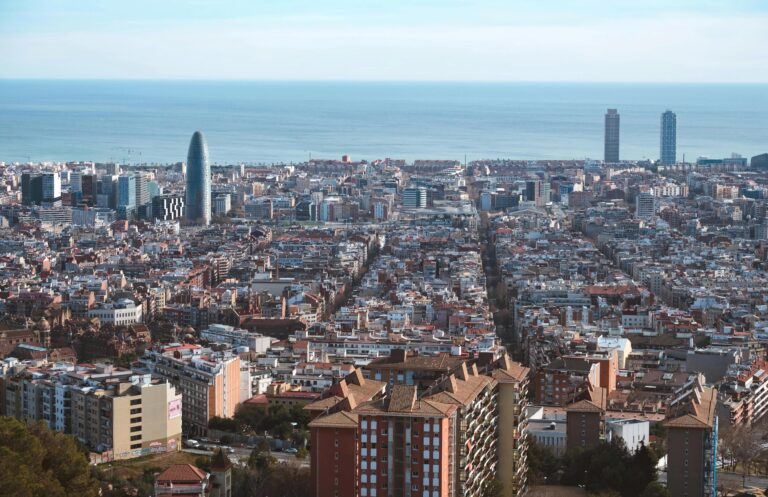
Lisbon is one of the best places in Portugal to try a broad mix of classic foods, but it is also one of the easiest places to overpay for an average meal.
For food, the city is strongest when you keep a little distance from the most obvious tourist strips. Baixa and Chiado are convenient, and you can still eat well there, but your odds usually improve once you move into more lived-in areas or side streets where the menu feels built for residents first. Mouraria, Graça, and Campo de Ourique are the kind of areas where simple, traditional food tends to make more sense than polished tourist menus. In practical terms, look for chalkboard specials, compact menus, busy lunch service, and places where people are clearly eating regular weekday meals.
Lisbon is a good city for bacalhau à brás, bifanas, grilled sardines in season, soups, petiscos, and bakery stops. It is also the easiest place to stack small food experiences into one day: coffee in the morning, a market or snack lunch, a tart in the afternoon, then a proper dinner later.
For pastéis de nata, Belém gets the fame, but everyday pastelarias across the city can also be excellent. For savory food, the best meal is often not in the postcard square. It is the tasca a few streets away with handwritten specials and no need to explain itself.
Where to eat in Porto
Porto feels more specific than Lisbon from a food point of view.
This is where you go for francesinha, stronger meat-and-sauce comfort food, port wine culture, and a generally heavier northern feel. If you are deciding whether the city belongs in your itinerary, read is Porto worth visiting. If you are trying to work out how long to stay, how many days in Porto will help.
If you want an easy northern Portugal add-on after Porto, read our Aveiro, Portugal guide for canals, ovos moles, Costa Nova, and whether it is worth a day trip or overnight stop.
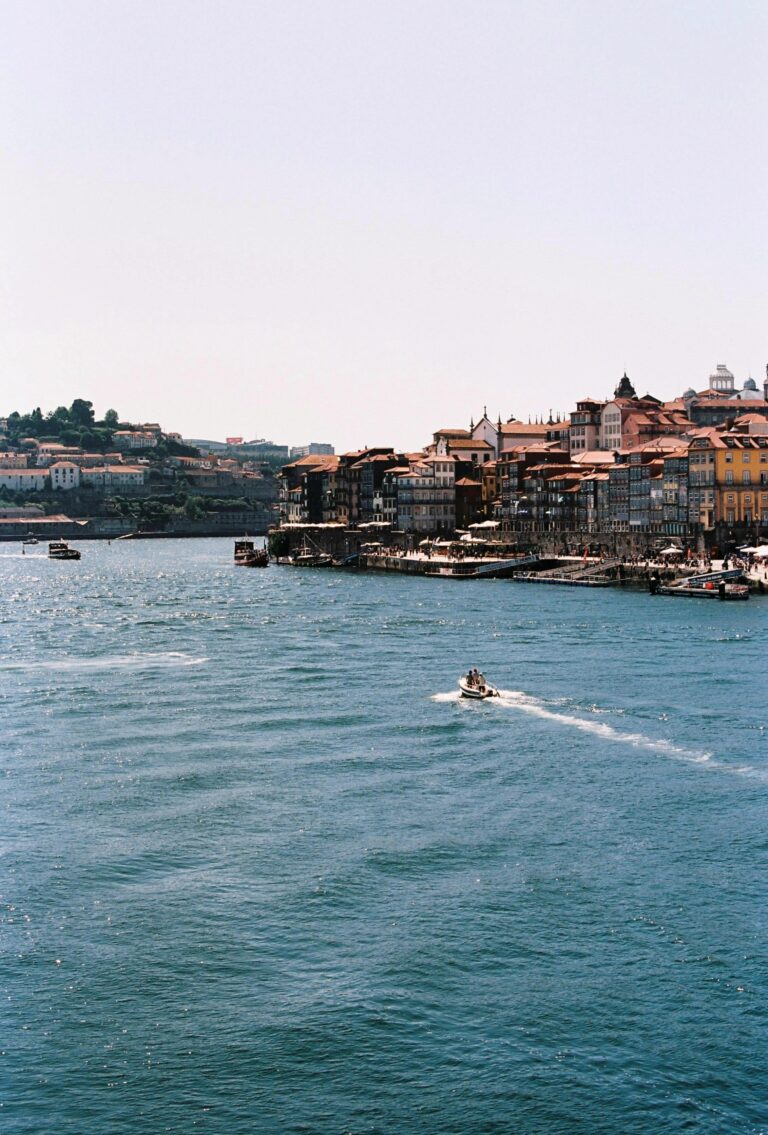
For food, Ribeira is beautiful but not the place where I would automatically expect the best-value everyday meal. If you want better odds of a more local-feeling lunch or dinner, look beyond the riverfront and pay attention to areas around Bolhão, Bonfim, Cedofeita, and other normal city streets where restaurants are feeding residents as much as visitors. If you specifically want fish and seafood rather than another meat-heavy meal, it is also worth thinking beyond the most obvious central tourist zone.
In Porto, francesinha is the obvious one-time must-order, but do not stop there. Try caldo verde, cod dishes, pastries, and wine. This is also the city where it makes sense to build in a slower food-and-drink evening instead of treating dinner like a quick stop between attractions. If you plan to be out after dark for dinner, wine bars, or late walks, read is Porto safe at night as well.
What to eat in the Algarve
The Algarve is where Portuguese food leans hardest into seafood.
This is where dishes like cataplana, grilled fish, clams, octopus, and seafood rice make the most sense. If you are eating by the coast, order what belongs there rather than defaulting to the same safe dish you could eat anywhere else in the country.
The easiest mistake in the Algarve is eating only in obvious waterfront rows where every menu looks interchangeable. You can still find decent food in tourist areas, but your chances usually improve when you move one or two streets back, choose a smaller local-looking place, or eat in towns and neighborhoods that still feel connected to working fishing culture. In practical terms, look for the catch of the day, grilled fish on the menu, lunch menus, and restaurants that do not need laminated photo boards to explain themselves.
If your Portugal trip is being planned around beach weather, seafood lunches, and crowd levels, read best time to visit Portugal before you lock in your dates.
Portugal wine and what to drink with food
Portugal is stronger on wine than a lot of first-time visitors expect.
You do not have to overcomplicate it. For many travelers, this simple approach works:
| Drink | Best time to try it |
|---|---|
| vinho verde | lunch, seafood, warmer days |
| Douro or Alentejo red | heavier dinners, meat dishes |
| port wine | Porto or after dinner |
| ginjinha | short sweet liqueur stop, especially in Lisbon or Óbidos |
If you are unsure, ask for the house wine in a decent restaurant. In Portugal, that is often a smarter move than chasing the most recognizable bottle.
Vegetarian and dietary note
Portugal is easier for fish and meat eaters than for strict vegetarians, but things are improving.
In Lisbon and Porto, vegetarian options are much easier than they used to be. In smaller towns and traditional restaurants, the menu may still lean heavily toward fish, pork, sausage, and egg-based dishes. If you have dietary restrictions, check menus before sitting down rather than assuming every place will have flexible options.
For mixed eaters, though, Portugal is very easy. One person can order fish, another can order meat, and everyone can still meet in the middle over soup, bread, rice, pastries, cheese, wine, and snacks.
Common dining mistakes tourists make in Portugal
The biggest food mistakes in Portugal are usually not about the dishes. They are about context.
The first mistake is assuming the bread, olives, butter, cheese, or pâté placed on the table are free. In Portugal, that setup is usually couvert. If you eat it, it goes on the bill. If you do not want it, say no right away.
The second mistake is eating every main meal in the most obvious scenic square. Convenience is fine sometimes, but if every restaurant looks like it was designed for people who will never come back, the food often follows that logic.
The third mistake is skipping lunch specials. Portugal is one of those countries where a simple weekday lunch can be one of the best meals of the day.
The fourth mistake is expecting fast, early dinner service by default. Portuguese meals often happen a bit later, and restaurants are not always built around speed-first turnover. Slow down a little and you will usually enjoy the experience more.
Dining etiquette, couvert, and tipping in Portugal
Portugal is easy to handle once you know a few basic things.
Breakfast is usually light. Lunch is often the more substantial daytime meal. Dinner tends to start later than in some other countries, especially in bigger cities.
Couvert is the first restaurant habit that surprises many visitors. Bread, olives, butter, cheese, or pâté may appear without you asking. That does not automatically mean it is free. If you want it, enjoy it. If not, ask for it to be removed before you touch it.
Tipping is not mandatory in Portugal in the way it is in the United States. For decent service, rounding up or leaving a small extra amount is normal. In more tourist-heavy restaurants, some people leave around 5% to 10% for especially good service, but you do not need to treat it as an obligation.
Another useful thing to know: if you want the bill, ask for it. In many places, it will not be pushed onto the table the second you finish.
FAQ
What is the national dish of Portugal?
There is no single official answer, but bacalhau is the strongest unofficial one. If you want the easiest first cod dish to start with, go for bacalhau à brás.
What food should first-time visitors try in Portugal?
A very good first-timer list would be bacalhau à brás, pastéis de nata, bifana, caldo verde, grilled sardines if you are there in season, and francesinha if you are visiting Porto.
What is a normal breakfast in Portugal?
Usually something light: coffee, toast, a sandwich, or a pastry. Portugal is not a country where you need a giant breakfast to eat like a local.
Is food expensive in Portugal for tourists?
Usually not, especially compared with many western European destinations. If you mix cafés, lunch specials, bakeries, and a few sit-down dinners, food costs can stay very reasonable.
What is the best food city in Portugal?
Lisbon gives you the widest variety and easiest access. Porto feels more distinct and city-specific. The Algarve is strongest for seafood. The best answer depends on what you want to eat, not on which city has the most hype.