The best time to visit Phuket is from November to February if you want the most reliable combination of drier weather, calmer sea conditions and comfortable beach days. January and February are the safest all-round choices, but they are also among the busiest and most expensive months.
If you want better value without taking the full monsoon-season risk, consider late November, March or the first half of April. September is usually the least reliable month for a beach-first holiday because Phuket sits on Thailand’s Andaman coast, where the southwest monsoon can bring heavier rain, stronger waves and disrupted boat plans.
Phuket is warm throughout the year. The real decision is not whether it will be hot, but how much rain risk, humidity, crowding and sea uncertainty you are willing to accept.
Weather patterns and travel conditions were checked on 24 September 2026 using guidance from the Thai Meteorological Department, the Tourism Authority of Thailand and recent Phuket travel conditions. Weather cannot be guaranteed for any individual trip.
Quick answer: when is the best time to visit Phuket?
| Travel priority | Best time | What to expect |
|---|---|---|
| Best weather overall | January to February | Drier days, generally calmer sea and strong beach conditions |
| Best balance of weather and value | Late November or March | Good beach potential with slightly less peak-season pressure |
| Cheapest period | May to October | Lower hotel demand, more rain risk and less dependable boat conditions |
| Fewest crowds | May, June and September | Quieter resorts, but weather becomes a meaningful trade-off |
| Best for island hopping | December to March | More reliable sea conditions for Phi Phi, Phang Nga Bay and nearby islands |
| Best for surfing | June to September | More swell on west-coast beaches; swimming conditions can be hazardous |
| Month most likely to disappoint beach travelers | September | High rain risk, rougher seas and less dependable excursions |
For a normal first trip built around beaches, restaurants and one or two boat excursions, I would choose January or February. For a more budget-conscious trip, I would choose late November or March rather than gambling on the wettest part of the year.
Phuket weather by month
This month-by-month table is designed for trip decisions rather than perfect forecasting. Phuket can deliver a sunny week during the wet season and an unexpected shower during the dry season. The ratings describe the usual balance of conditions, not a promise.
| Month | Weather pattern | Sea and beaches | Crowds and prices | Verdict |
|---|---|---|---|---|
| January | Usually dry, sunny and less oppressive | Generally calm and excellent for swimming | Very busy and expensive | Excellent weather; book early |
| February | Dry, sunny and increasingly hot | Usually reliable for beach and boat days | Busy, with high accommodation demand | One of the best months |
| March | Hotter, mostly dry, occasional storms | Often good, although heat becomes noticeable | Still popular but easier than peak holidays | Strong weather-value compromise |
| April | Very hot, humid, with more thunderstorms | Often usable, but conditions begin changing | Songkran creates a temporary demand spike | Good if you tolerate heat |
| May | Monsoon transition; showers increase | More variable, with stronger west-coast waves | Lower demand and improving deals | Budget option with weather risk |
| June | Wet-season pattern with sun between showers | Variable; red flags must be taken seriously | Quieter and cheaper | Possible for flexible travelers |
| July | Humid, showery and changeable | Rougher periods are common on west-facing beaches | Moderate summer-holiday demand | Mixed rather than automatically bad |
| August | Wet and humid with intermittent bright spells | Conditions can change quickly | Some family demand, but below winter peak | Acceptable only with flexibility |
| September | Often the wettest and least dependable period | Greater rough-sea and cancellation risk | Low prices and fewer visitors | Avoid for a beach-first trip |
| October | Still wet, usually improving toward month-end | Unsettled at first; gradually more reliable | Good deals before high season | Late October can work |
| November | Transition toward drier conditions | Sea conditions generally settle | Prices rise as demand returns | Excellent shoulder-season choice |
| December | Drier, sunny and comfortable by Phuket standards | Strong beach and excursion conditions | Very busy and costly around Christmas and New Year | Excellent if budget is secondary |
Phuket’s seasons explained
Dry season: November to April
November to April is Phuket’s main visitor season. The northeast monsoon brings a more favorable pattern to the Andaman coast, especially from December through February. Rain is still possible, but travelers have a better chance of building a trip around beach days, sunsets and marine excursions without constantly rearranging plans.
This is also when Phuket feels most operational. Boat departures are easier to plan, beach businesses are fully active and the island carries its busiest holiday atmosphere. The downside is predictable: popular beaches, roads and restaurants fill up, while the most appealing hotels sell their best rooms early.
Compare current Phuket accommodation before committing to flights on Booking.com. The difference between flexible November dates and the Christmas–New Year period can be substantial.
Hot season: March to May
March and April are hotter and more humid. Beach conditions can remain very good, but midday sightseeing becomes more tiring and air-conditioned breaks matter more. April also brings Songkran, Thailand’s water festival, which can be great fun but changes the feel of transport, streets and nightlife for several days.
May is the transition into the wetter southwest-monsoon pattern. It can still produce excellent sunny periods, but it is no longer a month I would recommend to someone who needs every planned boat day to operate exactly as expected.
Rainy season: May to October
The rainy season does not mean continuous rain from morning until night. Phuket often receives intense showers followed by brighter spells. The problem is reliability. A forecast showing rain every day may still include usable beach time, while a seemingly decent day can produce a sudden downpour or rough sea.
The bigger issue for many travelers is not rainfall itself but marine conditions. Stronger monsoon waves affect west-coast beaches, and official tourism guidance warns that rough conditions and storms can make swimming unsafe. Red flags are instructions, not decoration. Never enter the water when lifeguards or beach warnings say conditions are dangerous.
Wet season works best when your plan includes Phuket Old Town, restaurants, spas, cafés and a hotel you actually enjoy spending time in. It works poorly when the entire holiday depends on daily speedboat trips.

What is the cheapest time to visit Phuket?
The cheapest time to visit Phuket is usually during the lower-demand wet season, broadly from May to October. September often offers some of the lowest accommodation pressure, but it also carries the largest weather trade-off.
Do not choose dates based only on the cheapest room shown in a search result. A low rate is not a bargain if rough seas cancel the activities that made you choose Phuket. The better-value strategy is often to target a transition period:
- Late November: improving weather before the full festive peak.
- March: usually reliable beach conditions after the busiest winter weeks.
- Late October: potentially attractive prices, but only for flexible travelers.
For the complete budget beyond accommodation, read how much a trip to Thailand costs in 2026. Phuket is normally more expensive than Bangkok, Chiang Mai and many mainland destinations.
Best time for beaches and swimming
December to March is the strongest window for travelers who primarily want beaches and swimming. January and February provide the clearest all-round recommendation because the sea is generally calmer and the weather pattern is more dependable.
Beach orientation still matters. Phuket’s famous west-coast beaches—including Patong, Karon, Kata, Kamala and Surin—are directly exposed to the southwest-monsoon swell. Conditions can differ between beaches and even between morning and afternoon, so always respond to the flags and local instructions you see that day.
If you are choosing between the two major Andaman bases, our Phuket vs Krabi comparison explains which is better for beaches, scenery, nightlife and an easy first visit.
Best time for island hopping and boat trips
Choose December to March if Phi Phi, Phang Nga Bay or other boat excursions are essential to your trip. No month guarantees perfect water, but dry-season conditions give operators more dependable working windows.
November and April can also be good, although transitions are less predictable. From May through October, avoid building a rigid itinerary in which one canceled departure ruins the entire holiday. Leave spare days and book with clear cancellation or rescheduling terms.
Phuket is the easier base for visitors who want a broad range of hotels, restaurants and organized tours. Krabi can feel calmer and more scenic. Timing affects both, but the Andaman monsoon is relevant to the entire region.
Best time to visit Phuket without crowds
There is no secret month with perfect weather, empty beaches and the lowest prices. The closest compromises are late November and March.
Late November can deliver improving weather before Christmas demand peaks. March remains hot and relatively dry but usually feels less intense than late December and January. If you travel during peak season, crowd levels also depend on where you stay. Patong is busy by design, while quieter areas can feel manageable even when the island is full.
May, June and September bring fewer visitors, but you are exchanging crowds for weather uncertainty. That trade is worthwhile for some travelers, not a universal travel hack.
Is Phuket worth visiting during rainy season?
Yes, if price and quiet matter more than perfect beach conditions and you can change plans at short notice. No, if this is a rare long-haul holiday and your main goal is swimming, snorkeling and island hopping every day.
A rainy-season Phuket trip makes more sense when you:
- book a comfortable hotel with covered facilities;
- allow spare days for excursions;
- accept that some beaches may show red flags;
- include Phuket Old Town, food, cafés and wellness activities;
- use flexible bookings where possible.
It makes less sense when you have only three nights and a checklist of weather-dependent tours.
January vs February vs March
| Month | Main advantage | Main drawback | Best for |
|---|---|---|---|
| January | Reliable beach conditions | Peak crowds and high prices | First-time visitors prioritizing weather |
| February | Dry and generally calm, with slightly less holiday pressure | Still expensive and busy | Best all-round choice |
| March | Good weather-value balance | Hotter days | Travelers who tolerate heat and want fewer crowds |
If I could select any dates, I would choose February. If hotel value mattered more, I would choose March. If I were traveling with children and wanted the most conservative weather decision, I would choose January or February and reserve accommodation well ahead.

When should you avoid Phuket?
Avoid September if your definition of a successful trip requires calm seas and several guaranteed beach or boat days. This does not mean September is permanently stormy. It means the probability of disruption is high enough that it is a weak choice for an inflexible beach holiday.
You may also want to avoid Christmas and New Year if you dislike crowds or need to control costs. The weather can be excellent, but you pay for the privilege and lose flexibility in the most popular resort areas.
April deserves a different warning: it is not usually the worst month, but the combination of strong heat, humidity and Songkran disruption can surprise travelers expecting Phuket’s gentlest conditions.
How Phuket fits into a Thailand itinerary
Phuket works best as a four-to-seven-night beach section rather than a rushed two-night stop. If you are combining it with Bangkok and Chiang Mai, read our Thailand itinerary for 7, 10 or 14 days. For the broader national weather pattern, use our best time to visit Thailand guide.
The distinction matters because Thailand does not have one identical climate calendar. Phuket follows the Andaman-coast pattern, while Gulf destinations such as Koh Samui can behave differently during parts of the year.
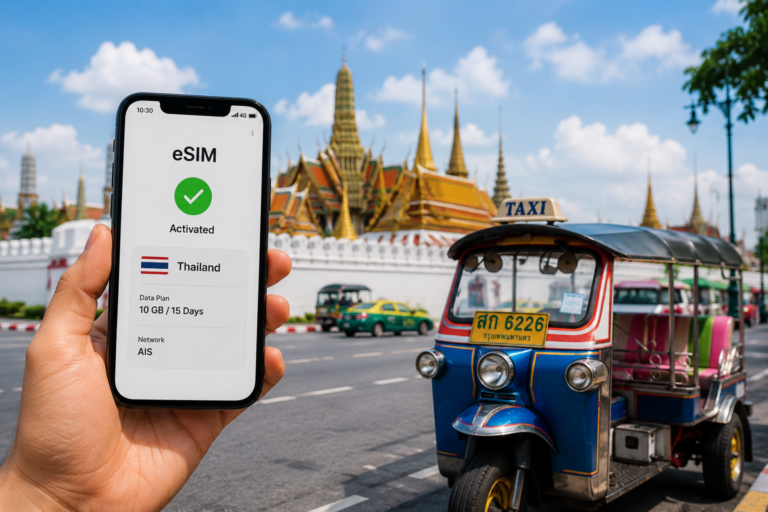
Before departure, our Thailand eSIM guide compares current network and plan options. For most normal trips, Airalo’s Thailand plans are the value-focused choice; heavy-data users can compare Holafly’s unlimited Thailand plans.
Final verdict
The best time to visit Phuket is November to February, with January and February offering the most dependable all-round conditions for beaches, swimming and island trips.
Choose March for a better balance between weather, heat and crowd levels. Choose late November if you want improving conditions before the festive peak. Travel from May to October only if lower prices and fewer visitors matter more than reliable sea conditions.
If Phuket is the beach trip you have been saving for, do not optimize the holiday around the cheapest September hotel. Pay for the stronger weather window and give yourself a better chance of experiencing the island you actually came to see.
Explore more Thailand travel guides.
Frequently asked questions
What is the best month to visit Phuket?
February is arguably the best all-round month because conditions are usually dry, the sea is generally calm and the Christmas–New Year holiday spike has passed. January is equally strong for weather but can feel busier and more expensive.
What is the rainy season in Phuket?
Phuket’s wetter southwest-monsoon period generally runs from May to October. Rain does not necessarily last all day, but sea conditions and excursion schedules become less reliable.
Is September a bad time to visit Phuket?
September is a poor choice for an inflexible beach-first trip because it is commonly one of the wettest and roughest periods. It can still work for budget travelers who accept changing plans and spend time away from the beach.
Is December a good time to visit Phuket?
Yes. December usually offers strong beach weather and increasingly calm conditions. The drawback is peak demand, particularly around Christmas and New Year, when accommodation prices and crowd levels rise.
When is Phuket least crowded?
Phuket is generally quietest during the wet season, especially in May, June and September. March and late November provide a better compromise for travelers who want fewer crowds without accepting the highest weather risk.
Can you swim in Phuket during monsoon season?
Sometimes, but conditions vary by beach and day. West-coast beaches can experience dangerous waves and rip currents. Never swim when red flags are displayed, and follow lifeguard instructions.
How many days do you need in Phuket?
Four to five days is enough for a first visit combining beaches, Phuket Old Town and one excursion. Six or seven days provides useful weather flexibility, especially outside the driest months.
Is Phuket better than Krabi in rainy season?
Neither destination escapes the Andaman monsoon. Phuket has the advantage of more indoor activities, restaurants, shopping and hotel choice, which makes disrupted beach days easier to manage. Krabi may feel calmer but offers fewer substitutes when marine conditions deteriorate.