Laos is generally safe for tourists. Violent crime against visitors is rare, and most trips to Luang Prabang, Vientiane, Vang Vieng and the south pass without problems. The real risks are different from those in many countries: road accidents, river activities, unexploded bombs in rural areas, bag snatching from motorbikes, and contaminated alcohol, which killed six foreign backpackers in Vang Vieng in November 2024. Governments rate Laos between “increased caution” and “a high degree of caution” and advise avoiding Xaisomboun province and the Golden Triangle border zone in Bokeo.
Is Laos safe? Quick answer
| Overall | Safe for most travelers who take normal precautions |
| US advice | Level 2: exercise increased caution (Level 3 for Xaisomboun) |
| Canada and Australia | Exercise a high degree of caution |
| Areas to avoid | Xaisomboun province; the Golden Triangle and Boten special economic zones; remote border areas in Bokeo |
| Biggest real risks | Road and motorbike accidents, river tubing and boats, unexploded ordnance (UXO), methanol in cheap spirits |
| Crime | Low violent crime; bag snatching and theft in tourist areas |
| Laws to know | Very harsh drug penalties, including the death penalty; vapes are illegal |
| Emergency | Tourist Police Vientiane 021 251 128; police 1191; ambulance 1195 |
Is it safe to go to Laos right now?
Yes, for the main tourist route. As of late 2026, none of the major Western governments advises against travel to Laos as a whole. Their warnings focus on specific provinces and on everyday risks rather than on a general security threat:
- United States: Level 2, “Exercise increased caution”, citing crime, unrest and unexploded ordnance. Xaisomboun province is Level 3, “Reconsider travel” (advisory issued 28 July 2026).
- Canada: “Exercise a high degree of caution”, with regional advisories (updated October 2026).
- Australia: raised its advice for the whole country to “Exercise a high degree of caution” in 2026, citing crime, methanol poisoning and a lack of transparency in the justice system.
- United Kingdom: advises against all but essential travel to parts of Laos, mainly the areas listed below.
Advice changes, so check your own government’s page before you travel and again shortly before departure.
Areas to avoid in Laos
- Xaisomboun province. Several governments advise avoiding non-essential travel because of sporadic armed violence; parts of the province require special permission. It is not on the usual tourist route.
- The Golden Triangle Special Economic Zone and Bokeo border areas. The zone near the borders with Thailand and Myanmar is linked to casinos, scam centres and organised crime. Canada advises avoiding the area within 10 km of the borders in Bokeo, except Bokeo airport and Road 3.
- The Boten special economic zone on the Chinese border, for similar reasons.
- Remote areas along the border with Myanmar.
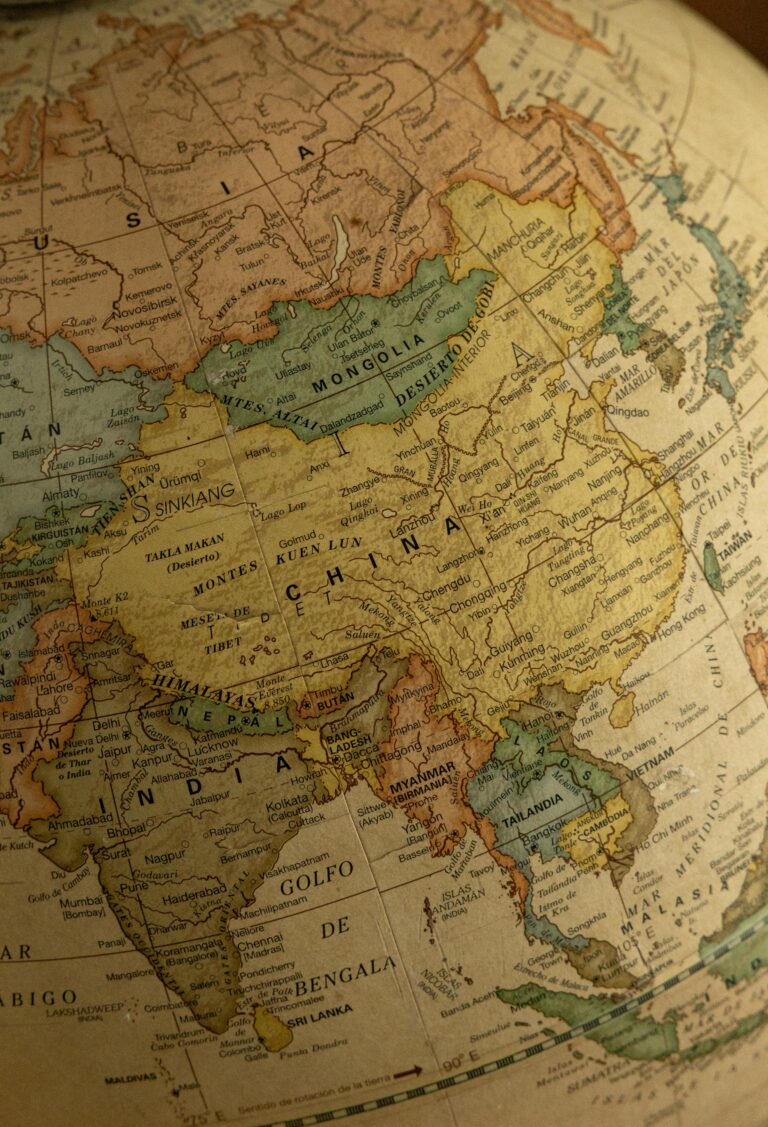
The places most visitors go, including Luang Prabang, Vientiane, Vang Vieng, Nong Khiaw, the Bolaven Plateau and the 4,000 Islands, are outside these zones. Huay Xai, the border town where the Mekong slow boat to Luang Prabang starts, is in Bokeo province but is a normal tourist stop; the warnings refer to the special economic zone and remote border areas, not the town.
Methanol poisoning and drinking safely in Laos
In November 2024, six foreign tourists from Australia, Denmark, the United States and the United Kingdom died after drinking spirits contaminated with methanol at a hostel in Vang Vieng. Lao authorities later banned the sale of Tiger Vodka and Tiger Whisky, the brands suspected in the case. The 2026 charges in the case, which did not directly address the deaths, led Australia to raise its travel advice.
- Avoid free shots and very cheap cocktails, especially in backpacker bars and hostels.
- Stick to beer such as Beerlao, or branded spirits from sealed bottles opened in front of you.
- Skip homemade rice spirit (lao-lao) from unknown sources.
- Know the symptoms. Methanol poisoning can start like a bad hangover, then cause vomiting, abdominal pain and blurred or lost vision, often many hours after drinking. Seek medical help immediately and tell staff you suspect methanol.
- Watch your drink. Drink spiking has also been reported in tourist areas.
Unexploded ordnance (UXO)
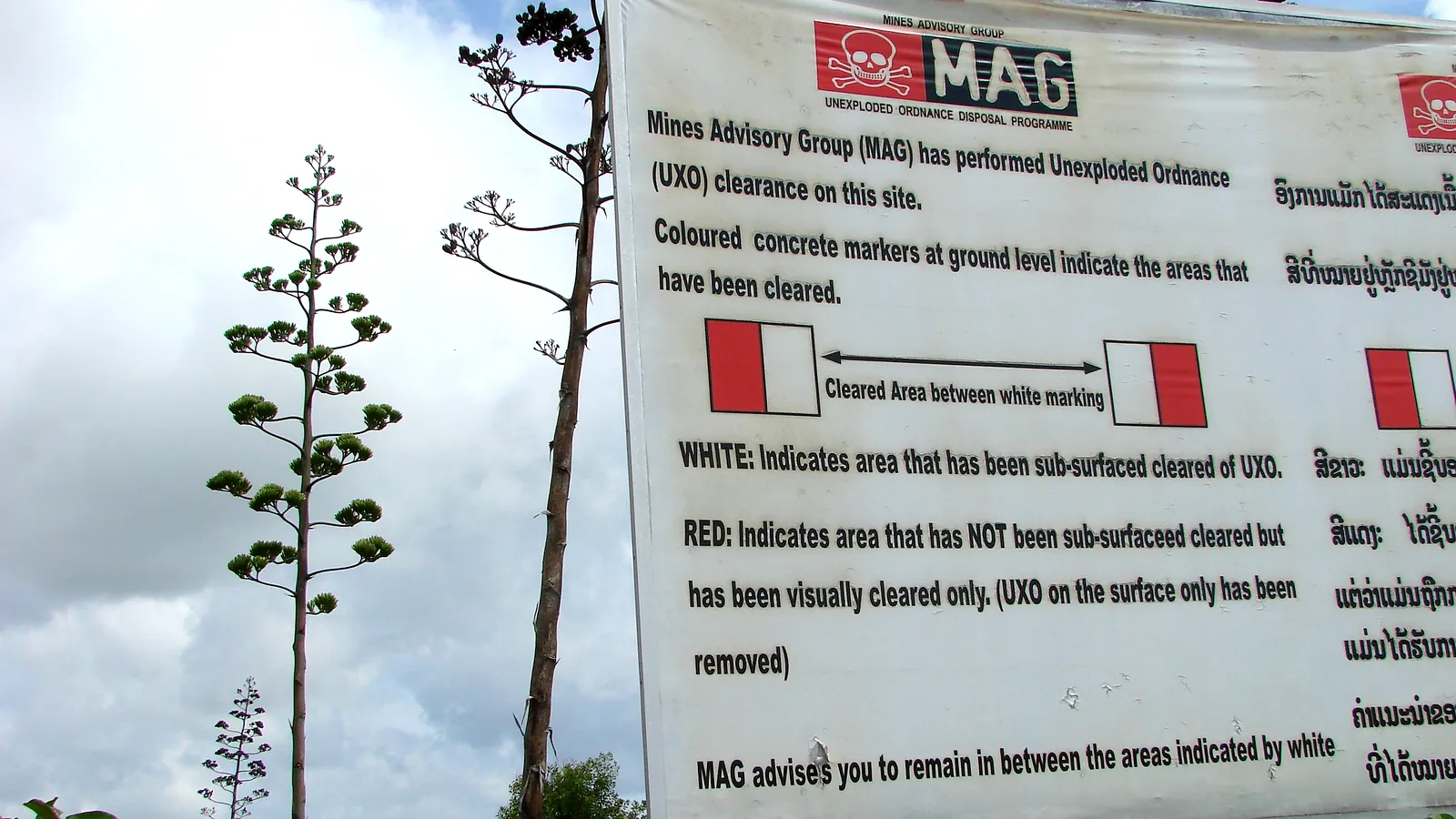
Laos is the most heavily bombed country per person in history, and millions of unexploded cluster bombs and other ordnance from the Indochina War remain in the ground. UXO still kills and injures people every year, mostly in rural areas. The risk is highest in Xieng Khouang (including the Plain of Jars), Savannakhet, Salavan, Khammouane, Sekong, Champasak, Houaphanh and Attapeu provinces, along the Vietnamese border and along Routes 7, 9 and 20.
For travelers the rules are simple: stay on marked paths and roads, do not wander off trails at the Plain of Jars or in the countryside, hike with a local guide, and never pick up or touch unknown metal objects. The risk rises after floods and landslides, which can move ordnance.
Road, motorbike and river safety
For most visitors, transport is a bigger risk than crime. Roads are often narrow, unlit and potholed, with livestock and overloaded vehicles, and medical care after an accident can be far away.
- Avoid traveling by road at night. Choose reputable bus and minivan companies, or the China–Laos railway between Vientiane, Vang Vieng and Luang Prabang, which avoids the mountain road altogether.
- Think twice before renting a motorbike. You need an International Driving Permit and your home licence to be properly licensed, and many travel insurance policies do not cover you otherwise. Wear a helmet.
- Never leave your passport as a deposit for a rental; offer cash or a copy instead.
- River activities. Travelers have died or been seriously injured tubing, kayaking and jumping into rivers, especially in Vang Vieng. Wear a life jacket, check water levels after rain and do not drink before going on the water.
- Boats. Speedboats on the Mekong are fast and dangerous, especially in the dry season when rocks are exposed; the slow boat is the safer option. Avoid river travel after dark.
What are the crime rates in Laos?
Violent crime against tourists is uncommon, although armed muggings have been reported occasionally in Vientiane, Luang Prabang, Pakse and Vang Vieng, usually at night. The most common problem is petty theft:
- Bag snatching from motorbikes. Carry your bag on the side away from the road and do not walk with your phone held out near traffic.
- Theft from rooms and bags in guesthouses and on overnight buses. Use lockers and keep valuables with you.
- Scams around motorbike rentals (claims of damage), inflated transport prices and unofficial “fees” at land borders.
Report crimes to the Tourist Police. In Vientiane the number is 021 251 128; nationwide, police are on 1191 and ambulance on 1195.
Laws that catch tourists out
- Drugs. Possession, trafficking and production can bring long prison sentences or the death penalty. “Happy” pizzas and shakes sold in some backpacker bars may contain opiates or mushrooms and are illegal.
- Vapes and e-cigarettes are illegal; you can be fined or detained.
- Relationships with Lao nationals. Sexual relationships between foreigners and Lao citizens who are not married under Lao law are illegal, and inviting a Lao national of the opposite sex to your hotel room can lead to fines.
- Passport. Carry your passport or a copy, keep the original secure, and make sure it is stamped on entry.
- Respect. Public criticism of the government can get you into trouble and is best avoided; dress modestly at temples and do not touch monks if you are a woman.
Health risks in Laos
Medical care is limited outside Vientiane, and serious cases are often transferred to Thailand, so travel insurance with medical evacuation cover is essential. Dengue fever is a risk all year, especially in the rainy season; use repellent during the day. Rabies is present in dogs, monkeys and bats, and post-exposure treatment can be hard to find, so avoid touching animals and consider a pre-travel vaccine. Malaria occurs in some rural areas. Drink bottled or filtered water. From roughly February to April, smoke from agricultural burning can cause poor air quality in the north, including Luang Prabang.
Is it safe for an American to travel to Laos?
Yes. Americans travel to Laos without particular problems, and the US advice is Level 2, the same level as many popular European destinations. Relations between the two countries are normal, and the US has an embassy in Vientiane. The risks for US citizens are the same as for any visitor: roads, rivers, UXO, alcohol and drug laws. One of the six people who died in the 2024 methanol poisoning was American, which is a reminder to follow the drinking advice above.
Is Laos safe for solo and female travelers?
Laos is popular with solo travelers, and many describe it as one of the calmer countries in the region. Women traveling alone generally report few problems, though the usual precautions apply: avoid walking alone late at night in quiet areas, use registered transport after dark, watch your drink, and be cautious with overly friendly offers in party spots like Vang Vieng. Dressing modestly away from the pool or river is expected and attracts less attention.
Is Vang Vieng safe?
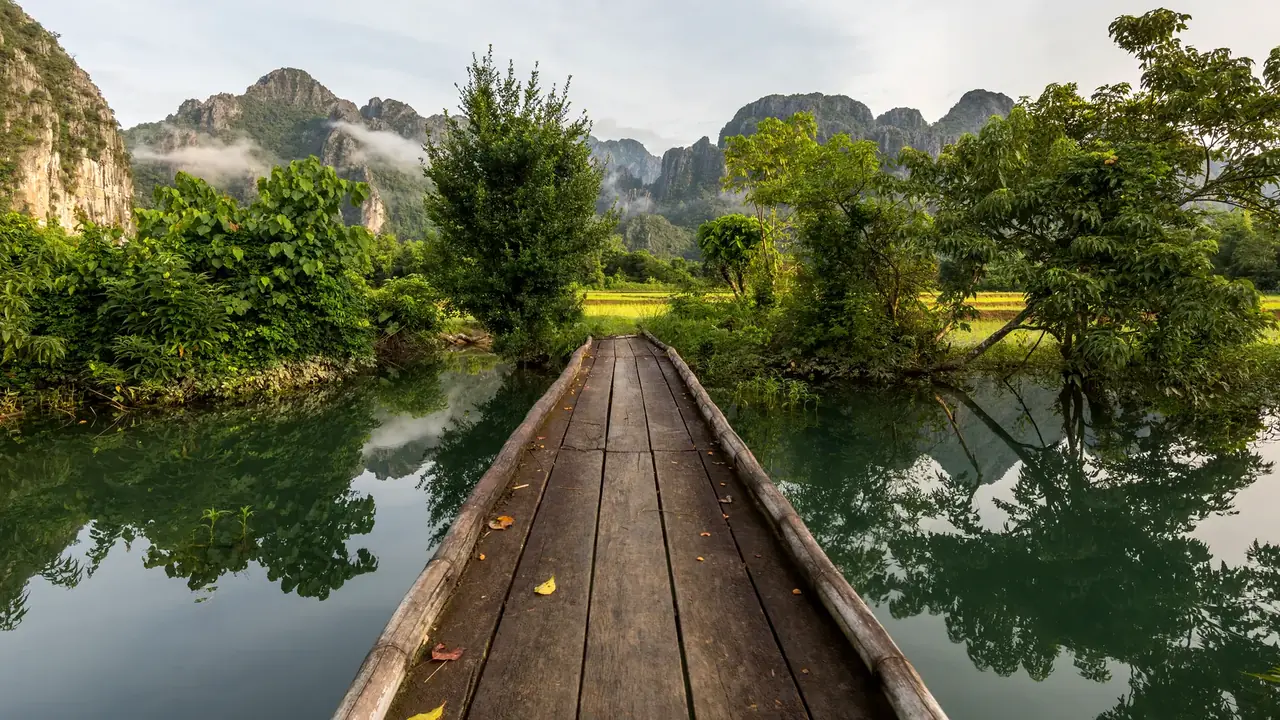
Vang Vieng is much calmer than during its notorious party years, and thousands of people visit for kayaking, caves, hot-air balloons and scenery without incident. It is, however, where most of the country’s tourist risks come together: river activities, scooters on rough roads, cheap alcohol and drugs. If you go, choose established tour operators with life jackets, stay sober on the water, drink only beer or sealed branded spirits, and avoid the “happy” menus.
Which is safer, Laos or Vietnam?
Both are safe for tourists, with different risk profiles. Laos is quieter and has less petty crime and fewer scams in its main towns, but its roads, rural medical care and UXO risk are worse, and governments rate it one step more cautiously. Vietnam has more scams and traffic in big cities but better infrastructure and hospitals. See our guide to whether Vietnam is safe to visit for a direct comparison.
What is the biggest problem in Laos?
For Laos itself, the biggest long-term problems are poverty, heavy public debt and a weakened currency, and the legacy of unexploded ordnance that still blocks farming in parts of the country. For travelers, the practical problems are transport safety, limited healthcare and a currency that has lost much of its value, which mostly makes the country cheaper for visitors. Our Laos currency guide explains how to handle the kip and ATMs.
Is $100 a lot of money in Laos?
Yes. At around 22,700 kip per dollar, $100 is roughly 2.27 million kip, enough for about two to three days on a backpacker budget including a guesthouse, food and local transport. Carrying that much cash is safe enough if you split it between your wallet and your bag. See how much a trip to Laos costs for full daily budgets.
What are the entry requirements for Laos?
Most nationalities can get a visa on arrival at international airports and the main land borders, or apply for an eVisa before travel; some, including many ASEAN citizens, need no visa for short stays. Your passport should be valid for at least six months, and you should carry passport photos and clean US dollar notes for the visa fee. Make sure your passport is stamped when you enter, because missing stamps can lead to fines. Rules change, so confirm on the official Lao eVisa site or with your embassy before you go.
Is Laos an Islamic country?
No. Most Lao people are Theravada Buddhists, and many also follow traditional spirit beliefs; Muslims are a very small minority. Laos is officially a secular, one-party communist state. You will see monks and temples everywhere, and the morning alms-giving ceremony in Luang Prabang is one of the country’s best-known sights; watch it quietly and from a distance.
Safety tips for Laos
- Buy travel insurance that covers medical evacuation and the activities you plan to do.
- Avoid free shots and cheap spirits; drink beer or sealed branded bottles.
- Do not travel by road or river after dark.
- Wear a life jacket on the water and a helmet on a scooter.
- Stay on marked paths in rural areas because of UXO.
- Keep bags away from the road side and use guesthouse lockers.
- Never leave your passport as a rental deposit.
- Stay well away from drugs and vapes.
- Carry cash in kip; ATMs are scarce outside towns.
Planning the rest of your trip? Read our Kuang Si Falls guide or browse all our Laos travel guides.
Traveling on to Cambodia? Read our guide to whether Cambodia is safe.
FAQ
Is Luang Prabang safe?
Yes. Luang Prabang is one of the safest and calmest towns in Southeast Asia. The main issues are occasional bag snatching, scooter accidents and poor air quality during the burning season from February to April.
Is it safe to drink the tap water in Laos?
No. Drink bottled or filtered water. Ice in restaurants and cafés in tourist areas is usually made from purified water.
Is the Plain of Jars safe to visit?
Yes, at the main sites that have been cleared of UXO. Walk only on the paths marked by the small concrete markers: the white-painted side faces ground cleared below the surface, the red side faces ground that has only been surface-checked. Do not wander into surrounding fields.
Do I need travel insurance for Laos?
Yes. Hospitals are basic, payment is often required upfront, and serious cases are usually evacuated to Thailand, which can cost tens of thousands of dollars without insurance.