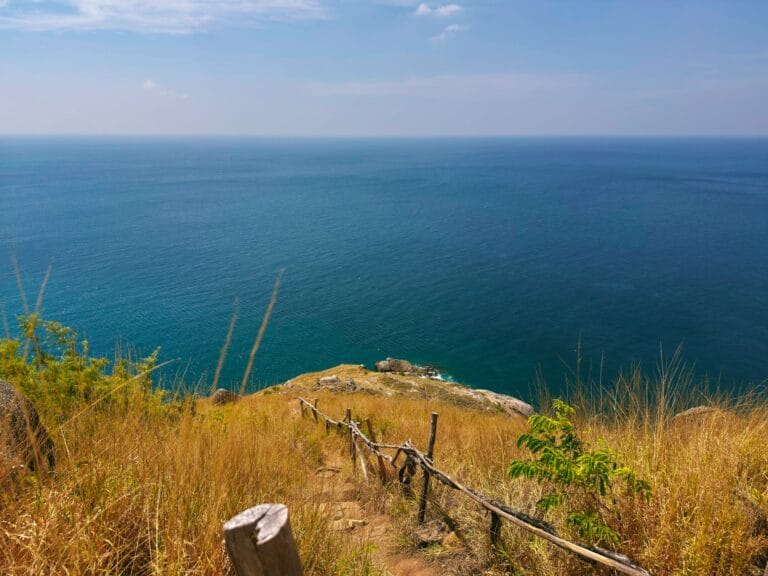
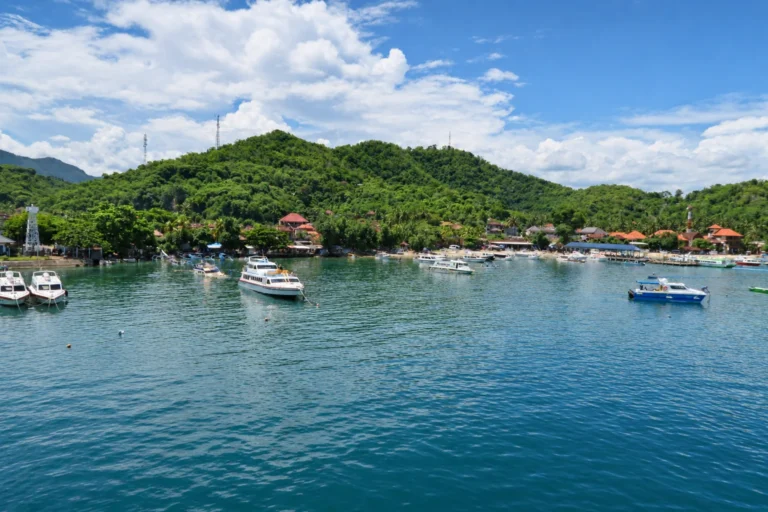
The best time to visit Cambodia is from November to February, the cool dry season, when skies are clear, rain is rare and daytime highs in Siem Reap are around 30–31°C. March and April are dry but very hot, often reaching 36°C or more. The rainy season runs from May to October, with the heaviest rain in August to October; it brings short afternoon downpours, green landscapes, fewer crowds at Angkor Wat and lower hotel prices.
Best time to visit Cambodia: quick answer
| Period | Weather | Best for | Downsides |
|---|---|---|---|
| November–February | Dry, sunny, least humid; highs about 30–34°C | Angkor Wat, cities, the coast and islands | Busiest and most expensive |
| March–April | Dry and very hot; highs about 36°C | Beaches, Khmer New Year | Draining heat at the temples, dusty landscapes |
| May–July | Rainy season starts; showers mostly in the afternoon | Low prices, green scenery, quiet temples | Humid, some rough seas on the coast |
| August–October | Wettest months, 15–18 rainy days | Lush countryside, full moats at Angkor, Tonle Sap at its fullest | Flooded rural roads, choppy boat crossings |
Cambodia weather by month
Cambodia is hot all year, so the seasons are defined by rain rather than temperature. The table shows long-term averages for Siem Reap, the base for Angkor Wat; Phnom Penh is similar, and the coast is slightly cooler with more rain in the wet season.
| Month | Average high | Rainfall | Rainy days | Verdict |
|---|---|---|---|---|
| January | 31°C | 1 mm | 1 | Excellent |
| February | 34°C | 9 mm | 2 | Very good, getting hot |
| March | 36°C | 28 mm | 4 | Good if you handle heat |
| April | 36°C | 64 mm | 7 | Hottest month |
| May | 34°C | 146 mm | 15 | Rains begin |
| June | 33°C | 166 mm | 15 | Green season |
| July | 32°C | 186 mm | 18 | Green season |
| August | 32°C | 224 mm | 18 | Wet but workable |
| September | 31°C | 250 mm | 18 | Wettest month |
| October | 31°C | 215 mm | 15 | Wet, rains easing late in the month |
| November | 31°C | 61 mm | 6 | Excellent, landscapes still green |
| December | 30°C | 7 mm | 2 | Excellent, peak season |
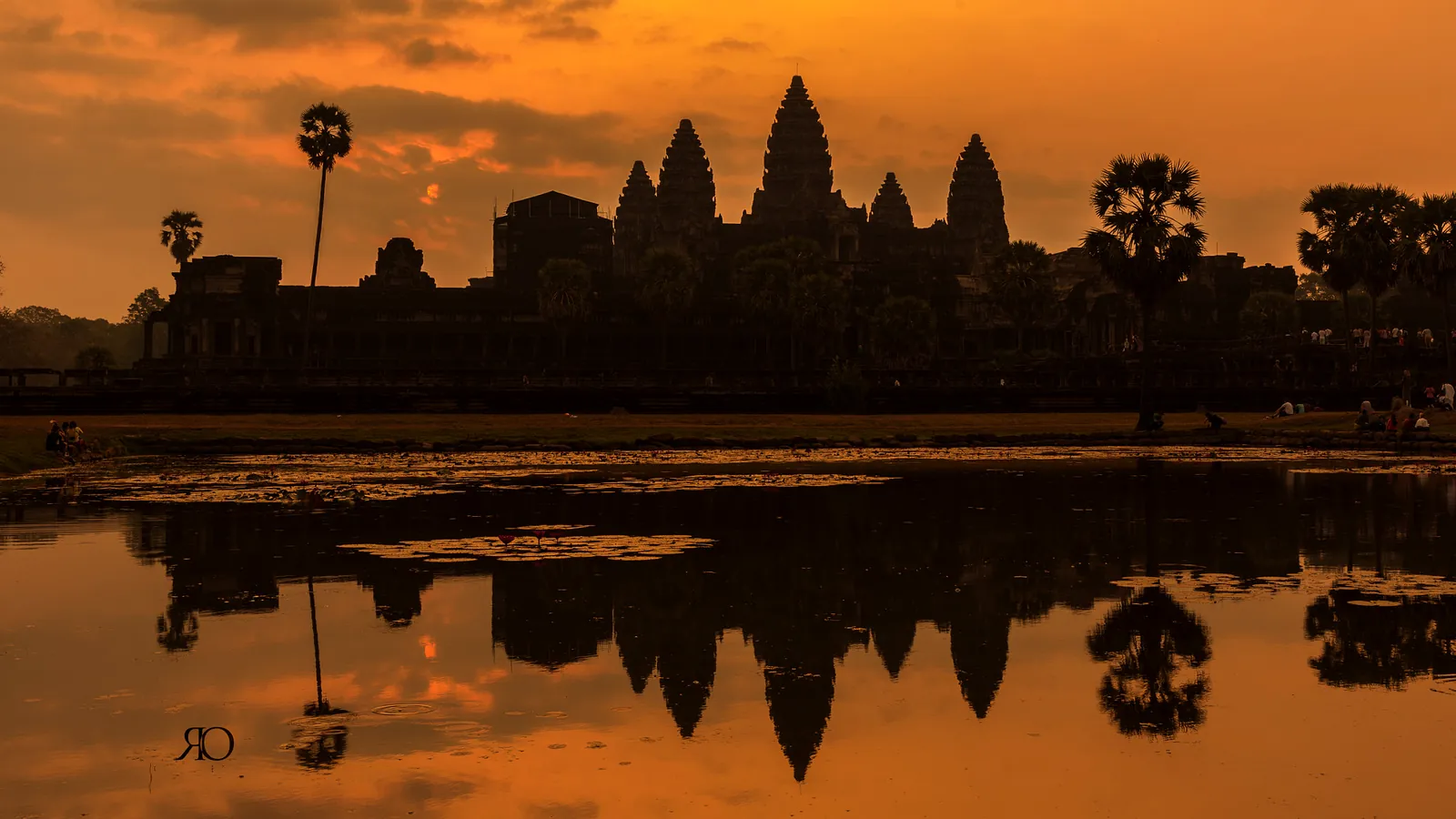
What is the best season to visit Angkor Wat?
For comfortable sightseeing, November to February is best: mornings are cool enough to walk around the big temples, sunrise skies are usually clear and the roads between sites are dry. December and January are the busiest months, so start early and visit the most popular temples outside the 9:00–11:00 peak.
The late rainy season, from September to early November, is the best time for photographers: the moats and reflecting pools are full, the jungle is deep green and there are far fewer visitors. March to May is the hardest time to explore Angkor because of the heat; plan temple visits for early morning and late afternoon and rest in the middle of the day.
Before you go, read our guide to Angkor Wat tickets for current pass prices and opening hours.
Cool dry season: November to February
This is high season for good reason. Rain is rare after mid-November, humidity drops, and evenings can feel pleasantly fresh, especially in December and January. It is the best time for combining Siem Reap, Phnom Penh, Battambang and Kampot with time on the islands, where seas are calm and clear. Expect higher hotel prices and the biggest crowds, especially around Christmas, New Year and Chinese New Year.
Hot season: March to May
From March, temperatures climb and April is the hottest month, with highs of about 36°C and afternoons that regularly feel hotter. The countryside turns brown and dusty and the Tonle Sap lake drops to its lowest level. It is a good time for the beaches and islands, where sea breezes help, and for experiencing Khmer New Year in mid-April, but temple days need careful planning. The first storms usually arrive in May.
Rainy season: May to October
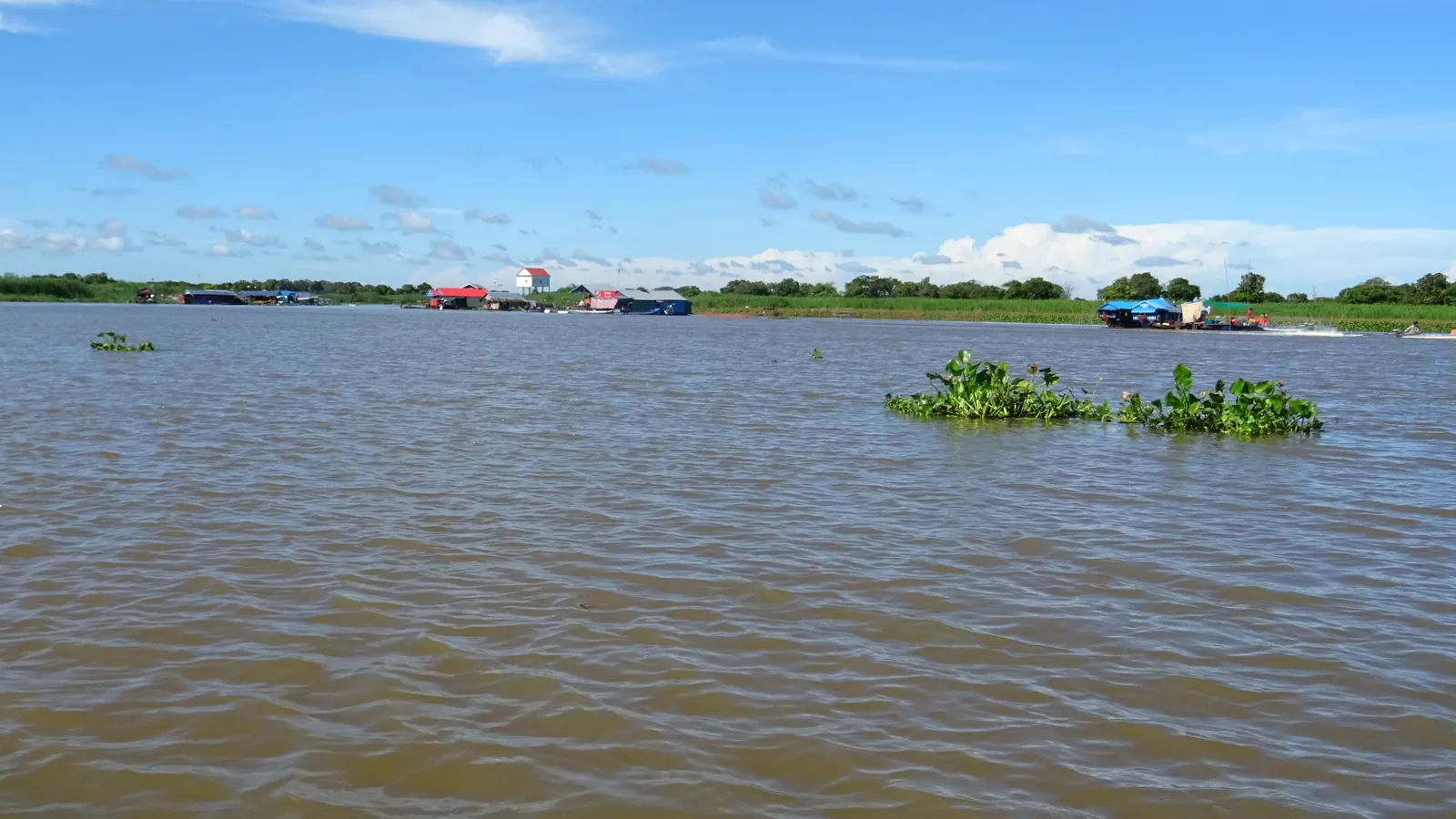
The “green season” is underrated. Rain usually falls as heavy showers in the afternoon or evening rather than all day, especially early in the season, and mornings are often sunny. Rice fields are bright green, waterfalls flow, and the Tonle Sap swells to several times its dry-season size, which makes boat trips to floating villages more interesting. Prices for hotels and tours are lower and Angkor is much quieter.
The trade-offs are humidity, muddy rural roads that can make remote temples such as Koh Ker or Preah Vihear harder to reach, occasional flooding, and rougher seas that can disrupt boats to Koh Rong and Koh Rong Samloem, especially from July to September.
What is the weather like in Cambodia in June?
June is early rainy season. Expect highs of about 33°C, high humidity and rain on around half the days, usually as a short, heavy downpour in the afternoon. Mornings are often clear, so temple visits and sightseeing work well if you start early. It is a good month for travelers who want low prices and few crowds and do not mind getting wet occasionally.
Is Cambodia good in August?
Yes, if you plan around the rain. August is one of the wettest months, with roughly 18 rainy days in Siem Reap, but showers rarely last all day. Angkor is quiet and photogenic, the countryside is at its greenest, and hotel prices are low. The coast is the weak point: seas around Sihanoukville and the islands can be rough, and some boat crossings may be cancelled. If beaches are a priority, Cambodia’s dry season or the Gulf of Thailand islands in other countries may suit August better.
What is the cheapest month to go to Cambodia?
May to September are usually the cheapest months. Hotels in Siem Reap and on the coast cut prices, tours are easier to book, and flights from outside Asia are often cheaper outside the December–January peak. September, the wettest month, is typically the lowest point. For a balance of decent weather and lower prices, consider late October or early November, as the rains ease but before peak-season rates. See how much a trip to Cambodia costs for daily budgets.
Best time to visit the Cambodian coast and islands
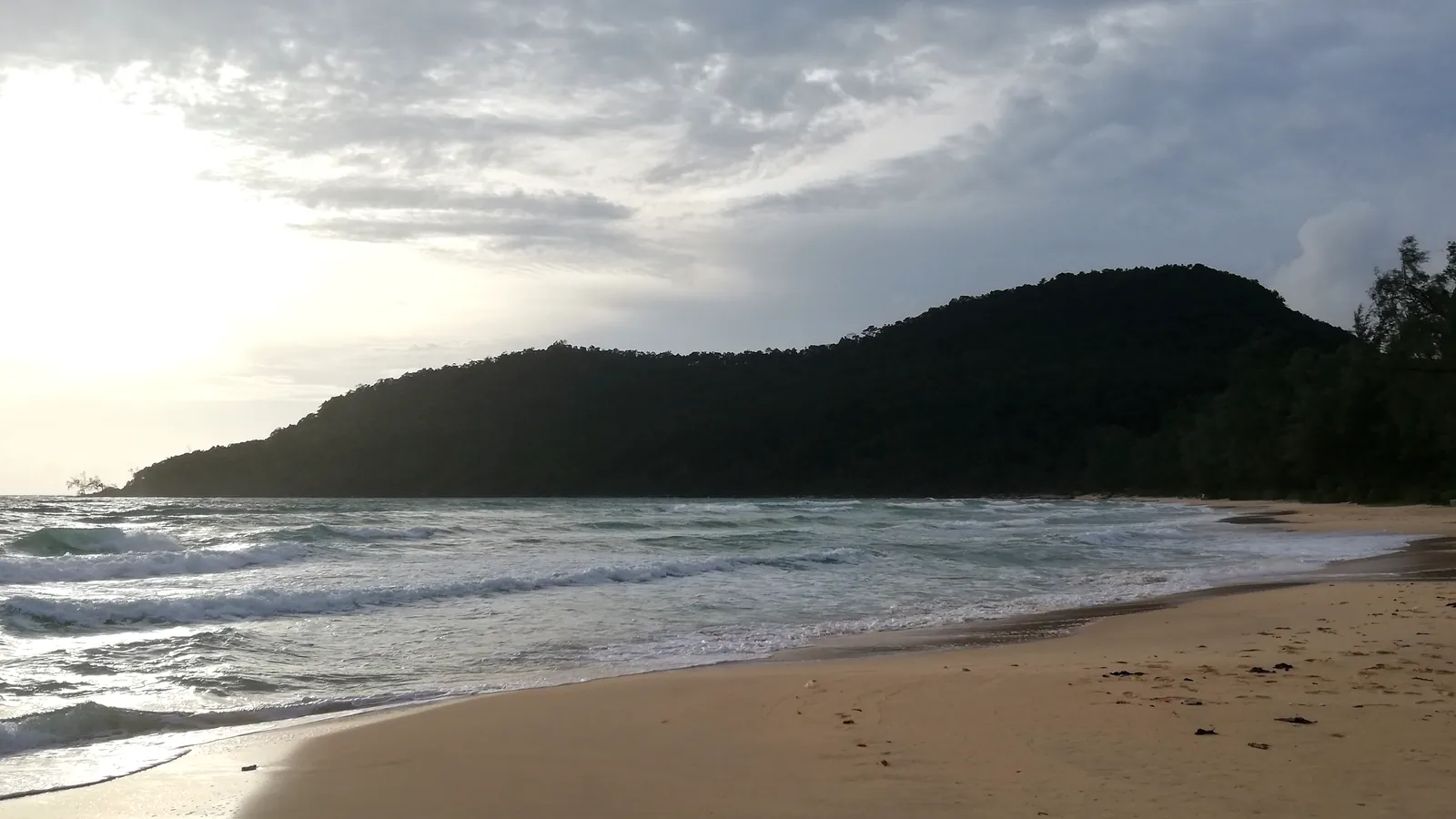
For Kep, Kampot, Koh Rong and Koh Rong Samloem, the best months are November to April, when the sea is calm and visibility is good for swimming and snorkelling. The southwest monsoon brings more rain and wind to the coast than to Siem Reap, so June to September can mean grey days, rough crossings and some island businesses closing for the low season.
Festivals and holidays in Cambodia
| Festival | When | What it means for travelers |
|---|---|---|
| Khmer New Year | Mid-April (14–16 April in 2026) | Water throwing, family celebrations; many Cambodians travel, so book transport early and expect some closures |
| Pchum Ben | September or October (10–12 October in 2026) | Ancestor festival; busy pagodas, crowded buses, some businesses closed |
| Water Festival (Bon Om Touk) | October or November (23–25 November in 2026) | Traditionally boat races in Phnom Penh; the main Phnom Penh events were suspended for 2026, but the holiday remains |
| Chinese New Year | January or February | Busy with regional tourists, higher hotel prices in Siem Reap |
Is 7 days enough for Cambodia?
Seven days is enough for the highlights: three days in Siem Reap for Angkor, two days in Phnom Penh, and either a day trip or two nights in Kampot and Kep. With 10–14 days you can add Battambang, the islands or a slower pace in the countryside. In the hot season, allow extra time, because long midday breaks make sightseeing days shorter.
What is the most beautiful part of Cambodia?
The Angkor temples around Siem Reap are the country’s best-known and most impressive sight. Beyond them, the riverside towns of Kampot and Kep, with pepper farms and the Bokor plateau, the white-sand beaches of Koh Rong Samloem, and the jungle and waterfalls of Mondulkiri in the east are often named as the most beautiful areas. The countryside is at its best in the late rainy season, when the rice fields are green.
Can a woman wear shorts in Cambodia?
Yes, in towns, on beaches and in most tourist areas. At temples, including the Angkor complex and the Royal Palace in Phnom Penh, both men and women must cover their shoulders and knees, and staff can refuse entry to visitors who do not. Light trousers, a long skirt or a sarong and a T-shirt are practical in the heat. In rural villages, more modest clothing is appreciated.
Is $100 a lot in Cambodia?
It goes a long way. Most travelers spend about $25–60 a day, so $100 covers one to three days depending on your style, or a single day including a one-day Angkor pass. US dollars are used alongside the riel; read our Cambodia currency guide for which notes to bring and how ATMs work.
Tips for planning your Cambodia trip by season
- Peak season: book Siem Reap hotels and island stays early for December and January.
- Hot season: visit temples from sunrise to about 10:00 and again after 15:00; carry electrolytes.
- Rainy season: pack a light rain jacket, plan outdoor sights for the morning, and allow buffer time for island boats.
- Combining countries: Cambodia, Laos and southern Vietnam share a similar dry season, so a November–February trip works across the region. If you plan to cross a land border with Thailand, check the current status of the crossing before you go.
Looking for a place to stay? Compare hotels in Siem Reap on Booking.com, or browse all our Cambodia travel guides.
Before you book, check our guide to whether Cambodia is safe, including the latest Thai border advice.
FAQ
What is the worst time to visit Cambodia?
It depends on what you dislike most. April is the hardest for heat, and September is the wettest month. Neither is a bad time to go if you plan your days around the weather.
When is monsoon season in Cambodia?
The southwest monsoon brings the rainy season from about May to October, with the heaviest rain from August to October.
Does Cambodia get typhoons?
Cambodia is rarely hit directly by typhoons, but the remnants of storms from the South China Sea can bring heavy rain and flooding, mostly from September to November.
Is November a good time to visit Cambodia?
Yes. November is one of the best months: the rains are ending, the landscape is still green, temperatures are comfortable and the biggest crowds have not yet arrived.