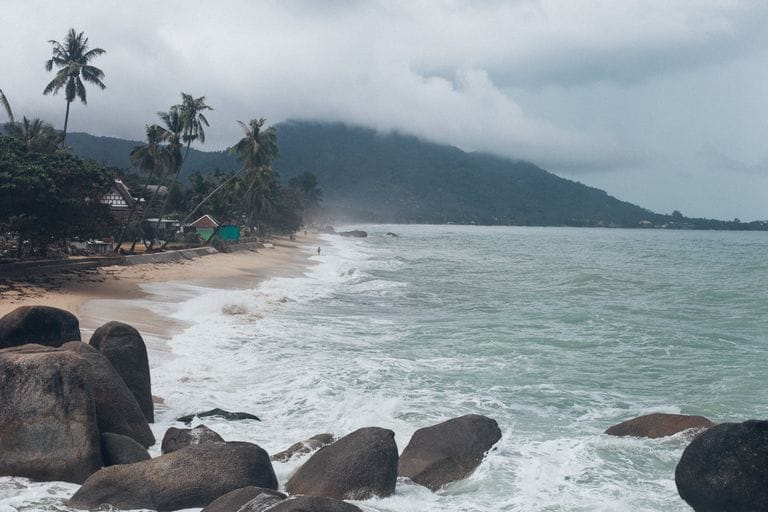
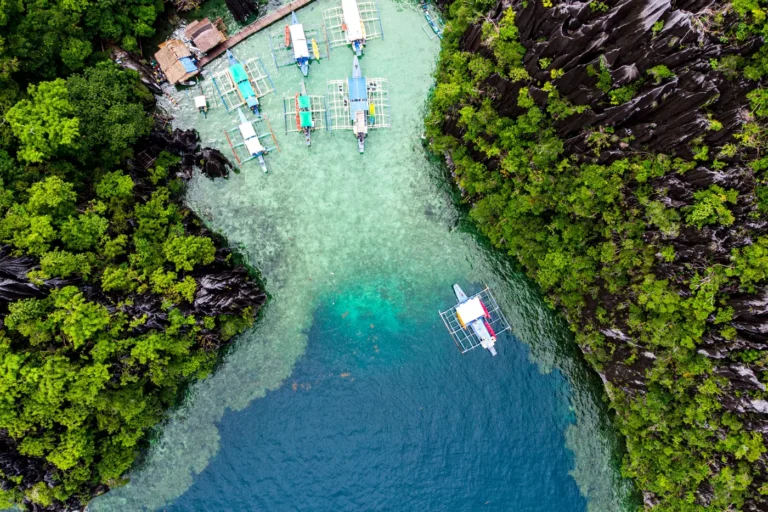
Cambodia is safe for most tourists who stick to the main destinations: Siem Reap and Angkor, Phnom Penh, Kampot and Kep, and the islands. The big exception is the border with Thailand, where armed clashes broke out in 2025; the US and Canada advise avoiding all travel within 50 km of it, and land crossings to Thailand have been closed for long periods. Elsewhere, the main risks are bag and phone snatching, traffic, scams, landmines in remote rural areas and fake job offers linked to scam compounds.
Is Cambodia safe? Quick answer
| Overall | Safe for tourists in the main destinations, with normal precautions |
| US advice | Level 2: exercise increased caution; avoid all travel within 50 km of the Thai border |
| Canada | Avoid all travel within 50 km of the Cambodia–Thailand border |
| Australia | Exercise a high degree of caution overall because of the recent armed conflict |
| Siem Reap, Angkor, Phnom Penh | Outside the border warning zones |
| Main risks | Bag and phone snatching, road accidents, scams, landmines in rural areas, drink spiking |
| Emergency | Police 117, ambulance 119, fire 118 |
Is it safe to travel to Cambodia right now?
Yes, for the usual tourist route, but the situation on the Thai border means you should check advice before you book and again before you fly.
A long-running border dispute between Cambodia and Thailand turned into armed fighting in mid-2025, displacing large numbers of people on both sides. A ceasefire was agreed in late July 2025, but fighting and airstrikes flared again in December 2025, and a further ceasefire in late December did not end tensions. Western governments responded with warnings for the border areas rather than for the whole country:
- United States: Level 2, “Exercise increased caution”, because of crime, unrest and unexploded ordnance, with advice to avoid all travel within 50 km of the Thai border.
- Canada: avoid all travel within 50 km of the Cambodia–Thailand border (updated October 2026).
- Australia: exercise a high degree of caution overall because of the recent armed conflict and related security risks (updated September 2026).
- United Kingdom: advises against all but essential travel to areas close to the Thai border.
Where to avoid in Cambodia
- The Thai border zone. Areas near the border in Oddar Meanchey, Preah Vihear, Banteay Meanchey, Battambang, Pailin, Pursat and Koh Kong provinces. The Preah Vihear temple, which sits on the disputed border, should not be visited while the conflict continues.
- Remote rural areas off marked paths, especially in the northwest, because of landmines and unexploded ordnance.
- Unlicensed casinos and compounds in places such as Sihanoukville and border towns, which are associated with organised crime and online scam operations.
Siem Reap town and the main Angkor temples, Phnom Penh, Kampot, Kep, Kampong Cham, Kratie, Mondulkiri and the islands off the south coast are all outside the border warning zones. If you plan to visit outlying temples in the north, such as Koh Ker, or Battambang’s countryside, check their distance from the border against the latest advice.
Can you cross the land border from Thailand to Cambodia?
Not reliably. Since the 2025 conflict, Thailand has closed the land crossings, including Poipet–Aranyaprathet and Cham Yeam–Hat Lek, for long periods, and cross-border buses between Bangkok and Siem Reap or Phnom Penh have been suspended. Flights between Bangkok and Phnom Penh or Siem Reap have continued to operate. If you are combining the two countries, plan to fly and confirm the current status of any crossing before you travel.
Crime in Cambodia: what tourists should know
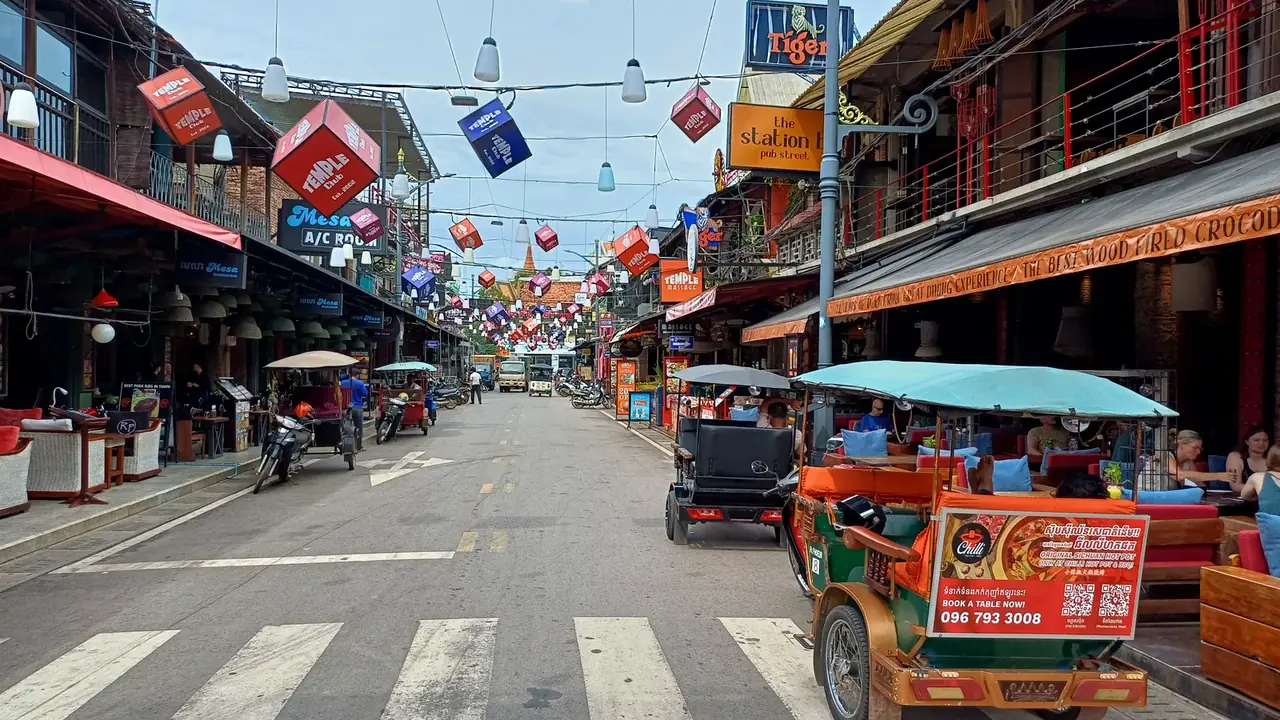
Violent crime against tourists is uncommon. The problem you are most likely to meet is theft:
- Bag and phone snatching by thieves on motorbikes, especially along the Phnom Penh riverside and in Sihanoukville. Keep your phone away from the road side, wear bags across your body, and hold on to your bag in tuk-tuks.
- Pickpocketing in markets, on Pub Street in Siem Reap and in crowded places.
- Drink spiking has been reported in bars in Siem Reap and Sihanoukville. Do not leave drinks unattended.
- Theft from rooms and bags on overnight buses and in cheap guesthouses.
If you are robbed, do not resist. Report it to the tourist police, which you will need for an insurance claim.
Scams and fake job offers
Most tourist scams are minor: tuk-tuk drivers who change the price, unofficial “fees” or touts at borders and airports, fake monks and orphanage visits that exploit children. Agree prices in advance or use ride-hailing apps such as Grab and PassApp, and avoid orphanage tourism entirely.
A far more serious risk is human trafficking into online scam compounds. People from many countries have been lured to Cambodia with offers of well-paid jobs in customer service, IT or marketing, then held in compounds, had their passports taken and been forced to run online fraud. Treat any unsolicited job offer in Cambodia, especially one that comes through social media and includes free flights, with great suspicion.
Landmines and unexploded ordnance
Decades of war left Cambodia one of the most heavily mined countries in the world. Clearance work has made the main tourist areas safe, but mines and unexploded ordnance remain in rural parts of the northwest and along the Thai border, including Battambang, Banteay Meanchey, Pailin, Pursat, Oddar Meanchey and Preah Vihear provinces, and in parts of Siem Reap province away from the temples. Stay on marked paths and roads, use local guides for hiking in rural areas, and never touch anything that looks like ordnance.
Road safety and getting around
Traffic is the biggest everyday danger. Roads are crowded and driving standards are poor, and road deaths are high by international standards. Use reputable bus companies, travel by road in daylight where possible, and avoid renting a motorbike unless you are an experienced rider with a valid licence and insurance that covers it. In cities, tuk-tuks and ride-hailing apps are the safest way to get around. For the most popular route, see our guide to Phnom Penh to Siem Reap.
Health risks in Cambodia
Dengue fever is common, especially in the rainy season, so use insect repellent during the day. Malaria is limited to some remote forested areas. Rabies is present in dogs and monkeys, including the monkeys around some Angkor temples. Drink bottled or filtered water. Medical care is limited outside Phnom Penh and Siem Reap, and serious cases are often evacuated to Bangkok or Singapore, so travel insurance with medical evacuation cover is essential.
Laws to know
- Drugs, including cannabis, are illegal, and trafficking can bring very long prison sentences. “Happy” pizzas and shakes may contain drugs.
- Respect for the monarchy is expected; insulting the King is a criminal offence.
- Dress code at temples: cover shoulders and knees at Angkor, the Royal Palace and pagodas.
- Photography: do not photograph military sites, and ask before photographing monks or people.
Is Thailand or Cambodia safer?
For tourists, both are broadly safe, and the risks are similar: theft, scams and road accidents. Thailand has better infrastructure and healthcare and a larger tourism police presence. Cambodia has more petty theft in its cities and a rural landmine risk. The border conflict affects both sides, so the frontier areas of both countries are best avoided for now. For a cost comparison, see Thailand vs Cambodia travel costs.
Is Vietnam safer than Cambodia?
Slightly, on paper. Vietnam has less snatch theft outside Ho Chi Minh City, better hospitals and no border conflict, although it has more tourist scams in its big cities and heavy traffic. Both are popular with first-time visitors. See our guide to whether Vietnam is safe to visit.
Is Cambodia safe for US citizens?
Yes. The US rates Cambodia at Level 2, the same as many popular destinations, and Americans visit Siem Reap and Phnom Penh in large numbers. The US Embassy in Phnom Penh notes that its ability to help is limited in the border provinces, which is another reason to stay away from those areas.
Is Cambodia US friendly? Are Americans welcome?
Yes. Cambodians are generally warm and welcoming towards visitors of all nationalities, including Americans. The US dollar is used every day alongside the riel, and English is widely spoken in tourist areas. Political relations between governments do not affect how tourists are treated. Our Cambodia currency guide explains how dollars and riel are used.
Is Cambodia safe for solo and female travelers?
Cambodia is a common stop for solo travelers, and women traveling alone generally report few serious problems. Take the usual precautions: use registered tuk-tuks or ride-hailing apps at night, avoid walking alone in quiet areas late, watch your drink in bars, and dress modestly away from the beach. Keep your phone and bag secure, because snatch theft is the most common problem.
Is $100 a lot in Cambodia?
Yes. Most travelers spend about $25–60 a day, so $100 lasts one to three days. Avoid carrying all your cash at once and keep spare money in your hotel safe. See how much a trip to Cambodia costs for daily budgets.
Can a woman wear shorts in Cambodia?
Yes, in towns and at the beach. At temples, the Royal Palace and pagodas, shoulders and knees must be covered, and staff can refuse entry. Carrying a light scarf or sarong makes this easy.
Is Cambodia still communist?
No. Cambodia is a constitutional monarchy with a king as head of state and an elected parliament, and it has a market economy. In practice, one party, the Cambodian People’s Party, has dominated politics for decades. The communist Khmer Rouge regime, whose history you can learn about at Tuol Sleng and Choeung Ek in Phnom Penh, ruled from 1975 to 1979.
Safety tips for Cambodia
- Check your government’s advice for the Thai border before you travel.
- Fly between Thailand and Cambodia rather than planning a land crossing.
- Keep phones and bags away from the road side.
- Agree tuk-tuk fares in advance or use Grab or PassApp.
- Travel by road in daylight with reputable companies.
- Stay on marked paths in rural areas.
- Ignore unsolicited job offers in Cambodia.
- Get travel insurance that covers medical evacuation.
Planning when to go? Read our guide to the best time to visit Cambodia, or browse all our Cambodia travel guides.
FAQ
Is Siem Reap safe right now?
Yes. Siem Reap town and the Angkor Archaeological Park are outside the border warning zones, and tourism has continued normally. The usual cautions on petty theft and traffic apply.
Is Phnom Penh safe?
Yes, with care. Bag and phone snatching is the main problem, especially along the riverside and at night. Use ride-hailing apps after dark.
Is Sihanoukville safe?
The town has a reputation for casinos, construction and crime, and it is mostly a transit point for the islands. Pass through by day and head to Koh Rong or Koh Rong Samloem.
Is it safe to drink tap water in Cambodia?
No. Drink bottled or filtered water. Ice in restaurants in tourist areas is generally made from purified water.