The best things to do in Siem Reap are watching sunrise at Angkor Wat, exploring the Bayon and Ta Prohm, taking a day trip to Banteay Srei or Phnom Kulen, visiting a stilt village on the Tonle Sap lake, seeing the Phare circus and eating your way around the Old Market and Pub Street. Most travelers spend two days at the temples and one or two days on everything else. Temple entry needs an Angkor Pass ($37 for one day, $62 for three days, $72 for seven days); most other activities cost $5–40.
Things to do in Siem Reap at a glance
| Activity | Typical cost | Time needed |
|---|---|---|
| Angkor Wat at sunrise | Angkor Pass from $37 | 3–4 hours |
| Angkor Thom, Bayon and Ta Prohm | Included in the pass | Half a day |
| Banteay Srei and outer temples | Pass plus about $20–25 tuk-tuk | Half to full day |
| Phnom Kulen | About $20 entry plus transport | Full day |
| Tonle Sap stilt village | About $15–35 per person on a tour | Half day |
| Phare, the Cambodian Circus | About $18–38 | Evening, about 1 hour |
| Khmer cooking class | About $15–35 | 3–4 hours |
| Countryside cycling or quad bikes | Bikes $2–5; tours $15–65 | 2–4 hours |
| Old Market, night market and Pub Street | Free to browse | Evening |
1. Watch sunrise at Angkor Wat
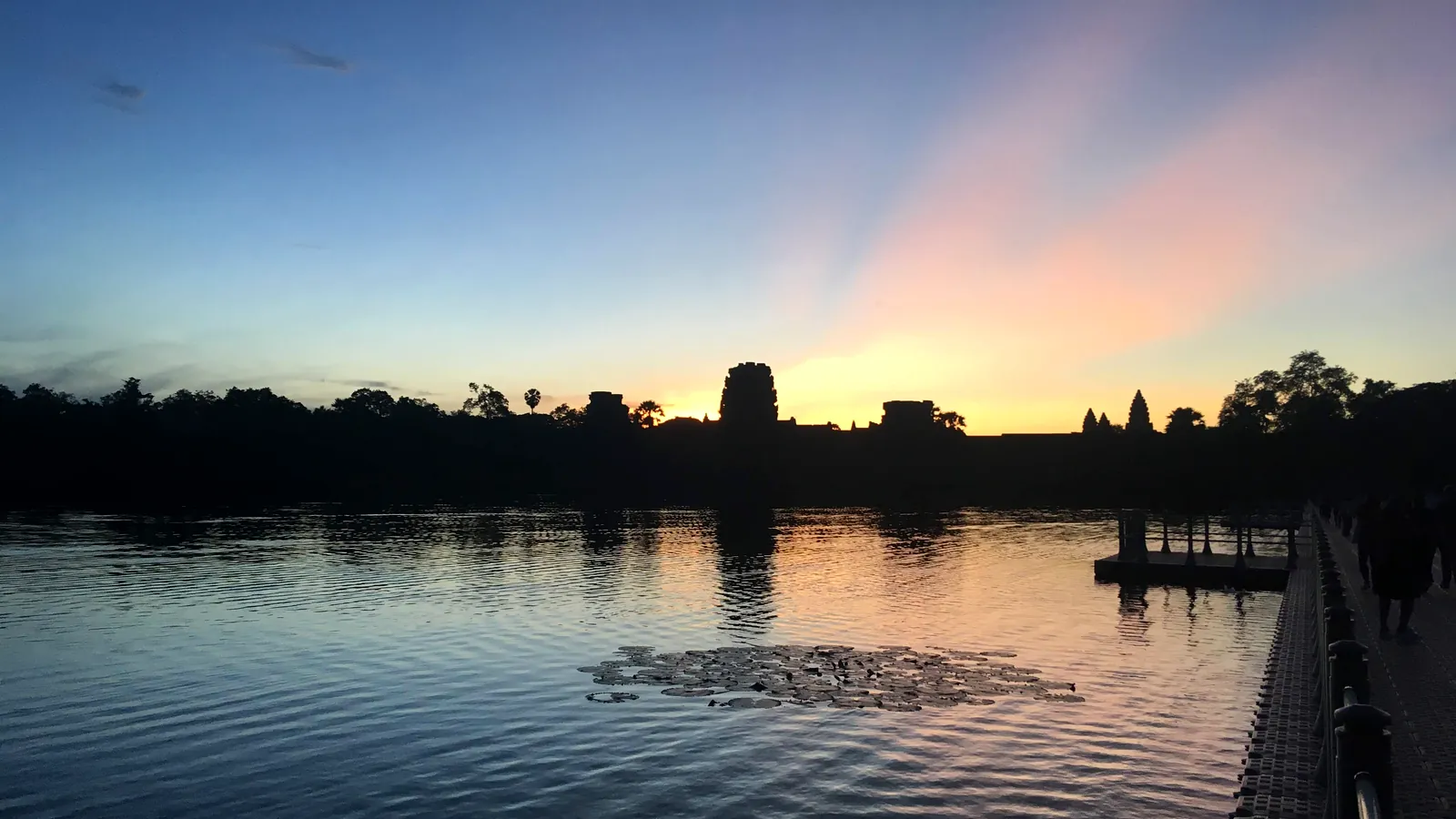
The classic first morning: arrive around 5:00–5:15 to find a spot by the reflecting pools on the left of the main causeway and watch the towers appear against the sky. Afterwards, go inside while many visitors leave for breakfast, and climb to the upper level if it is open. Buy your Angkor Pass online or at the ticket centre beforehand, and cover your shoulders and knees, because guards turn away visitors at the upper levels.
2. Explore Angkor Thom, the Bayon and Ta Prohm
Angkor Thom, the walled royal city, is entered through gates lined with stone gods and demons. At its centre, the Bayon has more than 200 serene stone faces carved into its towers; it is quietest early in the morning. Nearby are the Baphuon and the Terrace of the Elephants. Ta Prohm, the “jungle temple” where trees grow out of the ruins, is best before 8:00 or in the late afternoon. These sites, along with Preah Khan and Banteay Kdei, make up the “small circuit” and “grand circuit” routes most tuk-tuk drivers know.
3. Take a day trip to Banteay Srei, Beng Mealea or Koh Ker
Banteay Srei, about 30–35 km northeast of town, is a small 10th-century temple carved in pink sandstone with some of the finest decoration at Angkor; it is included in the pass. Combine it with the Cambodia Landmine Museum nearby (suggested donation about $5) and, if you have time, the riverbed carvings of Kbal Spean. Beng Mealea, about 65–70 km east, is a vast, collapsed jungle temple that needs a separate ticket. Koh Ker, further north, is a remote pyramid temple; check current border advice before traveling to the far north.
4. Visit Phnom Kulen
Phnom Kulen, a sacred plateau about 50 km north of Siem Reap, is where the Khmer Empire was founded in 802. Highlights are the carved riverbed known as the River of a Thousand Lingas, a giant reclining Buddha at a hilltop pagoda and a waterfall where you can swim. Entry costs about $20 for foreigners and is not included in the Angkor Pass. Go on a weekday to avoid local crowds, and expect the waterfall to be much stronger in and after the rainy season.
5. See a floating village on the Tonle Sap
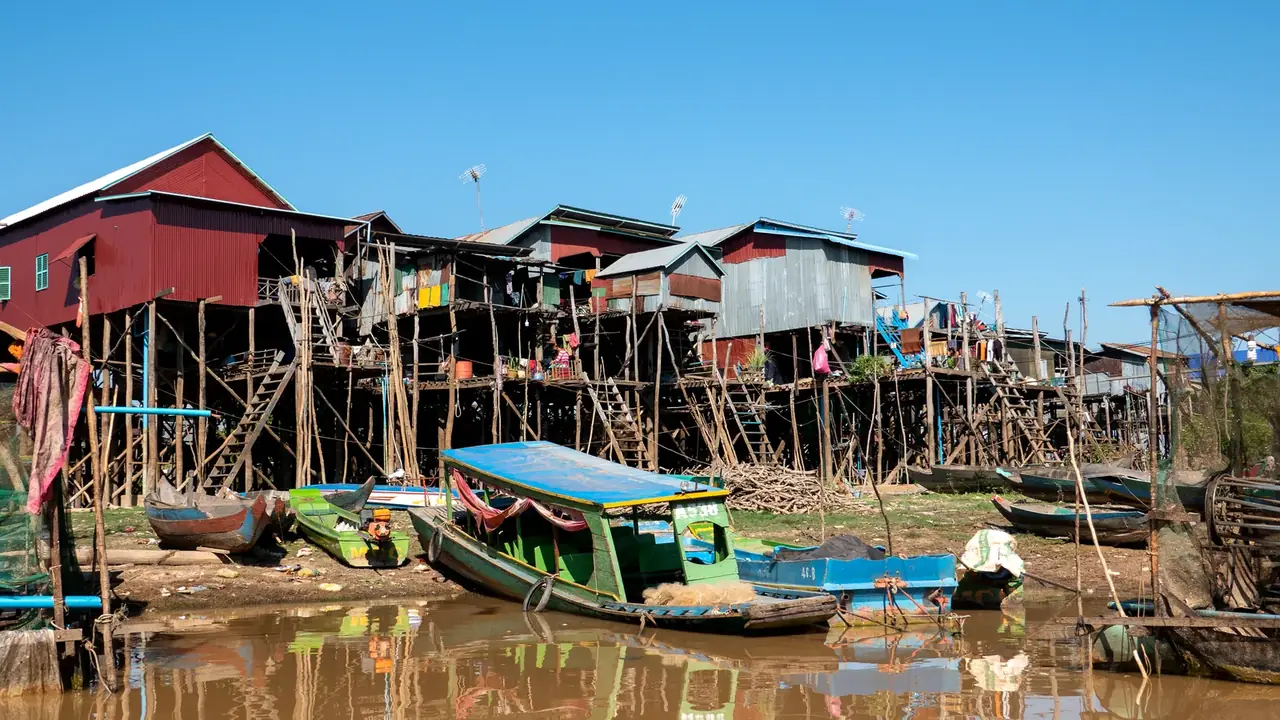
Southeast Asia’s largest lake swells to several times its size in the rainy season, and whole villages live on stilts or floating houses around it. Kampong Phluk, about 30 km from town, is the best choice for most visitors: tall stilt houses, a flooded forest you can paddle through in a small boat and fewer touts. Kampong Khleang, about 50 km away, is larger and less visited. Chong Kneas, the closest village, is known for pushy boat operators, overpriced detours and donation scams, so most guides suggest skipping it. Tours typically cost about $15–35 per person. The water is highest from about September to November; in the dry season you see the stilts in full.
6. Watch Phare, the Cambodian Circus
Phare is not a traditional circus but a theatre show combining acrobatics, dance, live music and storytelling, performed by young artists trained by a Cambodian social enterprise. Shows run most evenings at 20:00 and last about an hour. Tickets cost about $18–38 depending on the section, and the best seats sell out in high season, so book a day or two ahead.
7. Take a Khmer cooking class
Half-day cooking classes cost about $15–35 per person and usually include a market visit, three or four dishes such as fish amok, lok lak and a curry, and the meal itself. Most run in the morning or late afternoon and many offer vegetarian versions.
8. Cycle through the countryside
Rent a bicycle for about $2–5 a day and ride out through rice fields and villages, or join a guided half-day cycling tour for about $15–25. Cycling between the temples is also popular early in the morning. For something louder, quad-bike tours of the countryside cost about $35–65 per person.
9. Explore the markets and Pub Street
The Old Market (Psar Chas) is busiest in the morning with local produce, and its stalls sell grilled fish, noodles and sticky rice. In the evening, Angkor Night Market and the nearby streets are good for souvenirs, while Pub Street turns into the town’s nightlife strip with cheap draught beer, massage shops and restaurants. On weekends, the Made in Cambodia Market by the river sells local crafts, Kampot pepper and palm sugar. Keep your bag closed and your drink in sight in busy bars.
10. Learn about Cambodia’s recent history
The Angkor National Museum explains the history of the Khmer Empire and is a good introduction before visiting the temples. The War Museum displays tanks, artillery and weapons from Cambodia’s conflicts, often with guides who lived through them. The APOPO visitor centre shows how trained rats detect landmines (about $10), and the Cambodia Landmine Museum near Banteay Srei tells the story of mine clearance.
11. Watch an apsara dance show
Traditional apsara dance, inspired by the dancers carved on the temple walls, is performed at several restaurants and hotels in the evening, usually with a buffet dinner for about $25–40. The food is often average; some visitors prefer a stand-alone performance or a show at the Cambodian Cultural Village.
12. Visit Artisans Angkor
This social enterprise trains young Cambodians in traditional crafts such as stone carving, wood carving, lacquerware and silk weaving. Free guided tours of the workshops run during the day, and the shop sells high-quality, if pricey, souvenirs.
Things to do in Siem Reap besides Angkor Wat
If you have had enough of temples, spend a day on the Tonle Sap and in Kampong Phluk, take a cooking class, cycle through the rice fields, visit Phnom Kulen’s waterfall, see Phare in the evening and browse the night markets. Families often add the APOPO centre and a quad-bike or horse-riding tour.
Things to do in Siem Reap at night
Evenings in Siem Reap revolve around Phare, apsara dance dinners, the night markets and Pub Street. For something quieter, walk along the river, have a massage (around $8–15 for an hour), or eat at one of the restaurants in the lanes around Pub Street, Wat Bo and Sok San Road.
Free things to do in Siem Reap
- Walk along the Siem Reap River and through the Royal Independence Gardens.
- Visit Wat Bo and Wat Preah Prom Rath, active pagodas in town.
- Browse the Old Market and night markets.
- Tour the Artisans Angkor workshops.
- Watch sunset over the countryside from the West Baray reservoir (you only pay for transport).
How many days do you need in Siem Reap?
Three days is ideal for most travelers: two days for the main Angkor temples and one for Banteay Srei, Phnom Kulen or the Tonle Sap, plus evenings in town. Four or five days lets you add a cooking class, cycling and a slower pace. With only one full day, focus on sunrise at Angkor Wat, then the Bayon and Ta Prohm.
Sample 3-day Siem Reap itinerary
- Day 1: Sunrise at Angkor Wat, then Angkor Thom and the Bayon; afternoon rest; Ta Prohm late afternoon; Pub Street or the night market.
- Day 2: Banteay Srei and the Landmine Museum in the morning, Preah Khan and Neak Pean in the afternoon; Phare in the evening.
- Day 3: Cooking class or cycling in the morning; Kampong Phluk and the Tonle Sap for sunset.
Getting around Siem Reap
Tuk-tuks are the usual way to reach the temples; drivers charge roughly $15–25 a day for the main temple circuits and more for distant sites. Ride-hailing apps such as Grab and PassApp work in town and make short trips easy. Siem Reap’s airport is about 40–50 km from town; see our guide to getting from Phnom Penh to Siem Reap for airport transfers and bus options.
When to visit Siem Reap
November to February is the most comfortable time, with dry weather and cooler mornings, but also the biggest crowds. The rainy season brings green landscapes, full moats and fewer visitors. See our guide to the best time to visit Cambodia for weather by month, and read is Cambodia safe? before you go.
Looking for a hotel? Compare hotels in Siem Reap on Booking.com.
FAQ
Is Siem Reap worth visiting?
Yes. Angkor is one of the world’s great archaeological sites, and the town itself is relaxed, affordable and easy to get around.
Do I need a guide for Angkor?
No, but a licensed guide makes the carvings and history far more meaningful, especially on your first day. Many visitors hire a guide for one day and explore alone afterwards.
How much money do I need per day in Siem Reap?
Budget travelers manage on about $30–50 a day excluding the Angkor Pass; mid-range travelers spend about $60–120. See how much a trip to Cambodia costs and our Cambodia currency guide.