Bali is generally safe for tourists who take sensible precautions, but it is not risk-free. The practical priorities are scooter accidents, small scams, contaminated alcohol and methanol, dogs and monkeys that can expose you to rabies, rip currents and natural hazards. Do not plan only around violent crime: it does occur, including sexual assault, and official warnings deserve attention.
A safer trip starts with ordinary decisions: use reliable transport, choose accommodation with straightforward access, avoid animal contact and take beach warnings seriously. Budget for these choices when working out how much a trip to Indonesia costs. Saving on a helmet, insurance or a safe ride home is a poor trade-off.
Is Bali safe? Quick answer
| Risk | What to know |
|---|---|
| Overall safety | A practical holiday destination with precautions; conditions and official advice can change. |
| Violent crime | Assault and sexual assault occur. Avoid confrontations and isolated nighttime locations. |
| Petty theft & scams | Protect phones, bags and bank cards; confirm prices before accepting services. |
| Road safety | Scooter crashes can be serious. A rental offer does not establish your legal or insurance cover. |
| Drinks & methanol | Spiking and toxic alcohol are separate dangers; seek urgent help for suspected poisoning. |
| Animals & rabies | Avoid bites and scratches. Any possible exposure needs prompt medical assessment. |
| Beaches & rip currents | Surf beaches are not automatically swimming beaches. Follow lifeguards and warning flags. |
| Volcanoes & earthquakes | Check local alerts, exclusion zones and evacuation routes. |
| Health (Bali belly, dengue) | Use safe drinking water, practise food hygiene and prevent mosquito bites. |
| Solo female travel | Plan transport and accommodation carefully; take harassment and assault risks seriously. |
Current travel advisory for Bali (2026)
Checked 1 October 2026. Bali is covered by Indonesia’s national travel advice. Warnings for distant provinces should not be presented as island-wide restrictions on Bali.
- United States: the State Department advisory, issued 7 July 2026, is Level 2: Exercise increased caution, citing natural disasters, unrest and terrorism. Its higher warning for Central Papua and Highland Papua concerns different islands.
- Australia: Smartraveller advises a high degree of caution across Indonesia. Its page was updated 11 September 2026 and marked current on 1 October.
- United Kingdom: FCDO uses written advice rather than a numbered Bali rating. Its 18 September update removed its previous advice against travel to specified volcanoes, while directing travellers to local exclusion zones and instructions. That is not an assurance that volcano trekking is safe.
Avoid demonstrations, remain alert in crowded places and check the latest advice before you travel. Read the guidance again before any onward travel beyond Bali.
The real risks in Bali
Scooter and road accidents
Bali is a bad place to learn to ride a motorcycle. Traffic, unfamiliar junctions, rain and uneven surfaces demand judgement you cannot gain during a rental handover. The UK advice reports an increase in Bali’s motorbike and moped accidents, including fatal crashes.
Before renting, verify the licence and International Driving Permit requirements for your nationality and vehicle category. Ask your insurer to confirm motorcycle cover, including engine-size restrictions and passenger use. A shop accepting your money proves neither legality nor coverage.
Wear a properly fastened helmet, avoid alcohol and inspect the brakes, lights and tyres. If you lack experience, book a car with a driver. The CDC’s road-safety guidance recommends avoiding motorcycles where possible.
Scams to avoid
Use licensed money changers, inspect the displayed rate and count the rupiah yourself before leaving. Avoid exchanges where an unusually attractive rate comes with confusing handling or unexplained deductions. Keep your bank card in sight and shield your PIN.
Book taxis through an established company or an app, checking the vehicle and driver against the booking. Someone saying they work for an app is not the same as a ride recorded inside it.
For a “free” tour or excursion, ask what is included, whether purchases are expected and what the return journey costs. Decline pressure to pay immediately. Clear written terms are more useful than arguing later about what “free” meant.
Drink spiking and methanol poisoning
Drink spiking can facilitate robbery or assault. Keep your drink with you, watch preparation and leave with trusted company if you feel unexpectedly unwell. Never leave an affected friend alone.
Methanol poisoning comes from contaminated alcohol and can be fatal. It cannot reliably be detected by taste or smell. Avoid homemade spirits, unlabelled drinks and suspiciously cheap cocktails; branded packaging is not a guarantee against counterfeiting.
Headache, vomiting, abdominal pain, unusual drowsiness, breathing changes or blurred vision after drinking require urgent medical attention if poisoning is suspected. Symptoms can be delayed. Do not assume it is a hangover or wait until morning; tell the clinician what you drank. See Smartraveller’s methanol guidance.
Petty theft and bag snatching
In Kuta, Seminyak and Canggu, apply busy-tourist-area precautions around nightlife, shops and roadside pickups. This is not a crime-rate ranking: no comparable neighbourhood figures are used here.
Keep your phone away from the roadside when checking directions. Carry a closed bag away from passing traffic, take only the cash you need and secure valuables at your accommodation. If someone grabs a possession, prioritise getting clear rather than fighting over it.
Monkeys, stray dogs and rabies
At Ubud Monkey Forest and Uluwatu, keep your distance from monkeys, follow staff instructions and avoid feeding or posing with them. Do not approach stray dogs or assume a friendly animal is safe. Children need close supervision around animals.
If bitten or scratched, immediately wash the wound thoroughly with soap and running water and seek medical care without delay. Saliva contacting broken skin, eyes or the mouth also needs assessment. Do not wait for symptoms or for the animal to appear ill.
Previous rabies vaccination does not remove the need for treatment after exposure. Discuss pre-travel vaccination with a travel-health clinician, especially if prompt care may be difficult to reach. The CDC rabies guidance explains why timely post-exposure care matters.
Beaches and rip currents
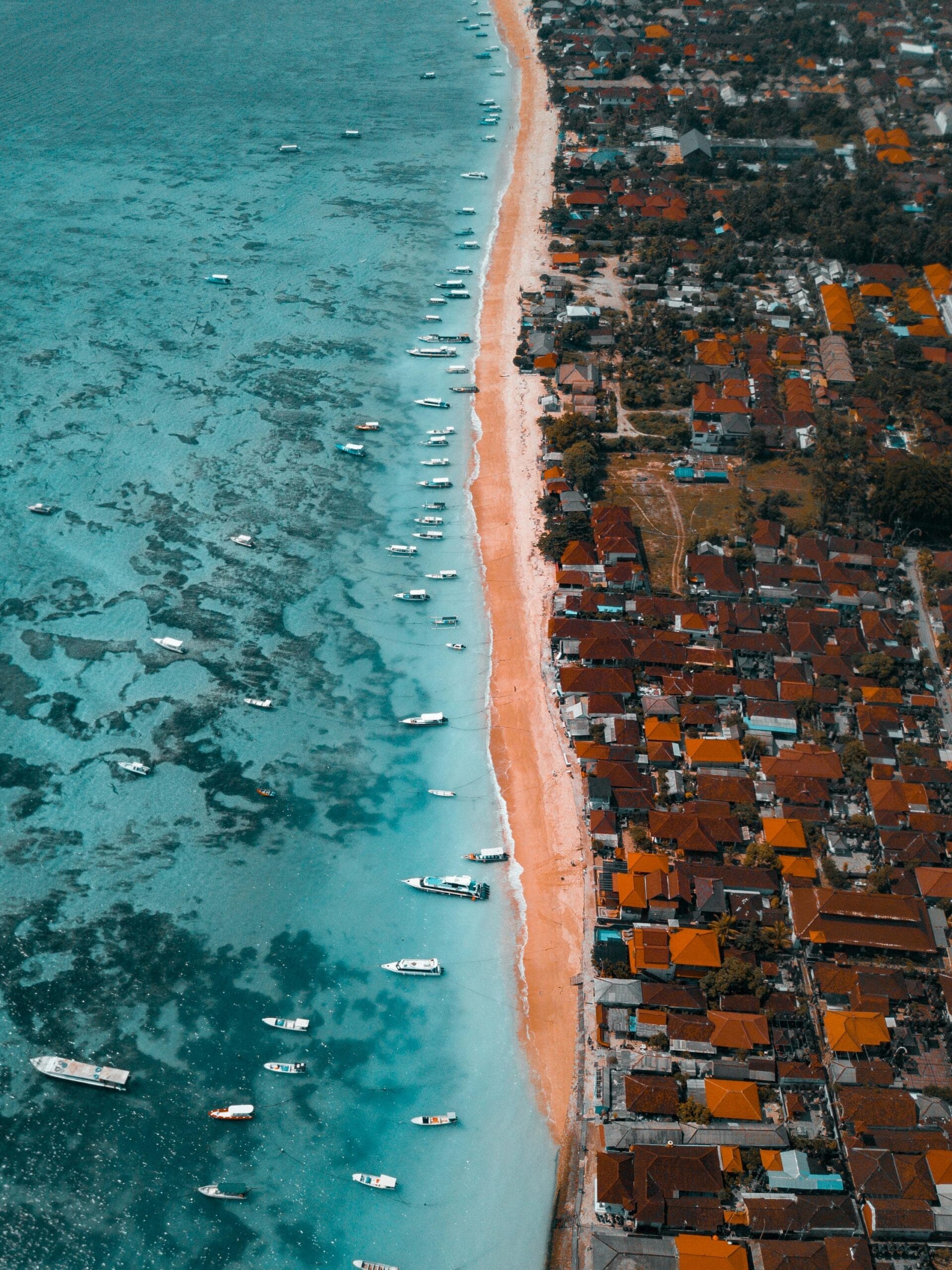
A beautiful beach can still have dangerous surf. Swim only where local conditions and lifeguards indicate it is safe, obey red flags and avoid swimming alone or after drinking. Watch children continuously near water.
If caught in a rip current, do not exhaust yourself swimming directly against it. Float and signal for help; if able, swim out of the current parallel to the shoreline before returning at an angle. Alert rescuers instead of entering dangerous water yourself. These are official rip-current survival principles, not a substitute for local beach advice.
Volcanoes, earthquakes and tsunamis
Do not assume Agung or Batur is open or suitable for your planned hike because a tour is being sold. Check current Indonesian alerts and local access rules before booking and again before departure. No fixed exclusion radius or current alert level is claimed here.
Use MAGMA Indonesia for volcanic information and local authorities for closures. Ash can disrupt flights even away from an eruption. Keep flexibility around important flight connections.
Learn your hotel’s earthquake procedures and the coastal evacuation route. After strong or prolonged shaking near the coast, move inland or uphill following evacuation signs once it is safe to move. Do not approach the sea to watch it. Follow BMKG warnings and avoid flooded roads.
Bali belly, water and dengue
“Bali belly” describes stomach illness rather than one specific diagnosis. Use sealed bottled or properly treated water, including when brushing teeth. Avoid ice if its water source is uncertain, wash your hands and choose food served freshly cooked and hot.
Start replacing fluids if diarrhoea develops; oral rehydration solution can help. Seek medical advice for blood in stools, significant dehydration, persistent vomiting or fever. Children and people with underlying conditions may need help sooner.
Dengue is transmitted by mosquitoes. Use repellent as directed, cover exposed skin and choose screened or air-conditioned rooms. Protection matters during the day as well as after dark.
The CDC Indonesia page also lists a Level 2 Zika notice dated 7 August 2026 involving travellers returning from Bali. Pregnant travellers and anyone planning pregnancy should discuss the current guidance with a clinician before booking.
Is Bali safe at night? Areas to be careful in
Choose a well-lit route and a reliable ride home rather than deciding that an entire resort town is “safe” or “unsafe”. Around Kuta’s nightlife, Seminyak’s bars and Canggu’s late-night venues, watch your drink and belongings and arrange your pickup before leaving.
A quiet villa can mean an isolated final stretch of road. Check the entrance, lighting and pickup access before booking; avoid dark beach walks and shortcuts alone. Check hotels in Bali, then read recent reviews about access and reception arrangements.
Is Bali safe for solo female travellers?
Solo travel is possible, but sexual assault and harassment must not be dismissed as unlikely simply because an area is popular. Official UK advice specifically warns about reported sexual assaults in Bali and Lombok.
Choose accommodation where you can reach staff, share your plans with someone you trust and verify booked drivers. You do not owe strangers your hotel name or an explanation for declining an invitation. If a situation feels uncomfortable, move toward a staffed venue and ask for help.
For a wider itinerary, our guide to is Vietnam safe to visit covers a different destination; do not assume identical risks across Southeast Asia.
Laws that can get tourists in serious trouble
Drug offences can carry lengthy imprisonment or the death penalty. Cannabis, CBD and related products can be illegal even with a prescription from home. Check medication rules before packing and never carry a package for someone else.
At temples, follow the local dress requirements, use a sarong or sash when requested and respect closed sacred areas. Avoid nudity, offensive photographs and interruptions to ceremonies. A place being photogenic does not make it public space for any behaviour.
Indonesia’s revised criminal code includes complaint-based provisions concerning sex outside marriage and cohabitation. Do not confuse these with a universal tourist hotel ban; check the latest advice before you travel if your circumstances raise questions.
The foreign-tourist levy is IDR 150,000 per person, separate from visa fees. Use the official Love Bali service for payment and exemption details. Keep the emailed QR-code voucher available. Do not pay an unsolicited payment link simply because it uses Bali branding.
Practical safety tips for Bali
- Book traceable transport. Use Grab, Gojek or an established licensed taxi where available; match the driver and registration to your booking.
- Check your insurance. Confirm medical evacuation and the activities you actually plan, especially riding, trekking, diving and surfing.
- Arrange mobile data. Download offline maps too. Compare Airalo vs Holafly or Get an Airalo eSIM for Indonesia. Check compatibility and whether the plan includes voice calls.
- Keep document backups. Store a secure passport copy and insurance details separately; check official requirements for carrying original identification.
- Split cash and cards. Keep a backup separate from your daily wallet and enable transaction alerts.
- Save help details offline. Include your accommodation address, insurer and a nearby medical facility.
- Schedule a travel-health consultation. Discuss vaccinations, prescriptions and your individual itinerary before departure.
- Choose fewer rushed transfers. Build time for traffic and weather rather than pressuring a driver or boarding an unsuitable boat.
- Keep your plans flexible. Cancel swimming, hikes or excursions when local conditions deteriorate, even if a booking is prepaid.
Emergency numbers in Bali
These Indonesian emergency numbers were checked against official government travel advice on 1 October 2026. Save them before leaving your accommodation.
| Service | Number |
|---|---|
| Police | 110 |
| Ambulance | 118 |
| Medical emergencies | 119 |
| Fire services | 113 |
Give your exact location and a nearby landmark. If a call does not connect, ask hotel staff to contact the appropriate service immediately. A data-only eSIM may not provide ordinary voice calling; save your insurer’s alternative contact method as well.
FAQ
Is Bali safe for tourists right now?
Bali is generally manageable with sensible precautions, but current advisories still flag serious risks. This guide was checked on 1 October 2026; check the latest advice before you travel.
Is Bali safe for families?
It can be a practical family destination with suitable transport and accommodation. Prioritise pool and beach supervision, safe drinking water, mosquito protection and keeping children away from unfamiliar animals.
Is it safe to rent a scooter in Bali?
Only consider it with appropriate riding experience, legal documentation and confirmed insurance. For a beginner, a car with a driver is the more sensible choice.
Is the water in Bali safe to drink?
Do not drink untreated tap water. Use sealed bottled or properly treated water and avoid ice when you cannot establish its source.
Is Bali safe at night?
Busy areas still require care with drinks, belongings and transport. Avoid isolated routes and book a verified ride rather than walking an unfamiliar dark shortcut.
Is Bali safer than Thailand?
There is no reliable single answer for every traveller or itinerary. Compare your transport, activities and accommodation; our Thailand vs Indonesia and Vietnam vs Indonesia guides help with broader planning rather than a numerical safety ranking.
For costs, routes and more practical planning, explore all our Southeast Asia travel guides.