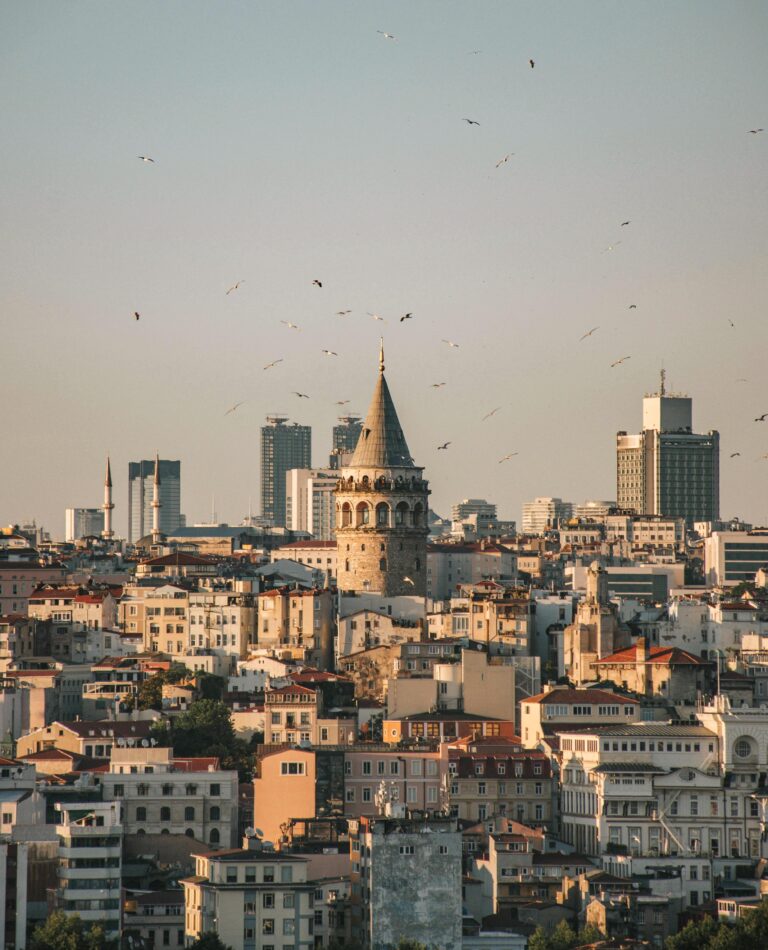
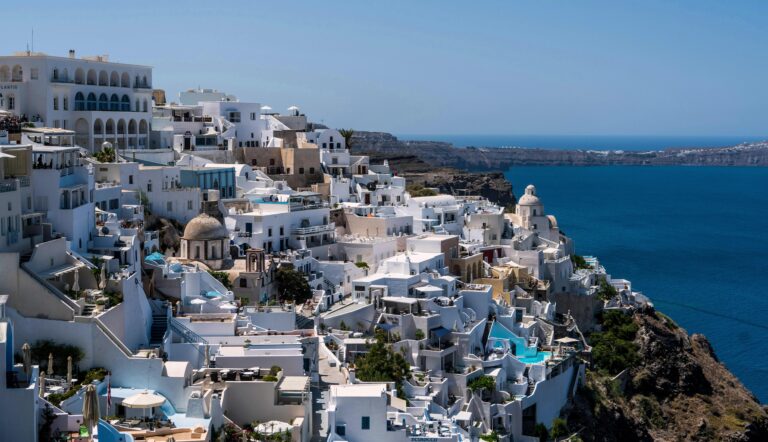
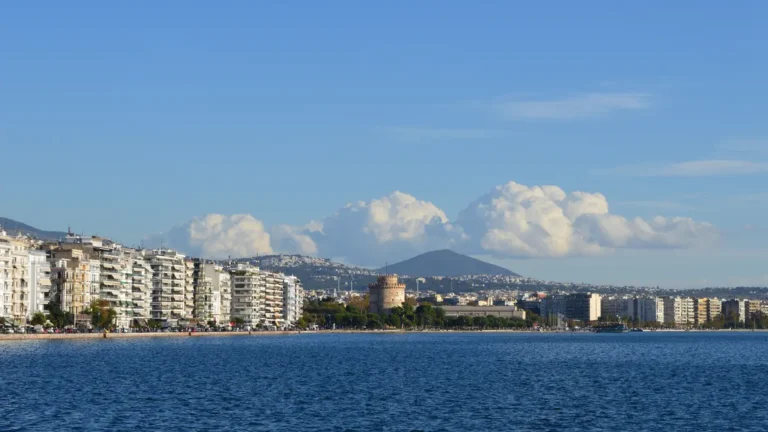
Choose Italy for art, history, food and cities connected by fast trains, especially on a first trip to Europe. Choose Greece for islands, beaches, ancient sites and a slower, cheaper summer holiday. Daily costs in Greece are typically around 15–20% lower than in Italy, although popular islands such as Santorini and Mykonos can be just as expensive. Italy is easier to travel around without a car or ferries, while Greece is better from June to September for swimming. With two weeks, many travellers combine both: they are about two hours apart by plane.
Greece vs Italy at a glance
| Greece | Italy | |
|---|---|---|
| Best for | Islands, beaches, ancient ruins, relaxed summer holidays | Cities, art, museums, food and wine, first trips to Europe |
| Budget per day | About $65–95 budget, $120–180 mid-range | About $80–120 budget, $150–220 mid-range |
| Accommodation | About $35–90 a night | About $45–110 a night |
| Getting around | Ferries and domestic flights for islands; car useful on the mainland | Fast, frequent trains between major cities |
| Flights from the US | Usually more expensive; often one stop | Usually cheaper, with more nonstop routes |
| Beach season | June to September (sea warmest in August–September) | June to September; more city-focused year-round |
| Ideal first trip | Athens plus two or three islands | Rome, Florence and Venice |
Is Greece nicer than Italy?
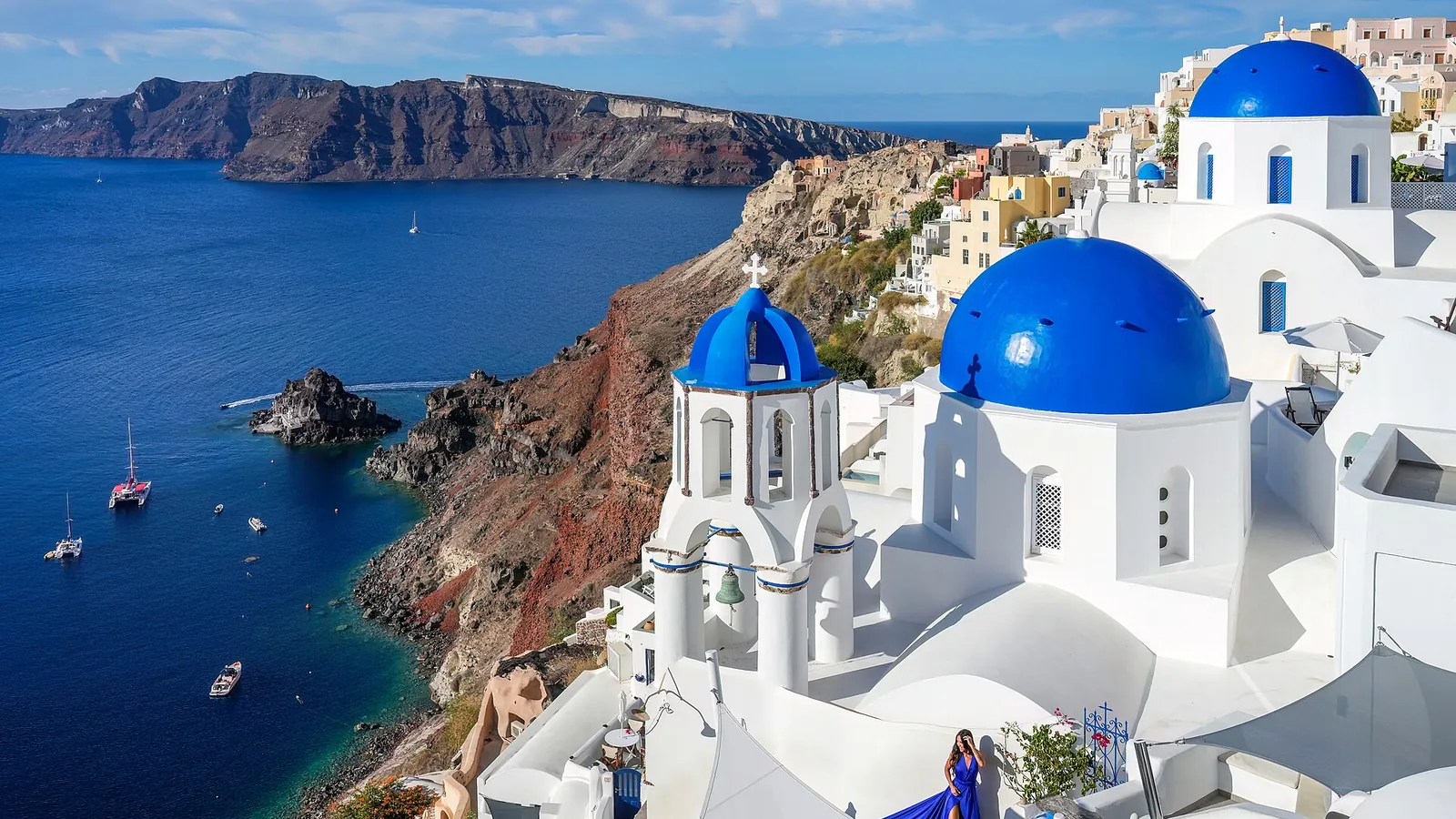
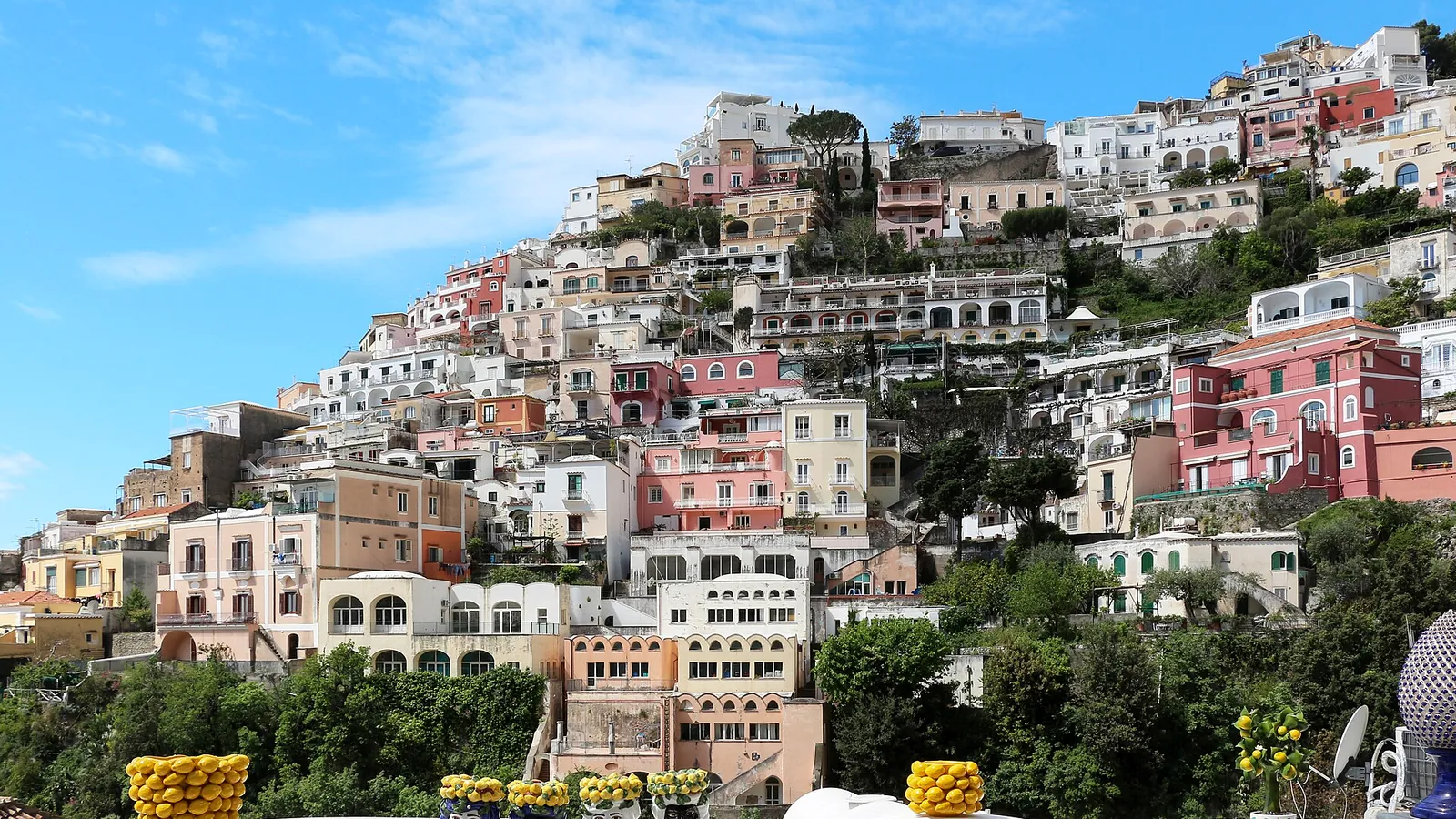
It depends on the holiday you want. Greece is better for the sea: thousands of islands, clear water, whitewashed villages, beach tavernas and a laid-back pace, plus world-famous ancient sites such as the Acropolis, Delphi and Olympia. Italy is better for variety and culture: Rome’s ancient monuments, Renaissance Florence, Venice’s canals, the Amalfi Coast, the Dolomites, Tuscany’s hill towns and Italy’s regional cooking. If your ideal day ends on a beach, pick Greece; if it ends in a piazza after a museum, pick Italy.
Is Greece cheaper than Italy?
Generally, yes. Our Europe cost guide puts a budget day at about $65–95 in Greece and $80–120 in Italy, and a mid-range day at about $120–180 in Greece against $150–220 in Italy. Accommodation and restaurant meals are the main differences: a taverna meal in Greece usually costs less than a trattoria meal in Rome, Florence or Venice. Two exceptions:
- Santorini and Mykonos in July and August can cost two to three times more than Athens or quieter islands, and as much as Italy’s priciest spots.
- Flights from the US are often cheaper to Italy. In a study of autumn and winter 2026–27 fares, the median round trip from the US was about $712 to Italy and $945 to Greece.
Both countries charge tourist taxes on accommodation, and Greece also charges cruise passengers a fee to land on Santorini and Mykonos in peak season. See how much a trip to Greece costs and how much a trip to Europe costs for full budgets.
Beaches and islands
Greece wins clearly. It has thousands of islands, more than 200 of them inhabited, from the famous Cyclades (Santorini, Mykonos, Naxos, Paros, Milos) to Crete, Corfu, Rhodes and Zakynthos. Many beaches are free and public, and you can island-hop by ferry. Italy has beautiful coastlines too, including the Amalfi Coast, Sardinia, Sicily, Puglia and the Cinque Terre, but many beaches are lined with paid beach clubs, and the famous coastal towns are better for views than for swimming. See Naxos vs Paros vs Milos to choose a Greek island.
History, art and culture
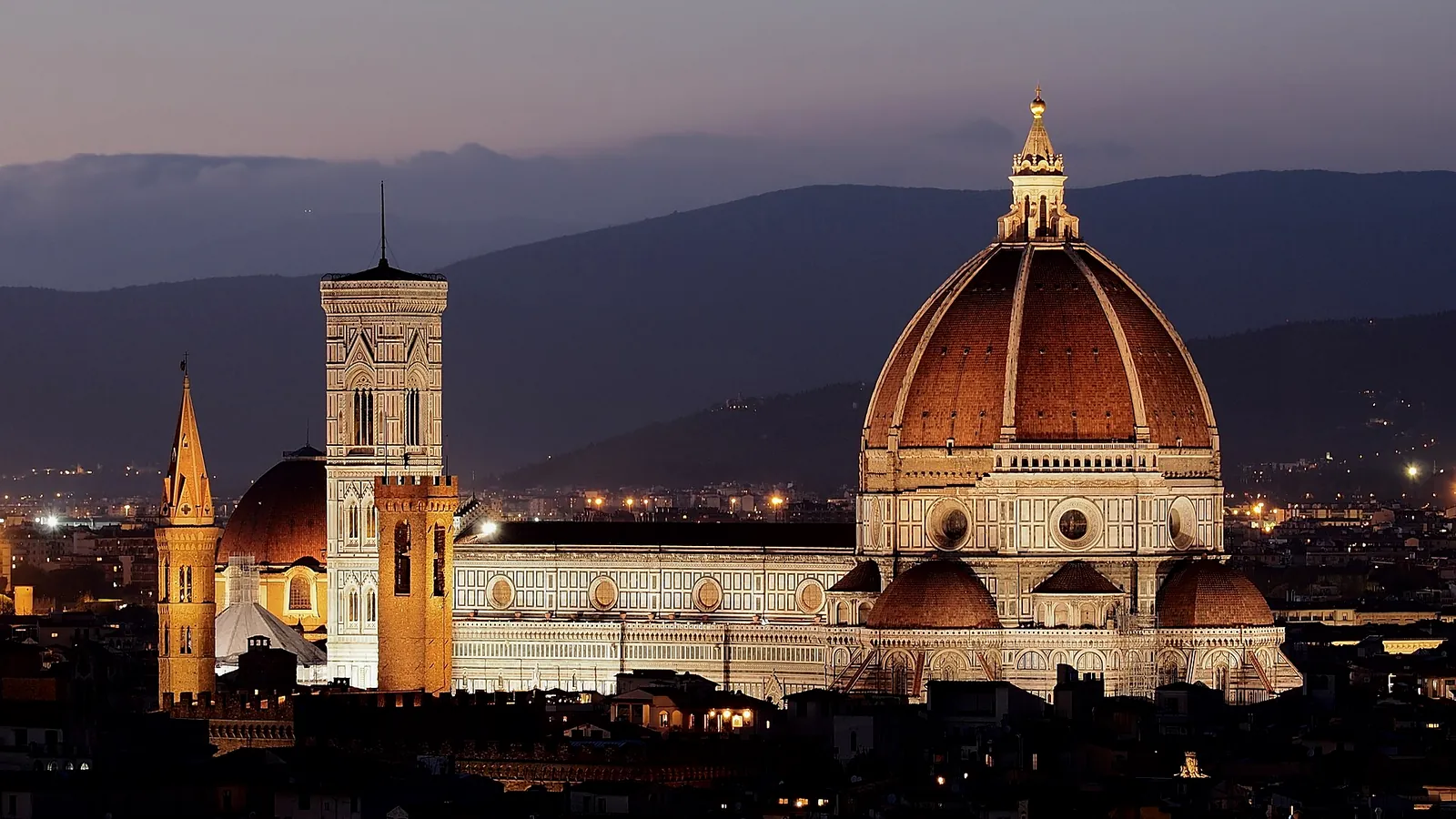
Italy has more to see: it has the largest number of UNESCO World Heritage Sites of any country, from the Colosseum and Pompeii to Florence’s Uffizi Gallery and the Vatican Museums, and almost every town has a historic centre worth exploring. Greece is the place for ancient Greek history: the Acropolis and its museum in Athens, Delphi, Olympia, Mycenae and the Minoan palace of Knossos on Crete, plus Byzantine monasteries such as Meteora. If classical antiquity is your passion, Greece is unmatched; for everything from Roman ruins to Renaissance art, Italy is richer. See Athens to Delphi and Athens to Meteora for easy day trips.
Food and wine
Italy is famous for regional cooking: pasta and carbonara in Rome, pizza in Naples, steak and Chianti in Tuscany, seafood on the coasts, gelato and espresso everywhere, plus world-class wine regions. Greek food is simpler and very good value: grilled fish and meat, souvlaki, salads with feta, meze to share, and fresh produce and olive oil. Many travellers find they eat better for less in Greece, but Italy offers more depth and variety.
Getting around
Italy is much easier without a car. High-speed trains link Rome, Florence, Bologna, Venice, Milan and Naples, with Rome to Florence taking about 1 hour 30 minutes. In Greece, the main islands are reached by ferry or domestic flight, and ferry timetables shrink outside summer; for example, the ferry from Athens to Santorini takes about 5.5 hours on the fastest boats. On the Greek mainland, a rental car is the easiest way to reach sites such as Delphi and the Peloponnese. See Athens to Santorini and Athens to Mykonos.
Best time to visit
For Greece, the best time is late May to June and September to early October: warm sea, open islands and fewer crowds than July and August. Many island hotels and ferries reduce services from November to March. For Italy, spring (April–June) and autumn (September–October) are best for sightseeing; July and August are hot and crowded in Rome and Florence, while winter is good for cities and skiing. See the best places to visit in Europe in spring.
Is it safe to travel to Greece and Italy right now?
Yes. Both are safe for tourists, and violent crime against visitors is rare. The main risks are pickpocketing in crowded places, such as Rome’s metro and tourist sights or the Athens metro, and summer heat; wildfires can also affect parts of Greece in hot, dry periods, so follow local warnings. See is Athens safe for practical tips.
Which is better for a honeymoon, families or first-timers?
- Honeymoon: Greece for island sunsets and beach days (Santorini, Milos, Paros); Italy for the Amalfi Coast, Lake Como and romantic cities.
- Families: Greece for easy beaches and calm water; Italy if children enjoy history, gelato and short train trips.
- First trip to Europe: Italy’s classic Rome–Florence–Venice route is easy to plan by train.
- Budget travellers: Greece, especially Athens, the mainland and the less famous islands.
Can you visit both Greece and Italy on one trip?
Yes. Flights between Rome and Athens take about two hours and are frequent, and overnight ferries cross the Adriatic and Ionian seas from Italian ports such as Bari, Brindisi and Ancona to Patras and Igoumenitsa in western Greece. With two weeks, a popular plan is a week in Italy (Rome, Florence, Venice or the Amalfi Coast) and a week in Greece (Athens plus two islands). Fly into one country and out of the other to avoid backtracking; see the cheapest airports to fly into Europe. Coming from the Balkans? See the Albania to Italy ferry.
Our verdict
- Choose Greece for beaches, island-hopping, ancient Greek sites and a cheaper summer holiday.
- Choose Italy for cities, art, food, easy train travel and a first trip to Europe.
- Combine both if you have two weeks or more.
Staying connected? See the best eSIM for Greece and the best eSIM for Italy.
Compare hotels in Athens · Compare hotels in Rome on Booking.com
FAQ
Is Italy or Greece better for a first trip to Europe?
Italy, for most people: the Rome–Florence–Venice route is easy by train and packs in the most famous sights. Choose Greece if beaches matter more than museums.
Which has better beaches, Greece or Italy?
Greece. It has far more islands and free public beaches, with clear water and a long swimming season.
How many days do you need in Greece or Italy?
At least 7–10 days in either country: about three days for Athens and its sights plus a few islands in Greece, or Rome, Florence and Venice in Italy. See how many days in Athens.