The currency of Indonesia, including Bali, is the Indonesian rupiah (IDR, written Rp). It is the only legal tender, and most shops, restaurants and drivers will not accept US dollars. In November 2026, US$1 was worth about Rp18,000–18,300, so Rp100,000, the largest banknote, is worth about US$5.50. Cards and QR payments are widely accepted in Bali’s tourist areas, but you still need cash for warungs, small shops, fuel, parking and many drivers. ATMs are everywhere, but some banks now charge foreign cards a fee, and Bali also collects a Rp150,000 tourist levy per visitor.
Indonesian rupiah at a glance
| Currency | Indonesian rupiah (IDR, Rp) |
| Exchange rate | About Rp18,275 per US$1 (19 November 2026) |
| Banknotes | Rp1,000, 2,000, 5,000, 10,000, 20,000, 50,000 and 100,000 |
| Coins | Rp100, 200, 500 and 1,000 |
| ATM fees | Varies by bank; Mandiri charges foreign Visa and Mastercard cards Rp50,000 per withdrawal |
| Bali tourist levy | Rp150,000 per person, once per trip, cashless |
| Restaurant tax and service | Up to about 21% (“++” on menus) |
What currency is used in Bali?
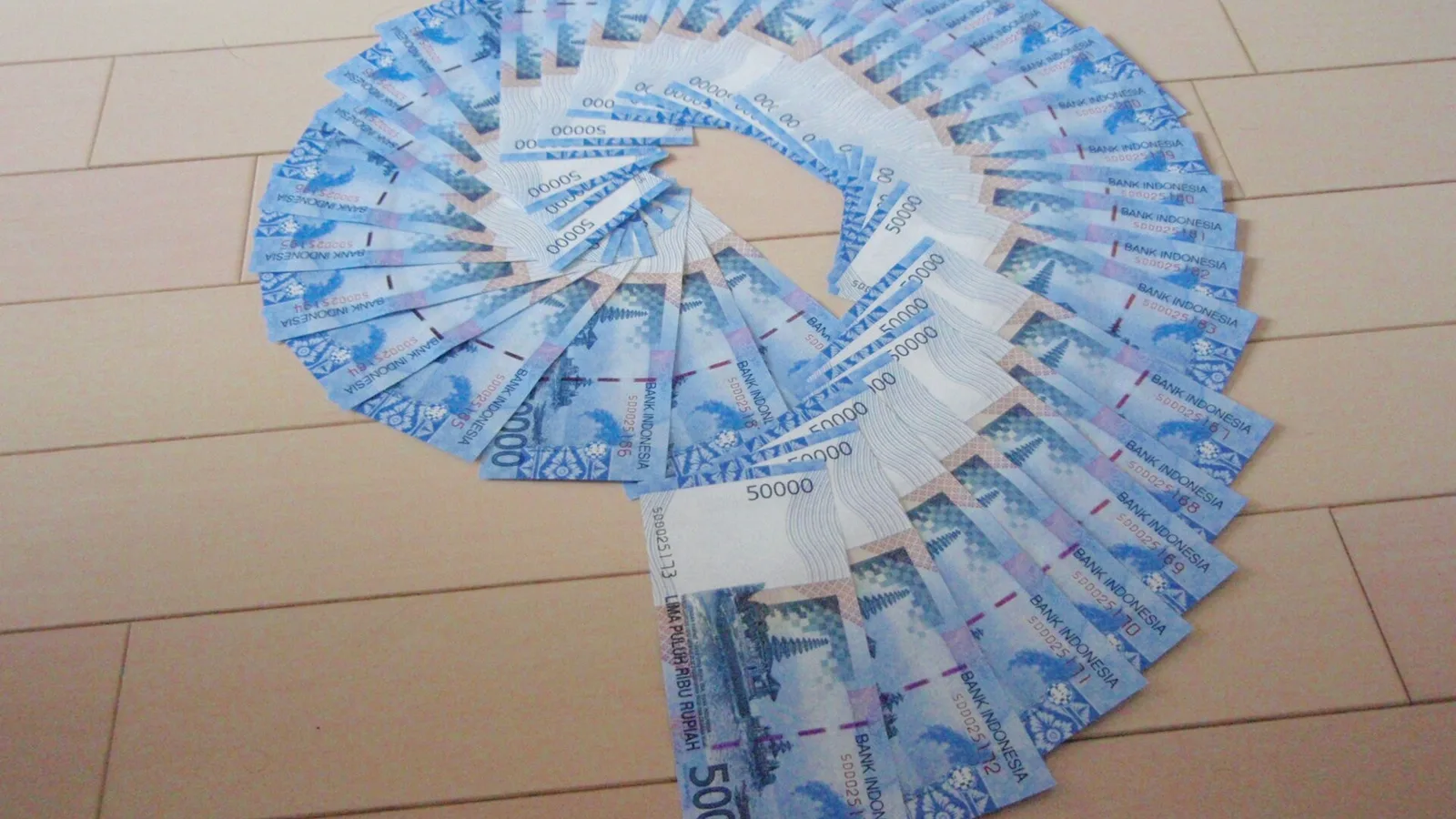
Bali uses the Indonesian rupiah, like the rest of Indonesia. Prices are often written in thousands, so “50K” or “50rb” means Rp50,000 (about US$2.75). Because the numbers are large, double-check the zeros when you pay or withdraw money: Rp1,000,000 is about US$55.
Can I use US dollars in Bali?
Generally no. The rupiah is the only official currency, and most businesses won’t take dollars; some tour companies and hotels quote prices in US dollars but charge in rupiah. Bring a card for ATM withdrawals and, if you like, some US dollars to exchange as a backup. Clean, recent US$100 notes get the best rates at money changers; old, torn or marked notes may be refused.
Banknotes and coins
Bank Indonesia issued its current banknote series in August 2022, in seven values: Rp100,000 (red), 50,000 (blue), 20,000 (green), 10,000 (purple), 5,000 (brown), 2,000 (grey) and 1,000. Older series still circulate. Coins of Rp100, 200, 500 and 1,000 are used for small change. Carry plenty of Rp10,000–50,000 notes, as drivers and small shops often can’t change a Rp100,000 note.
Which ATM in Bali has no fees?
No ATM can promise to be free, because your own bank may also charge. On the Indonesian side, Bank Mandiri now charges an access fee on foreign Visa and Mastercard withdrawals, Rp50,000 from February 2026, and has announced a rise to Rp100,000. Travellers report that BCA and BNI machines often don’t add their own fee, but check the screen before you confirm. Most ATMs allow about Rp2.5–3 million per withdrawal.
- Use ATMs inside banks, malls and minimarkets, especially at night.
- Always choose to be charged in rupiah, not your home currency (dynamic currency conversion costs more).
- Withdraw larger amounts less often to reduce fixed fees.
- Use a card with no foreign transaction fees.
Should I exchange money before going to Bali?
You don’t need to. Rates at home and at airport exchange counters are usually worse than ATMs or authorised money changers in Bali. If you exchange cash, use a bank or a licensed money changer listed by Bank Indonesia, avoid booths advertising rates much better than everyone else, and count the money yourself, last, before you leave the counter. A common scam is palming notes during repeated counting.
Paying by card and QRIS
In Bali’s tourist areas, contactless cards work in most hotels, supermarkets, cafés and restaurants, though some add a 2–3% surcharge or have a minimum spend. Indonesia’s QR payment standard, QRIS, is everywhere. Visitors from Malaysia, Thailand, Singapore, Japan, South Korea and China can pay at QRIS merchants with their home banking apps; travellers from other countries usually pay with cards or cash.
How do I pay the Bali tourist tax?
Foreign visitors to Bali pay a levy of Rp150,000 per person, once per trip. Payment is cashless: pay online on the official Love Bali website before you travel, or at counters at the airport and ports or at registered hotels and attractions, by card, bank transfer or QRIS. You receive a voucher with a QR code by email; keep it on your phone. Holders of some long-stay permits are exempt.
How much is the “++” in Bali restaurants?
Menus marked “++” add a regional tax of 10% and a service charge, usually 5–11%, so the total can be about 21% above the listed price. Local warungs usually include everything in the price. Tipping is not expected where service is already added; elsewhere, rounding up or leaving Rp10,000–20,000 for good service is appreciated.
Is $100 a lot of money in Bali?
US$100 is about Rp1.8 million. In Bali that covers a comfortable day for one person with a good guesthouse, meals and a driver, or several days of street food and scooter rental. Hiring a driver for a day costs from about Rp600,000. See how much a trip to Indonesia costs for full budgets.
How much cash should I bring to Bali for a week?
Rather than carrying a lot of cash, withdraw as you go. Keep about Rp1–2 million in cash for a few days of small purchases, drivers and entrance fees, and pay larger bills by card. Bring more cash for Nusa Penida, the Gili Islands and remote areas, where ATMs are fewer. Getting from the airport? See Bali airport to Ubud.
Other currency guides: Thailand, Vietnam, Cambodia and Laos.
FAQ
What is the largest banknote in Indonesia?
Rp100,000, worth about US$5.50 in November 2026.
Is Bali cash or card?
Both. Cards are fine in most tourist businesses; carry cash for warungs, markets, temples, parking and drivers.
Do I need mobile data to pay in Bali?
It helps for ride-hailing apps and online payments. See the best eSIM for Indonesia.
Is Bali safe for money?
Card skimming and money-changer tricks are the most common money problems. See is Bali safe.